
The Queen of Spooky Season: Trixie Mattel Stakes a Claim on October with ‘Till Death Do Us Part’
Main Facts
While Mariah Carey has spent three decades thawing out every December to officially inaugurate the winter holiday season, the undisputed heavyweight champion of drag and multi-hyphenate mogul Trixie Mattel has looked closely at the calendar and spotted an entirely unclaimed, high-yield month.
"I made a Halloween record because Mariah already copyrighted Christmas," Mattel candidly revealed in a recent interview. Somebody had to officially file the paperwork for October, and the beloved entertainer took it upon herself to do just that.
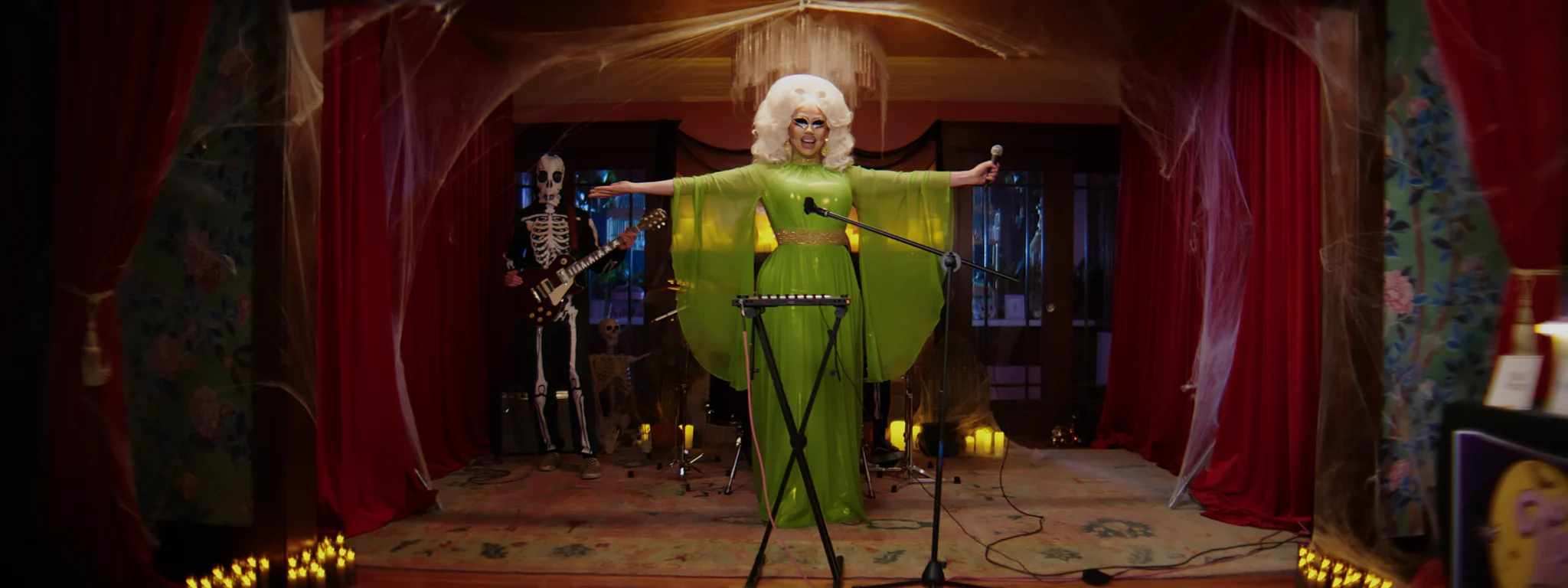
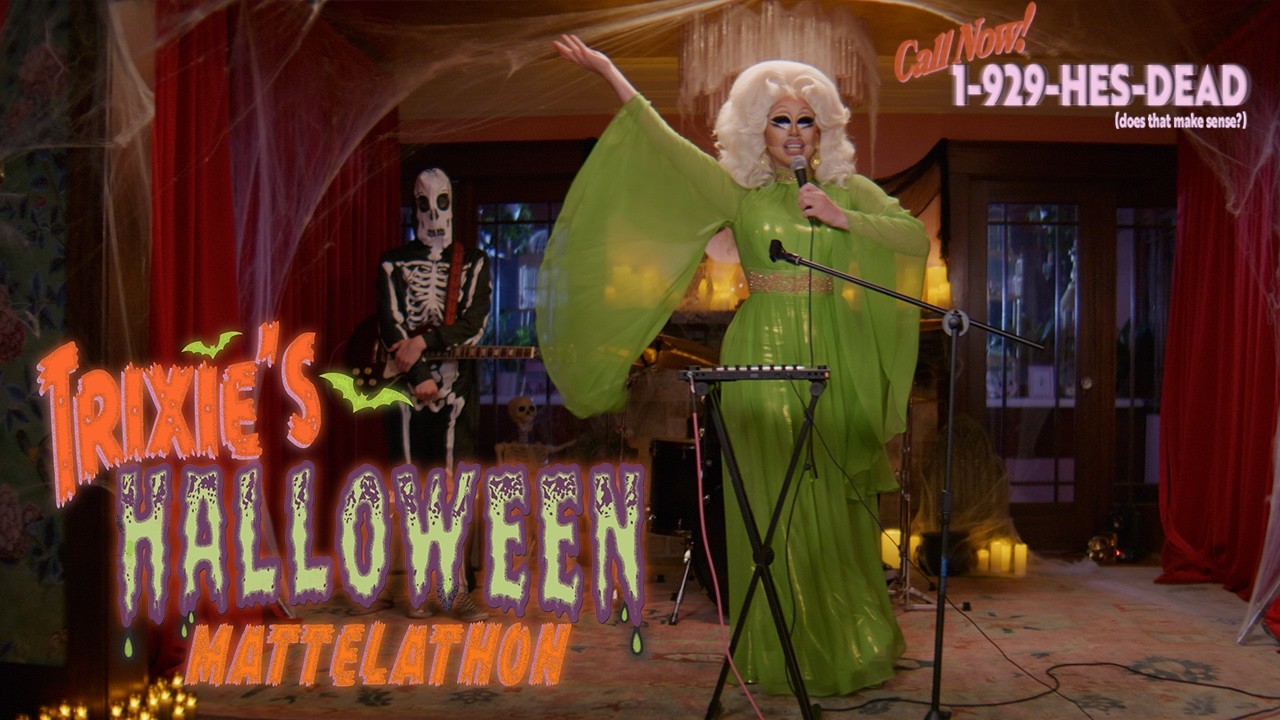
That monumental record is ‘Till Death Do Us Part, a biting, six-song seasonal release that officially dropped on October 2 via PEG Records. Demonstrating a masterclass in modern multimedia rollout, Mattel followed up the musical drop just three days later with the premiere of Trixie’s Halloween Mattelathon on her wildly popular YouTube channel.

While the Mariah Carey comparisons and jokes get listeners in the door, the deeper philosophy behind Mattel’s venture into horror-themed Americana reveals a sharp, culturally poignant meditation on contemporary anxiety, the roots of her musicianship, and the historic intersection between camp, drag culture, and the horror genre.
Chronology: From Country Roots to Horror Camp
To understand ‘Till Death Do Us Part, one must trace the timeline of Brian Firkus—the man behind the towering pink wig and exaggerated makeup of Trixie Mattel. Long before the international tours, makeup lines, and the UNHhhh web series with Katya Zamolodchikova, there was an acoustic guitar.
- The Pre-Drag Era: Before adopting her iconic persona, Mattel was an earnest, melancholic young musician raised on country music. That foundational sonic imprint has quietly followed her across her musical career, beginning with her 2017 alt-country debut album, Two Birds.
- October 2, 2026: PEG Records releases ‘Till Death Do Us Part, a six-track EP that formally marries Mattel’s singer-songwriter inclinations with gothic, Halloween-inspired storytelling, led by the atmospheric single "Ghost on the Moon."
- October 5, 2026: Mattel premieres Trixie’s Halloween Mattelathon on YouTube, bringing her signature brand of comedy, music, and seasonal pageantry directly to millions of subscribers.
- The Ongoing Legacy: With this release, Mattel plants her flag firmly in the autumn season, aiming to establish a yearly tradition akin to the holiday monoliths built by traditional pop icons.
Supporting Data & Production Breakdown
- Release Date: October 2, 2026
- Label: PEG Records
- Format: Six-song EP / Streaming & YouTube Visual Event (Trixie’s Halloween Mattelathon)
- Key Track: "Ghost on the Moon"
- Musical Lineage: Echoes Mattel’s 2017 acoustic debut Two Birds, continuing her tradition of blending confessional country-folk songwriting with high-concept visual branding.
- Cultural Context: Released during a socio-political climate where drag artists have increasingly found themselves at the center of legislative debates and targeted rhetoric across the United States.
Official Responses and Artist Insights
"A Scare That’s Not on the News"
While the initial framing of the album relies on a witty quip about Mariah Carey’s seasonal monopoly, Mattel’s subsequent commentary cuts much deeper. "I also really love spooky shit," she explained, "and in 2026 we could use a scare that’s not on the news."
This statement resonates deeply with modern cultural fatigue. Fictional horror offers something that the 24-hour news cycle refuses to provide: a running time with a definitive exit. In an era saturated by real-world political dread, climate anxiety, and social instability, wanting a monster with an off-switch is a remarkably reasonable public demand.
The Honest Candy Core
Reflecting on her musical identity, Mattel acknowledged the tension between her public persona and her private artistic impulses. "Before I was a hilarious drag queen, I was an earnest, depressed white boy from the country, so I can’t help but make some sort of variation on that sound from my teenage years."
Rather than abandoning her roots, Halloween simply gave those instincts a costume. Citing an obsession with "girls with guitars," Mattel describes a specific songwriting tradition that balances levity with emotional gravity. "There’s always a way to keep something light but still have an honest candy core," she noted—a definition that serves equally well as a working definition of camp: a brilliant, vibrant wrapper hiding something profoundly authentic underneath.

Easier Than Crying on Camera
When asked about the emotional weight of the project, Mattel admitted that the songs use relationships and heartbreak as their primary subjects. However, packaging raw emotional vulnerability inside spooky metaphors offers a safe harbor. "It’s easier to joke about serious feelings with spooky metaphors than it is to sit on camera and cry."
Broader Implications
The Queer History of Horror and Monsters
Mattel’s transition into Halloween-themed music taps into a century-old cinematic and literary tradition. Horror has always functioned as a vehicle for societal outcasts. Monsters symbolically carry the heavy truths that polite society refuses to voice at the dinner table.
Queer audiences, in particular, have historically found themselves reflected in creatures, misunderstood outsiders, and things kept hidden in the attic. By framing a devastating breakup as a traditional ghost story—exemplified by tracks like "Ghost on the Moon"—Mattel joins a lineage of queer and female artists who weaponize the macabre to process real-world trauma.

Redefining Autumnal Media
Mattel’s long-term ambitions for ‘Till Death Do Us Part extend far beyond a single release cycle. "I hope people pull it out every year for the season," she stated, laying out a blueprint to transplant the Mariah Carey holiday survival model directly into the fall.
In classic comedic fashion, she offered listeners instructions on how to consume the record: "Let this album be the crunching leaves beneath your feet! Let it replace the disposable coffee cups in your daily autumnal beverage!"—a playful jab at seasonal consumerism and the ubiquity of pumpkin spice culture.
Drag as the Ultimate Subversive Monster
Mattel saved her sharpest commentary for the cultural landscape surrounding drag performance itself. Over recent years, drag artists have frequently been cast in villainous roles by conservative politicians and media pundits in statehouses across the United States.

True to form, Mattel weaponized that controversy with surgical precision: "And if you’re conservative, at least my album on the shelves might scare the lights out of you!"
Horror has always excelled at unmasking who is truly afraid of whom. By leaning into the theatrics of the macabre, Mattel has cleverly flipped the script. This October, the drag queen doesn’t have to play the victim of manufactured cultural panics—she gets to be the monster on purpose, proving once again that the most terrifying thing to bigots is a marginalized artist who refuses to stop laughing, singing, and succeeding.
