
The End of an Age: Why Prime Video’s ‘The Wheel of Time’ Concluded and What Lies Ahead for the Franchise
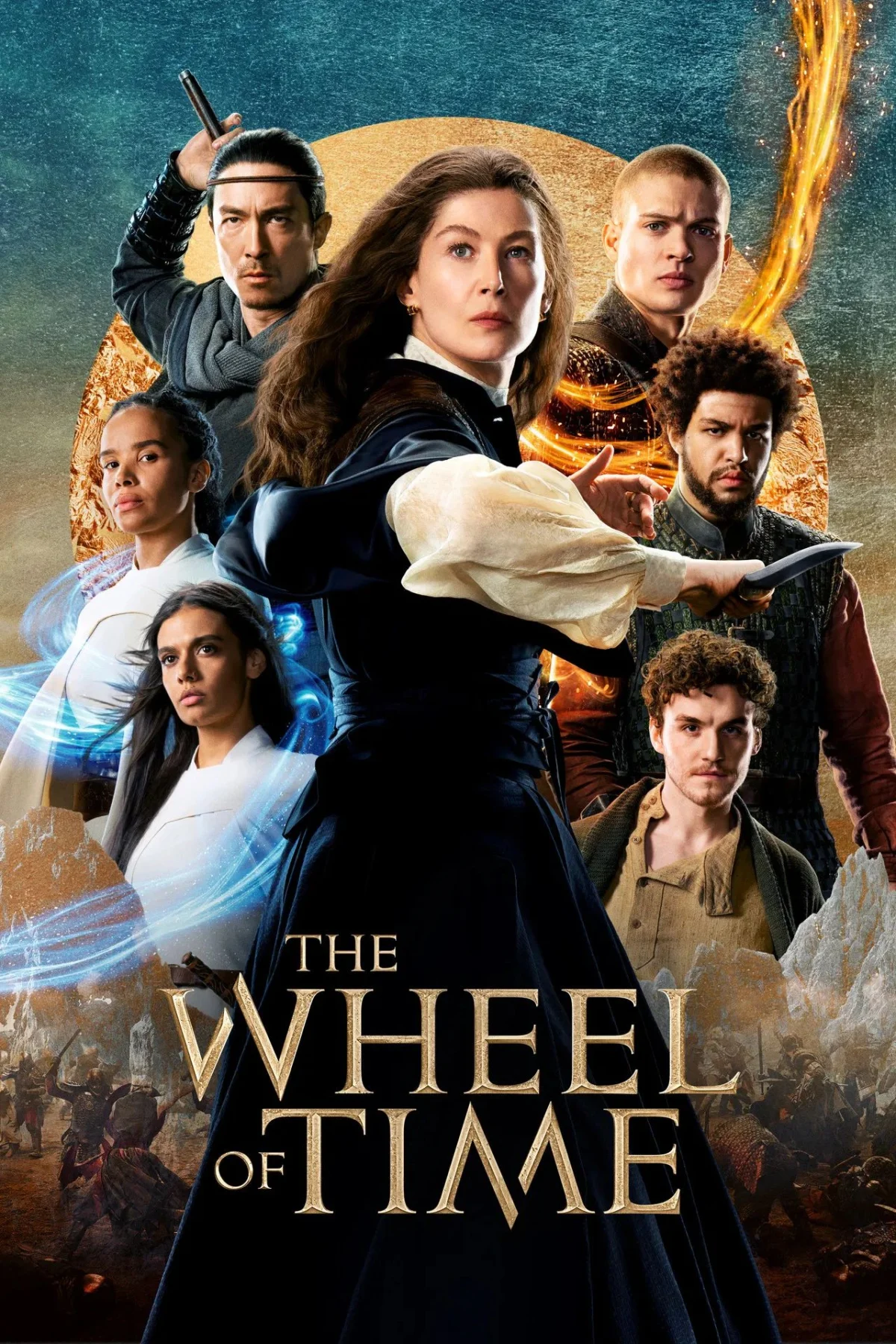
The high-fantasy landscape on television has undergone a seismic shift over the past decade. With the massive success of The Lord of the Rings: The Rings of Power establishing Amazon’s Prime Video as a powerhouse for epic storytelling, other genre titans were expected to flourish alongside it. Among these was The Wheel of Time, the ambitious adaptation of Robert Jordan’s sprawling literary masterpiece. However, despite a dedicated global following and a successful three-season run, the series has officially come to an end. While fans mourn the premature conclusion of the onscreen adaptation, the franchise is finding new life in unexpected avenues, most notably through a record-breaking tabletop gaming endeavor.
The Journey of the Dragon Reborn: A Chronology
The adaptation of The Wheel of Time was a massive undertaking from the outset. Announced with the daunting task of condensing a 14-book series—plus a prequel—into a manageable television format, the show premiered in 2021 with high expectations. Under the guidance of showrunner Rafe Judkins, the series aimed to bring the intricate magic system of the "One Power," the political maneuvering of the Aes Sedai, and the looming threat of the Dark One to a new generation of viewers.
Season 1 introduced audiences to the Two Rivers and the five young villagers caught in the crosshairs of an ancient prophecy. By Season 2, the scale expanded significantly, delving deeper into the lore of the White Tower and the complexity of Rand al’Thor’s (Josha Stradowski) destiny. The third season, which aired in early 2025, served as the climactic final chapter, bringing the series to a close earlier than many proponents of the source material had anticipated.
The Financial Reality of Prestige Television
When the news broke that The Wheel of Time would not be renewed for a fourth season, the reaction was one of profound disappointment, followed by intense speculation. Prime Video, which has invested billions into its fantasy slate, cited financial constraints as the primary driver for the cancellation.

In the current streaming climate, the "cost-per-subscriber-acquisition" metric has become the North Star for platforms like Prime Video. While The Wheel of Time maintained a consistent and loyal audience, the massive production budget required for its complex visual effects, expansive location shooting, and large ensemble cast necessitated a level of viewership growth that the show struggled to maintain in its later stages.
Unlike some other series that are shopped to different streamers or networks following a cancellation, Prime Video opted for a firm conclusion. Insiders close to the production noted that many executives and creatives within the Amazon ecosystem were genuine fans of the material, but the cold mathematics of modern television economics made a continuation unsustainable. Despite a fervent campaign by the fan community—including online petitions that garnered over 124,000 signatures—the studio remained steadfast in its decision, effectively closing the book on the televised version of the Third Age.
Beyond the Screen: ‘War of the Dragon’
While the television series has ceased production, the intellectual property is far from dormant. The most significant development for fans of the franchise is the upcoming release of War of the Dragon: The Wheel of Time, a tabletop board game that has captured the imagination of the community.
The project, which launched on Kickstarter, has become a massive success, raising over $1.16 million from more than 6,100 backers. This surge in support highlights a crucial reality: the Wheel of Time fan base remains vibrant and willing to engage with the IP through alternative mediums.

Gameplay and Immersion
War of the Dragon promises to bridge the gap between passive viewership and active engagement. According to the game’s official description, it is designed to be the definitive board game experience for the franchise, allowing players to step into the roles of major characters as they navigate the conflict between the Light and the Shadow.
The game utilizes a combination of "tableau building," action selection, and area control mechanics. These systems are designed to simulate the strategic, grand-scale warfare described in Jordan’s novels. By focusing on the struggle for survival and the influence of ancient prophecies, the game offers a tactile way to experience the high-stakes world of the series. With an expected launch date before the end of 2027, the game is poised to become a staple for hobbyist gamers and fantasy enthusiasts alike.
The Cultural Impact of the Series
To understand why the cancellation of the series stung so deeply, one must look at the cultural footprint it left behind. The Wheel of Time provided a platform for a diverse cast to portray iconic characters, bringing a fresh perspective to a series that had been largely defined by 90s-era fantasy tropes.
The show’s visual representation of "balefire," the intricacies of the weaves of the One Power, and the portrayal of the Seanchan threat provided moments of spectacle that are rarely seen on television. Even for those who were not familiar with the original books, the show served as a gateway into a dense, lore-heavy world that prioritized character-driven drama over pure action.
Furthermore, the show’s legacy is tied to the broader trend of fantasy adaptations on streaming services. The Wheel of Time proved that there was an appetite for "epic" fantasy beyond the shadow of The Lord of the Rings. It paved the way for more experimental storytelling and proved that even the most dense literary works could be adapted for a modern, global audience.
The Implications for Future Fantasy Adaptations
The conclusion of The Wheel of Time serves as a cautionary tale and a learning opportunity for the entertainment industry. The era of "unlimited budget" prestige television is cooling, and studios are increasingly scrutinizing the long-term ROI (Return on Investment) of their fantasy properties.
1. The Cost-to-Complexity Ratio
Future adaptations will likely look at the lessons learned from The Wheel of Time. Balancing high-budget visual effects with cost-effective production methods will be paramount. Studios are now more likely to favor properties that can be adapted with more focused narratives rather than those requiring constant, show-stopping CGI spectacles.
2. Diversifying the Experience
The success of the War of the Dragon board game suggests that the future of major franchises lies in transmedia storytelling. When a television series ends, the brand can survive—and thrive—if it successfully migrates to gaming, audio dramas, or graphic novels. Prime Video’s decision to allow the IP to flourish in the tabletop space is a strategic move to keep the fan base engaged while the main show is dormant.

3. The Power of Fandom
The vocal reaction to the cancellation of The Wheel of Time demonstrates that fan engagement is a double-edged sword. While passionate fans can drive the success of a Kickstarter or a social media campaign, they can also create a PR headache when a show is canceled. Moving forward, studios may look to engage more transparently with fan bases regarding the health and future of their favorite shows to manage expectations.
Looking Ahead
For the fans, the end of the TV series is not necessarily the end of their journey with the world of Robert Jordan. The books remain, the community-led initiatives persist, and now, the War of the Dragon board game offers a new way to inhabit that world.
As the industry shifts, we are likely to see more projects that operate on a "multi-platform" model. The reliance on a single medium—television—to carry the weight of an entire franchise is becoming a relic of the past. By diversifying how fans can interact with their favorite stories, studios can mitigate the risks associated with the inevitable end of a series’ television run.
While we may not see a fourth season of the show on Prime Video, the legacy of the series is secure. It brought a massive, complex story to millions of new people and fostered a community that continues to grow. As we wait for the release of War of the Dragon in 2027, the conversation surrounding the series will likely shift from the disappointment of its cancellation to a celebration of its impact on the fantasy genre. The Wheel turns, and ages come and pass, leaving memories that become legend—and in this case, a thriving hobbyist legacy that will endure long after the final episode has aired.
