
The Next Wave: Meet the 25 Screenwriters Poised to Define the Future of Cinema
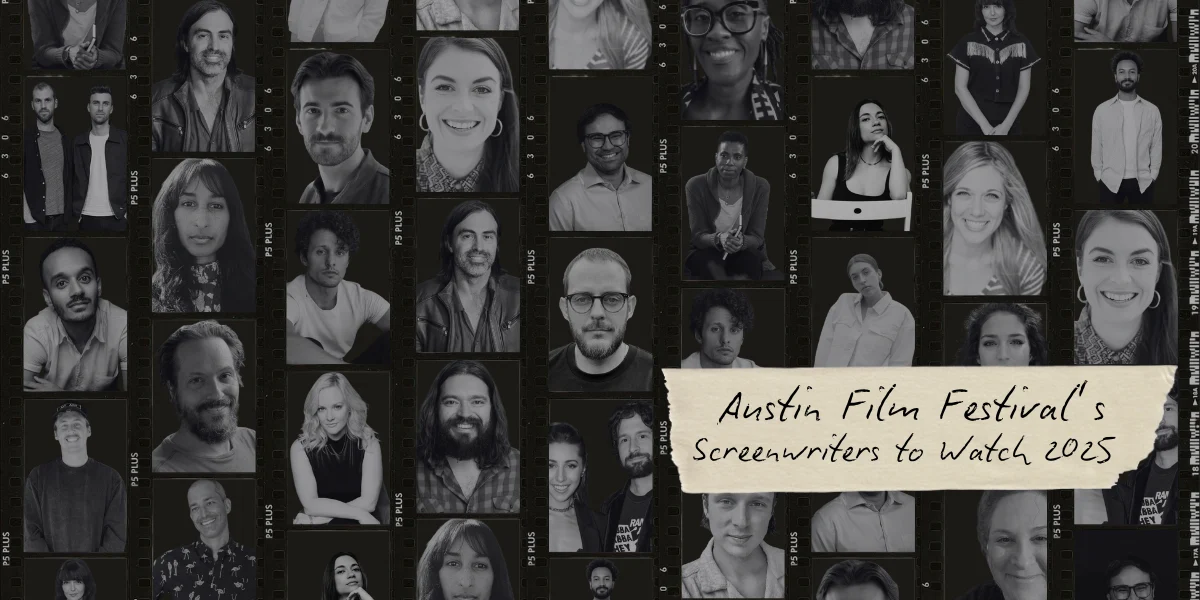
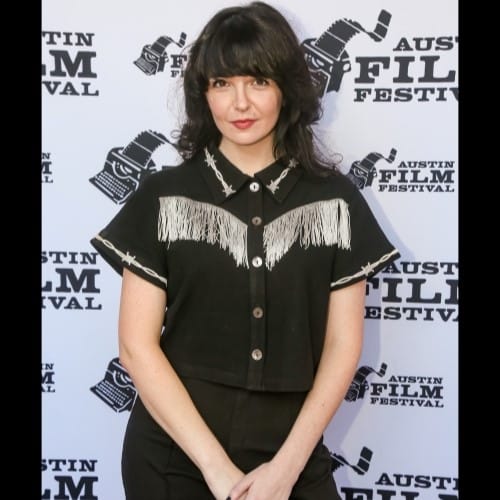
The Austin Film Festival (AFF) has long served as a high-altitude incubator for the industry’s most compelling voices. Known for its rigorous script competitions and the world-renowned Writers Conference, the festival does more than just screen movies—it acts as a kingmaker for the next generation of storytellers. In 2025, that tradition continues with the unveiling of the latest "Screenwriters to Watch" list: a collection of 25 writers, directors, and producers who are currently disrupting the status quo with fresh perspectives, tireless work ethics, and narratives that are already capturing the attention of major studios and A-list talent.

The Vanguard: A New Era of Storytelling
This year’s cohort represents a diverse array of backgrounds and genres, from psychological thrillers and edgy comedies to grounded folk horror and high-stakes drama. Whether they are emerging from the festival circuit with award-winning shorts or securing staffing roles on high-profile television series, these individuals are not merely waiting for their big breaks—they are creating them.
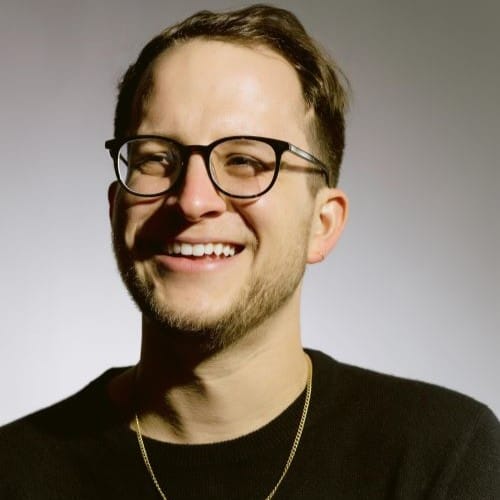
Austin Kolodney: The Visionary in the Making
Perhaps no writer on this year’s list has experienced a more surreal professional ascent than Austin Kolodney. Having cut his teeth with Funny Or Die and Comedy Central, Kolodney’s feature script Dead Man’s Wire has become a industry benchmark. The project recently wrapped production under the direction of Gus Van Sant, featuring a powerhouse cast including Al Pacino, Bill Skarsgard, and Colman Domingo.
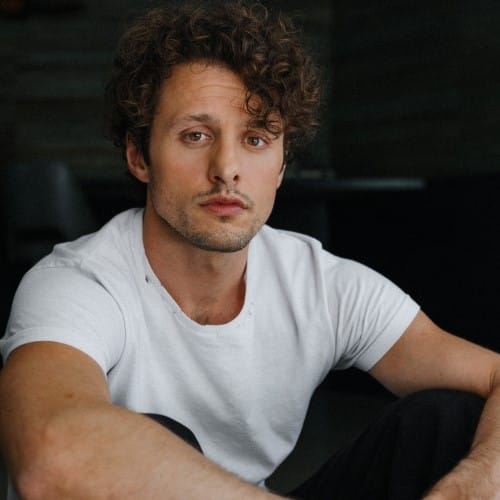
Recalling a career-defining moment, Kolodney shares, "I was recently on set with Al Pacino. One of the first things he said to me was, ‘Oh you got it, kid. Great words, man. You know it when you read it… and you got it.’ So, right then, I could have passed away peaceful and happy."
The Collaborative Powerhouses
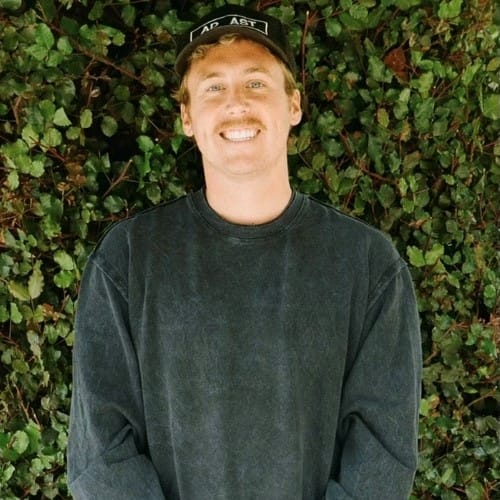
For writers like Michael Vlamis and Kyle Anderson, the path to success was paved through digital collaboration and a shared Midwest sensibility. The pair, currently developing the psychological thriller Crossword (which Vlamis also directed), credit the AFF for acting as a crucial "launch pad" for their sales process. "AFF allowed us to see how hundreds of people we don’t know received our film," they note. "We made a bunch of new friends who we hope will one day become collaborators."
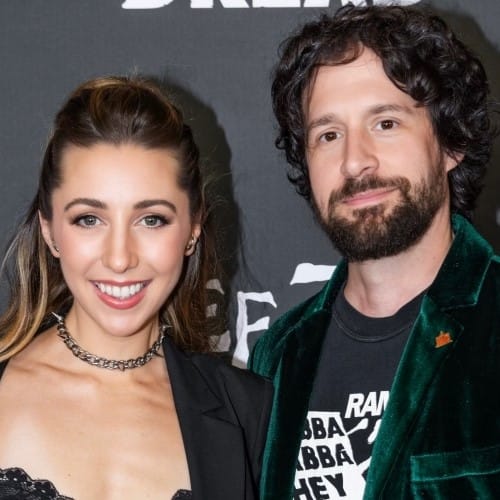
Similarly, the writing duo of Hannah Mescon and Dreux Moreland—who have seen their work reach major studios like TriStar and Artists Equity—advise newcomers to detach their egos from their output. "Don’t be precious," they warn. "Things will die and change, and sometimes they will come back to life years later."
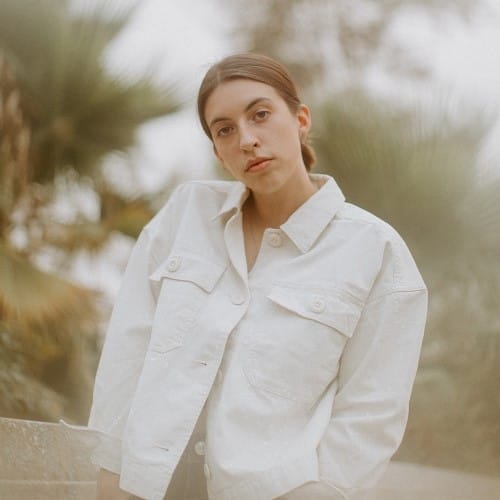
The Professional Lifecycle: From Spec Scripts to Staffing Rooms
The stories of the 2025 class reveal a common thread: the industry is no longer a monolith. The modern screenwriter is often a hyphenate—writing, directing, and producing their way into the room.
Navigating the Industry
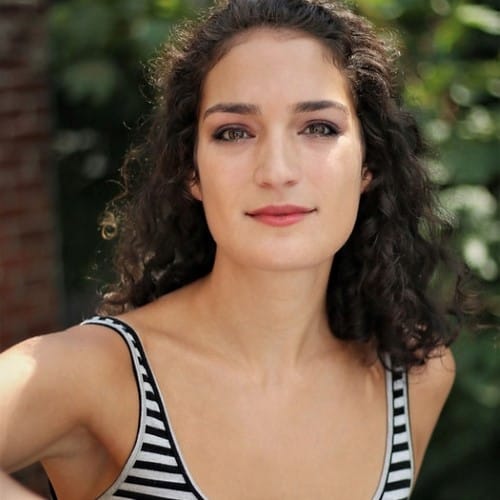
Maia Henkin’s trajectory serves as a masterclass in leveraging festival success. Since her time at the Austin Film Festival, she has secured representation with Untitled Entertainment, joined the WGA, and landed her first staffing role on Suits LA. "Post-AFF, I got repped, joined the WGA, landed my first staffing job, and wrote my first episode of Suits LA," she reflects.
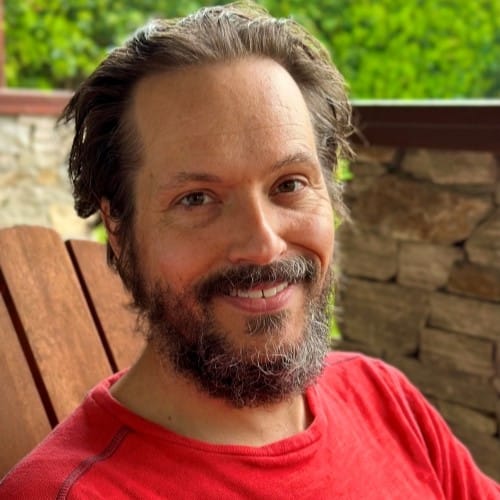
For others, like Austin Elliott, the festival provided the specific network needed to land high-level roles. His current position as a script coordinator on the much-anticipated Spider-Noir came directly from a connection made at AFF. "My reps submitted me for the position, and the showrunner, Oren Uziel, happened to be an AFF alum," says Elliott. "He remembered previously meeting me at the festival, which really helped."
The "Breadcrumb" Theory of Success
Mike Carreon, a writer on NBC’s Lopez vs Lopez and a participant in the 2025 Disney Entertainment Television Writing Program, emphasizes that success is rarely a single event. Raised on a goat ranch in rural Texas, Carreon utilized improv comedy to bridge the gap to Hollywood. "These breadcrumbs of success, along with supportive friends and family, gave me the confidence to move to Los Angeles," he says.
Emerging Voices: Genre-Bending and Bold Visions
The 2025 list is marked by a heavy infusion of genre work, with writers utilizing horror, sci-fi, and dark comedy to explore complex human conditions.
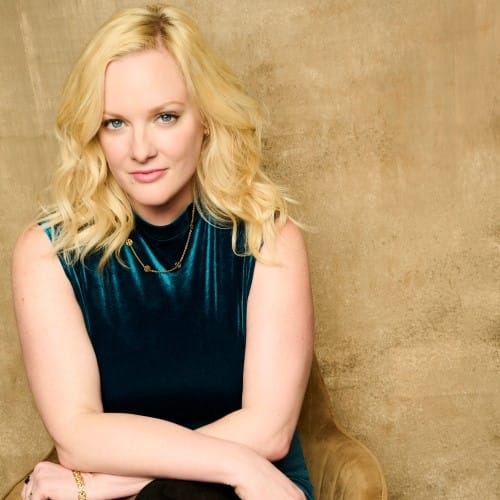
- Susie Yankou: A queer filmmaker whose debut feature, Sisters, arrives in Fall 2025. She is already looking toward her next project, Here for the Right Reasons, described as a "queer, hard comedy version of Miss Congeniality."
- Imogen Grace: The winner of the Best Feature Sci-Fi Award at AFF for Audrey, Grace is currently developing multiple projects focused on the cost of ambition and the "messy healing journeys" of her characters.
- Elise Salomon: A filmmaker who has mastered the "grounded folk horror" aesthetic, Salomon notes that being an AFF finalist in 2023 was the catalyst that opened the doors to Sundance, SXSW, and beyond.
- Meko Winbush: After winning HBO’s Project Greenlight in 2023, Winbush has emerged as a formidable director whose background in film trailer editing has uniquely informed her pacing and narrative tension.
The Role of Mentorship and Community
If there is a singular takeaway from this year’s list, it is the importance of the ecosystem that surrounds the writer. Whether it is the Writers Guild Foundation’s Veterans Writing Project—which mentor and filmmaker Josh Flanagan serves—or the Canadian Film Centre’s programs that helped launch Imogen Grace, the industry is increasingly favoring those who engage in the community.
Official Perspectives on the Craft
The consensus among the 2025 class is that the "hustle" is as important as the talent.
- HF Crum, who was recruited by Roger Corman out of film school, notes that winning screenwriting contests was the essential bridge between his early low-budget work and his current career as a writer for Dune: Prophecy.
- Sam and David Cutler-Kreutz, the brothers behind the Academy Award-nominated A Lien, advocate for the power of the "cut." Their advice: "The audience is way smarter than you think, and sometimes the best thing to do is just cut stuff that really doesn’t move the story forward."
Implications for the Future of Film
The rise of these 25 writers suggests a shift in Hollywood’s power dynamics. We are seeing a move away from the "gatekeeper" model toward a more community-driven, festival-vetted pipeline. Studios are increasingly looking to competitions like those hosted by the Austin Film Festival to identify writers who have already proven they can handle the pressure of a professional production.
As these writers move from the "up-and-coming" category into the "industry staple" category, their impact will be measured not just by the box office, but by the diversity of stories they bring to the screen. From the queer-centric comedies of Susie Yankou to the exploration of trauma and addiction in Michail Eggelhoefer’s work, these screenwriters are bringing a level of authenticity and lived experience that is redefining contemporary storytelling.
Conclusion: The Horizon
As we look toward the remainder of 2025 and beyond, the careers of these 25 writers will undoubtedly continue to flourish. Their collective success is a testament to the fact that while the industry is notoriously difficult to break into, it is increasingly welcoming to those who are persistent, collaborative, and, perhaps most importantly, willing to learn the craft.
Whether they are writing for Netflix, developing pilots for Amazon, or directing their own features, these screenwriters represent the beating heart of the industry. They are the ones to watch, not just because of where they are going, but because of the transformative work they are doing right now to make the future of film more vibrant, diverse, and human.
The Austin Film Festival has once again identified the vanguard. It remains for the rest of the industry to keep pace with them.
