
Anne Hathaway Defends Tom Cruise’s Box-Office Flop ‘Digger’ Amid a $250 Million Disaster for Warner Bros.
Main Facts: The Commercial Catastrophe of Alejandro González Iñárritu’s ‘Digger’
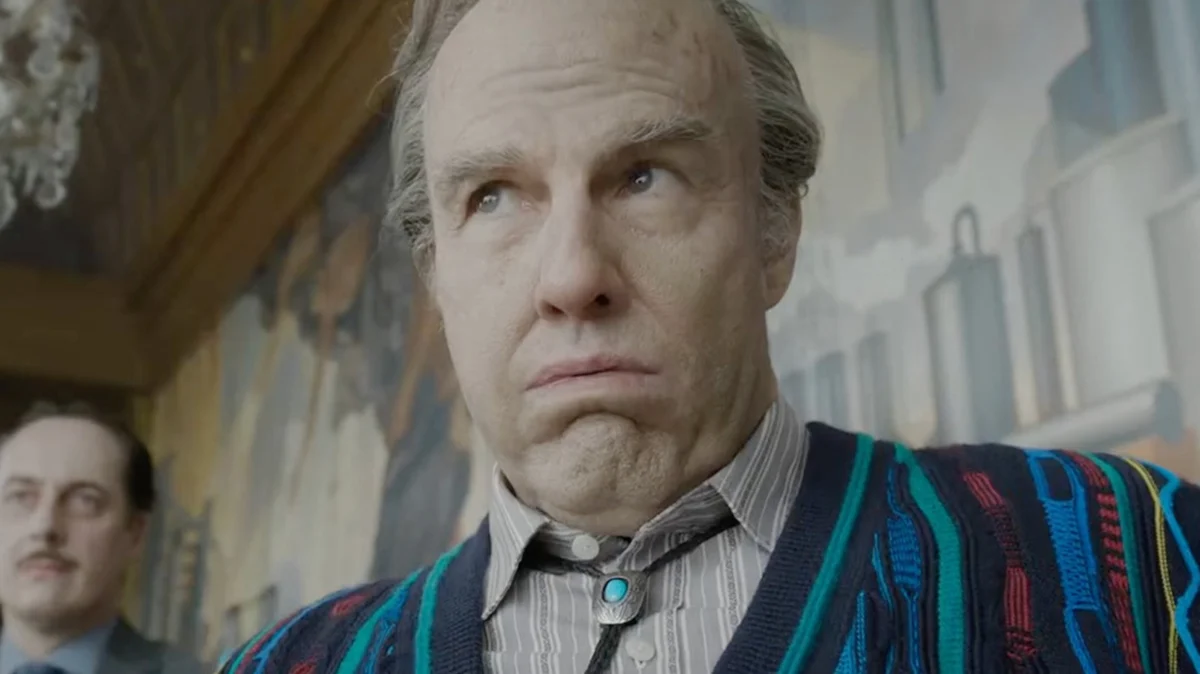
In the modern cinematic landscape, few phrases strike as much fear into the hearts of studio executives as a "financial catastrophe." Yet, that is precisely the phrase industry analysts are using to describe Digger, the latest directorial effort from Academy Award-winning filmmaker Alejandro González Iñárritu. Starring Tom Cruise in a sharp departure from his traditional blockbuster hero persona, the satirical dark comedy has ignited a fierce debate across Hollywood, polarizing critics and alienating general audiences alike.
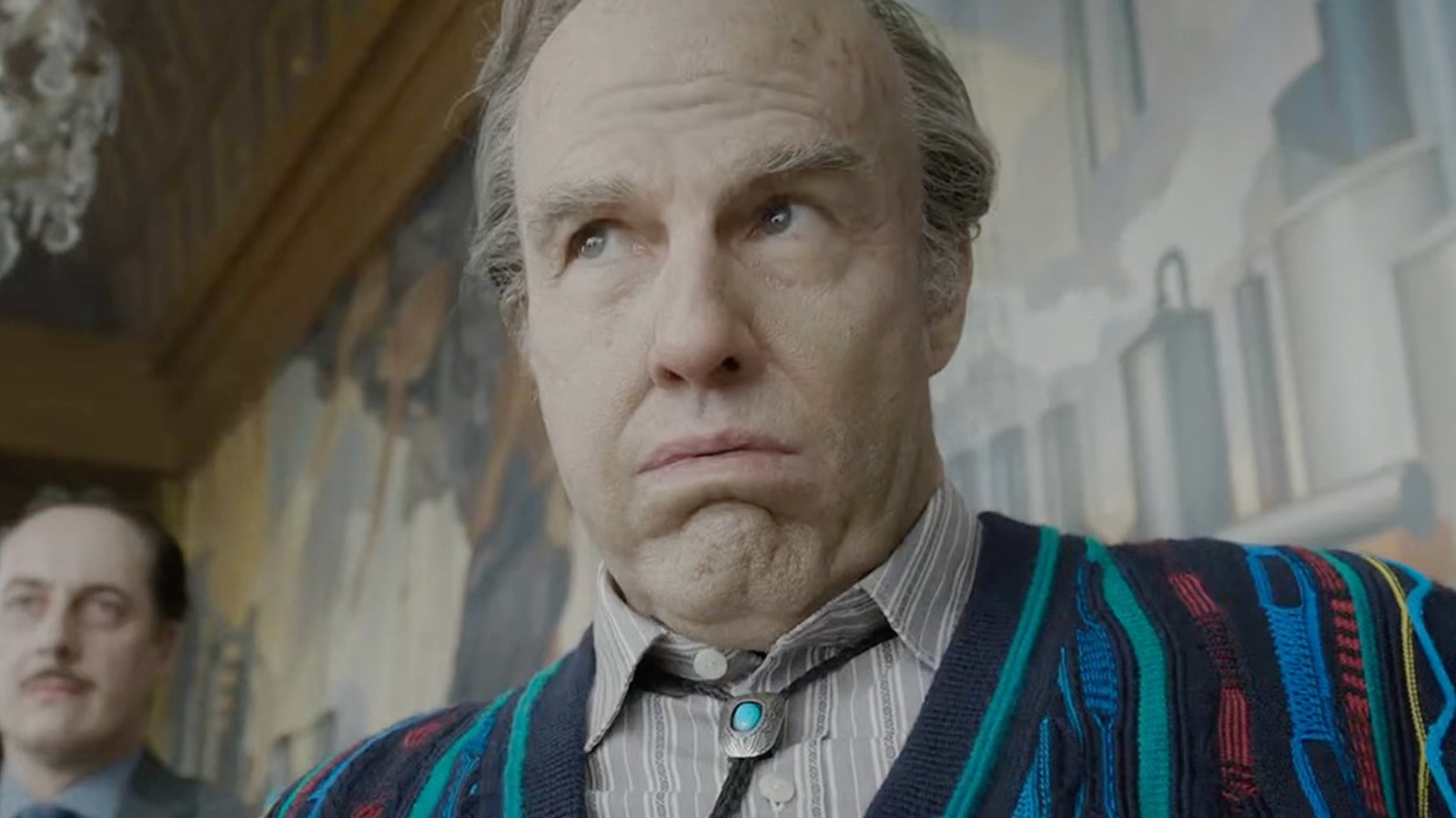
Cruise stars as an aging, hubristic oil magnate whose reckless corporate empire inadvertently triggers a massive ecological crisis. With a reported production budget soaring past the $200 million mark—before factoring in global marketing and distribution costs—Digger is currently tracking toward a staggering box-office loss. Financial projections indicate the Warner Bros. Pictures release could bleed as much as $250 million by the time its theatrical run concludes.
Despite the red ink, the film has found a vocal, high-profile champion in fellow Oscar winner Anne Hathaway. Breaking from standard industry etiquette where peers often remain silent on commercial failures, Hathaway took to the film social media platform Letterboxd to offer a glowing, five-star defense of the picture.
"I loved this brilliant movie. It’s smart and trippy and aggressive and funny and ambitious," Hathaway wrote in her review. "It’s worth making the time [to] see and decide for yourself what you make of it. For me? 10/10."
Her endorsement has injected a fresh wave of energy into the discourse surrounding the film, highlighting a widening chasm between commercial viability and cinematic ambition in contemporary Hollywood.
Chronology: From Prestigious Auteur Project to Box-Office Freefall
To understand how Digger arrived at this precarious juncture, it is necessary to examine the project’s timeline and the high-stakes gamble taken by both its star and its studio.
- Pre-Production and Development (2023–2024): Alejandro González Iñárritu, celebrated for his mastery of tension and human drama in films like The Revenant and Birdman, began assembling a script for a sweeping, satirical look at corporate greed and environmental collapse. Securing Tom Cruise—who was looking for a return to prestige, character-driven auteur cinema after spending nearly a decade dominating the box office with the Mission: Impossible franchise and Top Gun: Maverick—was a massive coup. Warner Bros. greenlit the project with an eye toward awards season glory, supplying a lavish budget upwards of $200 million.
- Principal Photography and Post-Production (2024–2025): Production moved swiftly across international locations, utilizing high-end practical effects and elaborate set designs to capture the decaying opulence of Cruise’s oil magnate character. Whispers from test screenings suggested an uncompromising, deeply cynical, and stylistically bold picture—comparable in its alienating ambition to the works of Stanley Kubrick.
- The Theatrical Premiere and Opening Weekend (Early 2026): Released amidst heavy expectations, Digger stumbled violently out of the gate. Audiences unfamiliar with Iñárritu’s avant-garde tonal shifts rejected the picture en masse, resulting in a disastrous opening weekend. Box-office analysts immediately flagged the film as a historical financial anomaly, predicting losses that could scale up to a quarter of a billion dollars.
- The Backlash and Anne Hathaway’s Intervention (Mid-2026): As internet commentators and industry pundits began using Digger’s failure as proof that original, high-budget adult dramas are dead, critical defense campaigns began to form. On Letterboxd, Anne Hathaway’s unfiltered 10/10 review cut through the noise, urging audiences to separate corporate profit margins from artistic value and judge the film on the big screen for themselves.
Supporting Data: Dissecting the Financial and Critical Divide
The economics of Digger tell a cautionary tale about the post-pandemic theatrical ecosystem, where mid-budget and high-budget non-IP (intellectual property) films struggle to find a reliable audience.
| Metric | Estimated Figure / Status | Context |
|---|---|---|
| Production Budget | $200M+ | Placed immense pressure on the film to gross over $450M globally just to break even. |
| Projected Net Loss | Up to $250M | Puts Digger on the list of the most expensive box-office bombs in cinema history. |
| Critical Reception | Polarizing | Praised for audacity by outlets like /Film, but criticized for self-indulgence by mainstream viewers. |
| Target Demographic | Adults / Cinephiles | Failed to capture the four-quadrant appeal required for mega-budget theatrical returns. |
From a critical standpoint, the film has forced reviewers into uncomfortable conversations. Critics have noted that Digger is not designed for mass consumption; it is loud, abrasive, and relentlessly satirical. Tom Cruise delivers a performance devoid of his usual charismatic safety nets, playing a deeply unlikable figure who refuses to repent for his sins against the earth. For some critics, this makes the film a fascinating, fearless experiment. For others, it represents an indulgent miscalculation by an auteur given too much freedom and too large a checkbook.
Official Responses and Industry Reactions
The fallout from Digger extends far beyond its box-office receipts, prompting soul-searching within Warner Bros. Pictures and the broader studio apparatus.
For Tom Cruise, the commercial failure is an unfamiliar sensation. For over a decade, his name has been synonymous with theatrical salvation, most notably when Steven Spielberg publicly credited Cruise with "saving Hollywood’s ass" via the massive success of Top Gun: Maverick. Digger challenges the absolute nature of his box-office invincibility, proving that audiences may love Cruise the action hero, but are less eager to follow him into bleak, satirical territory.
For Alejandro González Iñárritu, the financial disaster marks the largest canvas he has ever been handed—and potentially the last time a major studio will grant him such creative latitude with a nine-figure budget. While directors like Guillermo del Toro and Martin Scorsese have long championed the right of auteurs to make expensive mistakes, the corporate realities of modern media conglomerates rarely afford second chances after a $250 million shortfall.
Industry unions, guilds, and talent agencies have privately expressed concern over the knee-jerk reaction from executive suites. Whenever an original, high-budget film fails, the immediate corporate response is often to retreat further into safe, algorithmic intellectual property—sequels, prequels, and comic book adaptations.
Implications: What Digger Means for the Future of Hollywood
While the media circus surrounding Digger’s financial collapse has focused heavily on Tom Cruise’s marketability and Iñárritu’s direction, industry observers argue that focusing solely on the film’s balance sheet misses the forest for the trees.
The Real Crisis at Warner Bros.
To paint Digger as a systemic failure for Warner Bros. ignores the studio’s broader recent history. Just a year prior, in 2025, the studio enjoyed a historically lucrative run, with original, high-profile projects like Sinners and Weapons dominating both the box office and awards season conversations.
However, the shadow of corporate restructuring looms far larger over the studio than any individual box-office bomb. The ongoing merger between Warner Bros. Discovery and Paramount—forming the newly minted corporate entity Skydance—has placed immense internal pressure on executives to chase hyper-profitable, safe bets. Ironically, it was this exact corporate obsession with infinite financial growth and risk-aversion that saddled legacy studios with massive debt and drove them into the arms of sweeping mergers in the first place.
Corporate Greed Versus Artistic Risk
When weighed against the broader systemic issues plaguing Hollywood, the financial loss of Digger pales in comparison to executive governance failures. Critics of modern media management have pointed out the bitter irony that while a creative risk like Digger loses money on screen, ousted or transitioning executives walk away with staggering golden parachutes. Reports indicate that outgoing Warner Bros. Discovery CEO David Zaslav stands to clear an additional $600 million payout amid the Skydance sale.
In this light, Hathaway’s defense of Digger takes on a deeper resonance. Her rallying cry on Letterboxd—urging cinephiles to "make the time [to] see and decide for yourself"—serves as a reminder that cinema’s value cannot be reduced exclusively to quarterly earnings reports.
Whether Digger is remembered as an unmitigated disaster or a misunderstood masterpiece of the 2026 film slate, its legacy will depend on whether Hollywood uses its failure as an excuse to shut down original storytelling, or as a sobering lesson in the true cost of creative ambition.
