
Google Set to Expand Wearable Ecosystem with Upcoming "Fitbit Edge" Launch
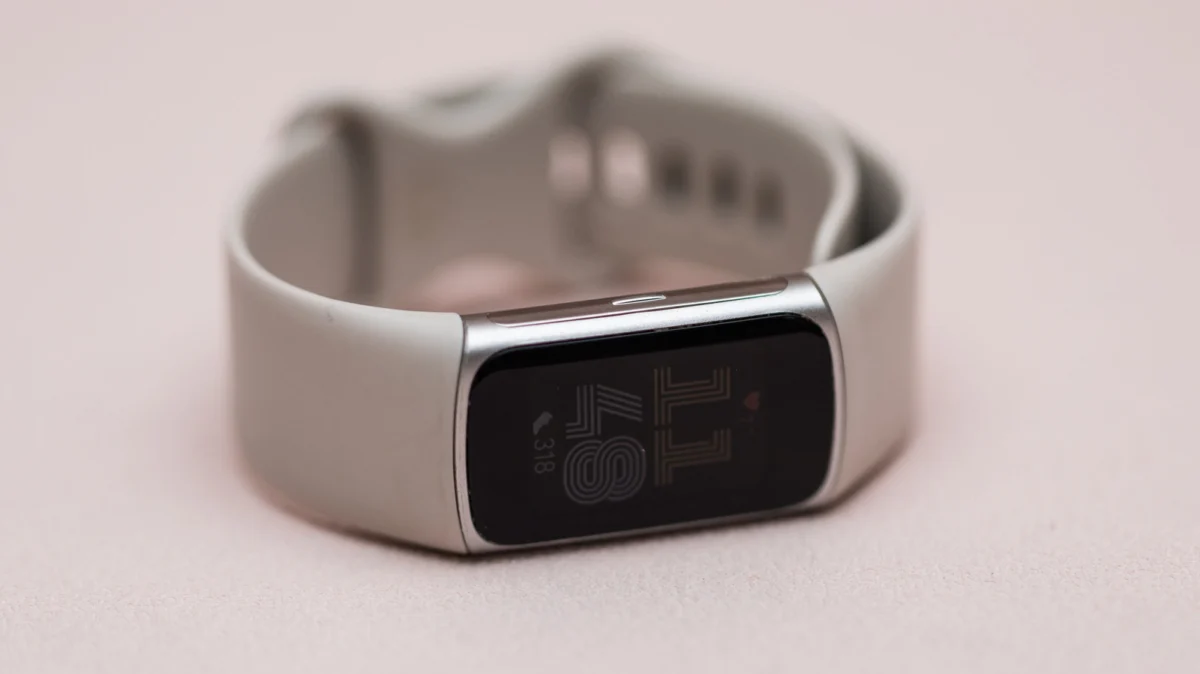
Google is preparing to bridge the gap in its wearable portfolio. After months of speculation, cryptic leaks, and unintentional marketing reveals, the tech giant has officially signaled the impending arrival of the "Fitbit Edge." Positioned as a sophisticated middle-ground device, the new tracker is designed to sit comfortably between the minimalist, screenless Fitbit Air and the high-end, feature-rich Pixel Watch 5.
With an official reveal date set for October 12, 2026, the tech community is abuzz with anticipation regarding how this new hardware will integrate into Google’s broader Health ecosystem and whether it can recapture the market dominance that made the Fitbit Charge series a staple of the fitness-tracking world.
The Core Facts: What We Know About the Fitbit Edge
The confirmation came directly from the source. Through official social media channels on both Instagram and X (formerly Twitter), the Google Health team posted a succinct, teaser-heavy message: "Get an Edge on your health. 10.12.26." The post included a high-contrast image highlighting a sleek, metallic-finished side button, confirming both the product’s name and its imminent launch date.
The Fitbit Edge represents a significant pivot for Google’s hardware strategy. While the Fitbit Air serves the budget-conscious user who prefers an unobtrusive experience, and the Pixel Watch series targets those who want a fully realized smartwatch experience on their wrist, the Edge is designed for the "middle-of-the-road" consumer. These are users who demand a vibrant screen and advanced biometrics but do not necessarily require the cellular connectivity or third-party app ecosystem of a full-fledged smartwatch.
Industry insiders expect the device to feature an AMOLED display, robust water resistance, and a suite of sensors capable of tracking heart rate, blood oxygen levels (SpO2), and possibly more advanced stress-tracking metrics, aligning it with Google’s aggressive push into AI-driven wellness insights.
A Chronological Timeline: From Marketing Glimpses to Official Confirmation
The road to the Fitbit Edge has been paved with breadcrumbs for the better part of this year. To understand the significance of this launch, one must look at the timeline of its development and public exposure.
- August 2026: The first hints of the device emerged when sharp-eyed observers at 9to5Google identified an unknown, sleek fitness tracker in promotional marketing materials for the Pixel 11 smartphone. At the time, the device was unnamed, leading to rampant speculation about whether it was a new iteration of the Charge series or something entirely different.
- Early October 2026: The floodgates opened. Android Headlines published a series of leaked renders and screenshots of the device’s internal software. These leaks were instrumental in confirming that the device would carry the "Edge" branding and provided the first concrete look at the user interface, including built-in fitness apps and advanced sleep-tracking widgets.
- Mid-October 2026: French tech outlet Dealabs provided the most comprehensive look yet, leaking technical specifications, battery life estimates, and European pricing structures. This report effectively bridged the gap between rumors and reality, detailing the device’s battery performance under various display modes.
- October 9, 2026: Google officially "broke silence." By acknowledging the product on social media, the company shifted the conversation from speculative leaks to an active marketing campaign, confirming the October 12 announcement date.
Technical Specifications and Market Positioning
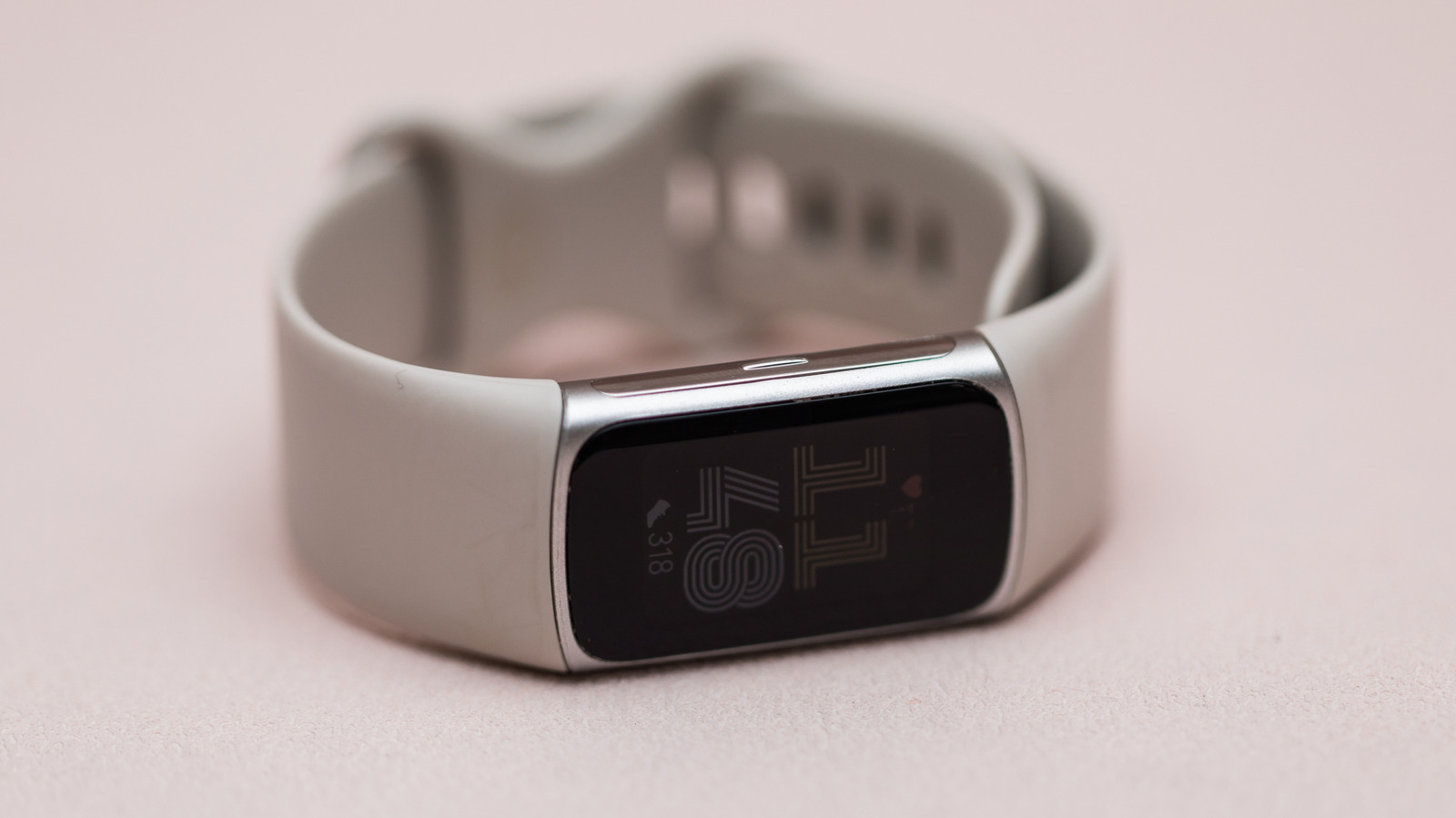
According to the latest reports from Dealabs, the Fitbit Edge is aiming for a balance between performance and endurance. The device is expected to support an "always-on" display feature, a premium addition for a tracker of this size. However, this convenience comes at a cost to battery life.
The reported battery performance is as follows:
- With Always-On Display: Approximately two days of continuous use.
- Without Always-On Display: Up to seven days, bringing it back in line with the traditional expectations for the Fitbit line.
Pricing is expected to be aggressive. While European pricing is rumored to sit around €179, analysts estimate a US price point of approximately $180. This puts it in a difficult position within the current market, as it must compete not only with third-party trackers from Garmin and Amazfit but also with the existing Fitbit Air, which retails for $99. The higher price point suggests that Google is banking on the "Premium" experience—likely tied to an integrated Google Health Premium subscription—to justify the added cost.
Official Stance and Strategy
Google has remained tight-lipped regarding the specific software features of the Edge, though its branding strategy is clear. By choosing the name "Edge," Google is signaling a focus on "getting an edge" in health, leaning into its ongoing strategy of integrating AI-powered health coaching.
The strategy is clear: Google wants to unify the health experience. By consolidating its health and fitness data under the Google Health banner, the company is attempting to create a "walled garden" that provides actionable insights. The Fitbit Edge acts as the data-gathering node for this ecosystem. By feeding more granular biometric data into the Google Health app, the company can provide more personalized recommendations to users, thereby increasing the value proposition of the Health Premium subscription.
The Broader Implications: What This Means for Wearables
The introduction of the Fitbit Edge is a litmus test for the future of the fitness tracker category. For several years, industry analysts have debated whether the standalone fitness tracker was becoming obsolete, pushed out by the rise of cheap, powerful smartwatches.
1. The "Mid-Tier" Resurgence
Google’s decision to invest in the Edge suggests that there is still a significant demographic that finds full smartwatches too bulky or distracting. The Edge caters to the "digital minimalist"—someone who wants their health stats without the constant barrage of notifications associated with a full smartwatch.
2. Ecosystem Lock-in
The implications for Google’s ecosystem are profound. With every new device, the barrier to switching to another platform becomes higher. If the Fitbit Edge provides a seamless, high-quality experience that syncs perfectly with the Pixel 11 and Google’s suite of health apps, it will make it increasingly difficult for users to migrate to Apple or Samsung wearables.
3. The Future of Fitbit
Since the acquisition of Fitbit, Google has faced pressure to prove that the brand still has a distinct identity. The Fitbit Edge is perhaps the most important device to answer this question. If the Edge succeeds, it validates the strategy of keeping Fitbit as a distinct, health-focused branch of the Google hardware family. If it fails to capture market share, it could signal that the "Fitbit" name is being phased out in favor of the unified "Pixel" branding.
4. Subscription-Based Health
The success of the Fitbit Edge will likely be measured by how many users opt into the Google Health Premium service after purchasing the hardware. This shift toward a "Hardware + Service" business model is increasingly the standard in Silicon Valley. The Edge is effectively a hardware vehicle for the service, designed to make the data generated by the user more valuable to the user—and by extension, more valuable to the platform.
Conclusion: A Turning Point for Google
As the calendar approaches October 12, the focus remains on whether the Fitbit Edge can deliver on the high expectations set by recent leaks. In a market crowded with generic wearables and increasingly complex smartwatches, a focused, high-quality fitness tracker that hits the "sweet spot" of price and functionality could be exactly what the segment needs.
For consumers, the choice is becoming clearer: choose the simplicity of the Air, the smarts of the Pixel Watch, or the balanced, data-centric approach of the new Edge. Google is betting that for many, the Edge will be exactly what they’ve been waiting for. Whether this move secures a larger slice of the fitness market or simply highlights the fragmentation of Google’s wearable strategy remains to be seen, but one thing is certain: on October 12, the landscape of wrist-worn technology will shift once again.
