
A New Era for Authentic Representation: The Pitt Dominates the Inaugural DARCYS
SANTA MONICA, Calif. — In an evening defined by celebration, advocacy, and a profound rethinking of how stories are told on screen, the entertainment industry ushered in a transformative chapter for disability inclusion. The inaugural Easterseals Disability Arts & Culture Awards—newly minted and affectionately known as the DARCYS—made a triumphant debut at the Barker Hangar in Santa Monica.
Formerly recognized across the industry as the Media Access Awards, the newly rebranded DARCYS were established with a singular, vital mission: to champion outstanding achievement in authentic disability representation across film, television, and digital media. Saturday’s star-studded ceremony honored the fearless filmmakers, boundary-pushing performers, visionary creators, and dynamic storytellers who are actively reshaping cultural narratives and driving meaningful equity across entertainment and pop culture.
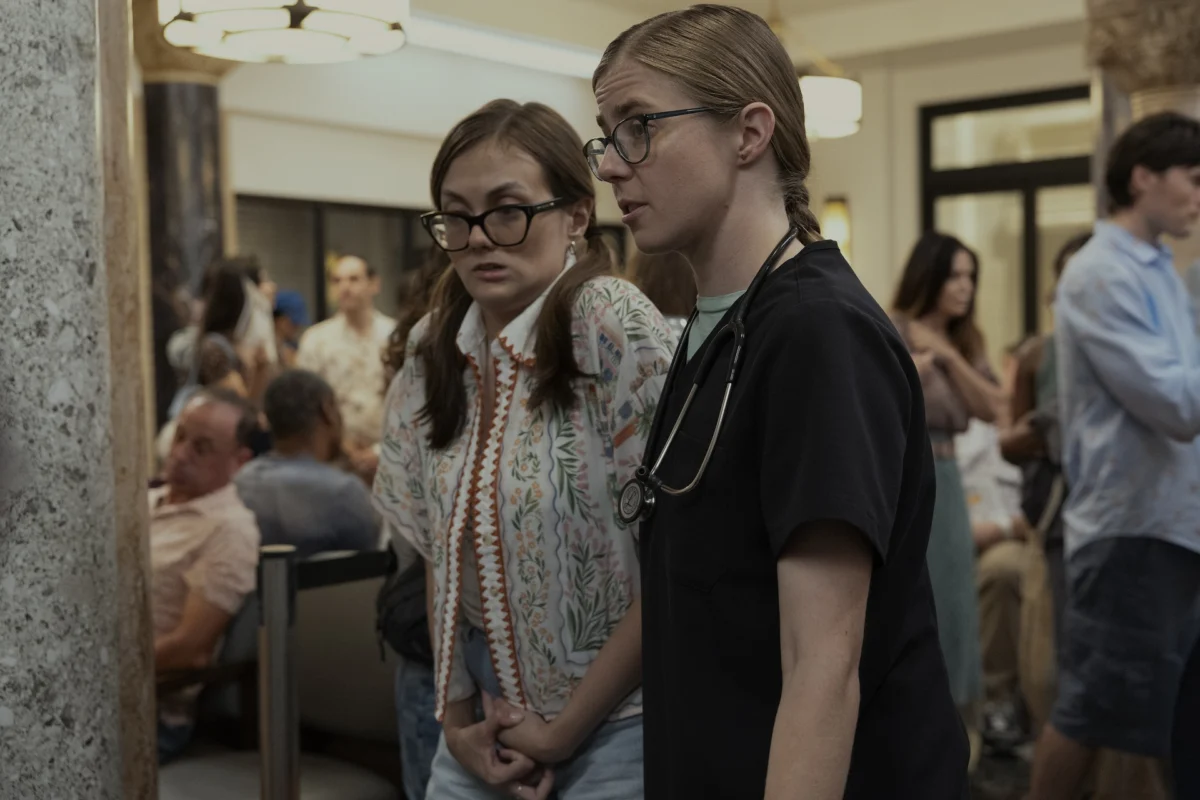
Leading the charge at this historic inaugural event was the critically acclaimed medical drama The Pitt, which walked away with two major accolades. Meanwhile, a diverse slate of features, documentaries, unscripted series, and digital creators were also recognized for their unflinching commitment to authentic storytelling.
Main Facts: A Landmark Night at the Barker Hangar
The inaugural DARCYS ceremony proved to be a watershed moment for disability representation in media. Comedian, writer, and disability advocate Tina Friml stepped into the role of master of ceremonies, guiding the packed auditorium through a night of heartfelt speeches, powerful retrospectives, and overdue recognition.
At the center of the evening’s triumphs was The Pitt, which captured two of the night’s most prestigious television honors: Best Scripted Series and Best Achievement in Casting Ensemble. The double win highlights not only the series’ compelling narrative structure but also its industry-leading approach to hiring and featuring authentic talent on screen.
In the film categories, the 2025 feature Horsegirls—a poignant, multi-layered story centered on a cancer-stricken mother and her autistic adult daughter who shares a profound love for horses—was crowned Best Feature.
Beyond the project awards, the ceremony spotlighted exceptional individual talent. Anna Sargent earned Best Performance in a Feature for her riveting work in Take Me Home, while Daniel Monks claimed Best Performance in a Scripted Series for his standout turn in All Her Fault. In the unscripted space, the documentary The Haunting of Pennhurst took home Best Documentary, and the series Renegades was honored as Best Unscripted Series.

The evening also paid tribute to industry trailblazers and rising stars. Entertainment icon Geri Jewell was honored with The Legacy Award for her decades-long impact on the visibility of artists with disabilities. Additionally, actor, disability influencer, and author Vincent Rutley received the Christopher Reeve Emerging Talent Award, while digital innovator Cassidy Huff was named Best Social Creator.
Chronology: The Evolution from the Media Access Awards to the DARCYS
To understand the magnitude of Saturday’s event, one must look at the rich history of the platform and the deliberate steps taken to arrive at the DARCYS.
The Legacy of the Media Access Awards
For decades, the Media Access Awards served as the industry’s premier gold standard for honoring disability representation. Founded to spotlight television, film, and digital projects that cast performers with disabilities and tackled disability-related storylines with nuance and accuracy, the awards built a formidable legacy. However, as the entertainment landscape evolved, industry leaders recognized a pressing need for expansion—not just in the scope of honored media, but in the cultural framing of disability as an integral pillar of diversity, equity, and inclusion (DEI).
The Rebranding and Birth of the DARCYS
In a strategic partnership between Easterseals Southern California and Film Independent, the event underwent a comprehensive reimagining. Rebranded as the DARCYS (Easterseals Disability Arts & Culture Awards), the initiative was designed to broaden its cultural footprint, moving beyond traditional Hollywood gatekeeping to embrace a holistic view of disability arts and culture.
Saturday’s Ceremony: A Seamless Execution
The timeline leading up to the Saturday gala involved months of rigorous evaluation by a specialized selection committee. When the doors of the Barker Hangar opened on Saturday afternoon, the culmination of this transition was immediately palpable. From the red carpet arrivals featuring prominent disability advocates and Hollywood executives to Tina Friml’s sharp, incisive opening monologue, the evening ran with the polished precision of a major televised awards show, setting a high standard for future iterations of the DARCYS.
Supporting Data: The Selection Process and Complete Winners List
A critical component of the DARCYS’ credibility lies in its rigorous, community-led voting process. Co-produced by Easterseals Southern California and Film Independent, the nominees and ultimate winners were chosen by a specialized committee. This body comprised a diverse mosaic of filmmakers, esteemed critics, past Media Access Awards honorees, and representatives from prominent industry guilds and nonprofit organizations. Crucially, a distinct majority of the committee members are individuals with disabilities themselves, ensuring that the work was evaluated through an authentic, lived-experience lens.
The Complete 2026 DARCYS Winners List:
- Best Feature
- Horsegirls — Director/Writer: Lauren Meyering; Writer/Producer: Mackenzie Breeden; Producers: Alix Madigan-Yorkin, Michael Sherman; Featured Talent: Lillian Carrier, Matthew Schwab
- Best Performance in a Feature
- Anna Sargent, Take Me Home
- Best Documentary
- The Haunting of Pennhurst — Directors/Producers: Mike Attie, Katarina Poljak, Nathan R. Stenberg; Producer: Daniel J. Chalfen
- Best Scripted Series
- The Pitt — Creator/Executive Producer: R. Scott Gemmill; Executive Producers: Simran Baidwan, Michael Hissrich, Erin Jontow, Joe Sachs, John Wells, Noah Wyle; Featured Talent: Tal Anderson, Jessica "Limer" Flores, Victoria Mack, Christopher Thornton
- Best Performance in a Scripted Series
- Daniel Monks, All Her Fault
- Best Unscripted Series
- Renegades — Creator: Day Al-Mohamed; Series Producer: Amanda Upson; Executive Producers: Michael Kantor, Carrie Lozano, Charlotte Mangin
- Best Achievement in Casting Ensemble
- The Pitt — Creator/Executive Producer: R. Scott Gemmill; Casting Directors: Erica Berger, Cathy Sandrich Gelfond; Featured Ensemble Cast: Tal Anderson, Jessica "Limer" Flores, Diana Elizabeth Jordan, Victoria Mack, Christopher Thornton
- The Legacy Award
- Geri Jewell
- Christopher Reeve Emerging Talent Award
- Vincent Rutley (Actor, disability influencer, and author)
- Best Social Creator
- Cassidy Huff
Official Responses and Industry Reactions
The atmosphere inside the Barker Hangar was charged with optimism, underscored by powerful speeches from winners, presenters, and organizational leaders who articulated the deeper significance of the night.

Organizers from Easterseals Southern California and Film Independent emphasized that the re-envisioning of the awards as the DARCYS was intended to shift the paradigm from mere "inclusion" to true artistic sovereignty. By centering artists with disabilities in every phase—from creation to critique—the awards aim to challenge outdated tropes and tokenism that have historically plagued mainstream media.
In her opening remarks, host Tina Friml captured the mood of the room, blending humor with a poignant reminder of why platforms like the DARCYS remain essential. "We aren’t just here to celebrate characters written on a page; we are here to honor the lived truths of storytellers who have always been here, but are finally getting the keys to the kingdom," Friml told the applauding crowd.
Winners like R. Scott Gemmill, creator and executive producer of The Pitt, expressed profound gratitude for the dual recognition of the series’ writing and casting. Casting directors Erica Berger and Cathy Sandrich Gelfond were similarly lauded for breaking traditional Hollywood molds by assembling an ensemble featuring dynamic talents such as Tal Anderson, Jessica "Limer" Flores, Diana Elizabeth Jordan, Victoria Mack, and Christopher Thornton.
Implications: What the DARCYS Mean for the Future of Entertainment
The successful launch of the DARCYS signals a profound cultural and structural shift within the entertainment industry. For decades, performers and creatives with disabilities have faced systemic barriers to entry, often relegated to sidelined narratives, tragic tropes, or cast aside in favor of non-disabled actors playing disabled roles (a practice known as cripface).
The sweeping success of projects like The Pitt and Horsegirls demonstrates that audiences and critics alike are hungry for authentic, multidimensional storytelling. Furthermore, by recognizing digital innovators like Best Social Creator Cassidy Huff and emerging talents like Vincent Rutley, the DARCYS acknowledge that the future of media is no longer confined to traditional studio lots. Content creation on social platforms is driving cultural conversations at an unprecedented pace, and traditional gatekeepers ignore these spaces at their peril.
As Hollywood continues to grapple with meaningful diversity metrics, the DARCYS provide a roadmap for the future. By elevating authentic representation not as an afterthought or a compliance checkbox, but as a standard of artistic excellence, the awards have firmly established themselves as a vital compass for the industry.
Saturday night in Santa Monica proved that when artists with disabilities are given the platform, the resources, and the creative control, the resulting work doesn’t just advance social progress—it produces some of the most compelling, brilliant, and unforgettable art in modern media.
