
Beyond the Ledger: Five Genre-Defining Westerns That Defied Box Office Failure
In the annals of Hollywood history, the box office is often treated as the ultimate arbiter of success. A film that dominates the opening weekend and crosses the nine-figure mark is labeled a "hit," while those that falter are relegated to the footnotes of industry ledgers. However, cinema history proves that financial performance is a notoriously unreliable gauge of cultural significance. Nowhere is this more evident than in the Western genre—a foundational pillar of American storytelling that has produced a vast array of masterpieces that, despite their initial commercial failure, have gone on to define the medium itself.
From the sweeping landscapes of the Oregon Trail to the dusty, morally gray streets of revisionist towns, the Western has often been ahead of its time. Frequently, the very qualities that make these films revolutionary—their bleakness, their departure from established tropes, or their technical experimentation—are the same factors that alienated contemporary audiences. Here, we explore five seminal Westerns that failed to ignite the box office upon release but have since been cemented as untouchable pillars of the genre.
1. The Big Trail (1930): The Unfortunate Debut of a Legend
The chronology of the Western genre is irrevocably linked to the rise of John Wayne, yet the Duke’s first starring role is a study in missed opportunity. Raoul Walsh’s 1930 epic, The Big Trail, was intended to be the definitive cinematic celebration of the 100th anniversary of the Oregon Trail. It was a massive undertaking, shot in the innovative "Fox Grandeur" 70mm widescreen format, designed to capture the vast, untamed beauty of the American frontier.
The Technical Hurdle
The film’s failure was less about the narrative quality and more about the limitations of the era’s exhibition infrastructure. While the film was visually breathtaking, only two theaters in the entire United States possessed the technical capability to project the Fox Grandeur format. For the vast majority of the country, the film was screened in a standard format that stripped away the very spectacle it was marketed to provide.
Implications for a Star
The box office failure of The Big Trail had immediate, tangible consequences for John Wayne’s career. Despite his commanding presence as the scout Breck Coleman, the film’s inability to turn a profit relegated the budding star to a decade of B-movie Westerns. It was not until John Ford’s Stagecoach in 1939 that Wayne would finally achieve the stardom he was denied nearly a decade prior. Today, The Big Trail is viewed as a foundational epic, proving that even a future icon can be temporarily sidelined by the logistical failures of the studio system.
2. The Ox-Bow Incident (1943): A Bleak Mirror to Mob Violence
By the early 1940s, the Western had largely settled into a comfortable rhythm of "white hat" heroics and clear-cut morality. William A. Wellman’s 1943 film, The Ox-Bow Incident, shattered that comfort with a narrative so uncompromisingly dark that its commercial failure was almost a foregone conclusion.
Chronology of a Controversy
Director William A. Wellman had to leverage his considerable industry clout—and agree to direct two additional films—just to convince 20th Century Fox to greenlight this adaptation of Walter Van Tilburg Clark’s novel. The story, which follows a group of men who form a posse to hunt down suspected cattle rustlers, only to realize too late that they have lynched innocent men, was a stark critique of mob mentality.
Supporting Data and Reception
The studio’s skepticism was validated, at least in their eyes, by the numbers. The film earned a mere $750,000 in the U.S. market. Darryl F. Zanuck, then the head of 20th Century Fox, famously noted that the film had "failed to pay its way." Contemporary critics were equally wary; the New York Times review by Bosley Crowther essentially warned audiences away, stating it was "hard to imagine a picture with less promise commercially." Yet, the film’s refusal to provide a happy ending has allowed it to age into a profound classic, frequently cited by directors like Clint Eastwood as one of the greatest examples of the genre’s capacity for psychological depth.
3. The Furies (1950): Melodrama Meets the Frontier
As the 1950s began, the Western landscape was dominated by the wholesome, rugged individualism of John Wayne. Against this backdrop, Anthony Mann’s The Furies arrived as a jarring, noir-infused melodrama.
Narrative Complexity
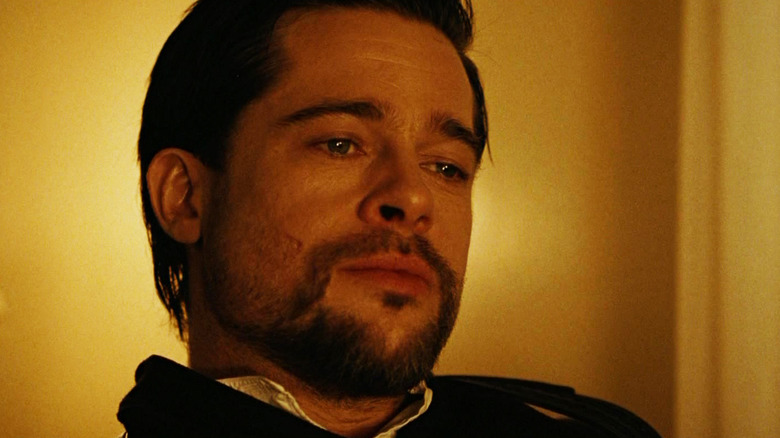
Featuring Walter Huston in his final screen performance, the film focused on the volatile relationship between a powerful rancher and his vengeful daughter, played by Barbara Stanwyck. Unlike the traditional "settling of the West" narratives, The Furies was a story of domestic betrayal, psychological trauma, and class conflict.
Official Studio Disappointment
While The Furies managed to scrape together $1.55 million at the U.S. box office—making it the 70th highest-grossing film of 1950—it was considered a massive disappointment by Paramount Pictures. In comparison, Broken Arrow, which leaned into more conventional tropes, took in over double that amount. Paramount’s failure to nurture the film’s artistic merits led to its quick exit from the public consciousness. It has taken decades for scholars and cinephiles to rehabilitate The Furies, recognizing it as a precursor to the darker, more introspective Westerns of the late 20th century.
4. Once Upon a Time in the West (1968): A European Masterpiece in a Foreign Land
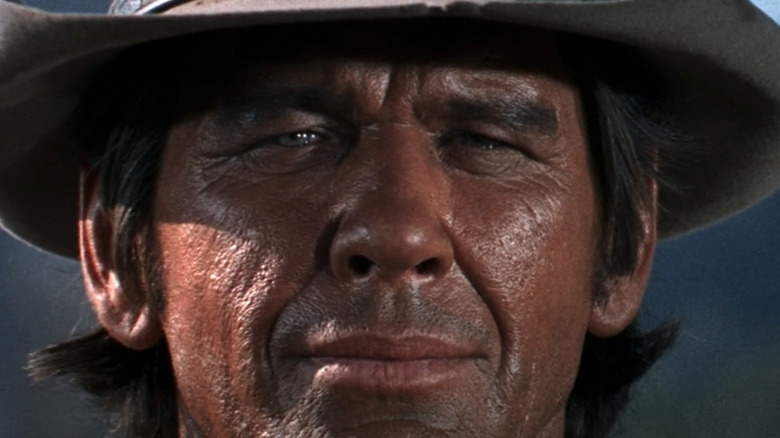
Sergio Leone, the man who redefined the genre with his "Dollars" trilogy, attempted to bring his operatic vision to the American frontier with Once Upon a Time in the West. While his earlier work had eventually found a foothold in the U.S., this 1968 masterpiece faced an uphill battle from the start.
The Distributor’s Mistake
The film’s American performance was hampered by a fatal decision from the distributor, Paramount Pictures: they cut nearly 20 minutes of footage from the U.S. release. By excising the film’s pacing and character development, they rendered a complex, meditative epic into something that felt disjointed to American audiences.
Global Disparity
The film grossed only $5.4 million Stateside, a figure that was vastly overshadowed by its immense success in European markets, particularly France. The American public, perhaps fatigued by the sheer volume of Westerns produced in the 60s, failed to grasp the film’s subtle homage to the genre’s tropes. Decades later, with the restoration of the cut footage, the film is now universally acknowledged as one of the greatest Westerns ever made, proving that the vision of an auteur often requires time to transcend local expectations.
5. The Assassination of Jesse James by the Coward Robert Ford (2007): The Revisionist Apex
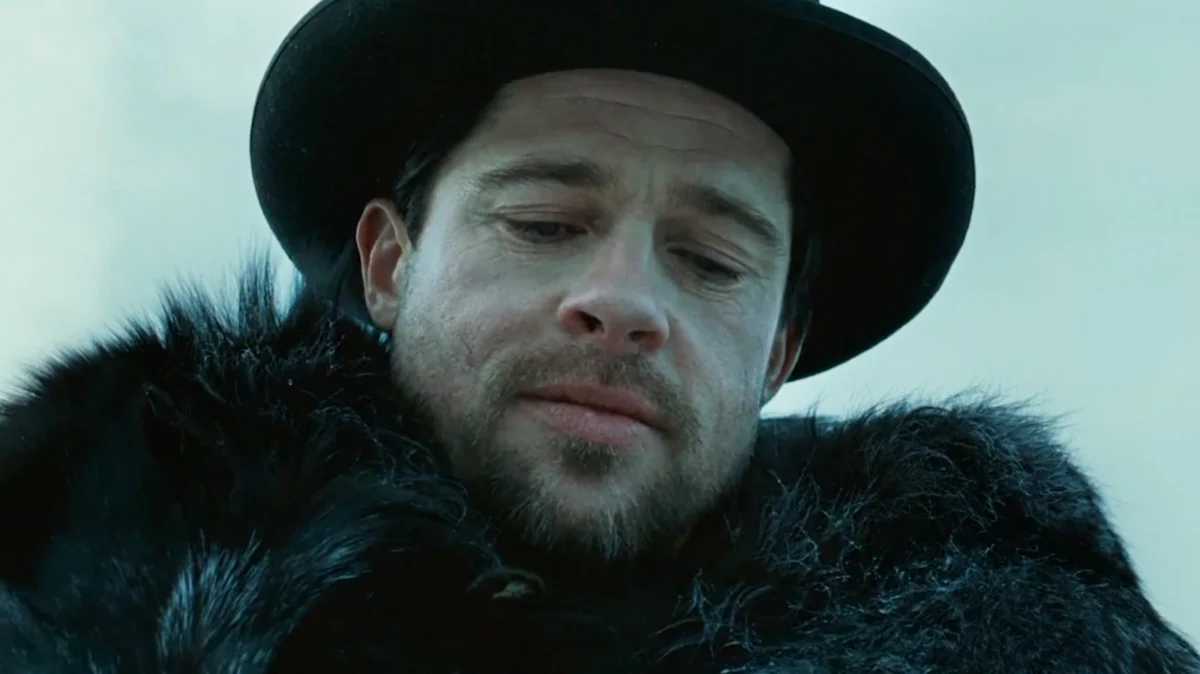
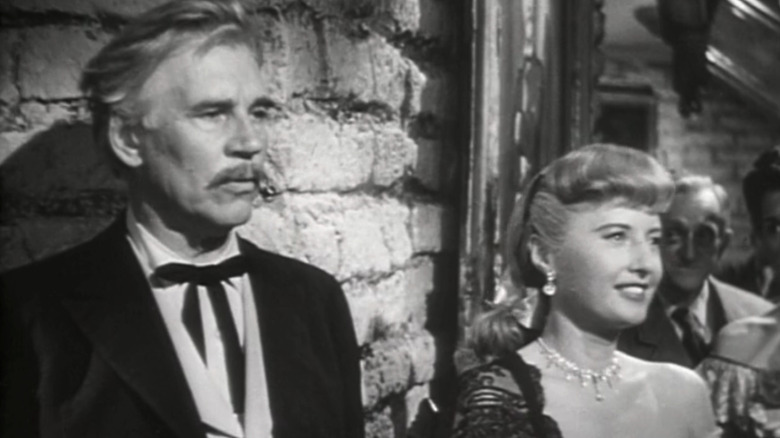
The 21st century has seen a decline in the traditional Western, but it has also seen the rise of the "revisionist" movement. Andrew Dominik’s 2007 film, The Assassination of Jesse James by the Coward Robert Ford, is perhaps the most significant Western of the modern era.
The "Dump" Strategy
Warner Bros. famously lost faith in the project when executives realized it was not the high-octane shootout film they had envisioned. In a move that signaled their lack of belief in the film’s commercial potential, they "dumped" the $30 million production into just five theaters in September 2007.
The Aftermath
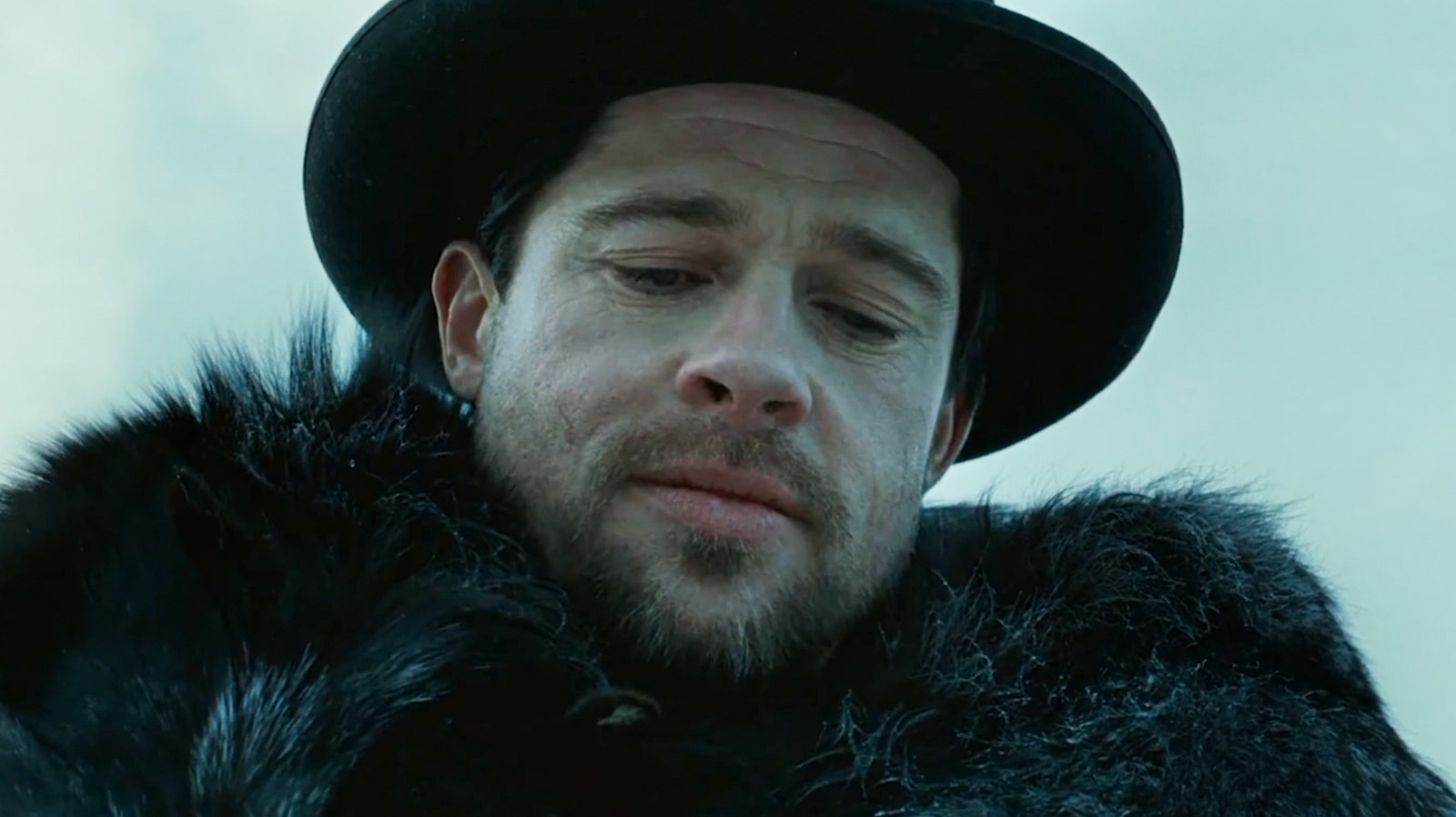
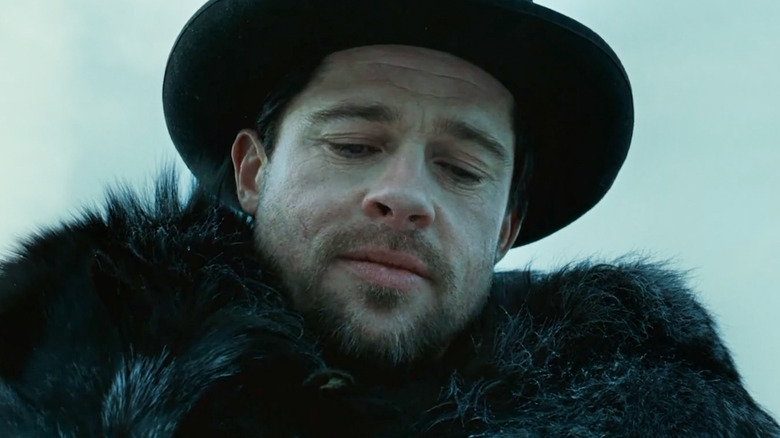
The result was a global gross of $15.3 million—a staggering failure by standard metrics. Yet, the film’s legacy has only grown. Through its elegiac cinematography and Brad Pitt’s haunting portrayal of an aging outlaw, the movie successfully deconstructed the myth of the American West. Its failure to connect at the box office is now viewed as a failure of marketing and studio shortsightedness rather than a failure of the film itself. It remains a poignant reminder that the most "genre-defining" works are often those that refuse to cater to the audience’s desire for familiar comfort.
Implications: The Legacy of the "Flop"
The history of these five films serves as a vital lesson for the film industry: box office returns are a measure of a movie’s immediate commercial appeal, not its lasting cultural value. In each of these cases, the "failure" of the film was tied to external factors—poor distribution, the absence of necessary technology, or a refusal to adhere to the rigid, safe expectations of the time.
The Western, more than perhaps any other genre, requires a sense of time and space to truly resonate. These films, once dismissed as liabilities, now stand as the bedrock of the genre. They remind us that when we look back at the history of cinema, we should not measure greatness by the balance sheet, but by the indelible mark a film leaves on the cultural imagination. History, it seems, is a much kinder critic than the opening weekend box office.
