
The Global Tech Gamble: Navigating the Complex World of Importing Smartphones to the U.S.
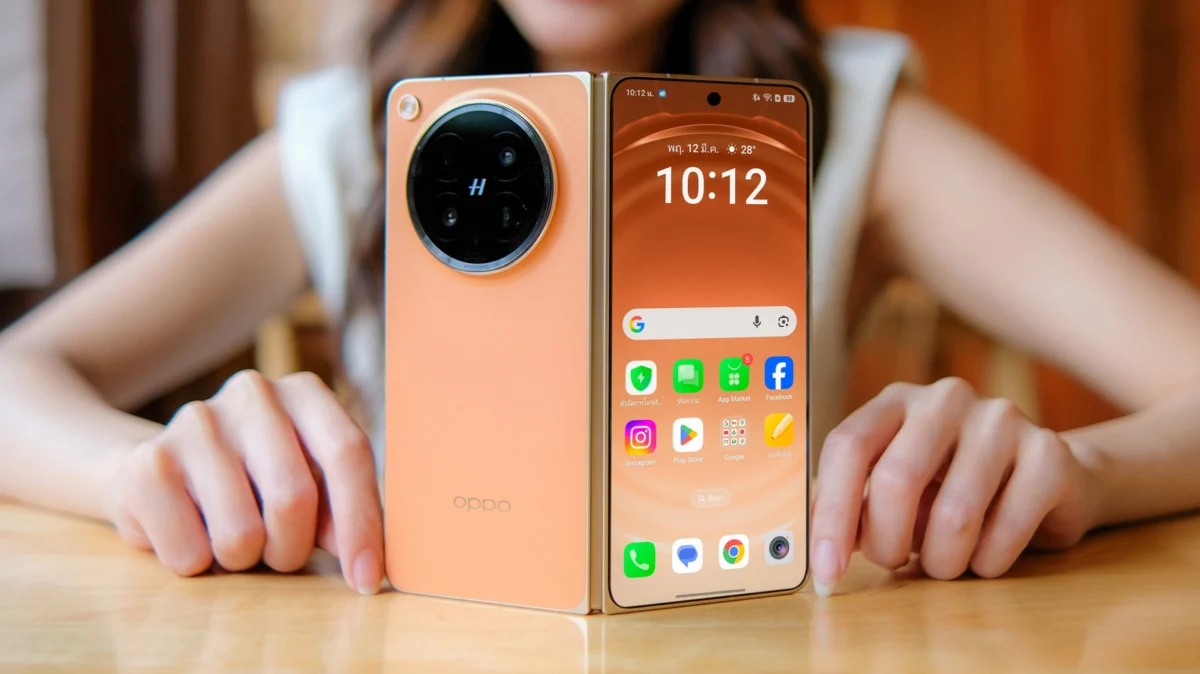
In an era where technology has become an extension of our personal identity, the "standard" smartphone experience—dominated by the duopoly of Apple and Samsung—can sometimes feel restrictive. For the mobile enthusiast, the allure of cutting-edge hardware from international markets is undeniable. From the triple-folding marvels of Huawei to the specialized, photography-focused flagships of Xiaomi, OPPO, and Vivo, the global market offers a glimpse into a future that has yet to arrive on American shores.
However, bringing these foreign devices into the United States is rarely as simple as inserting a SIM card. It is a process fraught with technical hurdles, logistical headaches, and potential long-term risks. As the gap between what is available abroad versus what is sold in the U.S. widens, consumers are increasingly asking: is the pursuit of the "next big thing" worth the gamble?
The Current Landscape: A Tale of Two Markets
The U.S. smartphone market is arguably the most controlled in the world. Dominated by carrier-led distribution, devices are frequently tailored to meet the specific requirements of domestic networks. Conversely, in regions like China, Southeast Asia, and Europe, manufacturers operate in a more fragmented, highly competitive space that prioritizes rapid iteration and niche hardware innovations.
Why Consumers Look Abroad
The primary driver for importing is hardware innovation. While U.S. consumers are often limited to variations of the slab-style phone, international brands are currently pushing the boundaries of foldable technology, battery density, and camera sensor integration. For instance, the Xiaomi Mix Fold series or the Honor Magic lineup offers form factors that remain experimental or nonexistent in the U.S. retail landscape.
Technical Realities: The "Will It Work?" Calculus
The most critical barrier to importing a smartphone is the disparity in cellular architecture. While the global industry has moved toward harmonized standards, "compatible" is a relative term.
Band Compatibility and 5G Connectivity
Before purchasing, a buyer must conduct deep research into the frequency bands utilized by their domestic carrier (such as T-Mobile, AT&T, or Verizon). Cellular networks rely on specific bands—low-band for coverage, mid-band for balance, and high-band (mmWave) for speed. An imported device designed for Asian markets may lack the specific bands required for optimal 5G reception in the U.S., resulting in a device that defaults to 4G LTE or, in worse cases, struggles to maintain a consistent signal altogether.
Carrier-Specific Features
Even if a phone successfully connects to a data network, it may fail to support essential telephony services. Features like Voice over LTE (VoLTE), Wi-Fi Calling, and Visual Voicemail are not universal. They require specific certification between the manufacturer and the carrier. Without this, a phone might be a sophisticated data terminal that fails to act as a reliable telephone.
Software Hurdles: The Google Play Dilemma
For those importing from China, the software experience is the most significant hurdle. Many handsets sold in China lack Google Play Services (GMS) by default. While "Global ROMs" can sometimes be flashed onto these devices, the process requires technical expertise. Furthermore, these devices often come pre-loaded with regional bloatware—apps and services that are not only irrelevant to a U.S. user but may also raise data privacy concerns.
The Long-Term Cost: Warranty and Repair Deserts
Perhaps the most overlooked consequence of importing a phone is the total lack of after-sales support.
The Warranty Vacuum
When you purchase a phone from an authorized U.S. retailer, you are backed by a manufacturer’s warranty and a network of repair centers. When you import a device, you are essentially on your own. If a screen cracks or a battery swells, you cannot walk into a local service center. You are limited to:
- Shipping the device back to the country of origin: A costly, time-consuming process that may involve customs hurdles.
- Third-party repair shops: These shops often lack access to genuine parts, which can compromise the device’s waterproofing or internal integrity.
Implications for the Future: A Shifting Industry
The trend of importing phones is not merely a hobby for tech enthusiasts; it reflects a growing consumer frustration with the homogenized U.S. mobile market.
The Dual-SIM Renaissance
One specific feature driving imports is the physical dual-SIM tray. While the U.S. has aggressively shifted toward eSIM technology—a move led by Apple—many international users still prefer the flexibility and hardware-level control of two physical SIM cards. For business travelers or those who frequent international borders, the import market remains the only place to find this "legacy" convenience in a premium form factor.
Regulatory and Economic Impact
Importing remains a "grey market" activity. While it is legal for personal use, it exists in a space where consumer protection laws do not reach. As domestic carriers continue to tighten their whitelists—the internal lists of devices they "allow" on their networks—the lifespan of imported phones becomes increasingly precarious. A phone that works perfectly today could theoretically be blacklisted by a carrier update tomorrow, turning an expensive flagship into a glorified Wi-Fi tablet.
Expert Analysis: Is the Risk Justified?
Industry analysts suggest that the rise of imports serves as a "canary in the coal mine" for domestic manufacturers. When consumers go to such lengths to obtain a device, it signals a failure in the local market to meet demand for innovation.
"The decision to import is a trade-off between convenience and curiosity," notes one industry observer. "If you are a power user who values camera prowess, unique industrial design, or hardware features like dual-SIM support more than you value peace of mind and warranty coverage, the import market is a playground. If your phone is your lifeline and you cannot afford a day of downtime, the import route is a risk you should avoid at all costs."

Summary of Considerations
If you are currently sitting on the "buy" button for an imported device, consider this checklist before proceeding:
- Band Verification: Use resources like WillMyPhoneWork.net to cross-reference the device’s specs with your carrier’s specific 5G and LTE bands.
- Software Verification: Confirm whether the device supports Google Play Services out of the box. Flashing software is not for the faint of heart.
- The "Support" Budget: Always factor in the cost of a potential total loss. If you cannot afford to replace the phone if it breaks, do not import it.
- Community Vetting: Spend time in forums like Reddit or XDA Developers. These communities are the only reliable source for real-world testing of foreign devices on domestic U.S. towers.
Final Thoughts
The international smartphone market is a testament to the incredible speed of global innovation. The devices available in Asia often represent the "bleeding edge" of mobile tech. However, for the average consumer, the convenience of a locally supported device—with its guaranteed network compatibility, software updates, and robust warranty—remains the gold standard.
Importing a phone is an act of defiance against the status quo. It is an adventurous endeavor for those who view technology as an evolving frontier, but it is one that requires a clear-eyed understanding of the risks involved. In the digital age, the "grass is greener on the other side," but sometimes that grass is hiding a significant technical minefield. Proceed with caution.
