
Beyond the Death Zone: Elizabeth Chai Vasarhelyi and Jimmy Chin Tackle the Ultimate Peak in Everest: The Other Side
Main Facts
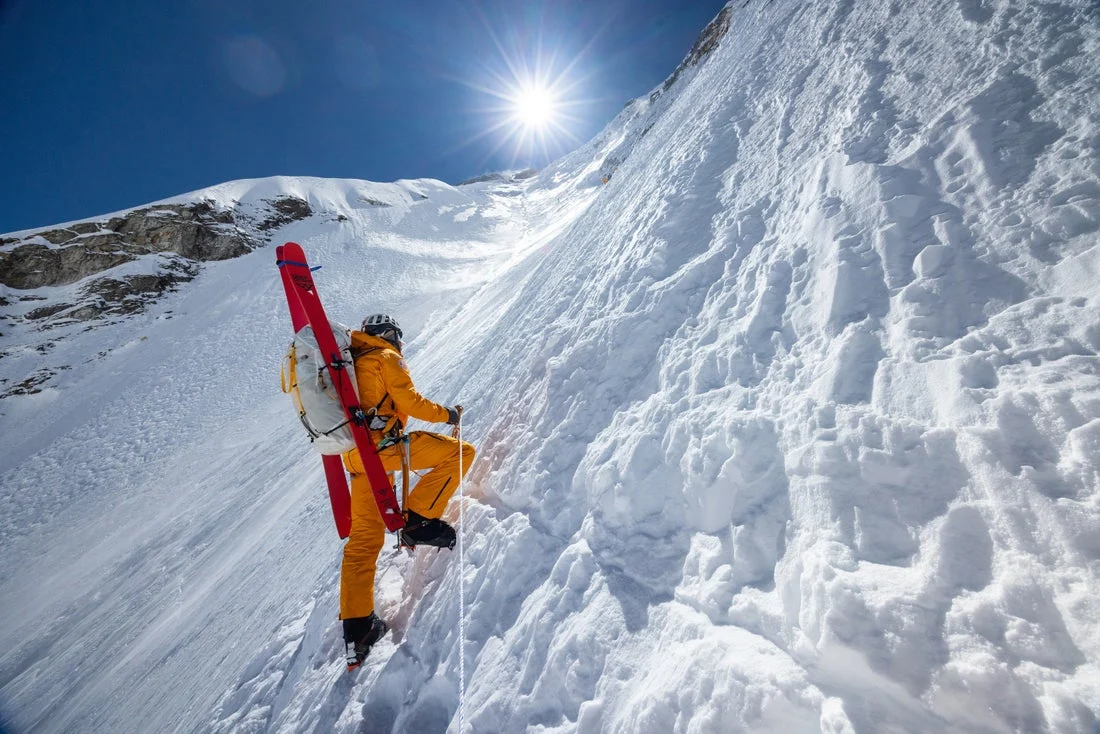
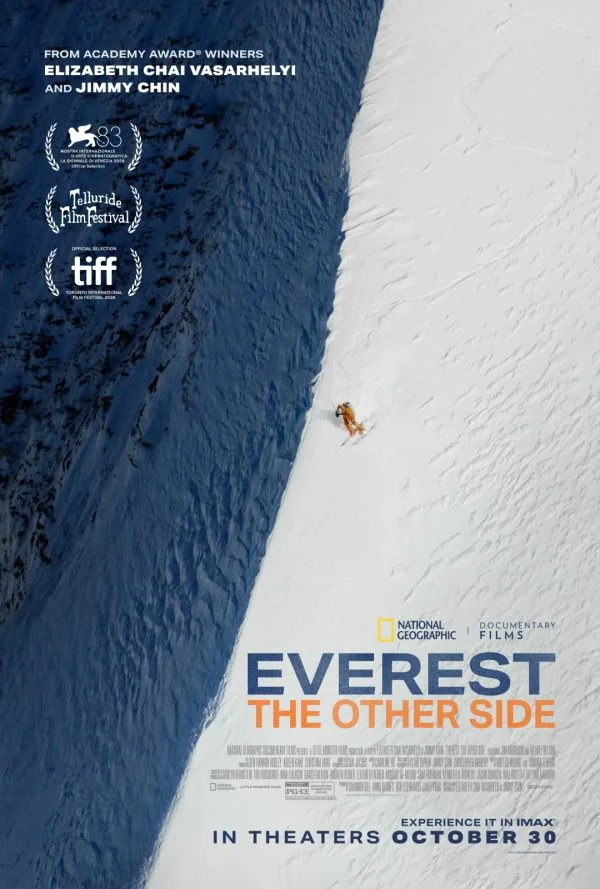
Renowned Oscar-winning documentary filmmakers Elizabeth Chai Vasarhelyi and Jimmy Chin return to the screen in 2026 with Everest: The Other Side, an intimate yet terrifying portrait of love, ambition, and the brutal calculus of extreme high-altitude mountaineering. The film follows elite ski mountaineers Jim Morrison and Hilaree Nelson—two titans of their sport whose lives and professional aspirations were deeply intertwined at the absolute pinnacle of global mountaineering: Mount Everest’s treacherous north face.
Vasarhelyi and Chin, celebrated globally for their peerless ability to capture extreme human endurance in masterworks such as the Academy Award-winning Free Solo (2018) and the gripping rescue chronicle The Rescue (2021), turn their lenses toward a fresh frontier. Everest: The Other Side tracks Morrison and Nelson as they attempt a feat that pushes the boundaries of possibility: becoming the first people to scale the notoriously perilous north face of Everest and subsequently ski back down the exact same route.
The documentary begins as a testament to shared passion and athletic audacity, but it quickly evolves into a profound, devastating exploration of grief, legacy, and resilience. Following a tragic turn of events in 2022 when Nelson passed away during one of their attempts, the narrative pivots. It transforms into an unflinching look at Jim Morrison’s solitary crusade to honor his partner, immortalize her legacy, and conquer the vertical labyrinth they had originally set out to master as a pair.
Chronology of an Obsession: From Shared Ambition to Tragic Turning Point
To understand the weight of Everest: The Other Side, one must understand the timeline of the historic undertaking and the meticulous progression of Morrison and Nelson’s partnership.
The Genesis of the North Face Dream
Long before cameras began rolling for the documentary, Jim Morrison and Hilaree Nelson had already etched their names into the annals of mountaineering history. Their professional synergy was matched only by their deep romantic connection. Together, they sought out lines on the earth’s most formidable peaks that others deemed utterly unskiable.

The focus eventually shifted to Everest’s north face—a staggering expanse of rock, ice, and biting winds situated on the Tibetan side of the mountain. While thousands of climbers and Sherpas have historically clogged the standard south col route from Nepal, the north face remains an elite, austere, and largely shunned frontier. At the time Morrison and Nelson conceived their expedition, only five successful ascents of the north face had ever been officially recorded, let alone paired with a ski descent.
The 2022 Expedition and the Paradigm Shift
The production and the climb were upended in 2022. During one of their rigorous pushes on the mountain, Hilaree Nelson tragically lost her life. For Vasarhelyi and Chin, who were embedded to capture a triumphant chapter of high-altitude history, the project instantly transformed.
What was initially intended to document a boundary-pushing athletic milestone became an unflinching document of trauma, loss, and psychological survival. The narrative chronology shifts inward, tracking Jim Morrison in the wake of unimaginable personal devastation. Refusing to let the mountain have the final word on Nelson’s spirit—and grappling with a broader backdrop of personal grief that included other lost family members—Morrison chose to return. The subsequent attempts to complete the route without Nelson form the emotional backbone of the film’s second half, pitting a grieving partner against an indifferent, hostile natural world.
Supporting Data and Context: The Brutal Mathematics of Everest
To fully appreciate the gravity of Everest: The Other Side, the film provides essential context regarding the sheer statistical and physical barriers of the mountain, particularly the north face.
- The Numbers Game: While the standard south side of Everest sees hundreds of summit bids annually aided by commercial infrastructure, the north face requires a completely different tier of self-reliance, technical climbing skill, and psychological fortitude. Prior to recent modern attempts, successful ascents of the north face could be counted on one hand.
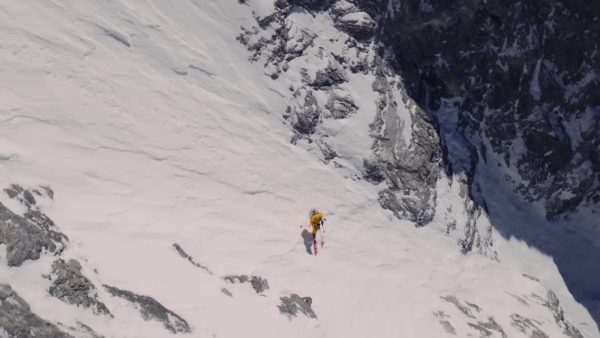
- The Ski Descent Factor: Climbing Everest is an exercise in managing hypoxia, extreme cold, and exhaustion. Adding skis to the equation introduces an exponentially higher risk profile. Descending on steep, icy, wind-scoured terrain above 8,000 meters—known universally as the "Death Zone," where human biology steadily deteriorates—leaves zero margin for error. A single caught edge or minor miscalculation means certain death.
- The Filmmaking Logistics: Capturing this level of extreme mountaineering demands cinematic equipment capable of operating in sub-zero temperatures, gale-force winds, and thin air. Chin—an elite mountaineer and photographer in his own right—alongside Vasarhelyi, deploys a crew capable of keeping pace with the world’s best athletes while managing their own survival in the Death Zone. The resulting footage features some of the most harrowing, breathtaking imagery ever captured on celluloid, including visceral documentation of high-altitude landslides and near-death descents.
Official Responses and Critical Reception
Since its rollout, Everest: The Other Side has drawn intense critical acclaim, cementing Vasarhelyi and Chin’s status as the premier documentary filmmakers chronicling human extremity. Critics have praised the film not merely as an adrenaline-fueled adventure flick, but as a deeply sensitive psychological study.
The Directors’ Vision
In interviews discussing their approach to the project, Vasarhelyi and Chin have emphasized the ethical and emotional complexities of filming athletes who operate so close to the edge. Unlike Free Solo, where Alex Honnold’s safety was a variable the filmmakers managed through distance and perspective, Everest: The Other Side deals with unpredictable objective hazards—avalanches, shifting weather patterns, and the sudden fragility of human life at high altitude.
The directors have noted that their primary responsibility shifted from recording an athletic triumph to holding space for an authentic human experience. They captured not only the physical grandeur of the Himalayas, but the raw, unvarnished grief of a community grappling with the loss of one of its brightest stars.
Critical Acclaim
Reviewers have consistently lauded the film for its stunning visual scope and its refusal to shy away from the uncomfortable realities of extreme sports. Writing for major cinematic outlets, critics have highlighted how the movie avoids the standard, triumphalist tropes of traditional sports documentaries. Instead, it offers a sobering meditation on why humans are compelled to chase high-risk dreams, even when the ultimate price is paid by those they love.
Early review aggregates and festival reactions place the film alongside the directors’ previous masterworks, earning high praise—including a stellar four-out-of-four-star rating from prominent critics like Chris Connor of Flickering Myth—for its peerless cinematography and emotional resonance.
Implications: The Future of High-Altitude Storytelling and Extreme Sports
Everest: The Other Side arrives at a fascinating cultural and athletic crossroads, carrying significant implications for how extreme sports are pursued, perceived, and documented.
Redefining the "Hero" Narrative
For decades, mountaineering documentaries have leaned heavily on tropes of conquest, nationalism, and individual triumph over nature. Vasarhelyi and Chin continue to dismantle this outdated paradigm. By focusing on the vulnerability of Jim Morrison and the enduring legacy of Hilaree Nelson, Everest: The Other Side reframes mountaineering not as a battle won against a mountain, but as an intimate, humbling dialogue with forces far greater than human will. The film asks audiences to question the ethics of extreme ambition: At what point does the pursuit of the impossible demand too much from the families and communities left behind?
The Evolution of Adventure Filmmaking
Technically and aesthetically, the documentary sets a new benchmark for what can be achieved in hostile environments. As drone technology, lightweight cinema cameras, and high-altitude logistics continue to advance, audiences have grown accustomed to immersive spectacles. However, Vasarhelyi and Chin demonstrate that visual grandeur is meaningless without emotional truth. By balancing the terrifying, jaw-dropping footage of avalanches and icy couloirs with a tender exploration of human intimacy and loss, they have elevated adventure filmmaking into high art.
Ultimately, Everest: The Other Side is far more than a chronicle of a ski descent gone awry. It is a haunting, majestic reflection on love, mortality, and the dogged human spirit. As it makes its way to audiences worldwide, it leaves an indelible mark—reminding us all of the breathtaking beauty found at the edge of the world, and the heavy price paid by those who dare to look across to the other side.
