
The Weight of a Legacy: Does ‘Avatar: Seven Havens’ Perpetuate the Unfair Vilification of Korra?

The Avatar franchise has always been defined by its cyclical nature—the rise, fall, and rebirth of the Avatar. However, the debut of the highly anticipated spin-off series, Avatar: Seven Havens, on Paramount+ this past October 9, 2026, has introduced a jarring shift in this cycle. Set 225 years after the events of The Legend of Korra, the series presents a world in decay, where the very concept of the Avatar has been reduced to a myth of destruction rather than one of balance.
While Seven Havens succeeds in building a haunting, dystopian atmosphere, it has reignited a long-standing debate within the fandom: the persistent, systemic mistreatment of Korra, both by the franchise’s internal narrative and its external production history.
The State of the World: 225 Years Later
Avatar: Seven Havens wastes no time establishing its grim premise. The world is no longer the bustling, semi-industrialized society seen in The Legend of Korra; it is a fractured landscape where humanity clings to survival in isolated "safe havens." Elemental bending has become a rarity, and the cultural memory of the Avatar has soured.
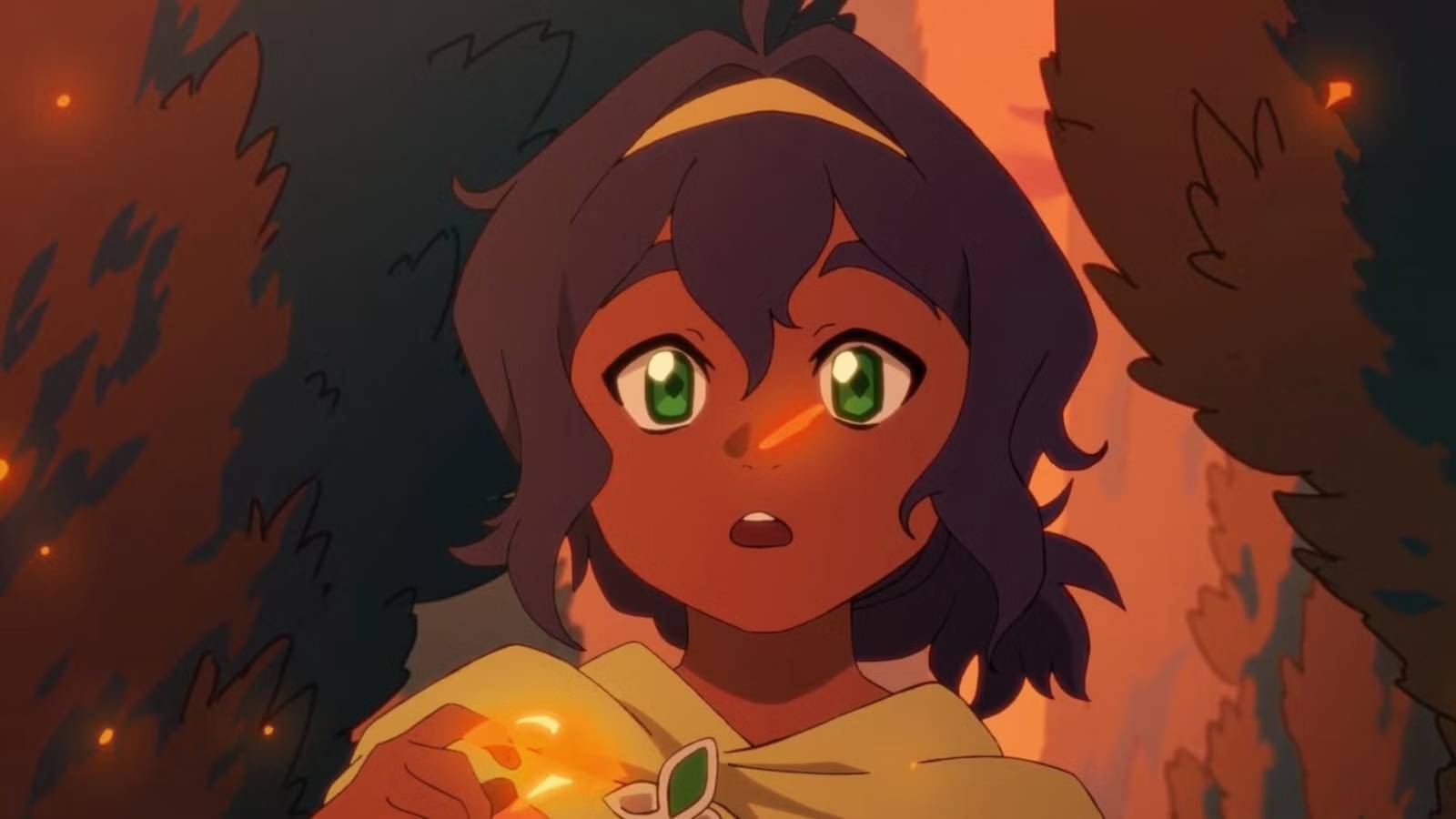
The protagonists, twin Avatars Pavi and Nisha, are forced to operate in the shadows. In this future, the Avatar is not a revered protector but a pariah—a figure associated with a catastrophic event known as "The Cataclysm." By pinning the blame for the world’s current state on the actions of previous incarnations—specifically pointing toward the era of the Southern Water Tribe Avatar—the show effectively turns the audience’s gaze toward Korra.
A History of Institutional Mismanagement
To understand why the portrayal of Korra in Seven Havens feels like a "greatest injustice," one must look at the production history of her original series. Unlike the linear, focused development of Avatar: The Last Airbender (ATLA), The Legend of Korra was marred by corporate instability.
As revealed in various post-production retrospectives and interviews, including a notable 2013 discussion on The INNERview with executive producer Yoo Jae-Myung, Nickelodeon’s relationship with the show was fraught with hesitation. The network’s reluctance to commit to a multi-season arc meant that the creators, Bryan Konietzko and Michael Dante DiMartino, were forced to develop the story on a season-by-season basis. This lack of long-term security prevented the show from enjoying the cohesive, sweeping narrative structure that made Aang’s journey so structurally sound.
This behind-the-scenes turmoil directly impacted the show’s reception. Because the plot shifted in tone and focus with each season—from the Equalist revolution to the Spirit World convergence—viewers often criticized the lack of a singular, consistent trajectory. Unfortunately, much of this criticism was unfairly displaced onto the character of Korra herself.
The Double Standard: Aang vs. Korra
The discourse surrounding the Avatar franchise has frequently highlighted a "Golden Child" complex regarding Aang, which inadvertently leaves Korra in the crosshairs of fandom scrutiny. Even 12 years after her series finale, Korra remains a polarizing figure, often dismissed for being "headstrong" or "making mistakes."
However, this criticism fails to account for the fundamentally different narratives the two leads inhabited. Aang’s trauma, while profound, was often depicted through a lens of hope and recovery. The most horrific aspects of the Fire Nation’s genocide were largely kept off-screen, protecting both the protagonist and the audience from the visceral reality of the Air Nomad extinction.
Korra, conversely, was subjected to a relentless barrage of physical and emotional trauma. From being poisoned and incapacitated to facing the psychological weight of losing her connection to her past lives—a trauma she never fully recovered from—Korra was the subject of an unforgiving, grounded narrative. She was not granted the "luck" that often defined Aang’s narrow escapes. She was beaten, broken, and forced to rebuild her identity from scratch. When she finally achieved a moment of peace with Asami, it was a hard-won victory that felt like a necessary resolution for a character who had sacrificed everything for a world that frequently rejected her.

The "Cataclysm" and the Erasure of Legacy
In Avatar: Seven Havens, this erasure of her legacy reaches its peak. By framing her as the catalyst for the modern world’s suffering, the series effectively undoes the progress of her character arc. For the casual viewer, the narrative hook is intriguing: the mystery of what happened to the Avatar’s influence. But for long-time fans, seeing a character who fought to uphold the balance of the world now remembered as a villain or a symbol of failure is a bitter pill to swallow.
The show suggests that the current inhabitants of the Seven Havens lack the full context of the past. This is a common trope in fantasy storytelling—the "unreliable history" device—but here, it feels like a continuation of the franchise’s habit of using Korra as a sacrificial lamb to drive plot tension. If the goal of Seven Havens is to eventually provide a "redemption" for the history of the Avatar, it must first acknowledge that the hatred directed at Korra is based on a fundamental misunderstanding of her role.
Official Stances and Creative Intent
While the creators, including original architects DiMartino and Konietzko, have yet to issue a formal statement regarding the specific backlash to the depiction of Korra in Seven Havens, the inclusion of Sehaj Sethi in the writing room suggests a desire to modernize the franchise’s perspective.
The production team has leaned into the "dystopian" genre, which inherently requires a fall from grace. By making the past "wrong" about the Avatar, the show may be setting up a pivot in later episodes where Pavi and Nisha discover the truth. If the franchise aims to maintain the integrity of its lore, the writers must ensure that this "misdirection" is corrected. The narrative cannot simply use the destruction of Korra’s reputation as a shorthand for "dark and gritty" storytelling; it must actively dismantle the lies that have allowed her memory to be tarnished.
Implications for the Future of the Franchise
The implications of this narrative choice are significant. If Avatar: Seven Havens continues to treat the previous Avatar as a source of failure, it risks alienating the core fanbase that grew up with The Legend of Korra.

- Recontextualizing Trauma: If the show reveals that the "Cataclysm" was an event Korra took on to save humanity from an even worse fate, it could finally cement her status as the most selfless Avatar in history.
- The Responsibility of the Creator: The franchise is at a crossroads. It can either continue to contrast new Avatars against the "failures" of the past, or it can begin to build a unified theory of the Avatar cycle that respects every iteration, regardless of the era they served in.
- Audience Retention: The vocal dissatisfaction regarding the treatment of Korra in the first three episodes indicates that modern audiences are hyper-aware of "fridging" or "character assassination" for the sake of plot momentum.
Final Thoughts: The Need for Redemption
As we look toward the remaining episodes of the first season of Avatar: Seven Havens, the burden of proof lies with the writers. They have created a compelling, dangerous world that demands to be explored, but they have also inherited the baggage of a franchise that has historically struggled to honor its most complex hero.
Korra spent her life fighting for a world that, in this new timeline, has turned its back on her. If Seven Havens is to be remembered as a worthy successor to the Avatar name, it must move beyond the current vilification. Korra deserves more than to be a cautionary tale; she deserves the same reverence afforded to Aang. Whether the series will provide that justice remains to be seen, but for now, the shadow of her mistreatment hangs over the Seven Havens as heavily as the smog of the industrial age once hung over Republic City.
The potential for a profound, legacy-defining revelation exists. It is time for the franchise to stop punishing its most resilient hero and start honoring the full, difficult, and beautiful truth of her journey.
