
Shaping the Digital Frontier: How Gen Z VFX Artists Are Redefining Hollywood’s Visual Effects Landscape
Main Facts
The visual effects (VFX) industry is experiencing a generational shift as the first wave of Generation Z artists—individuals born between 1997 and 2012—enters the workforce. Far from the widespread cultural caricatures that paint the generation as disengaged or averse to traditional work ethics, young professionals at premier studios like Industrial Light & Magic (ILM), DNEG, Digital Domain, Framestore, and Wētā FX are proving to be exceptionally adaptable, driven, and resourceful.
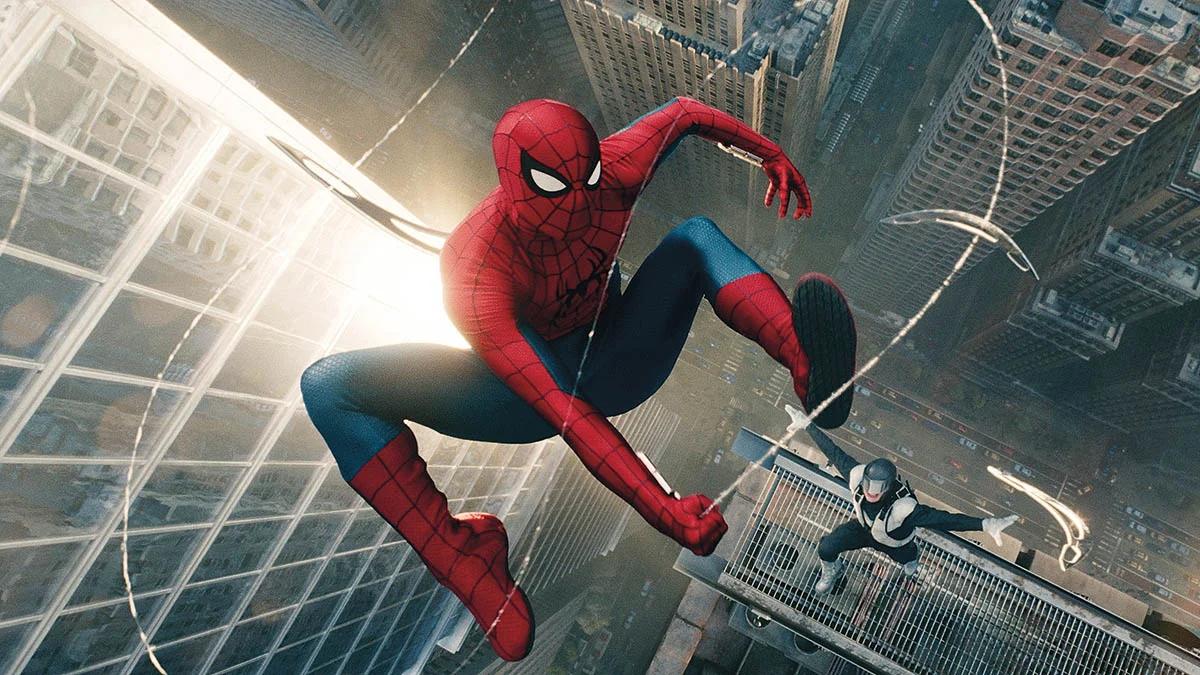
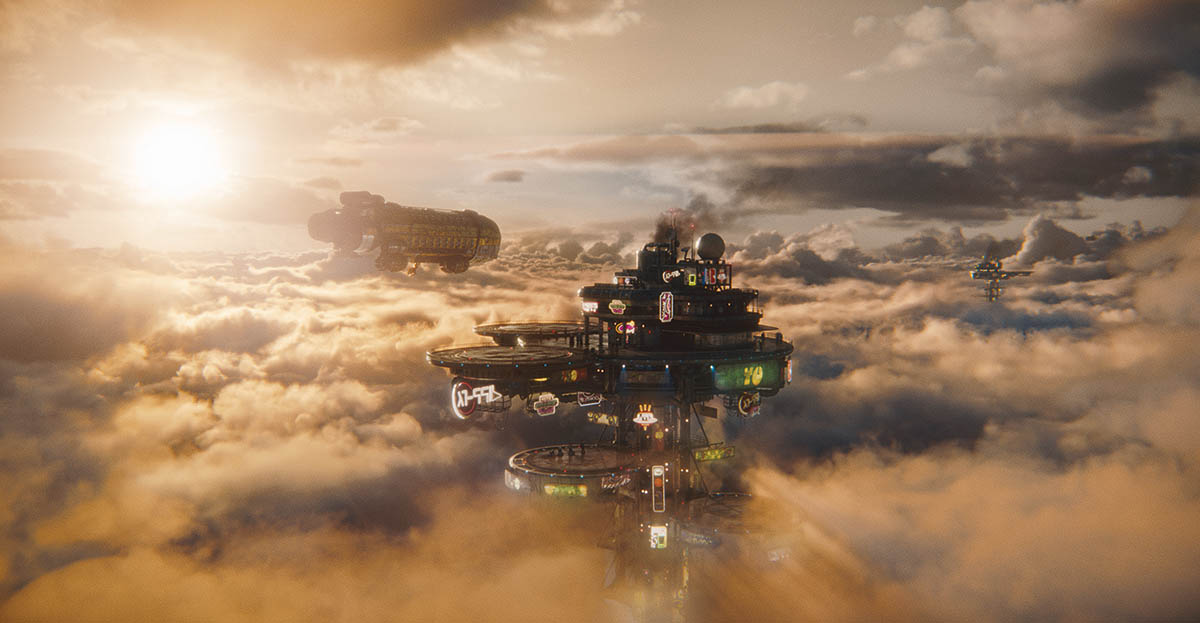
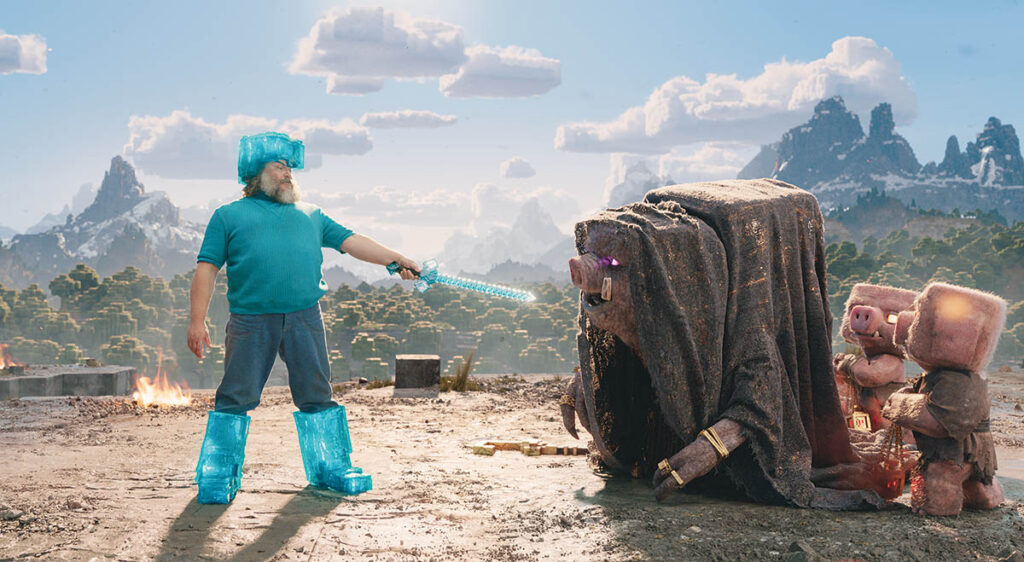
These rising artists are navigating an industry marked by post-pandemic economic recovery, shifting visa regulations, and the seismic disruption of generative artificial intelligence. Rather than dismantling traditional workflows, Gen Z practitioners are balancing a desire for personal well-being and boundaries with an intense, lifelong passion for cinematic storytelling. Their integration into major blockbuster pipelines—ranging from Supergirl and A Minecraft Movie to Spider-Man: Brand New Day—signals a pragmatic, evolving approach to modern digital artistry that merges technical problem-solving with artistic intuition.
Chronology and Industry Entry
To understand how today’s junior artists view their place in the pipeline, one must examine the timeline of their introduction to the industry. For many, a fascination with visual effects began early, sparked by cinematic milestones of the late 2000s and 2010s.
- Early Inspirations (Childhood to Adolescence): Jiwon Chun, now a texture artist at ILM, spent her youth absorbing sci-fi and fantasy films, parsing behind-the-scenes documentaries with intense curiosity. Similarly, DNEG FX artist Balthazar Bourguignon traces his career roots back to watching Final Fantasy VII: Advent Children at age 10. Max Popovych, a compositor at Digital Domain, grew up inside the industry itself, watching his father work as a compositor and experimenting with Photoshop to mimic blockbuster aesthetics.
- The Pivot to Tech and Art (Higher Education): Francesca Armstrong, a Lighting Technical Director at Wētā FX, approached the field from an unconventional angle. While studying computer science, she realized coding could bridge the gap between technical problem-solving and visual artistry.
- The Pandemic and Post-Graduation Bottlenecks (2020–2023): Entering the professional world presented unprecedented challenges. Camille Garlaschi, a previs artist at Framestore, graduated a year after COVID-19 and Brexit. As a French citizen attempting to move to London, she faced a stagnant job market, stringent visa laws, and a scarcity of junior positions. It took a full year of persistence before she secured a role, only to witness subsequent industry strikes displace many of her peers.
Supporting Data and Real-World Experiences
The transition from academic life to high-pressure studio environments has tested the resilience of Gen Z artists. However, their lived experiences paint a nuanced picture of modern studio culture, characterized by both systemic hurdles and progressive internal shifts.
Navigating Studio Culture and Diversity
Entering Hollywood pipelines came with preconceived anxieties for many young professionals. Armstrong admits she worried about walking into a culture of chronic burnout or facing professional marginalization as a young woman in a historically male-dominated sector. Fortunately, she found that advocacy and proactive communication yielded a supportive environment.
At ILM, Chun notes that formal mentorship programs specifically tailored for women employees have fostered an inclusive atmosphere. "I can tell that we value diversity," she remarks, viewing it as a vital institutional anchor amid shifting global political climates.
The Reality of Industry Instability
Unlike older generations who may have entered during periods of predictable studio output, Gen Z has faced continuous turbulence. Léa Desrozier, an environment generalist at DNEG, notes that schools rarely prepare students for the rapid, unpredictable nature of studio contracts.
- "Things change, productions shift, and you have to roll with it," Desrozier explains.
- Popovych echoes this sentiment, emphasizing that short-term contracts mean long-term stability cannot be taken for granted. Instead, consistency is derived from personal adaptability and accountability.
Redefining Work-Life Balance
While instability might deter some, young artists are remarkably firm on preserving personal boundaries. Garlaschi maintains a strict separation between her professional hours and personal life, pursuing outside hobbies on evenings and weekends to avoid burnout.
Simultaneously, these artists recognize the dual nature of remote work. While working from home offers comfort and deep-focus opportunities during rush periods, artists like Bourguignon and Tivoli Mu (environment artist at Digital Domain) stress that in-person office environments remain unmatched for organic mentorship, quick feedback loops, and social bonding. Mu notes that observing senior artists solve problems in real-time is an invaluable asset that juniors should actively seek out.
Official Responses and Perspectives on Generative AI
No topic evokes stronger discourse across the entertainment landscape than artificial intelligence. While the Writers Guild of America has heavily denounced generative AI, and the Academy Awards have introduced strict regulations regarding its use, Gen Z VFX artists hold a pragmatic, highly critical, yet forward-looking perspective on the technology.
Traditional Tools vs. Generative Mimicry
Young artists draw a sharp line between automated efficiency tools and generative AI designed to mimic human creativity.
- Max Popovych (Digital Domain): Views AI as a workflow enhancer, particularly useful in early look development and rapid iteration. However, he maintains that foundational skills—such as an eye for light, integration, and composition—will always dictate the final output. "I see AI as something that will reshape workflows rather than replace artists."
- Francesca Armstrong (Wētā FX): Takes a firmer, morally grounded stance. While acknowledging that AI can streamline tasks, she expresses deep reservations about the long-term cultural impact. "The idea of replacing the human touch in cinema with prompt-generated iterations is pretty depressing to me—as an artist and a viewer."
- Jiwon Chun (ILM): Points out that advanced facilities like ILM have spent decades integrating artist-driven machine learning tools to handle repetitive technical chores. Technologies like StageCraft virtual production and proprietary ML tools are designed to elevate speed and quality without displacing human creative agency.
- Tivoli Mu & Balthazar Bourguignon: Both view AI as an eventual sorting mechanism. Useful technologies will organically integrate into pipelines, while superficial trends will fade, leaving the core demand for human technical craftsmanship untouched.
Implications for the Future of VFX
As this generation cements its footprint in major studio pipelines, the broader implications for Hollywood are profound. The stereotype of the lazy or entitled young worker dissolves entirely upon examining their daily resourcefulness.
Driven by economic realities and digital ubiquity, Gen Z artists have cultivated a culture of self-teaching. Chun notes that financial constraints led her to master software like Adobe Substance Painter via free online tutorials on Discord and YouTube rather than relying solely on expensive institutional training. Popovych suggests that growing up surrounded by digital screens and visual media has given his generation an early, instinctive grasp of visual fidelity and realism, which translates directly into professional intentionality.
Ultimately, the friction between older traditions and modern expectations is smoothing out. Rather than upending the industry, Gen Z artists are adapting to its chaotic rhythms, retaining their passion, and redefining what it means to be a modern visual effects professional. As Mu reflects, the ultimate success of a blockbuster is a collective effort:
"Being part of an exciting film can be a dream and a passion, but the final result also depends on every team member dedicating effort to every single shot. Every person’s contribution is genuinely important."
