Bringing the Past to the Suburbs: How Industrial Light & Magic Crafted the VFX for Warner Bros.’ The End of Oak Street
October 27, 2026
By Trevor Hogg
Main Facts
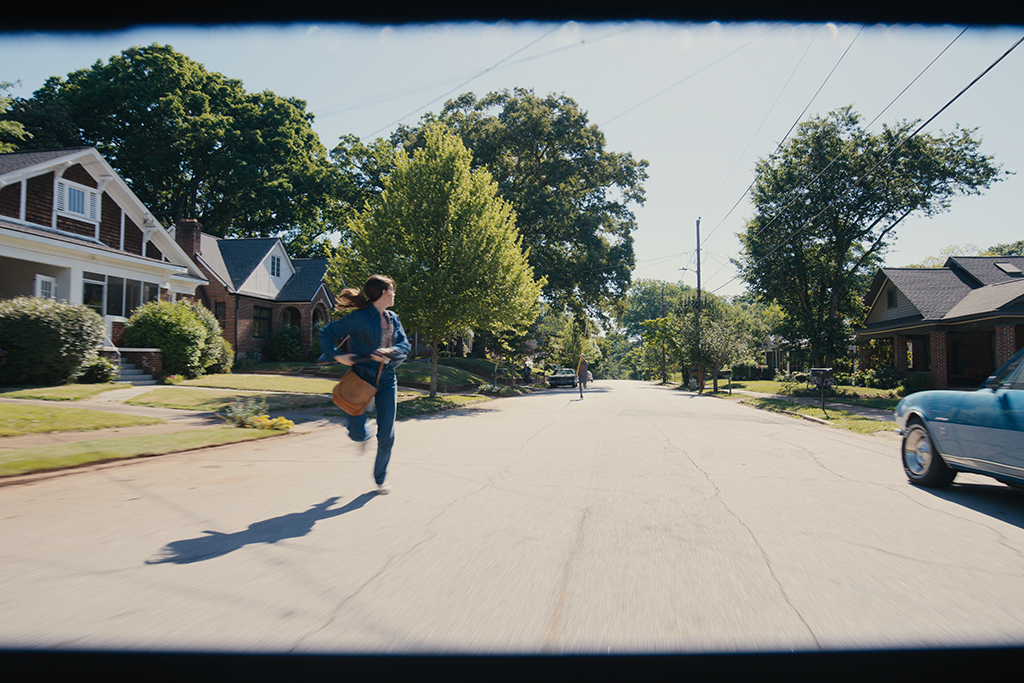
In WarnerBros. Pictures’ sci-fi thriller The End of Oak Street, filmmaker David Robert Mitchell discards tired cinematic tropes. Instead of resurrecting prehistoric beasts through ancient DNA trapped in amber, Mitchell opts for a mind-bending cosmic anomaly. A mysterious spatial event plunges an ordinary, peaceful suburban neighborhood directly into a harsh, primordial world.
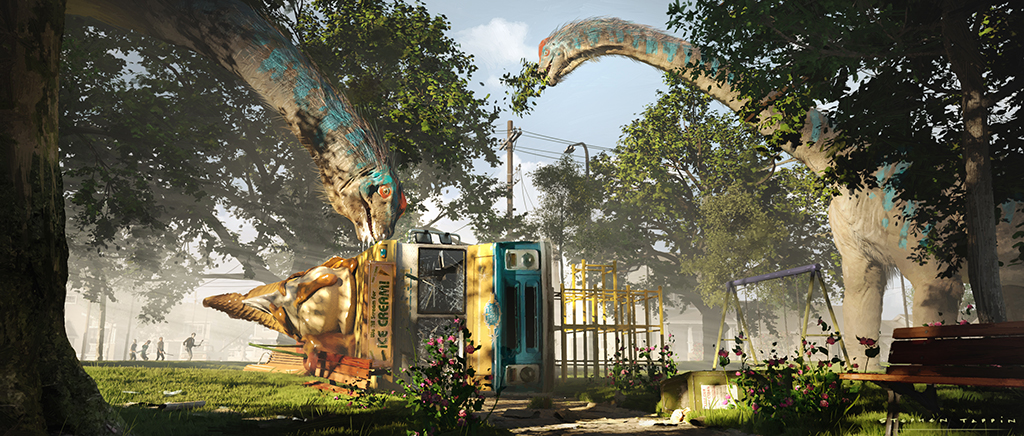
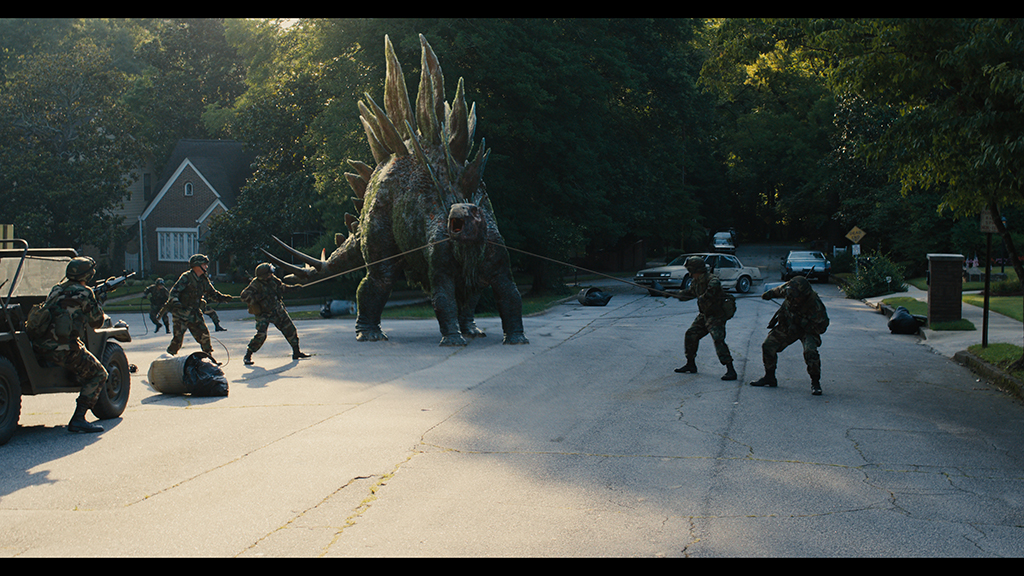
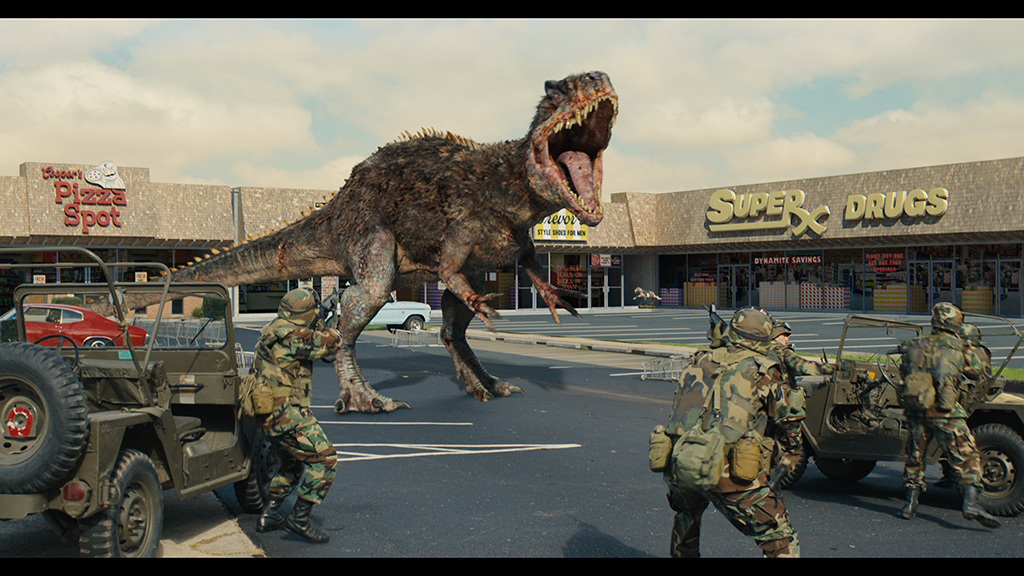
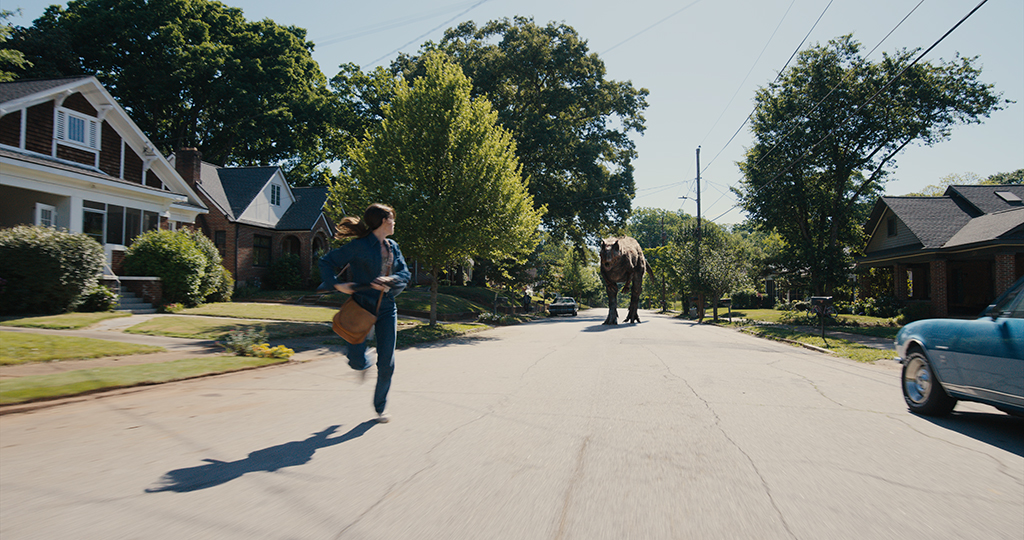
Spearheaded by Production Visual Effects Supervisor Jay Cooper alongside IndustrialLight & Magic (ILM), the film relies heavily on cutting-edge visual effects to bridge the gap between suburban realism and primeval terror. Starring Ewan McGregor as Gregg Platt and Anne Hathaway, the movie steers clear of the Spielbergian awe and majesty associated with franchises like Jurassic Park. Instead, it presents an aggressive, muddy, and deeply claustrophobic nightmare where dinosaurs act as intrusive, terrifying predators rummaging through domestic trash cans and tearing down front porches.
The visual design and execution of The End of Oak Street followed a meticulous developmental timeline:
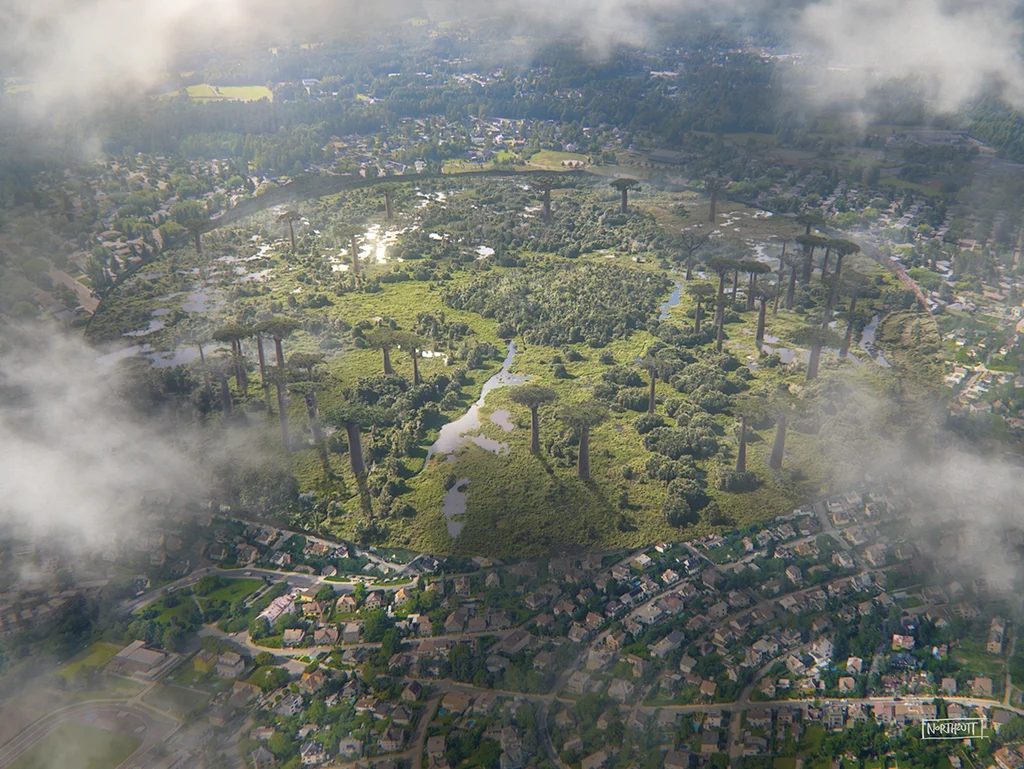
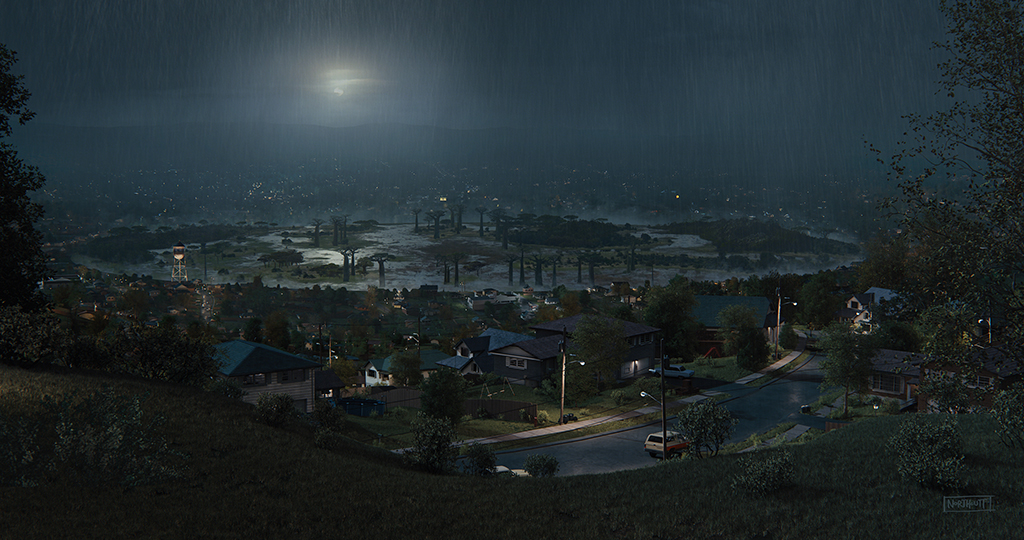
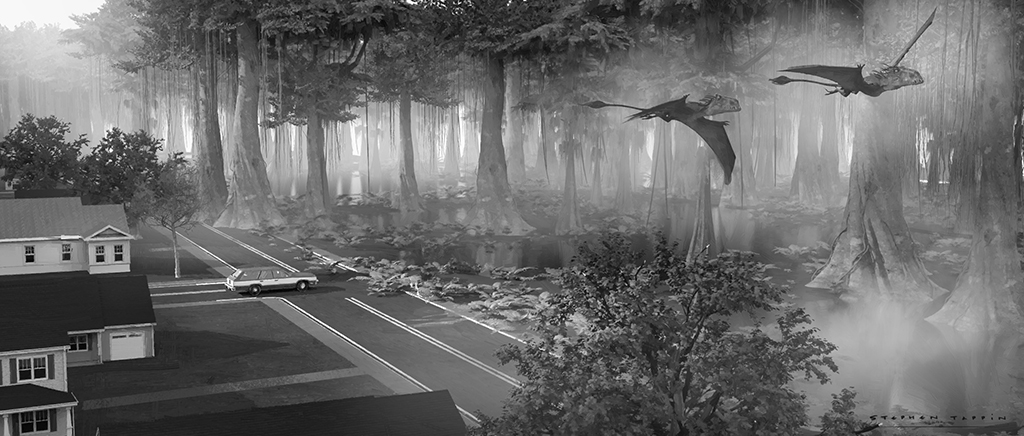
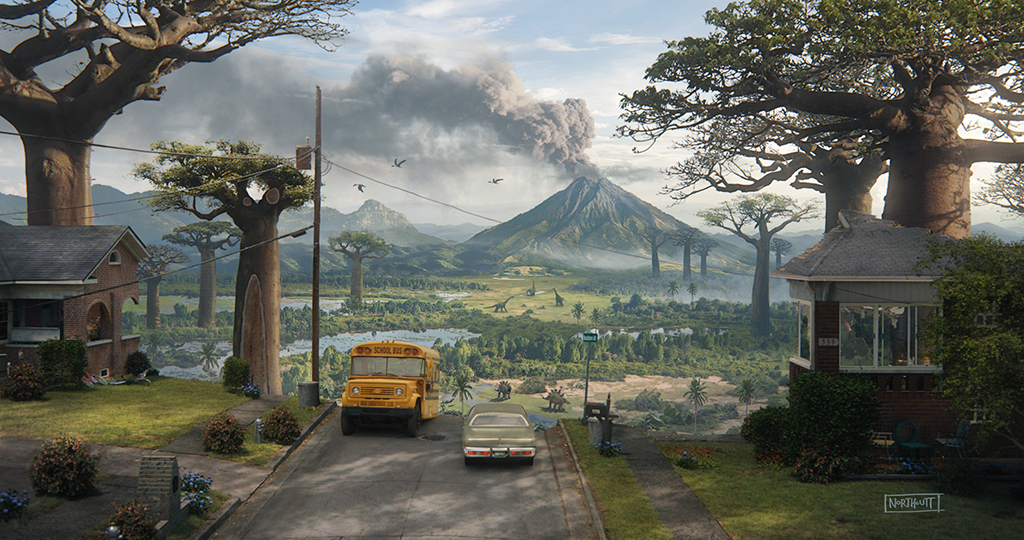
Pre-Production and Concept Phase: Early discussions between director David Robert Mitchell and producer J.J. Abrams established Poltergeist as a tonal touchstone. ILM concept artists David Ratajczak and Kouji Tajima began drafting the physical geography of Flowervale, Michigan, determining how modern suburban streets would abruptly merge with deep bodies of water, sheer 200-foot cliff faces, and prehistoric jungles.
Virtual Previs Utilizing ILM Helios: To help Mitchell stage complex shots, ILM deployed Helios—its proprietary real-time renderer and engine. This allowed the director to interactively combine motion-capture dinosaurs, traditional Unreal Engine assets, and Gaussian splats for virtual scouting and blocking.
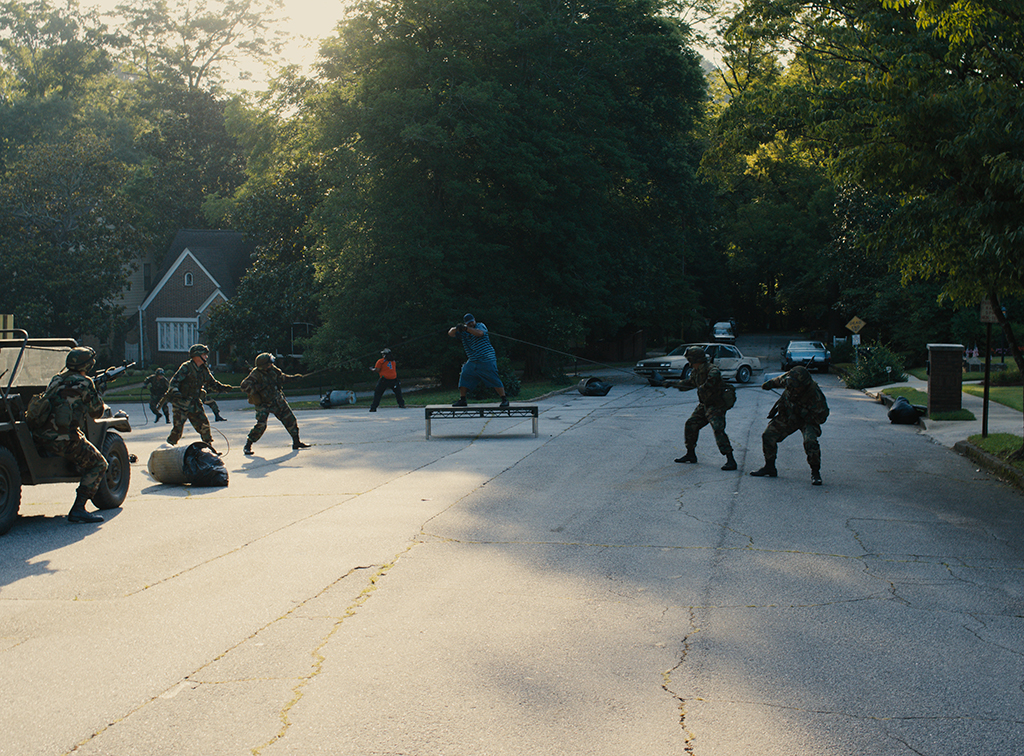
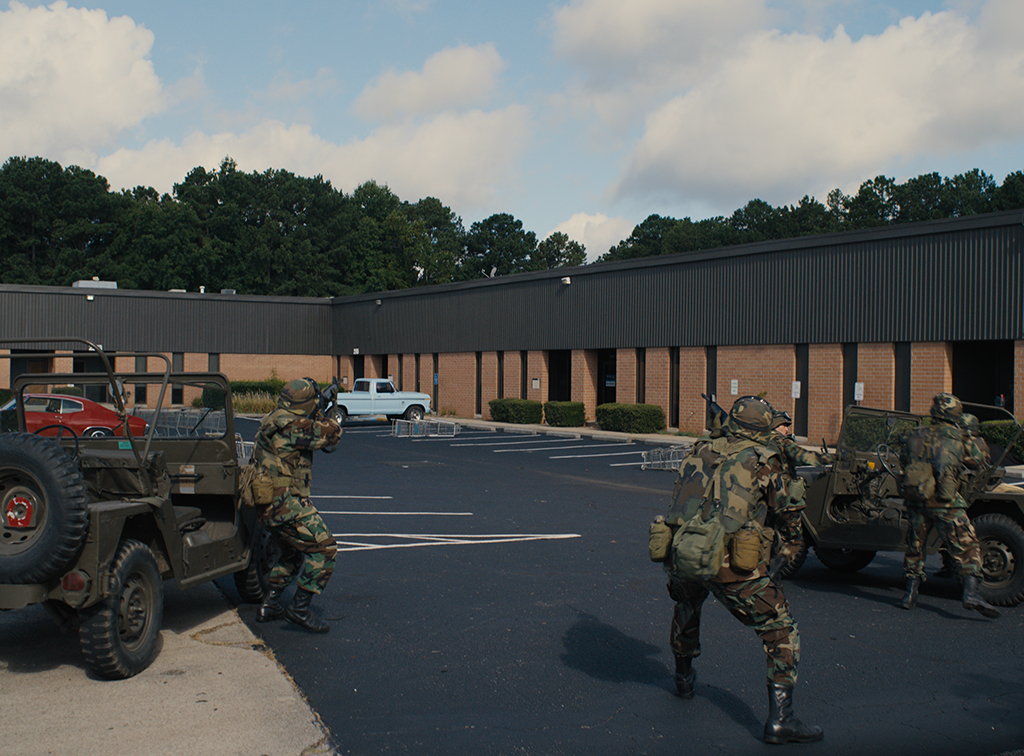
Principal Photography (Atlanta, Georgia): Shooting primarily took place in targeted Atlanta neighborhoods selected for their architectural alignment with Mitchell’s vision. Practical sets—such as the house designed by Production Designer Maya Shimoguchi where a car is violently thrown through a wall—were constructed alongside real homes.
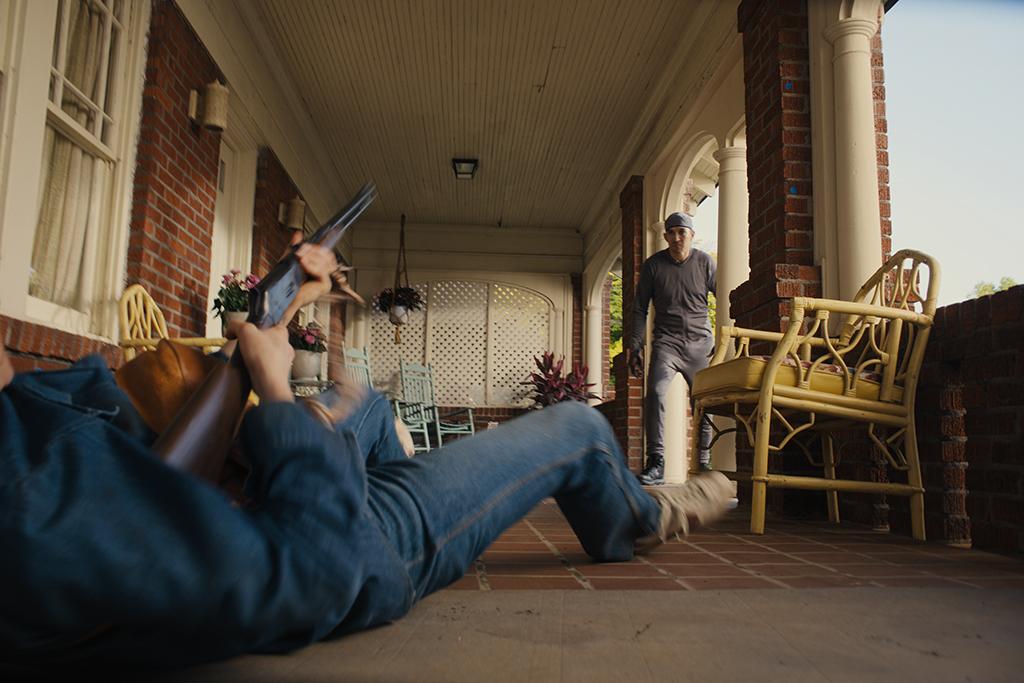
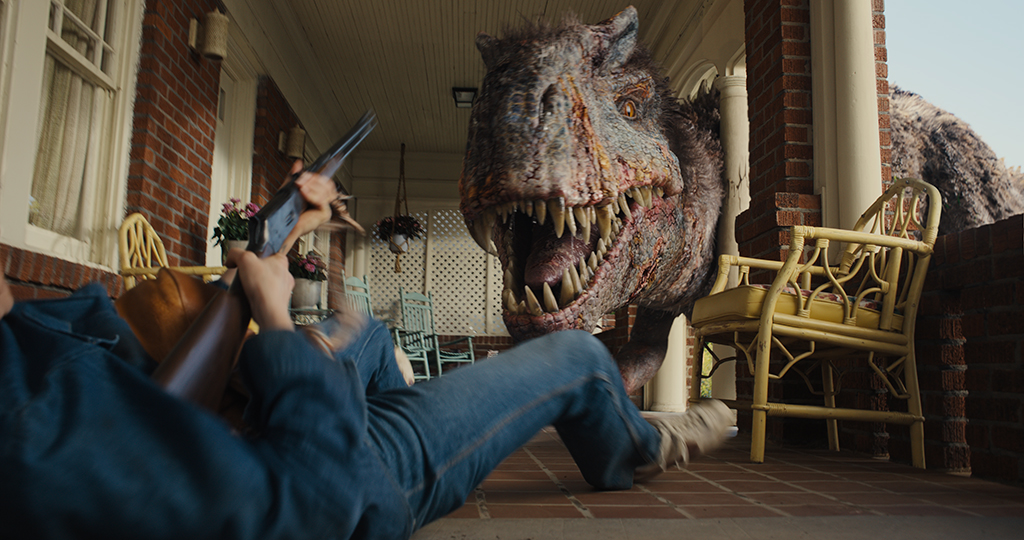
On-Set Interaction & Stunt Coordination: To secure authentic performances, stunt teams utilized physical stand-ins. Actors interacted with Coelophysis heads on poles, helmeted stunt performers portraying smaller predatory dinosaurs, and complex wire rigs for dynamic sequences like Ewan McGregor being manhandled by an Allosaurus.
Post-Production & Delivery: ILM spearheaded approximately 700 visual effects shots, with supplementary work handled by Lola VFX. Artists focused heavily on grounding the fantasy through tactile environments, dirt, wounded creatures, and a distinct lack of clean digital sheen.
Supporting Data & Technical Production Insights
BringingThe End of Oak Street to life required a massive technical overhaul, forcing artists to balance historical paleontology with fast-paced cinematic storytelling.
Rethinking Paleontology for Cinema
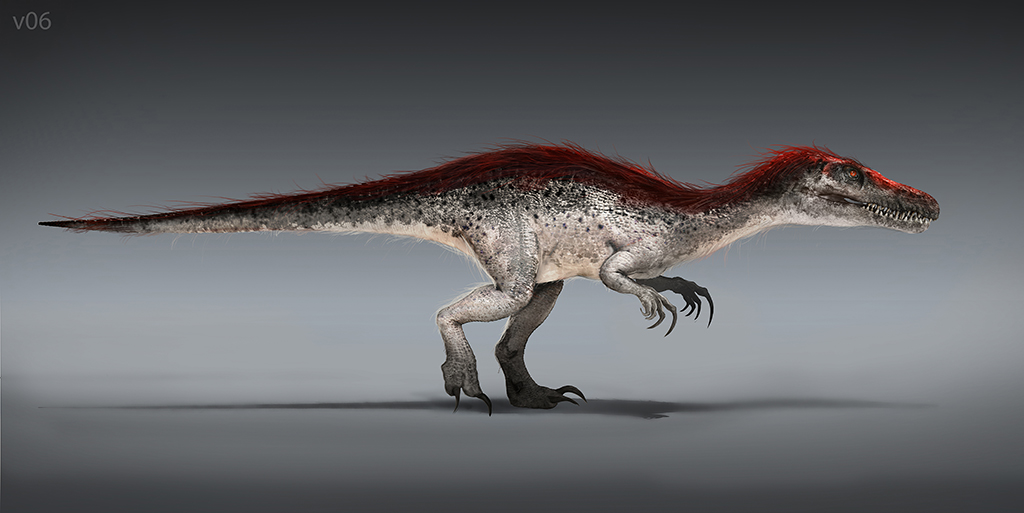
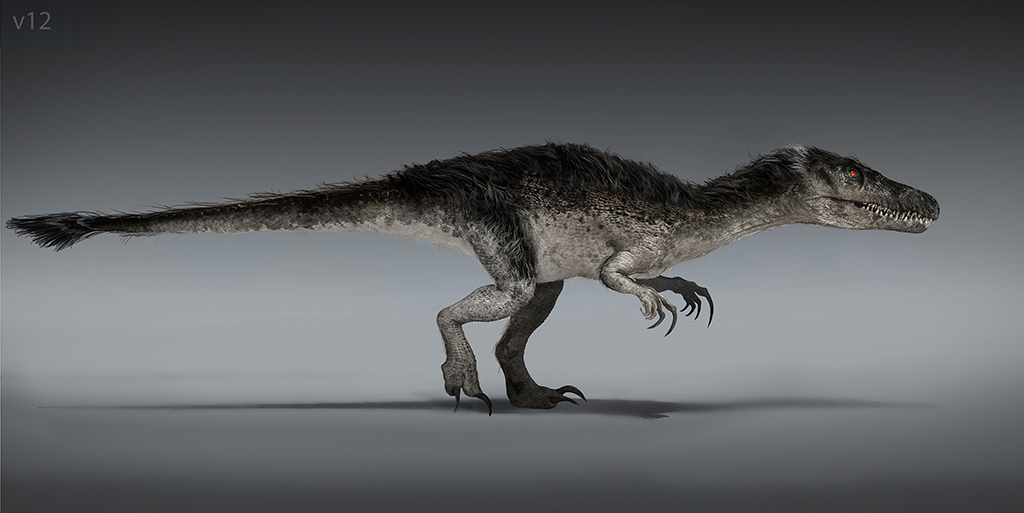
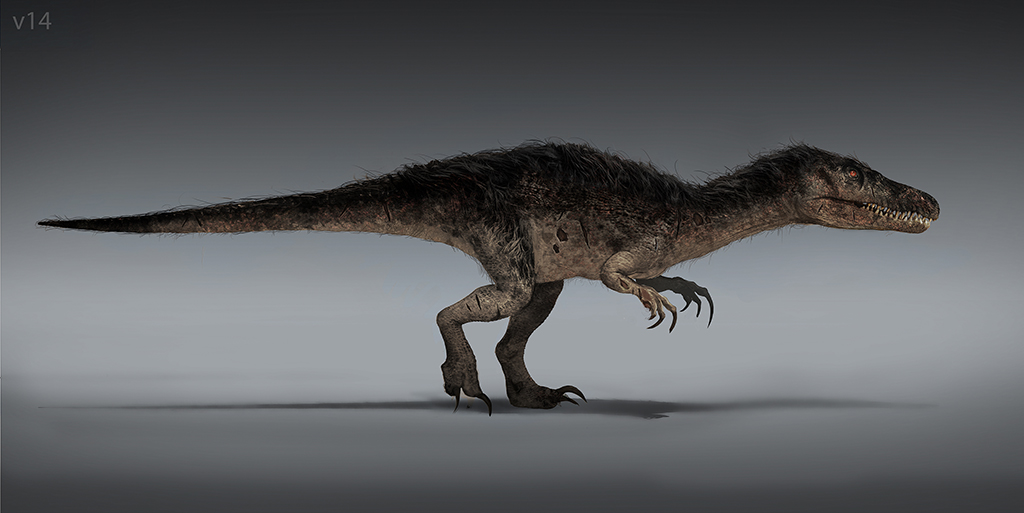
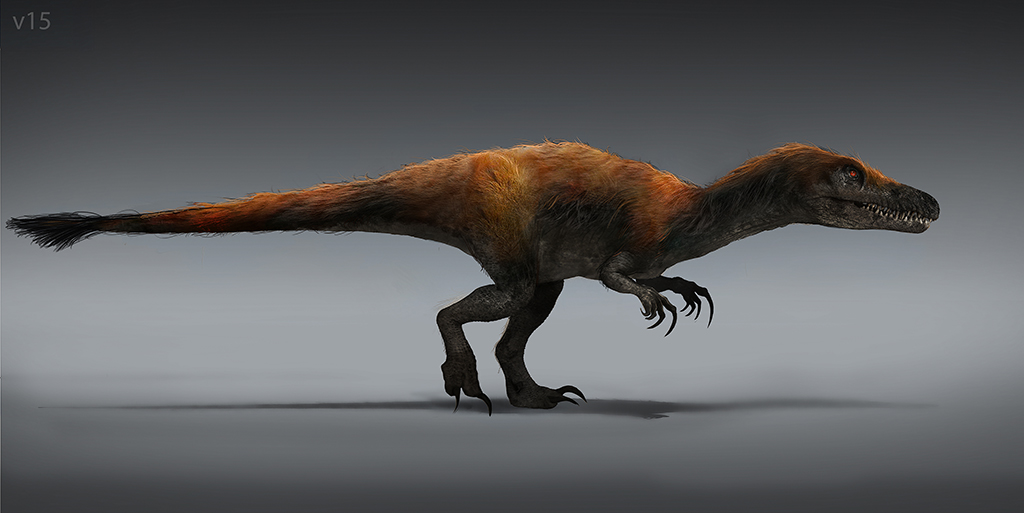
The film features an expansive menagerie of prehistoric species, including the Allosaurus, Coelophysis, Stegosaurus, Camarasaurus, Pterosaur, Ornithosuchus, and Ornithocheirus. Under the guidance of Animation Supervisor Kevin Martel, the team heavily leaned into modern paleontological research linking dinosaurs to modern avian ancestry.
"We wanted some aspects of emus, ostriches, and chickens," Jay Cooper explains, highlighting a moment where a Coelophysis gives Ewan McGregor’s character an unnerving avian side-eye. While paleontologists might flinch at creative liberties—such as feather placements tailored for drama rather than absolute historical accuracy—storytelling consistently trumped strict scientific rigor.
Building the Spatial Puzzle
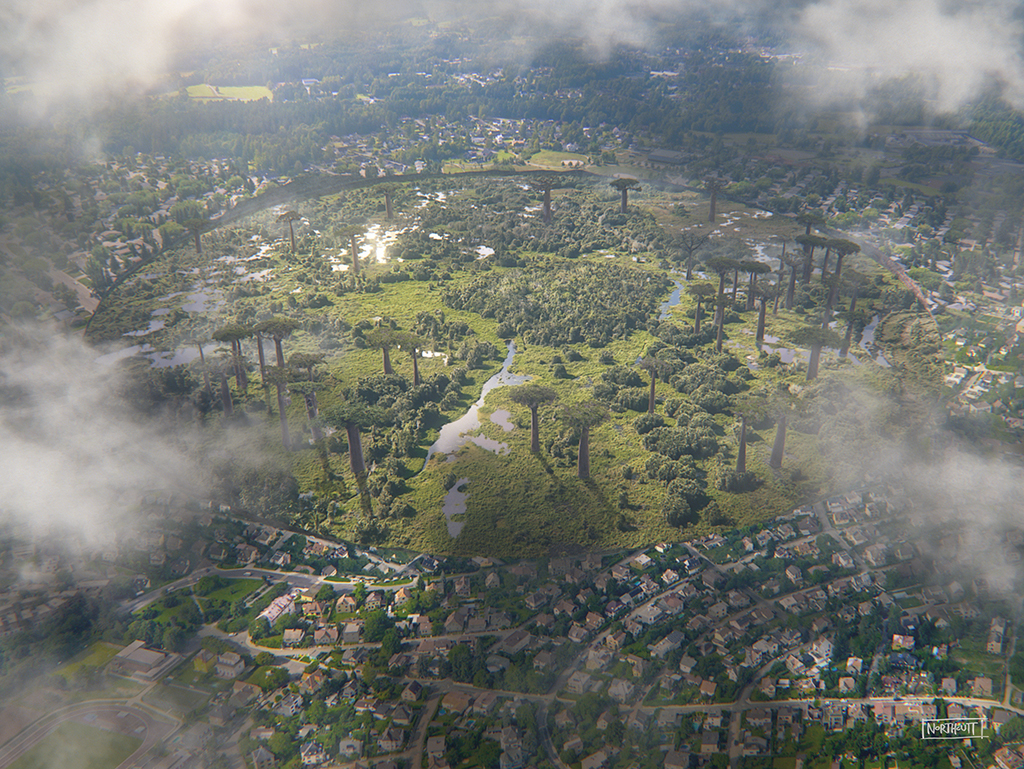
One of the production’s most demanding hurdles was establishing the geography of Flowervale, Michigan. Because the production shot in scattered pockets of Atlanta, digital recreation was mandatory for any shot involving hills, valleys, or neighborhood boundaries.
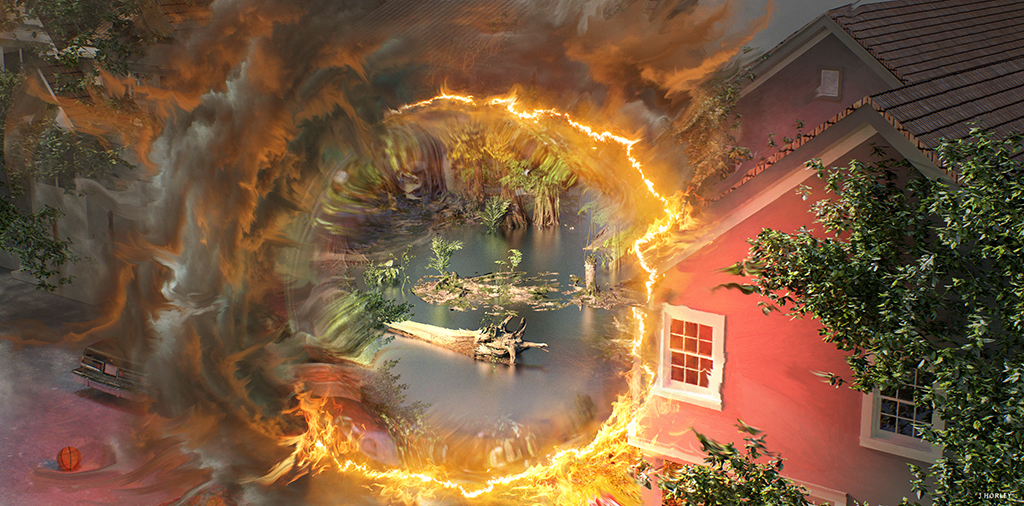
Furthermore, because there is no real-world precedent for how a cosmic portal would "slice" a neighborhood cake-style into a sheer cliff, ILM artists had to invent entirely new visual grammar. "There were many times when we took liberties, adding water here or increasing the size of a cliff edge there just so it reads when the audience sees it for two seconds," Cooper notes.
Practical and Digital Synergy
The film thrives on hybrid filmmaking. Special Effects Supervisor J.D. Schwalm collaborated closely with the art department to build practical destruction zones. When massive creatures smash through fences or flip ice cream trucks, the carnage is frequently a blend of physical set-dressing, practical debris, and digital extensions.
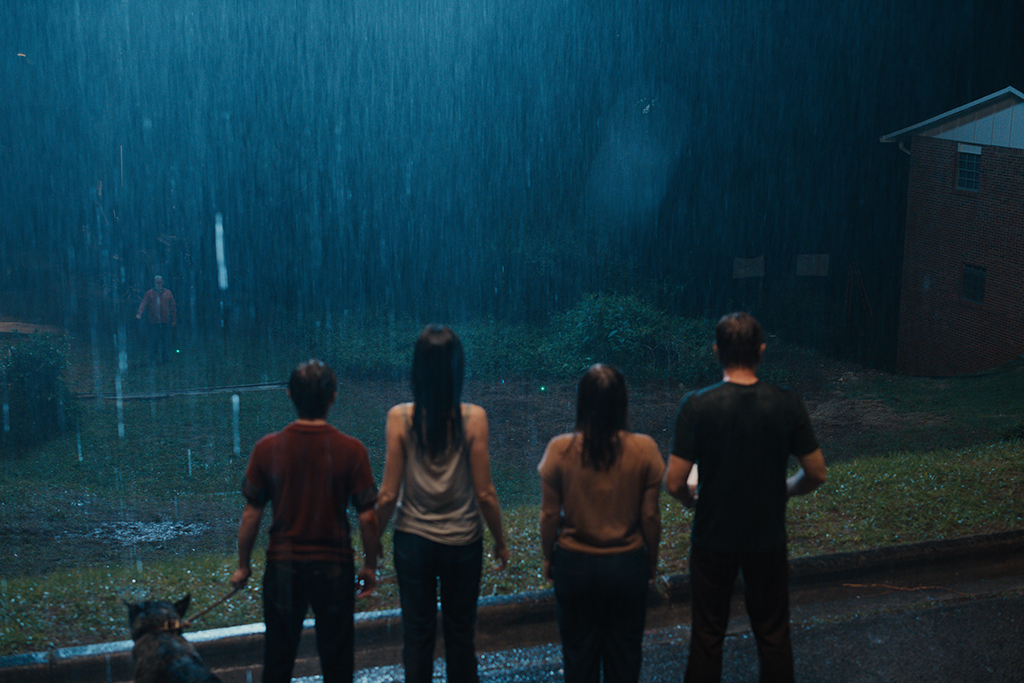
To heighten the eerie, claustrophobic atmosphere, ILM relied on tactile visual choices. Rather than ethereal cloud portals common in modern blockbusters, the spatial tears were designed with undulating, mist-spewing water bubbles that feel dense and menacing.
Official Responses and Creative Perspectives
The creative team behind The End of Oak Street was united in their desire to subvert audience expectations. Speaking on the unique angle of the film’s creature design, Jay Cooper expressed his enthusiasm for breaking away from traditional monster tropes:
"I don’t think I’ve ever done a 1980s pastiche type of thing. And we haven’t been given as much rein to do creature design before. Those are two elements I found to be exciting and enticing about this project. The ability to look at what others had done for dinosaurs, do some fun research, introduce fantastical elements and make them grosser, muddier, dirtier and wounded."
Cooper also emphasized the deliberate choice to abandon John Williams-esque orchestral grandeur in favor of pure, unrelenting tension:
"Unlike the Jurassic movies, this is not a movie that has that awe and majesty idea. They’re usually always threatening and creepy. We don’t have the John Williams score where you go, ‘Look at the grandeur of this dinosaur.’ From the get-go, they’re digging through the trash and chasing Ewan and the townspeople."
Reflecting on the unique geographic challenges of the production, Cooper added:
"Anytime you’re seeing houses on a hill or looking down from houses into the valley, those are digital recreations. That is one level of difficulty… There is no wide shot that sells the geography of this movie. It’s an important storytelling point because you need to know that if you go down this street, you hit water. If you go this way, there is a big cliff edge. One of the hard parts is you take all of these ideas, and then you have to find out how it all fits together."
Implications for the Industry
The End of Oak Street signals an evolving shift in how mid-budget studio thrillers approach blockbuster-level effects. Operating on a financial scale significantly leaner than traditional dinosaur franchises, the production demonstrates how filmmakers can maximize impact through constraints.
By prioritizing intimate character framing, intense sound design, and claustrophobic spaces over endless wide-angle CGI spectacles, Mitchell and ILM prove that suspense often outweighs sheer scale. Furthermore, the extensive integration of ILM’s real-time Helios rendering engine during pre-production points toward an efficient future for spatial scene-staging and virtual scouting in Hollywood.
Ultimately, The End of Oak Street proves that when prehistoric predators crash a suburban cul-de-sac, audiences respond not just to the fidelity of the digital beasts, but to the visceral, grounded terror of the ordinary world being violently undone.