
Setting the Record Straight: Ben Affleck and Matt Damon Address the “Netflix Plot-Recap” Controversy
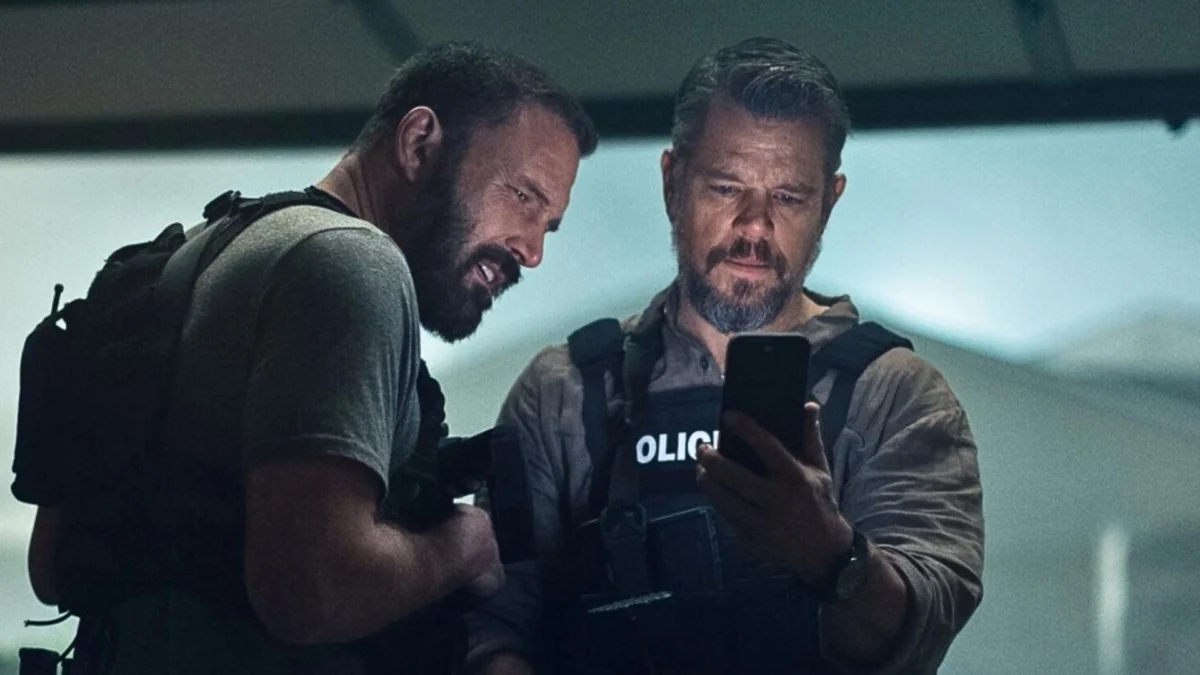
In the evolving landscape of digital media, the relationship between streaming giants and A-list filmmakers is often subject to intense public scrutiny. In early 2026, a comment made by Matt Damon during an appearance on Joe Rogan’s podcast sparked a firestorm of speculation regarding Netflix’s creative directives. The narrative—that the streamer was allegedly pressuring filmmakers to "reiterate the plot" to accommodate viewers distracted by mobile devices—became a flashpoint for debates about the "second-screen" viewing phenomenon.
However, as the dust settles, Ben Affleck, Damon’s long-time collaborator and creative partner, has stepped forward to clarify the intent behind those comments. In an exclusive interview with MovieWeb, Affleck dismissed the controversy as a product of internet "clickbait," affirming that the creative freedom afforded by Netflix remains intact.
The Genesis of the Controversy
The confusion began in January 2026, when Matt Damon, while discussing the production process of the thriller The Rip, shared an anecdote about the industry’s current state. Damon suggested that in an era where audiences frequently consume content while simultaneously scrolling through social media or checking emails, there is a perceived pressure to ensure the narrative is "dummy-proofed."
"We want people to stay tuned in," Damon remarked during the podcast. "And it wouldn’t be terrible if you reiterated the plot three or four times in the dialogue because people are on their phones while they’re watching."
While Damon’s comments were framed as a reflection on the broader challenges of modern viewership, they were quickly interpreted by media outlets and film critics as a direct critique of Netflix’s internal mandates. The quote gained immediate traction, resonating with a public already skeptical of how technology influences art. For many, it felt like confirmation of a "Mandela effect"—a widespread belief that modern cinema has become more repetitive and less subtle because of our dwindling attention spans.
Chronology of a Misunderstanding
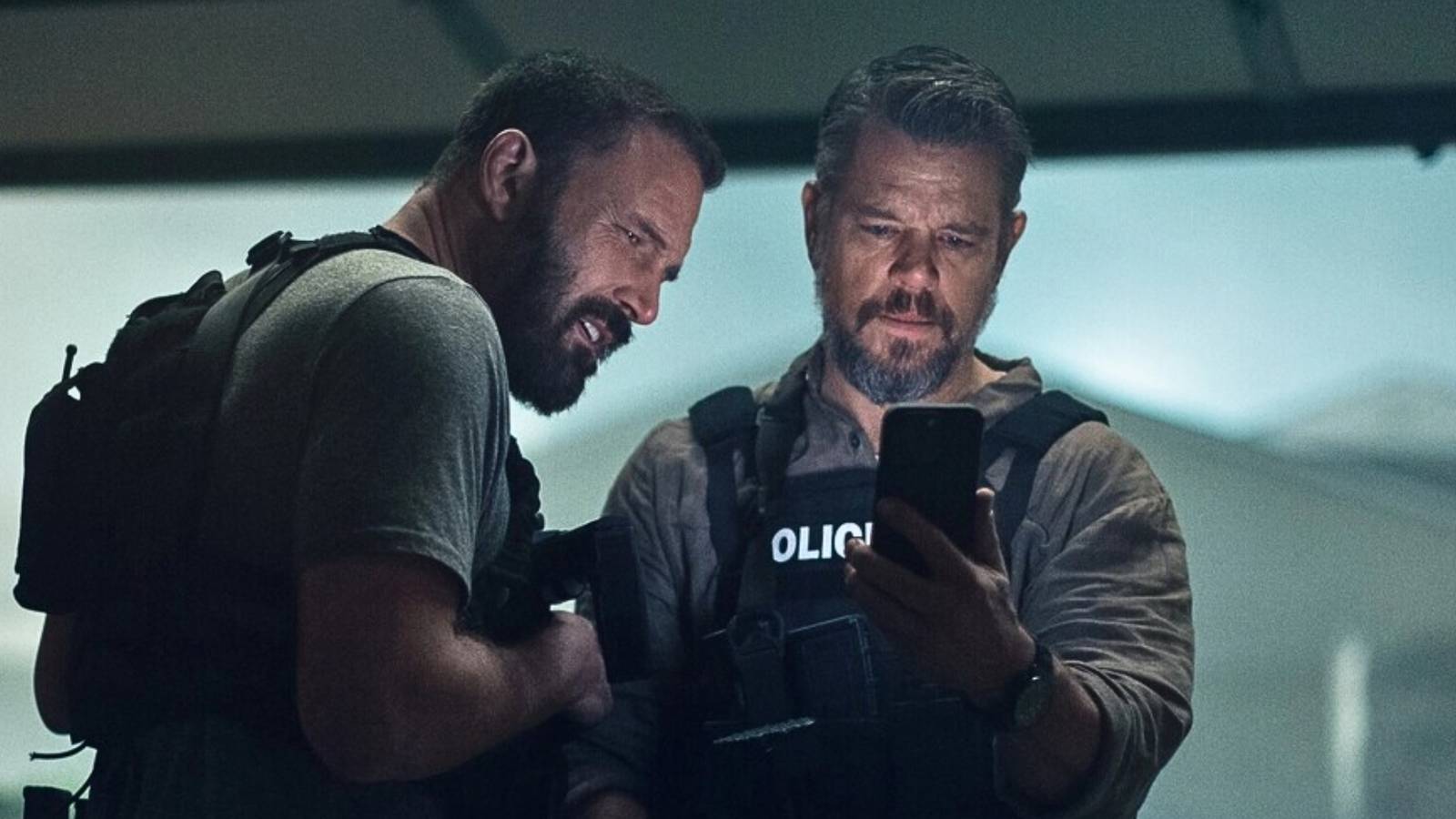
To understand the weight of these claims, one must look at the timeline of the partnership between the Damon-Affleck duo and the streaming giant.
- January 2026: Matt Damon appears on The Joe Rogan Experience. During a wide-ranging conversation, he discusses the challenges of keeping an audience engaged in the streaming age, inadvertently igniting the "plot-recap" rumor.
- February 2026: The narrative gains momentum. A comedic skit at the Academy Awards mocks the idea of "over-explaining" plots, cementing the trope in pop culture.
- March–May 2026: Netflix officially denies that any such directive exists, noting that their platform thrives on diverse, complex storytelling that contradicts the "recap" theory.
- October 2026: Ben Affleck addresses the issue directly with MovieWeb, providing context for the original conversation and distancing himself and Damon from the sensationalized headlines.
Debunking the Narrative: Affleck’s Clarification
Ben Affleck, whose professional relationship with Netflix has flourished through projects like The Rip and the upcoming film Animals, sought to put the matter to rest once and for all. According to Affleck, the original conversation between him and Damon was a philosophical discussion about industry perceptions, not an indictment of their specific production partners.
"What we were saying, because we had just finished two movies with them, was: I said there is a perception that people think, ‘Oh, you’ve got to do this,’" Affleck explained. "And I said, ‘But look at Baby Reindeer, look at Adolescence, look at these movies like this.’ And Matt was like, ‘You don’t need to.’"
Affleck emphasized that the quote was taken out of context to generate engagement. He pointed out that it would be highly illogical for two of Hollywood’s most prominent filmmakers to publicly criticize the very entity that is financing their creative output.
"It got positioned to be something that was the opposite of what we were saying," Affleck added. "It’s clickbait. It’s the nature of the beast in the current media cycle, where a nuanced conversation is stripped of its context to serve a more provocative headline."
Supporting Data: The Case for Creative Freedom
The assertion that Netflix forces narrative repetition is further challenged by the studio’s actual catalog. The success of complex, non-linear, or subtle storytelling on the platform—such as Baby Reindeer—serves as a rebuttal to the idea that streamers require a "dumbed-down" approach.
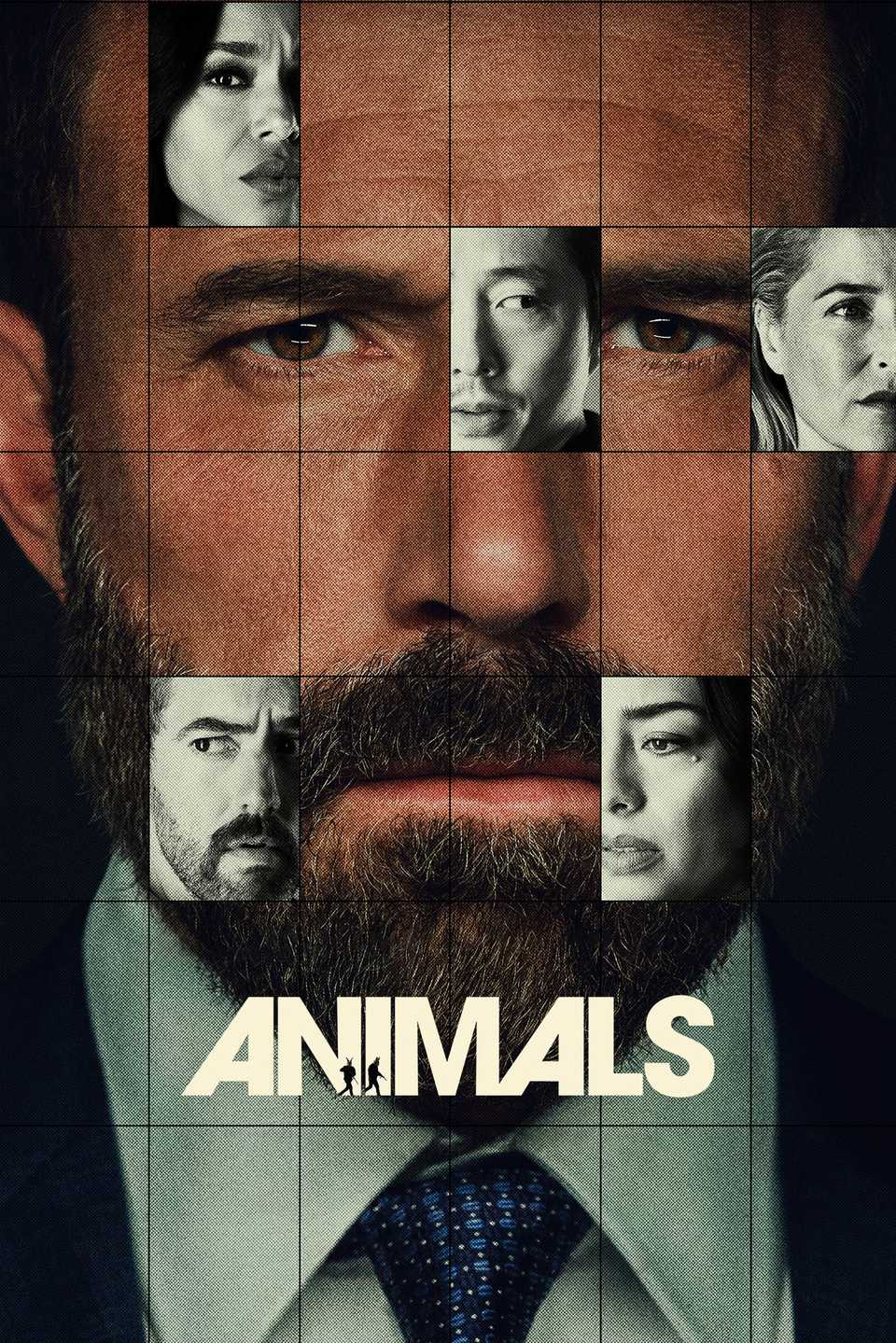
Furthermore, the team behind the upcoming project Animals (releasing October 9, 2026) has offered nothing but praise for their collaboration with Netflix. Kerry Washington, who stars alongside Affleck, spoke glowingly about the support they received during production.
"They were so supportive," Washington told MovieWeb. "I love that Netflix gives creative freedom to people that they respect."
This level of creative autonomy is a crucial factor in why top-tier talent continues to gravitate toward streaming services. The ability to execute a vision without interference is the primary currency for creators, and according to those working in the trenches, Netflix has consistently delivered on that promise.
Legal and Industry Implications
While the "plot-recap" controversy was largely a media-driven narrative, it coincided with other tensions regarding Netflix’s business model. For instance, the film The Rip became embroiled in a separate legal battle involving real-life Miami police officers who alleged defamation.

These instances highlight the precarious nature of modern production. When a film is based on real-world events or touches upon sensitive public perceptions, it becomes a magnet for scrutiny. The combination of the "plot-recap" rumor and the legal pushback against The Rip created a "perfect storm" for critics of the streaming giant. However, as Affleck noted, these events are largely independent. The lawsuit from the Miami police is a legal matter concerning the film’s depiction of reality, while the "plot-recap" discourse was a misunderstanding of a casual industry observation.
The Future of "Second-Screen" Viewing
The core issue—that modern audiences are distracted—remains a valid topic of concern for the entertainment industry. Whether viewers are on their phones or multitasking, the challenge for filmmakers is to create content that is compelling enough to demand full attention.
However, the industry is increasingly realizing that the solution is not to "reiterate the plot," but to create deeper, more immersive experiences that naturally pull the viewer in. As Affleck and Damon have demonstrated through their work, the most effective way to compete for an audience’s attention is through high-quality writing and performances, not through technical gimmicks or repetitive dialogue.
Conclusion: Lessons in Media Literacy
The story of the "Netflix Plot-Recap" controversy serves as a valuable case study in modern media literacy. It illustrates how a casual, off-the-cuff remark during a three-hour podcast can be transformed into a pervasive industry "truth" through the mechanisms of social media and headline-driven journalism.
Ben Affleck’s intervention provides a much-needed correction. By framing the original comments as a discussion about industry myths rather than corporate mandates, he has successfully shifted the conversation back to the reality of film production. Netflix, for its part, continues to function as a major patron of the arts, supporting filmmakers who are interested in pushing boundaries rather than repeating them.

As we look toward the release of Animals and beyond, the focus will undoubtedly shift back to the quality of the storytelling. For Affleck, Damon, and their colleagues, the priority remains the same: creating cinema that resonates with audiences, regardless of how many screens they happen to be looking at. The "second-screen" era may be here to stay, but the art of storytelling remains as potent as ever—provided we choose to pay attention.
