
Beyond the Rabbit Hole: How Coyote vs. Acme Proves the Looney Tunes Franchise Can Thrive Without Bugs Bunny
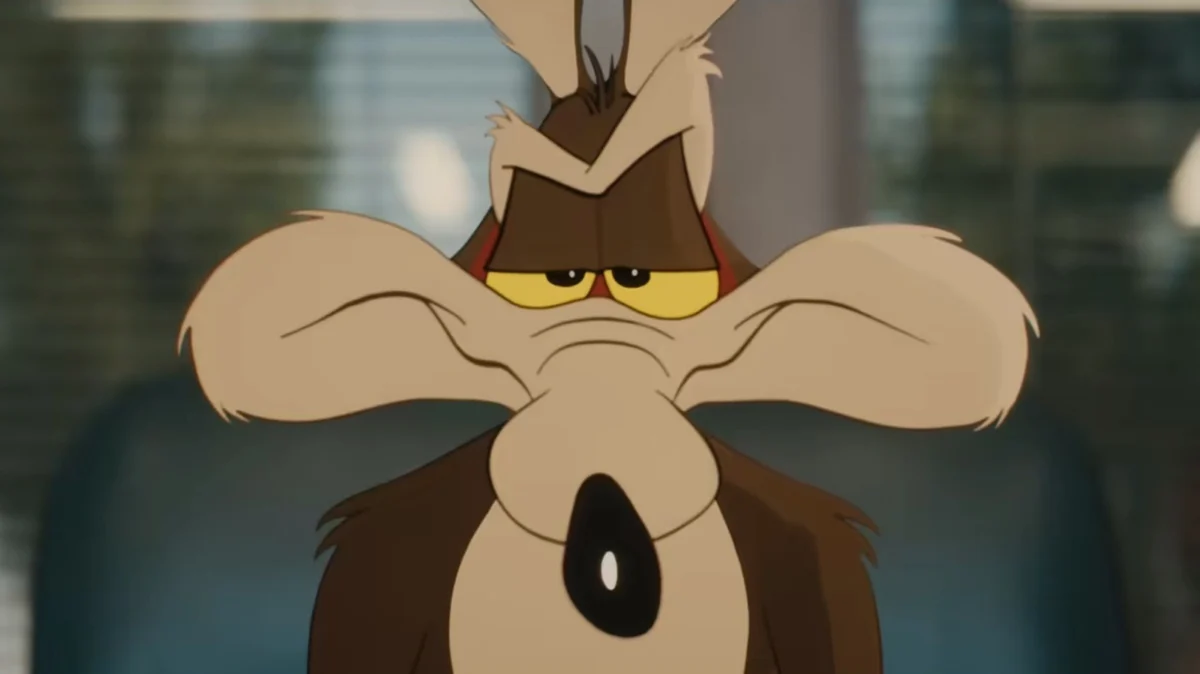
Main Facts: The Resurrection and Triumph of Coyote vs. Acme
After enduring what many in the entertainment industry and fandom viewed as a short-sighted and hostile corporate shelf-life, Coyote vs. Acme has finally made its long-awaited debut. Originally written off as a permanent casualty under Warner Bros. Discovery CEO David Zaslav’s notorious cost-cutting tax write-off strategy, the live-action/animation hybrid feature miraculously survived its own cancellation purgatory. When Warner Bros. initially blocked competing studios from purchasing the completed film, its prospects looked entirely bleak. However, unlikely savior Ketchup Entertainment ultimately broke the deadlock, bringing the feature to the masses.
Far from being a rushed, half-baked product of studio interference, Coyote vs. Acme is a critical triumph. Blending the anarchic comedy of Who Framed Roger Rabbit with the David-versus-Goliath stakes of Erin Brockovich, the film offers a sharp, anti-corporate, and anti-monopoly narrative. Scripted by Samy Burch from a story crafted by Burch, James Gunn, and Jeremy Slater, the movie delivers genuine heart alongside its classic cartoon slapstick.
At the center of this success is Wile E. Coyote, traditionally portrayed as a silent, perpetual-motion antagonist bound to a single gag: chasing the elusive Road Runner. In Coyote vs. Acme, the iconic canine is transformed into a complex, sympathetic underdog. He is no longer just a punchline, but a lovable loner with a heart of gold, suing the omnipresent Acme Corporation for a lifetime of defective products. Furthermore, the film’s vocal performances—led by Eric Bauza, who seamlessly voices virtually all the male Looney Tunes—prove that the franchise’s legacy is in capable hands.
Chronology: From Production Hell to the Big Screen
The journey of Coyote vs. Acme from script to screen is one of the most tumultuous in recent Hollywood history, serving as a cautionary tale about modern corporate asset management.
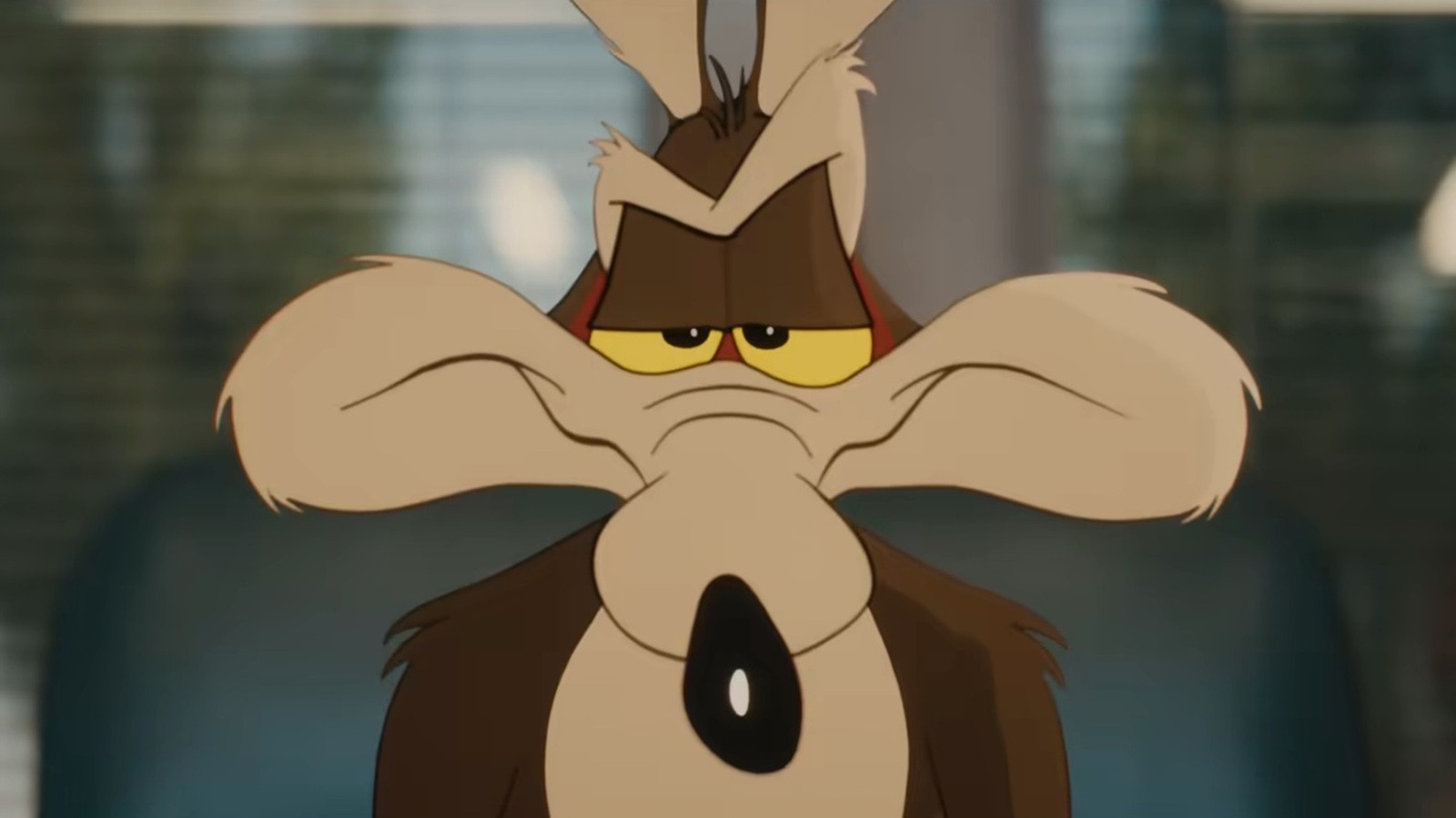
- The Development Phase: Developed as a hybrid live-action and animated comedy, the project gained significant momentum by leaning into the comedic potential of a legal battle between Wile E. Acme and the notoriously unreliable Acme Corporation. Screenwriters and directors lined up, and production was completed to largely positive early test screenings.
- The November 2023 Cancellation: In a move that shocked Hollywood, Warner Bros. Discovery announced in late 2023 that it was shelving Coyote vs. Acme entirely, opting to take a tax write-off rather than release the finished film in theaters or on Max. The decision sparked widespread public outrage from filmmakers, animators, and fans who pointed out the cruelty of erasing hundreds of artists’ labor for a financial ledger adjustment.
- The Backroom Resistance and Public Backlash: Following intense industry pressure, Warner Bros. briefly reversed its stance to allow the filmmakers to shop the movie to other studios, such as Paramount, Netflix, and Amazon. However, negotiations collapsed due to restrictive financial terms demanded by the studio, leading many to believe the film was dead for good.
- The Ketchup Entertainment Acquisition: Defying the odds, independent distributor Ketchup Entertainment stepped in to secure the rights, negotiating a release strategy that finally brought the film to audiences.
- The 2026 Theatrical Release: Coyote vs. Acme finally premiered, instantly winning over audiences and critics alike, reframing the conversation regarding the viability of theatrical animation outside of the traditional Disney/Universal/Warner Bros. studio hegemony.
Supporting Data: The Anatomy of a Modern Cartoon Hit
To understand why Coyote vs. Acme works so well, one must look at how it handles its ensemble cast compared to historical box office trends. For decades, Warner Bros. has relied heavily on Bugs Bunny as the definitive face and primary cash cow of the Looney Tunes brand.
- The Bugs Bunny Monopoly: Bugs Bunny remains one of the most recognizable cartoon characters globally, holding a cultural footprint rivaled only by Disney’s Mickey Mouse. However, Mickey has largely functioned as a corporate mascot, whereas Bugs achieved legendary status as a multifaceted comedic actor.
- The Depth of the Bench: The Looney Tunes roster features dozens of characters who predate Bugs’ dominance or held higher historical appearance counts. Porky Pig was originally the studio’s premier star, while Daffy Duck brought a frantic, neurotic energy that redefined animated comedy.
- Recent Alternative Successes: Projects like The Day the Earth Blew Up: A Looney Tunes Movie bypassed Bugs Bunny entirely, centering its narrative on the dynamic duo of Porky and Daffy. The film proved that audiences do not need the iconic rabbit to anchor a successful theatrical feature.
- Critical and Audience Metrics: Early critical receptions for Coyote vs. Acme highlight strong pacing, inventive courtroom drama mechanics, and emotional resonance. The film currently enjoys favorable word-of-mouth metrics, proving that investing in secondary characters yields high artistic dividends.
Official Responses and Industry Reactions
The resurrection of Coyote vs. Acme and its subsequent release have elicited strong responses from creators, industry insiders, and cultural commentators.
The decision by Warner Bros. Discovery to shelve the completed film in 2023 drew sharp rebukes from prominent directors and guilds. Filmmakers whose projects had similarly been targeted for write-offs—such as directors whose completed streaming features vanished overnight—spoke out against the practice. The sentiment among creative unions was that treating completed artistic endeavors as disposable tax assets undermines the entire ecosystem of cinema.
When Ketchup Entertainment successfully rescued the film, the creative team expressed profound relief and vindication. Screenwriter Samy Burch and the production team noted that the film’s anti-corporate messaging about suing a faceless mega-corporation (Acme) took on an unintended, meta-textual irony given their real-life battle against Warner Bros.
Industry analysts have also praised the film’s innovative handling of its animated universe. Rather than isolating cartoons in a separate dimension—as seen in Who Framed Roger Rabbit or Space Jam—Coyote vs. Acme integrates animated characters organically into the fabric of human society. In one standout detail, the film reveals that Elmer Fudd has transitioned into a U.S. Senator, demonstrating a living, breathing world where cartoon physics and mundane human bureaucracy happily coexist.
Implications: The Future of the Looney Tunes Franchise
The breakout success of Coyote vs. Acme—alongside similar experiments like The Day the Earth Blew Up—carries massive implications for the future of animated IP management in Hollywood.
1. Moving Beyond "Bugs Bunny and Friends"
For years, Hollywood operated under the assumption that a recognized marquee name was an absolute prerequisite for a theatrical animated release. Coyote vs. Acme and other recent projects shatter this myth. By treating Wile E. Coyote not as a silent background gag, but as a sympathetic, vocal-optional protagonist with deep emotional stakes, the film proves that secondary and tertiary Looney Tunes characters are fully capable of carrying feature-length narratives.
Projects currently in development, such as Jorge R. Gutiérrez’s upcoming Speedy Gonzales movie, stand to benefit immensely from this paradigm shift. By giving space to characters with rich, diverse, or previously underutilized cultural backgrounds, the franchise can modernize without losing its classic DNA.
2. The "Muppet" Blueprint for Animation
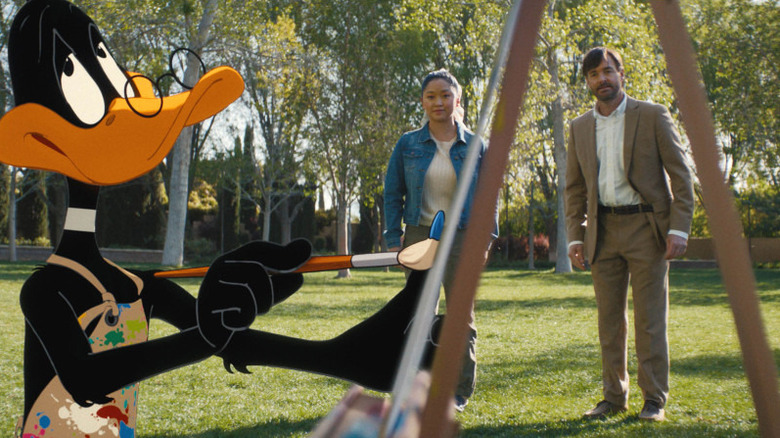
Coyote vs. Acme establishes a brilliant tonal blueprint for future ensemble comedies: treating animated icons not as self-aware corporate properties, but as professional actors within a shared universe. When characters like Bugs Bunny or Daffy Duck appear in the film, they do not stop the narrative to soak in meta-textual applause. Instead, they serve functional, narrative-driven roles—appearing when relevant, executing their scenes, and returning to their everyday lives. This approach prevents cameo fatigue and makes the cartoon world feel lived-in and authentic.
3. A Warning and a Hope for Creative Freedom
Ultimately, the journey of Coyote vs. Acme will be studied for years as a watershed moment in digital-era media preservation. It highlights the dangerous precedent of corporate tax write-offs while simultaneously proving that audience demand and indie distribution models can occasionally rescue art from the corporate vault.
As Hollywood watches the box office returns unfold, the message is clear: the Looney Tunes universe is vast, inventive, and brimming with untapped potential. If major studios are willing to loosen their grip and let diverse creators take risks with characters outside the traditional comfort zone of Bugs Bunny, the golden age of animation may very well find a vibrant, unpredictable second life on the big screen.
