
Apple’s October Revolution: The Touchscreen MacBook and a New Era of Hardware Integration
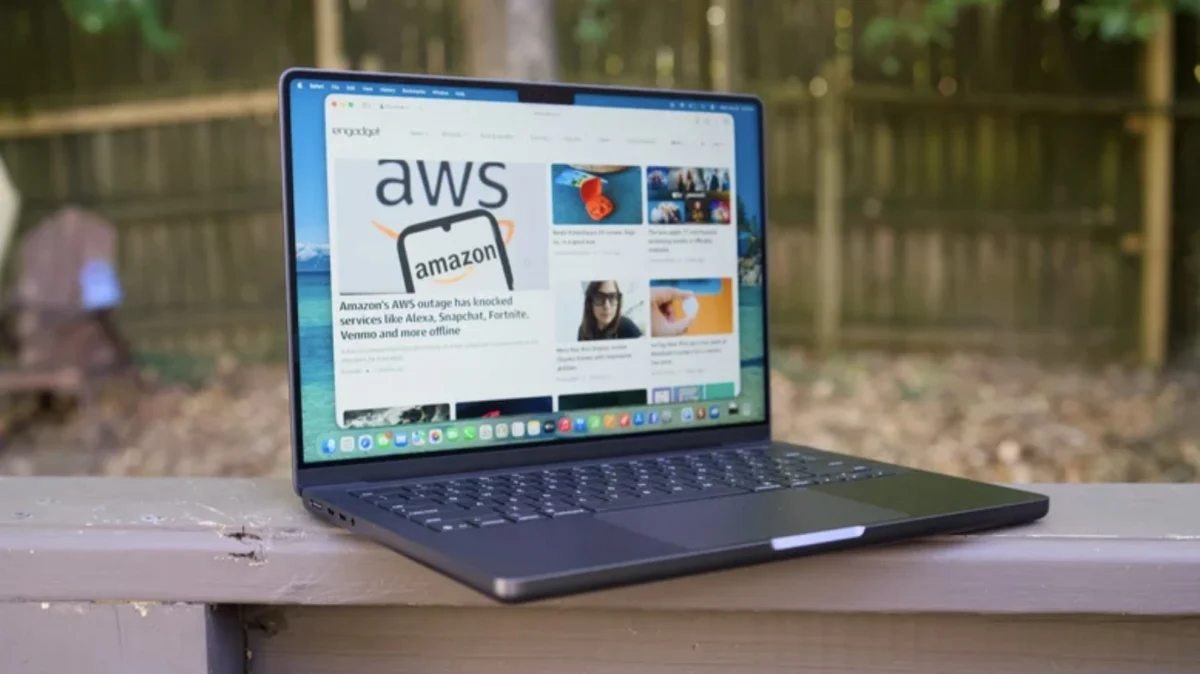
The tech world is bracing for what may be the most significant hardware refresh in Apple’s recent history. As the calendar turns to late October 2026, industry analysts and enthusiasts alike have their eyes fixed on Cupertino. According to reports from Bloomberg’s Mark Gurman, Apple is preparing to bridge the gap between its mobile and desktop ecosystems by unveiling its first-ever touchscreen MacBook, a move that signals a paradigm shift in how users will interact with the macOS interface.
This anticipated launch—slated for on or around October 27—is not merely a product refresh; it represents a fundamental pivot for a company that has, for over a decade, famously resisted the integration of touch inputs into its professional computing line.
The Main Facts: What to Expect
The crown jewel of the upcoming event is undoubtedly the touchscreen MacBook, which industry insiders have tentatively dubbed the "MacBook Ultra." While details remain under strict embargo until the official keynote, the consensus among supply chain analysts points to a device that balances the tactile precision of a laptop with the intuitive interface of an iPad.
Beyond the headlining laptop, Apple’s October roadmap is remarkably dense. The company is expected to showcase:
- A Redesigned iPad Mini: Featuring a long-awaited OLED display, providing deeper blacks and improved power efficiency.
- M6 Chip Integration: A refresh for the entry-level 14-inch MacBook Pro and the iMac, effectively standardizing the M6 silicon across the consumer desktop and laptop lineup.
- Smart Home Ecosystem Expansion: A dedicated event on October 13 is expected to introduce a suite of new smart home hardware, building upon the company’s broader IoT strategy.
This rapid-fire release schedule follows a monumental summer for the tech giant, punctuated by the release of the "iPhone Duo," Apple’s first foray into the foldable smartphone market.
A Chronology of the "Touch" Ambition
To understand why a touchscreen MacBook is such a watershed moment, one must look at the long, winding road of Apple’s design philosophy.
The Skeptical Years (2010–2020)
For years, the late Steve Jobs’ skepticism regarding touchscreens on vertical displays remained the company’s guiding principle. In 2010, Jobs famously remarked that "touch surfaces don’t want to be vertical," arguing that arm fatigue would make such devices unusable for long periods. Throughout the 2010s, Apple focused on the "Touch Bar" as a compromise—a small, dynamic strip that offered limited touch functionality without forcing users to reach across their screens.
The Seeds of Change (2021–2023)
The shift began subtly with the introduction of Apple Silicon. As the architecture between the iPad (running iPadOS) and the Mac (running macOS) began to converge, the technical barriers to cross-platform touch support evaporated. By 2023, credible rumors began circulating that Apple engineers were actively prototyping internal versions of the MacBook Pro featuring touch-sensitive panels.
The "Dynamic Interface" Era (2024–2026)
The turning point came with the development of a "dynamic interface." Rather than simply porting iPad touch gestures to a laptop, Apple has reportedly invested in software that adapts the OS behavior based on the proximity of the user’s hands and the context of the task. This development, which gained traction in late 2025, confirmed that the project had moved from the "R&D" phase to the "Product Development" pipeline.
Supporting Data: Hardware and Performance Metrics
The hardware configuration of the new MacBook Ultra is designed to silence critics who fear that adding a touchscreen will compromise performance.
Silicon Strategy: The M5 and M6 Split
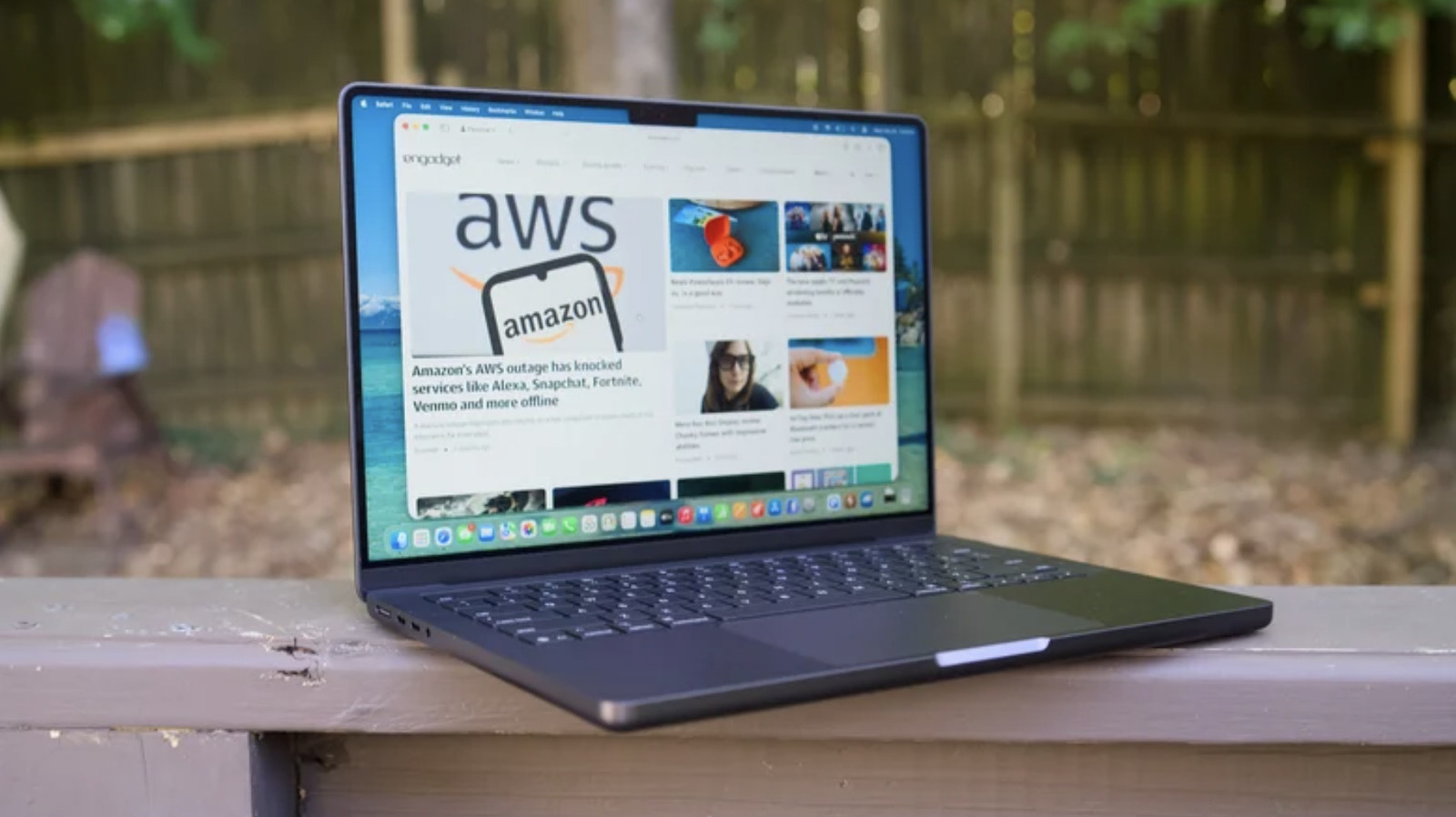
According to industry leaks, the new touchscreen MacBook will utilize the M5 Pro and M5 Max chipsets. The decision to stick with the M5 architecture for the "Ultra" model while upgrading the entry-level MacBook Pro to the M6 is strategic. It allows Apple to market the touchscreen model as a specialized high-performance tool, while the standard MacBook Pro line focuses on iterative efficiency gains.
The OLED Transition
The shift to OLED for the iPad Mini is a significant upgrade. By moving away from traditional LCD/LED backlighting, Apple is looking to provide a higher contrast ratio and superior color accuracy, which is essential for creative professionals who rely on the iPad Mini as a secondary display or a mobile sketching tablet.
Comparative Hardware Table
| Product | Chipset | Key Feature |
|---|---|---|
| MacBook Ultra | M5 Pro / Max | Touchscreen/Dynamic UI |
| MacBook Pro (14") | M6 | Efficiency/Performance |
| iMac | M6 | Desktop Integration |
| iPad Mini | M-Series | OLED Display |
Official Responses and Corporate Stance
Apple has maintained its signature "radio silence" regarding the upcoming October 27 event. However, internal memos leaked by industry observers suggest that CEO Tim Cook has been emphasizing "seamless continuity" in recent all-hands meetings.
The company’s official stance—that "the best tool for the job depends on the user’s needs"—is evolving. Where Apple once insisted that tablets and laptops were distinct, the messaging is shifting toward a unified "Apple Computing" philosophy. The company is positioning these new devices not as replacements for existing hardware, but as an expansion of the "Pro" workflow, acknowledging that modern creators frequently oscillate between typing, swiping, and using stylus-based precision.
Implications: The Future of Computing
The introduction of a touchscreen MacBook has profound implications for the software development community and the broader computing landscape.
Software Developers and the App Ecosystem
With a touchscreen MacBook, developers will be forced to rethink UI/UX design. Apps that were previously optimized strictly for trackpad and keyboard input will need to account for touch-targets. This move effectively accelerates the integration of iPad apps onto the desktop, potentially leading to a singular, cross-platform App Store environment.
The Market Reaction
Competitors like Microsoft, who have long held the lead in the "2-in-1" laptop category with the Surface line, are now facing direct pressure. Apple’s entry into this space validates the form factor, which may lead to a resurgence of interest in touch-enabled high-end laptops across the industry.
The User Experience Shift
For the average consumer, this is the beginning of the "post-mouse" era. While the trackpad will remain a staple of the MacBook experience, the ability to interact with professional software—like Final Cut Pro or Logic Pro—using direct touch input could significantly reduce the learning curve for new users and increase the speed of navigation for power users.
Challenges Ahead
Despite the excitement, the transition is not without risk. Apple must navigate potential complaints regarding screen smudging and the ergonomics of touch-interaction on a vertical hinge. Furthermore, there is the risk of "feature creep," where the addition of touch capabilities complicates the simplicity that is the hallmark of the macOS experience.
Conclusion
As October 27 approaches, the tech industry finds itself at a crossroads. Apple’s willingness to disrupt its own successful design language by adding a touchscreen to its most iconic product is a testament to the company’s desire to remain relevant in an increasingly mobile-first world. Whether the MacBook Ultra becomes the new gold standard for professional computing or remains a niche device for enthusiasts, one thing is certain: the way we work, create, and interact with our machines is about to change forever.
The upcoming weeks will provide the answers to the remaining technical mysteries, but the message from Cupertino is already clear: Apple is ready to touch the future.
