
The Architecture of Terror: Decoding the Supernatural Powers of ‘Other Mommy’
In the landscape of modern horror, the antagonist often functions as a narrative shorthand. Writers frequently rely on established tropes—the vengeful spirit, the demonic possession, or the masked slasher—to bypass the heavy lifting of world-building. However, the most effective horror films are those that defy easy categorization, opting instead for a terrifying ambiguity that keeps audiences guessing. Such is the case with Other Mommy, the recent genre entry directed by Rob Savage and written by Nathan Elston.
Based on Josh Malerman’s 2024 novel Incidents Around the House, the film introduces a multifaceted antagonist that defies the traditional "imaginary friend" paradigm. By blending elements of folklore, psychological trauma, and reality-bending cosmic horror, Other Mommy presents a threat that is as conceptually complex as it is physically menacing.
The Foundation of Fear: An Overview
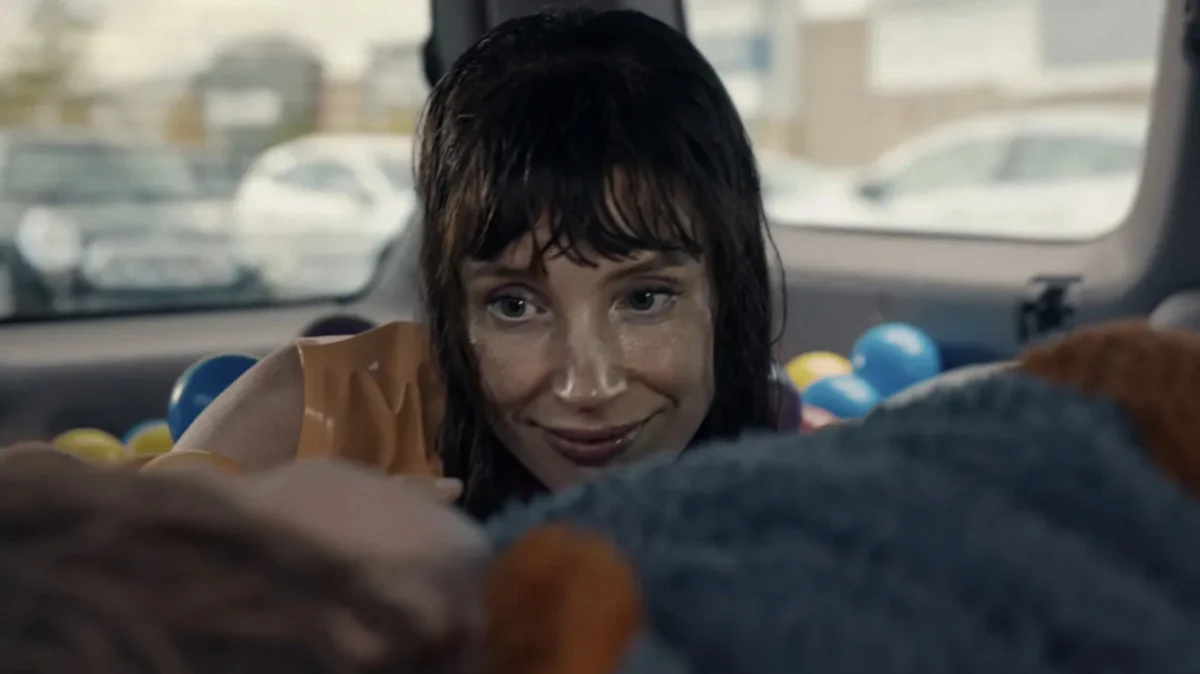
At the heart of the film is Bela, an eight-year-old girl whose life is upended by the appearance of a entity she dubs "Other Mommy." Jessica Chastain delivers a dual performance, portraying both Bela’s human mother, Ursula, and the titular demon. Unlike many films where a child’s supernatural sightings are dismissed as mere figments of an overactive imagination, Other Mommy makes a bold departure: the demon is objectively real.
The entity’s objective is chillingly specific: it requires Bela’s consent to achieve a state of physical humanity. This requirement ties the film to the ancient traditions of fairy tales and folklore, where deals with supernatural entities often hinge on the victim’s agency. By forcing the protagonist to navigate a world where her trauma is mirrored by a literal monster, Savage crafts a narrative that feels both intimate and grand in its stakes.
A Chronology of Confrontation: How the Threat Evolves
To understand the nature of Other Mommy, one must look at how the film systematically dismantles the safety of the domestic sphere.
The Initial Manifestation
From the opening act, the film establishes that the threat is not confined to the child’s psyche. Unlike the trope of the "unreliable narrator," where the audience is left to wonder if the monster exists at all, Savage ensures that Other Mommy’s presence is felt by the adults in the room. This shift is crucial; it elevates the tension from a "gaslighting" drama into a survival thriller. When adults like Russ (Jay Duplass) are forced to acknowledge the entity, the film effectively removes the "child-in-peril/no-one-believes-her" trope, forcing the characters into immediate, desperate action.
The Expansion of Territory
As the narrative progresses, Other Mommy’s powers manifest in ways that defy Newtonian physics. The entity possesses the ability to transport Bela into a pocket dimension—a nightmarish, surrealist landscape that serves as the demon’s primary domain. This realm acts as a playground where the laws of reality are dictated by the entity’s whims.
What separates this from a simple dream sequence is the "bleed-through" effect. Physical objects from these dimensions—such as balls from a chaotic, oversized ball pit—persist in the real world after the excursion ends. This creates a terrifying bridge between the mundane and the metaphysical, suggesting that Other Mommy is not merely a ghost, but a reality-warper of the highest order.
Supporting Data: The Anatomy of a Modern Monster
The effectiveness of Other Mommy lies in her synthesis of disparate horror icons. Her toolkit is a terrifying amalgam of three primary archetypes:
- The Fairy Tale Siren: Much like the creatures of the Brothers Grimm, Other Mommy operates on a system of "permission." She cannot simply take; she must be invited or accepted, making her a predator of emotional vulnerability rather than just physical strength.
- The Psychological Manipulator (Freddy Krueger): Like the dream-stalker of Elm Street, Other Mommy targets her victim’s insecurities. She knows exactly which lies to whisper and which fears to exploit to lower Bela’s defenses.
- The Reality-Distorting Cosmic Threat (Pennywise): Similar to the entity from Stephen King’s It, Other Mommy is an ancient, hungry force that feeds on the essence of innocence to sustain her own existence.
This combination creates a creature that is difficult to "solve." Because she operates with the logic of a nightmare, standard defenses—like locking doors or calling the police—are rendered impotent.
Official Responses and Creative Intent
In discussions regarding the adaptation, director Rob Savage has emphasized the importance of maintaining the "first-person" anxiety present in Malerman’s novel, even while opening up the camera’s perspective to include the wider family. By utilizing the dual-role casting of Jessica Chastain, the filmmakers created an uncanny valley effect. The audience is constantly forced to compare the "real" mother with the "other" version, heightening the sense of betrayal and confusion that Bela feels.
Critics have noted that by making the demon a "real" entity rather than a manifestation of trauma, the film avoids the "it was all in her head" conclusion that has become a crutch in modern elevated horror. As one analyst noted, "Treating the entity as a literal, dangerous predator allows the film to treat the child’s fear with the gravity it deserves, rather than reducing it to a metaphor for a broken home."
Implications: The Moral Calculus of Survival
The most profound element of Other Mommy is the underlying moral question: What is the cost of humanity?
The film posits that Other Mommy is, in essence, a parasite that requires the "light" of innocence to birth herself into the world. This creates a harrowing dynamic where Bela’s survival is predicated on her capacity to lose that innocence. If the demon can only manifest through a desire to be wanted, then the only way for Bela to stop her is to confront the reality that she is not wanted by her own mother.
This thematic layer elevates the horror from simple jump scares to a deep, philosophical examination of family trauma. The demon is not just a monster in the closet; it is a manifestation of the "messiness" of human existence. When real-world parents fail to provide the love and stability a child requires, the vacuum is filled by something more destructive.
The Lasting Legacy of the Other Mommy
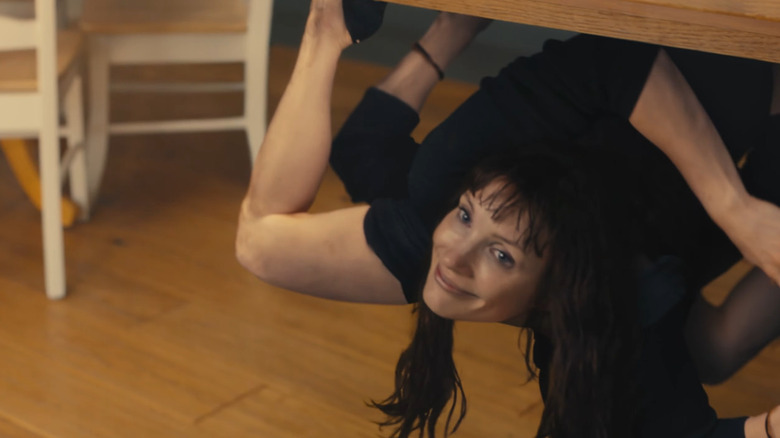
As the credits roll on Other Mommy, the audience is left with a sense of lingering unease. The entity’s power set—the ability to shift reality, the requirement of consent, and the capacity to mimic human affection—makes her one of the most formidable antagonists in recent cinema.
By refusing to provide a neat, scientific explanation for the demon’s existence, the film remains faithful to the terror of the unknown. We do not need to know what Other Mommy is to understand the threat she poses. She is a reminder that the most dangerous monsters are those that look like the people we trust, and that sometimes, the only way to escape a nightmare is to wake up to a reality that is just as cold and unforgiving.
In the final analysis, Other Mommy serves as a masterclass in modern monster design. It proves that the most effective horror doesn’t come from clear-cut rules or simple monster-slaying; it comes from the intersection of the supernatural and the deeply human, where the line between "mother" and "monster" is blurred beyond recognition.
