
The Godmother of Indigenous Cinema: How Merata Mita’s Legacy Continues to Decolonize the Screen
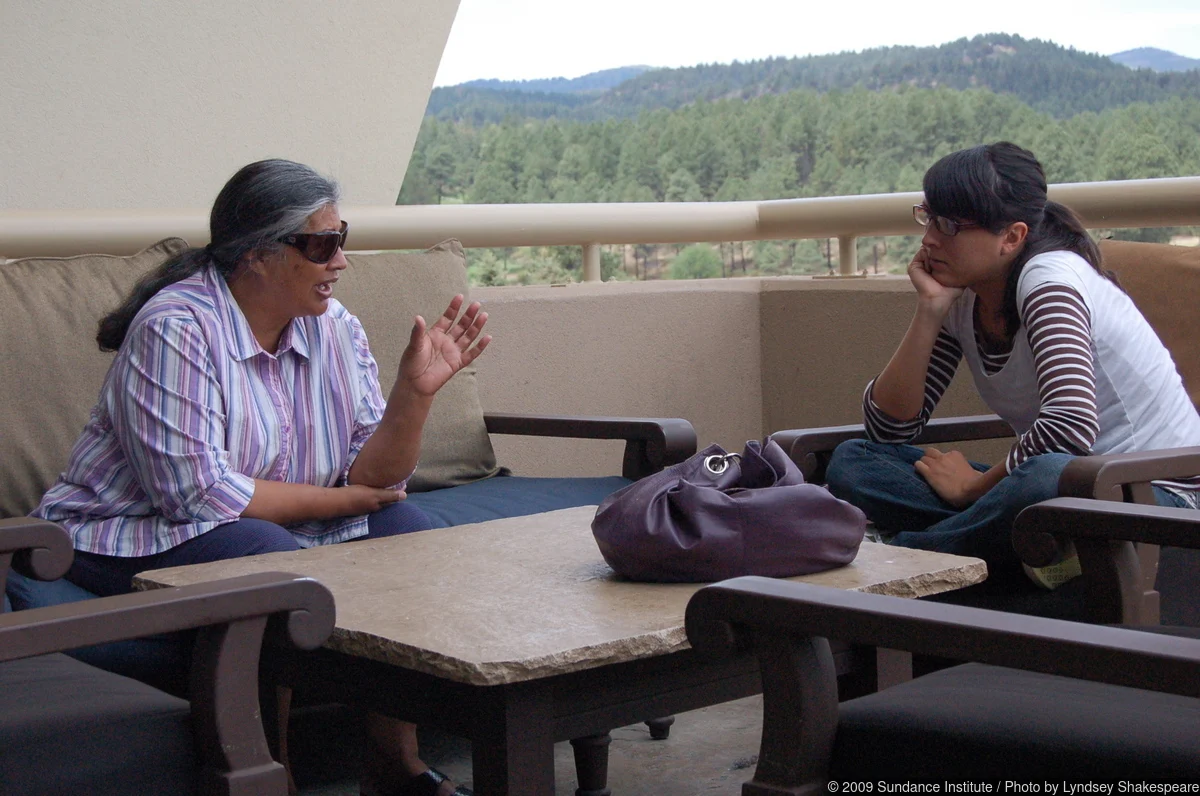
Merata Mita (1942–2010) was more than a filmmaker; she was a cultural revolutionary. As a Māori activist and the first Māori woman to write and direct a feature film, Mita transformed the landscape of global cinema by insisting that Indigenous stories be told through Indigenous lenses. Today, her spirit lives on through the Sundance Institute’s Merata Mita Fellowship, a prestigious initiative that supports Indigenous women filmmakers as they challenge colonial narratives and reclaim their cultural histories.
As the film industry continues to grapple with issues of representation and equity, Mita’s philosophy—that film is a tool for liberation—remains as relevant as ever. On this Indigenous People’s Day, we examine the enduring impact of a woman who didn’t just choose filmmaking; she allowed filmmaking to choose her.
The Visionary: Who Was Merata Mita?
Born in Aotearoa (New Zealand), Merata Mita entered the film industry at a time when Indigenous voices were systematically excluded or distorted by colonial perspectives. She did not seek fame; she sought truth. Mita famously remarked, “I’ve been stereotyped as a radical political filmmaker, but I don’t see myself as radical at all. I see myself as representing what already exists—representing the truth. I’m expressing a Māori viewpoint all the time.”
Her work was often met with intense backlash, but Mita remained undeterred. She viewed the camera as a weapon against erasure. Whether documenting political protests or crafting fictional narratives, she focused on the lived realities of her people. By refusing to cater to a Western gaze, she paved the way for generations of storytellers to embrace their own cultural identities without compromise.
A Chronology of Resistance and Mentorship
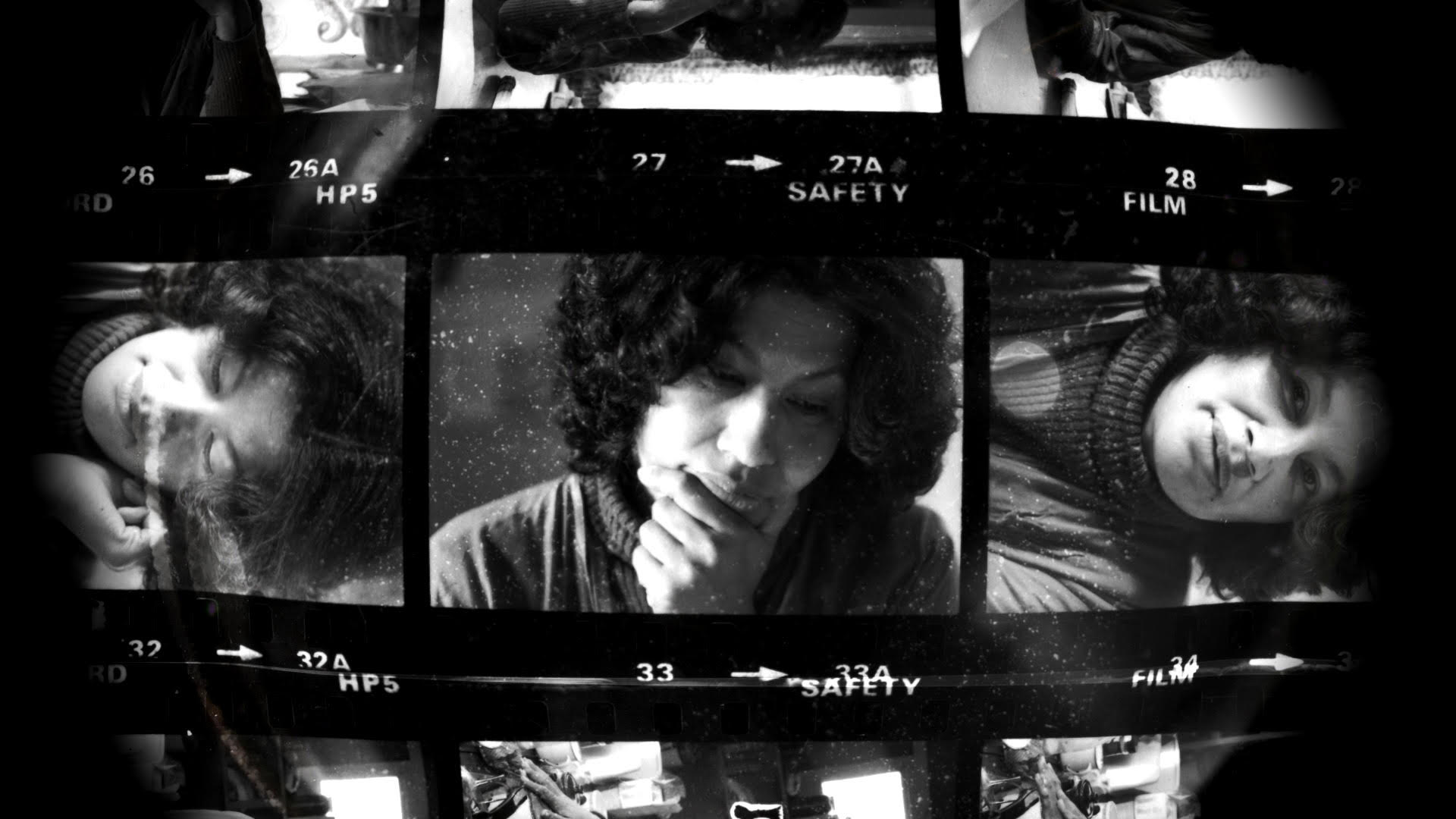
Mita’s career was defined by a transition from documentary journalism to narrative storytelling, and ultimately, to the profound act of mentorship.
- The Early Years (1970s–1980s): Mita began her career as an activist, utilizing film to highlight the struggles of Māori communities. Her groundbreaking documentaries brought the realities of systemic racism and land disputes into the public eye.
- The Feature Breakthrough: In 1988, she broke barriers with Mauri, a feature film that solidified her status as a singular voice in international cinema. Her ability to weave traditional mythology with contemporary struggle redefined what Indigenous cinema could be.
- The Sundance Era (2000–2010): During the final decade of her life, Mita channeled her energy into the Sundance Institute. As an artistic director and creative advisor for the Native Lab, she shaped the careers of countless filmmakers.
- The Legacy (2010–Present): Following her passing, the Sundance Institute established the Merata Mita Fellowship to ensure her "tough love" approach to storytelling—characterized by rigorous scrutiny and deep cultural integrity—continued to influence the next generation of creators.
The Philosophy of "Tough Love"
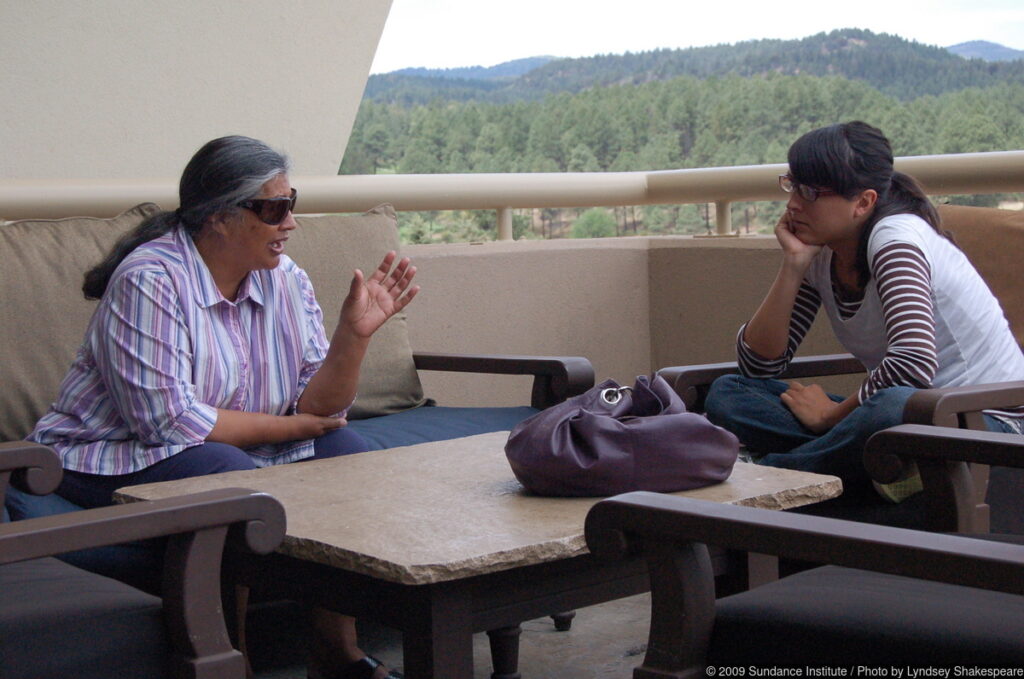
Adam Piron, Director of the Sundance Institute’s Indigenous Program, was mentored by Mita during her tenure at the Native Lab. He describes her teaching style as a form of "tough love." Mita did not believe in coddling filmmakers; she believed in pushing them to interrogate their work until it reached a level of truth that could not be ignored.
“She exhibited a level of scrutiny that inevitably made their work better,” Piron explains. For Mita, storytelling was not a hobby; it was a responsibility. She believed that if a filmmaker was not willing to face the difficult questions about their own narrative, they were not ready to tell the stories of their people. This standard of excellence remains the hallmark of the fellows selected for her namesake program.
Supporting Data: The Impact of the Merata Mita Fellowship
Since its inception, the Merata Mita Fellowship has supported 12 Indigenous women, providing them with the resources, mentorship, and platform necessary to bring their visions to the screen. The program’s success is measured not just in awards, but in the cultural resonance of the films produced.
Case Study: Ciara Lacy
In 2016, inaugural fellow Ciara Lacy (Kanaka Maoli) utilized the fellowship to complete her documentary Out of State. The film explores the lives of Native Hawaiian prisoners incarcerated in the Arizona desert, where they reconnect with their heritage. The film’s success at festivals like Berlinale and the Hawai‘i International Film Festival—winning the Audience Choice Award and the Made in Hawai‘i Best Feature Award—demonstrates the global appetite for authentic Indigenous storytelling.
Current Trailblazer: Masami Kawai
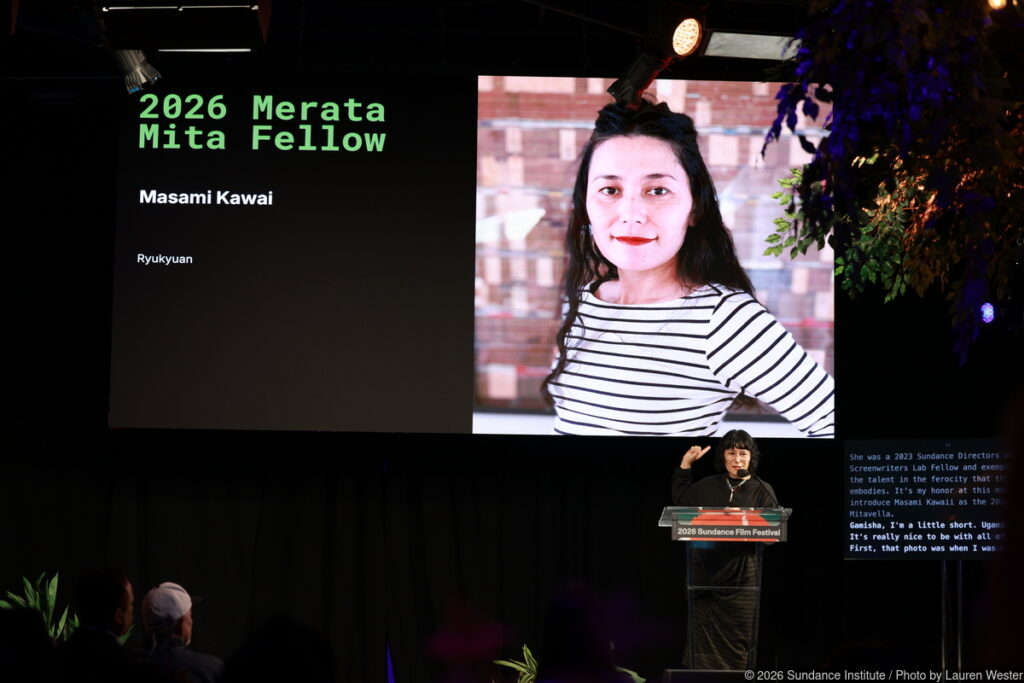
The most recent recipient, Masami Kawai (Ryukyuan), is currently in production on her debut feature, Valley of the Tall Grass. The project follows the journey of a discarded TV/VCR combo that survives to touch the lives of three Indigenous families in Oregon. Kawai, speaking at the 2026 Sundance Film Festival, noted, “Mita’s career gives me the courage to be the kind of filmmaker I am. She has paved a path that shows I can simultaneously be a filmmaker, educator, and mother.”
Implications: Why Decolonizing the Screen Matters
The "revolution" that Merata Mita spoke of is not one fought with weapons, but with images. "If a film I make causes Indigenous people to feel stronger about themselves," she once said, "then I’m achieving something worthwhile for the revolution."
This mission has profound implications for the future of global media:
- Cultural Preservation: By supporting Indigenous filmmakers, we ensure that languages, oral histories, and cultural practices are preserved and transmitted through modern media.
- Challenging Tropes: Indigenous-led cinema forces the mainstream audience to confront stereotypes and re-evaluate their understanding of history.
- Healing through Storytelling: For many Indigenous communities, the act of telling one’s own story is a cathartic process that aids in intergenerational healing from colonial trauma.
As the industry moves forward, the work of the Merata Mita Fellowship acts as a vital counterweight to the homogenizing forces of commercial film. It demands that we look at the screen not just as a source of entertainment, but as a mirror reflecting the realities of our world.
A Call to Action for the Next Generation
As we enter the 12th year of the Merata Mita Fellowship, the Sundance Institute is once again inviting applications from Indigenous women-identifying creators across the globe. This fellowship is for those who carry the weight of their ancestors’ stories in their DNA—those who understand that writing is an act of survival.
The application window for the 2027 fellowship opens from October 13–26, 2026. Prospective applicants are encouraged to visit the Sundance Institute’s official application portal to learn more about the requirements and to prepare their submissions.
The Path Forward
The stories that need to be told are often the ones that have been the most silenced. By continuing to support Indigenous women filmmakers, the Sundance Institute is not only honoring the memory of Merata Mita; it is actively participating in the dismantling of colonial structures in the film industry.
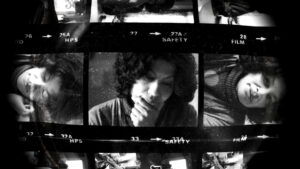
When we invest in these artists, we are investing in a future where Indigenous voices are not just guests in the halls of cinema, but architects of the cultural dialogue. Merata Mita taught us that the camera is a mirror. It is time for us to ensure that what we see reflected is the truth, the pain, the joy, and the resilience of Indigenous peoples worldwide.
For those ready to answer the call, the screen is waiting. The stories are ready to be told, and the revolution continues.
For more information on the Sundance Institute’s Indigenous Program and how you can support the next generation of storytellers, please visit the Sundance Institute website.
