
The Frontier of Failure: Why Hollywood’s Biggest Westerns Collapsed Under Their Own Weight
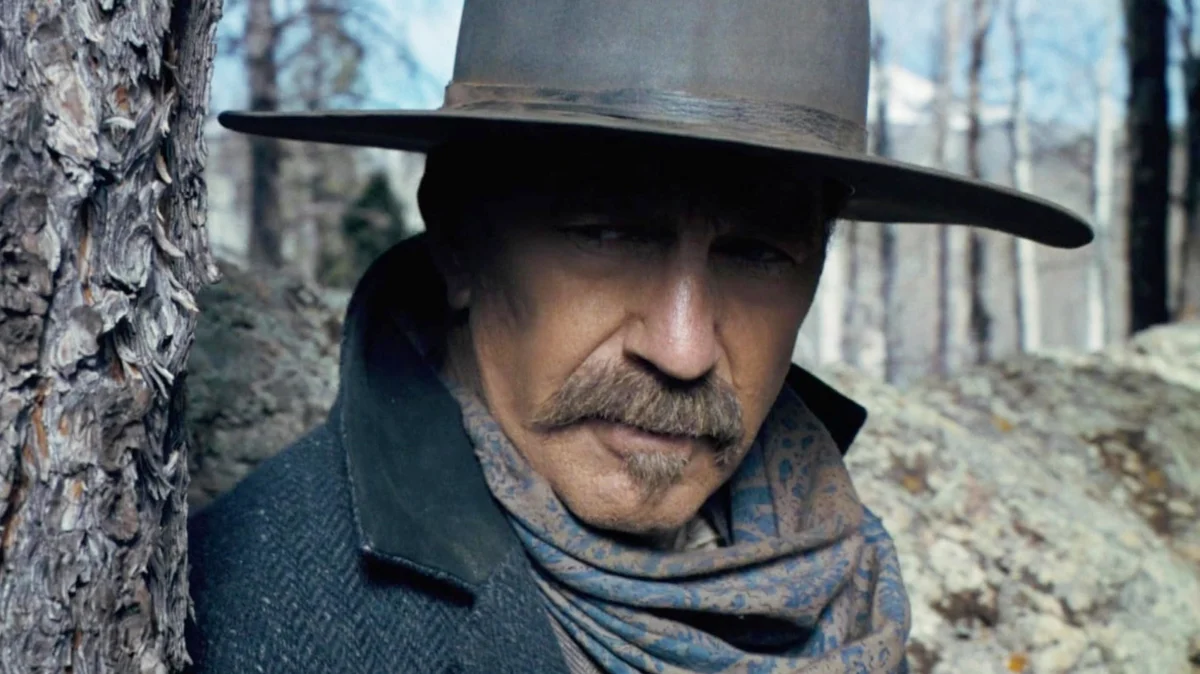
The American Western is more than a genre; it is a fundamental pillar of the cinematic lexicon. For decades, from the mid-1940s through the late 1960s, the Western was the bedrock of Hollywood production. With iconic archetypes—the stoic drifter, the beleaguered frontier town, and the clash between law and lawlessness—the genre provided a reliable, rhythmic heartbeat for the industry. Filming was efficient, locations were accessible, and the "1890s aesthetic" could be recreated with little more than a dusty patch of California desert and a few reliable horses.
Yet, there is a recurring tragedy in Hollywood history: the "Star-Studded Flop." When ambition outstrips narrative focus, even the most charismatic leads and massive budgets cannot save a film from the quicksand of poor execution. This article examines five high-profile Westerns that promised to redefine the genre but ultimately faltered, leaving behind cautionary tales of hubris, ballooning budgets, and the dangers of losing the "small" magic that makes a Western work.
The Anatomy of the Failed Epic
Westerns function best when they play small. They are at their peak when they focus on the intimate friction between character, setting, and the moral ambiguity of a changing world. However, when studios attempt to transmute the Western into a sprawling, intergenerational epic, the narrative often becomes diluted.
Successful epics, such as George Stevens’ Giant (1956), prove that the scale is possible—but only with a razor-sharp script and a singular directorial vision. Too often, modern attempts at the genre treat the setting as a backdrop for spectacle rather than a character in its own right, leading to projects that are technically impressive but emotionally hollow.
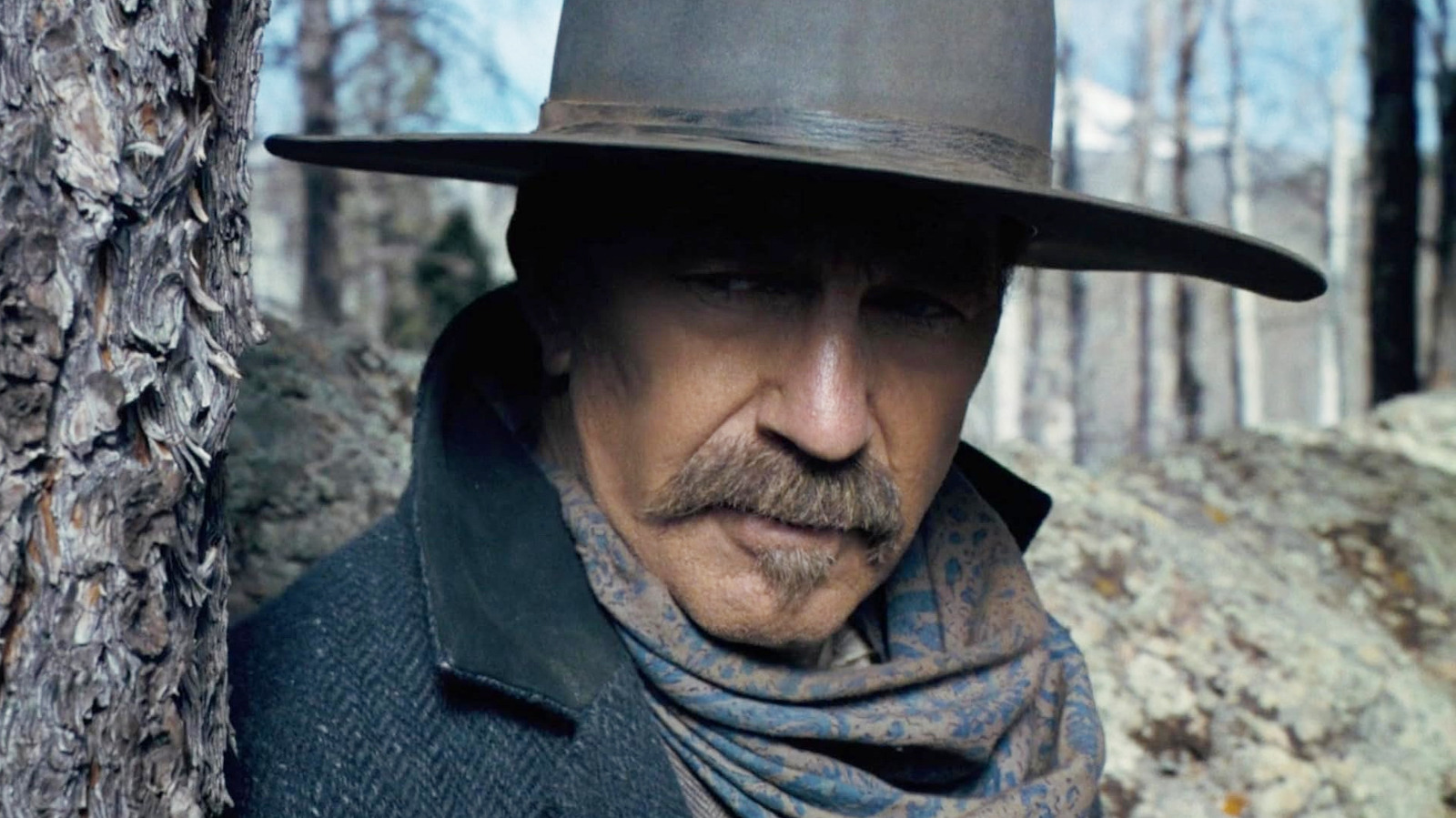
A Chronological Descent: Five Notable Missteps
1. Heaven’s Gate (1980): The Death of the Auteur Era
Michael Cimino’s Heaven’s Gate remains the definitive cautionary tale of the "New Hollywood" era. Released in 1980, the film was an attempt at a sweeping, romanticized look at the Johnson County War, featuring a powerhouse cast including Kris Kristofferson, Christopher Walken, Isabelle Huppert, and John Hurt.
The Reality: The production was legendary for its mismanagement. On the sixth day of shooting, the production was already five days behind schedule. Cimino’s perfectionism—ranging from the massive, ornate set pieces to his insistence on thousands of extras—caused the budget to explode. The film became the primary reason for the collapse of United Artists. While retrospectives have occasionally found merit in its visual scope and thematic density, its legacy is defined by its role as the "film that killed the Western."
2. Wild Wild West (1999): When Steampunk Met Stagnation
Coming off the massive success of Men in Black (1997), the pairing of director Barry Sonnenfeld and superstar Will Smith felt like a guaranteed box-office juggernaut. Based on the whimsical 1960s TV series, the film attempted to blend a Western aesthetic with steampunk technology.
The Reality: Despite the presence of Kevin Kline and Kenneth Branagh, the film is now widely considered the biggest misstep of Smith’s career. The narrative was thin, the humor felt forced, and the inclusion of a 10-story mechanical spider—a bizarre obsession of producer Jon Peters—became a symbol of the film’s disjointed identity. It proved that star power alone cannot compensate for a script lacking a cohesive vision.
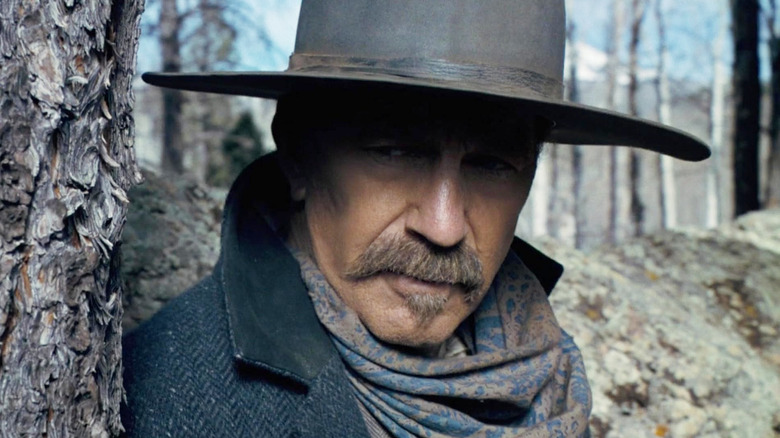
3. Cowboys & Aliens (2011): The Genre-Mashup Trap
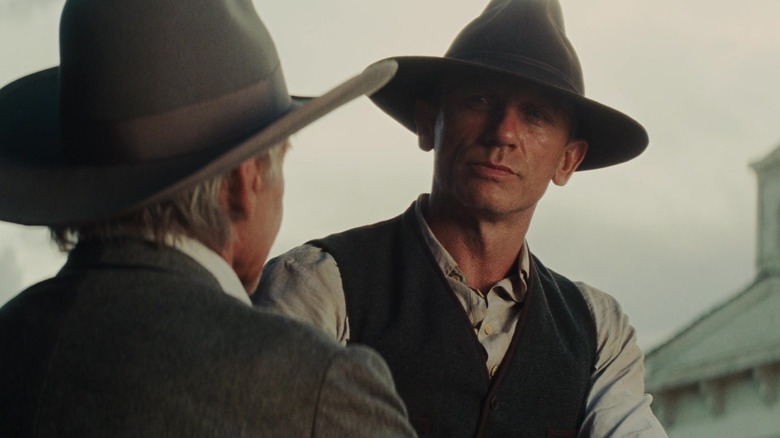
In 2011, Jon Favreau, fresh off the launch of the Marvel Cinematic Universe with Iron Man, attempted to merge the grit of the Old West with high-concept sci-fi. With Daniel Craig and Harrison Ford in the lead, the premise—aliens invading the American frontier—sounded like "pulp perfection."
The Reality: The film suffered from "too many cooks in the kitchen," with five credited screenwriters and three additional story credits. The result was a $163 million production that felt muddy and rushed. While the concept was sound, the execution lacked the necessary character grounding, leaving audiences cold. It remains a stark example of how visual effects cannot replace coherent storytelling.
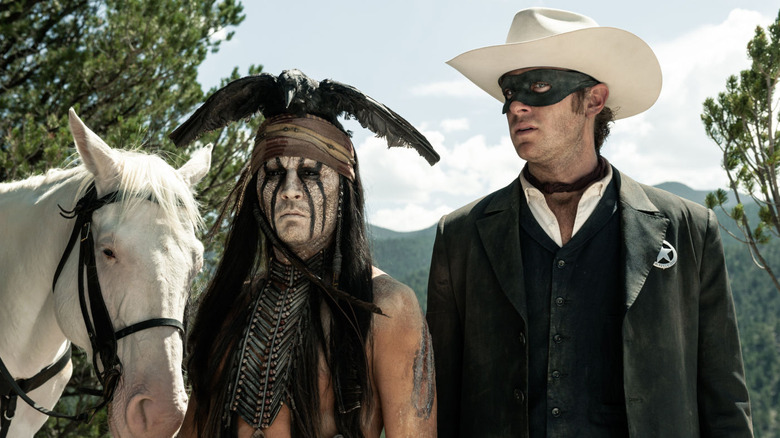
4. The Lone Ranger (2013): A Billion-Dollar Blunder
Following the immense success of Pirates of the Caribbean, Disney attempted to replicate the formula with Gore Verbinski and Johnny Depp. The result was a 149-minute, $250 million reimagining of a classic radio and television icon.
The Reality: The film is a textbook example of "bloated" filmmaking. It suffered from a disjointed script that struggled to balance action set pieces with tone, and it eventually became one of Disney’s most significant box-office losses. Aside from the occasional thrill of hearing the "William Tell Overture" during a climax, the film failed to connect with modern audiences, largely due to a lack of heart and an over-reliance on spectacle.
5. Horizon: An American Saga (2024): The Ambition Gap
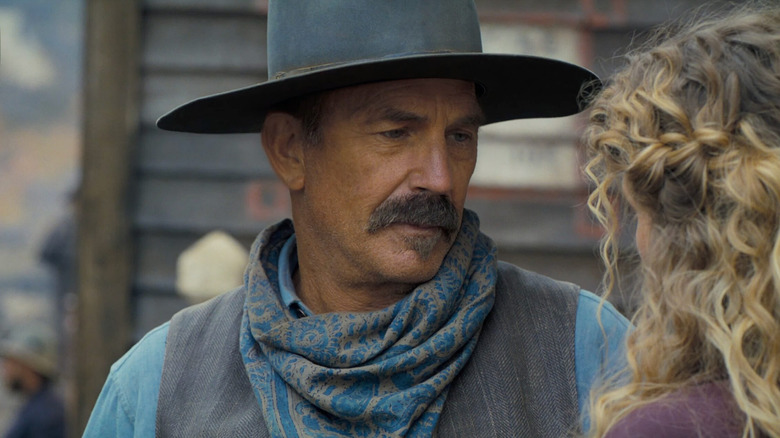
Kevin Costner’s Horizon is the most recent attempt to reclaim the Western epic. Intended to be a four-part saga chronicling the settling of the American West, the project was fueled by Costner’s genuine passion for the genre.
The Reality: While Horizon: Chapter 1 demonstrated a commitment to the "slow-burn" aesthetic, it failed to capture the cultural zeitgeist in the way the director’s previous works had. The box office returns for the first chapter were tepid, leading to the indefinite delay of the second chapter and casting doubt on the feasibility of the final two parts. It serves as a reminder that even for a "Western guy" like Costner, scaling an epic story across multiple chapters is an incredibly high-risk endeavor in the current theatrical climate.
Supporting Data and Production Trends
The financial trajectory of these films reveals a clear pattern: as the budget increases, the return on investment for high-concept Westerns diminishes.
| Film | Estimated Budget | Box Office Outcome |
|---|---|---|
| Heaven’s Gate (1980) | $44 Million | Massive Loss |
| Wild Wild West (1999) | $170 Million | Disappointing |
| Cowboys & Aliens (2011) | $163 Million | Underperformed |
| The Lone Ranger (2013) | $250 Million | Significant Flop |
| Horizon: Chapter 1 (2024) | $50M – $100M* | Underperformed |
*Estimated production costs for Chapter 1 only.
The consistent trend across these failures is a "bloat" in production costs, often attributed to excessive visual effects or extended runtimes that do not serve the story. Studios often gamble that the "Western" label combined with a high-budget action aesthetic will draw a massive crowd, but the audience for these films—historically—prefers the character-driven, grounded narrative over the CGI-heavy spectacle.
Official Responses and Industry Reflection
The discourse surrounding these films has often been one of defensive posturing or, in some cases, surprising support. Quentin Tarantino, for example, has publicly expressed affection for The Lone Ranger, citing its craft and ambition as overlooked qualities. Conversely, industry analysts frequently point to the "Jon Peters effect"—where producer demands (such as the giant spider in Wild Wild West) can fundamentally derail a creative vision.
For directors like Costner, the response has been one of continued commitment to the vision. Despite the financial cooling of Horizon, proponents argue that we are in a "binge-watching" era where the long-form format of a multi-part saga could find a secondary life on streaming platforms, suggesting that the "failure" may be one of distribution strategy rather than artistic merit.
Implications: Is the Western Dead or Just Evolving?
The failure of these high-profile projects does not signify the death of the Western. On the contrary, the genre is currently experiencing a renaissance in smaller, more focused formats. Projects like The Mandalorian (which Favreau successfully pivoted to) prove that the "space-Western" works best when it maintains a tight focus on the "lone stranger" archetype.
The broader implication for Hollywood is a necessary course correction:
- Prioritize the Script: The reliance on spectacle and "star power" has consistently failed to generate audience interest.
- Control the Budget: The mid-budget, character-driven Western is a safer and often more effective vehicle for the genre than the $200 million epic.
- Respect the Archetypes: The Western works because it touches on fundamental human experiences—grief, justice, and the search for home. When those themes are buried under mechanical spiders or unnecessary intergenerational sprawl, the connection to the audience is lost.
Ultimately, the Western remains a vital genre, but it demands respect. It requires a director who understands that the vastness of the American frontier is best captured not by the width of the frame, but by the depth of the characters inhabiting it. Hollywood’s most expensive failures serve as a reminder that in the West, you cannot simply buy your way to the horizon; you have to earn the journey.
