
Horror Renaissance: ‘In A Violent Nature: Part 2’ Sets February 2027 Date, While Tubi Doubles Down on R.L. Stine Adaptations
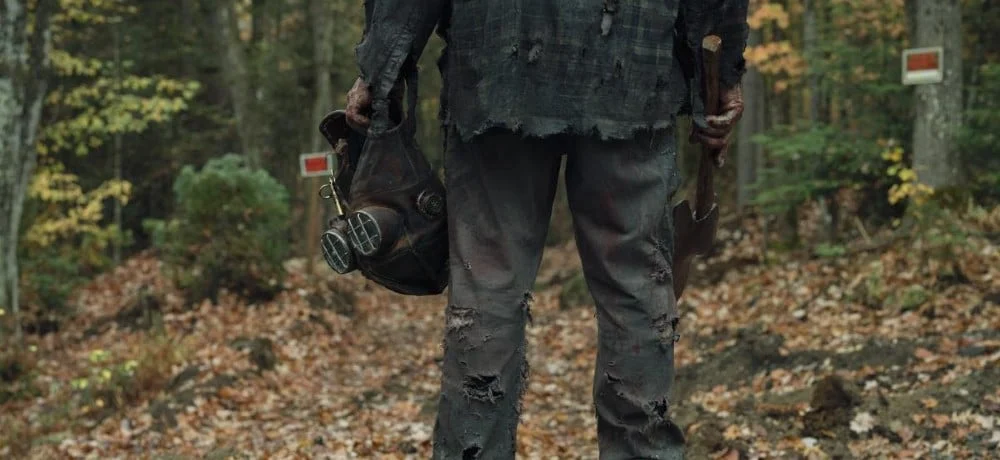
The landscape of modern horror is undergoing a significant transformation, defined by a return to visceral, practical-effect-heavy storytelling and a renewed focus on nostalgic, mid-tier literary adaptations. This week, the industry saw two major developments that underscore these trends: the official theatrical dating of the sequel to the breakout indie hit In A Violent Nature, and a fresh expansion of the collaborative partnership between streamer Tubi and horror titan R.L. Stine.
I. Main Facts: The Return of Johnny and the Expansion of Stine’s Universe
In A Violent Nature: Part 2
The Independent Film Company and Shudder have officially confirmed that In A Violent Nature: Part 2 will hit theaters nationwide on February 12, 2027. The news, delivered with cinematic flair during Shudder’s panel at New York Comic Con, was punctuated by an appearance from Ry Barrett, the physical force behind the film’s silent, relentless antagonist, Johnny. Following a buzz-heavy world premiere at Fantastic Fest, the sequel promises to double down on the meditative, third-person-follow style that defined its predecessor. The plot shifts the focus to a summer camp setting, tracking a young, marginalized camper who finds themselves caught in the crosshairs of Johnny’s methodical, gore-drenched rampage.
The Babysitter Adaptation
Simultaneously, Tubi has announced the next installment in its ongoing creative partnership with R.L. Stine. The streamer is set to adapt The Babysitter, a classic suspense narrative. The film centers on sixteen-year-old Jenny, whose pursuit of tuition money for a prestigious writing program leads her into a nightmarish babysitting shift. Set against the backdrop of a town terrorized by a mysterious prowler, the story evolves into a high-tension thriller where the lines between protector and victim blur.
II. Chronology: A Timeline of Horror’s Recent Resurgence
To understand the weight of these announcements, one must look at the rapid evolution of these two distinct horror sub-genres over the past 24 months.
- Mid-2024: The original In A Violent Nature premieres, shocking audiences with its "ambient slasher" approach. By ignoring traditional jump-scare pacing in favor of long, atmospheric tracking shots following the killer, the film cements Johnny as a modern icon of the sub-genre.
- Late 2024: Shudder and the production team confirm that development on a sequel is underway, citing the original film’s unexpected box-office legs and viral social media discourse.
- Early 2025: Tubi establishes its "Stine-verse" strategy, successfully adapting several of the author’s less-explored works, proving that the nostalgia-horror market is a viable competitor to traditional theatrical slasher fare.
- September 2026: In A Violent Nature: Part 2 receives its world premiere at Fantastic Fest. Initial reports describe the film as "more uncompromising" and "logistically complex" than the first.
- October 2026: New York Comic Con serves as the official launchpad for the 2027 theatrical release date, signaling a shift from a streaming-exclusive strategy to a hybrid theatrical-streaming model for the franchise.
- February 2027 (Upcoming): The official release of In A Violent Nature: Part 2.
III. Supporting Data: The Economics of Niche Horror
The decision to fast-track In A Violent Nature: Part 2 is not merely a creative choice; it is a response to shifting consumer data. Independent horror films with low-to-mid-range budgets have consistently outperformed blockbuster tentpoles in terms of return on investment (ROI) over the last three fiscal years.
According to industry analysts, the "Ambient Slasher" sub-genre—characterized by the slow-burn, high-gore aesthetic pioneered by Chris Nash—has created a loyal "cult-plus" demographic. Unlike traditional franchises that rely on heavy marketing spends, In A Violent Nature leveraged a decentralized social media strategy that allowed for organic growth. The sequel’s move to a February release date, typically considered a "dead zone" for major studios, is a strategic play to capture the Valentine’s Day weekend market, specifically targeting younger audiences who prefer "anti-romance" counter-programming.
Regarding the Tubi/R.L. Stine partnership, internal streaming data suggests that "nostalgia-thrillers" command higher completion rates among the 18-34 demographic. By choosing The Babysitter, Tubi is tapping into a pre-existing literary fanbase, minimizing the risk associated with original IP development.
IV. Official Responses: The Creative Vision
On In A Violent Nature: Part 2
The creative team behind the sequel has emphasized that the goal is not to reinvent the wheel, but to expand the "lore of the land." Co-directors Nate Wilson and Chris Nash provided a joint statement following the NYCC panel:
"The challenge with Part 2 was never about ‘more’ kills in a quantitative sense; it was about the exploration of the environment and the mechanical nature of the threat. Johnny is not just a character; he is a force of nature. We wanted to see how that force interacts with a new, distinct social dynamic—the end-of-season party—which provides a more claustrophobic backdrop than the wilderness of the first film."
Peter Kuplowsky, one of the primary producers, noted that the return of Ry Barrett was non-negotiable: "Ry understands the physicality of the character in a way that feels almost primitive. We didn’t just want a sequel; we wanted a continuation of the trauma that Johnny represents."
On The Babysitter
Trevor Calverley, who will helm the Tubi adaptation, expressed enthusiasm for the challenge of adapting Stine’s prose for a modern audience:
"The core of The Babysitter is the isolation of the protagonist. Jenny is a writer, an observer, and a girl with big dreams. By placing her in a situation where she is forced to question the reality of the danger—is it the prowler? Is it the people she knows?—we can lean into a psychological suspense that is very much in line with the classic Stine feel, but with a sharper, more contemporary edge."
V. Implications: What This Means for the Future of Genre Cinema
The simultaneous success of these two distinct strategies points to a bifurcated future for the horror genre.
The "A24-ification" of the Slasher
In A Violent Nature: Part 2 represents a sophisticated pivot in the slasher genre. By prioritizing artistic, auteur-driven direction (the work of Nash and Wilson) alongside the traditional tropes of the genre (the masked killer, the summer camp), the franchise is effectively bridging the gap between "elevated horror" and "grindhouse entertainment." If the sequel performs well in February, expect a surge in independent studios attempting to replicate this "prestige-slasher" model.
Streaming as the Home of the "Middle-Class" Movie
Tubi’s commitment to the R.L. Stine brand reflects a broader industry trend where mid-budget genre films are migrating away from theaters to streaming platforms. The implication is clear: streamers are becoming the primary patrons of the "comfort thriller"—movies that are not aiming for Oscars, but are expertly crafted to provide a reliable, high-quality viewing experience. This shift allows for more frequent content releases, keeping subscription churn low and viewer engagement high.
The Decline of the Traditional Slasher
The success of these projects also signals that the "meta-slasher" era (think Scream or Final Destination) may be waning. Audiences are signaling a preference for either the deeply atmospheric and relentless (the Violent Nature model) or the tightly plotted, character-centric suspense (the Babysitter model).
As we look toward 2027, the horror industry is clearly moving toward a more specialized ecosystem. Whether it is the visceral, slow-moving terror of Johnny or the psychological paranoia of Jenny’s babysitting nightmare, the audience’s appetite for well-defined, genre-specific storytelling has never been more robust. For the independent sector, the message is simple: tell a focused story, know your audience, and don’t be afraid to lean into the inherent "nature" of the genre.
