
The Antarctic Absurd: A Deep Dive into Gary Larson’s Penguin Obsession
Gary Larson’s The Far Side remains one of the most significant cultural touchstones in the history of syndicated comics. While his surrealist lens famously captured cows with existential crises, scientists in peculiar labs, and suburban insects, there was a specific, recurring fascination with the tuxedo-clad denizens of the Antarctic: penguins. Though they appeared less frequently than his beloved bovines, Larson’s penguin-centric strips are masterpieces of minimalist comedy, often bridging the gap between biological reality and profound, human-like absurdity.
The Philosophical Anatomy of a Far Side Penguin
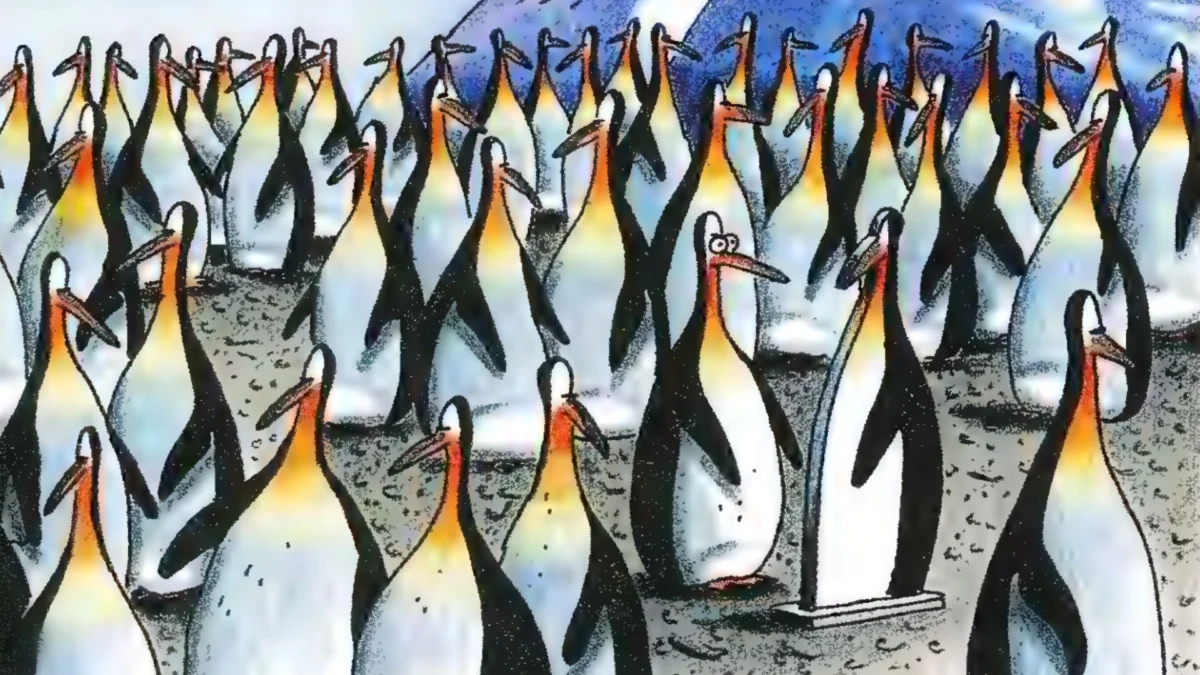
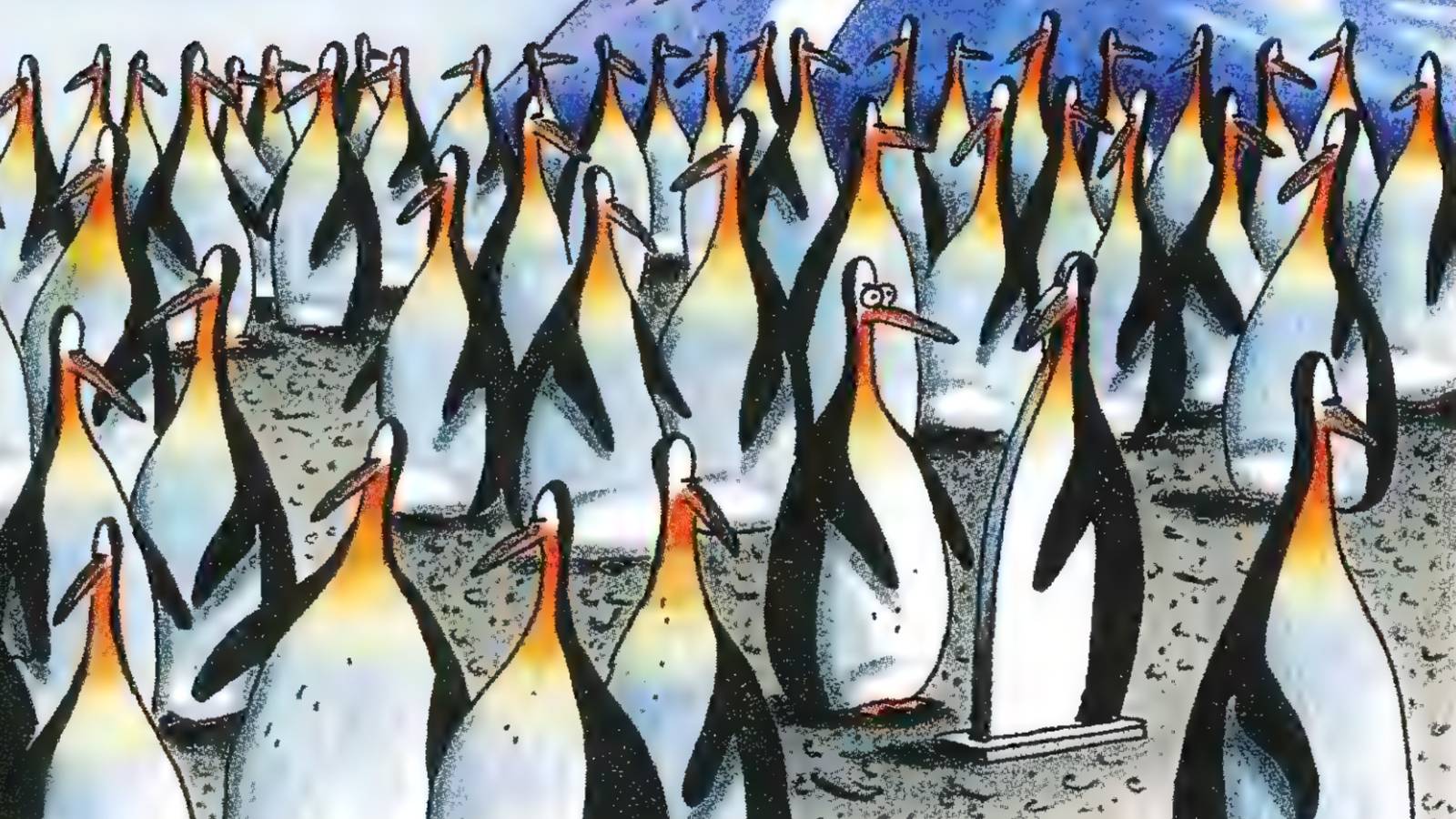
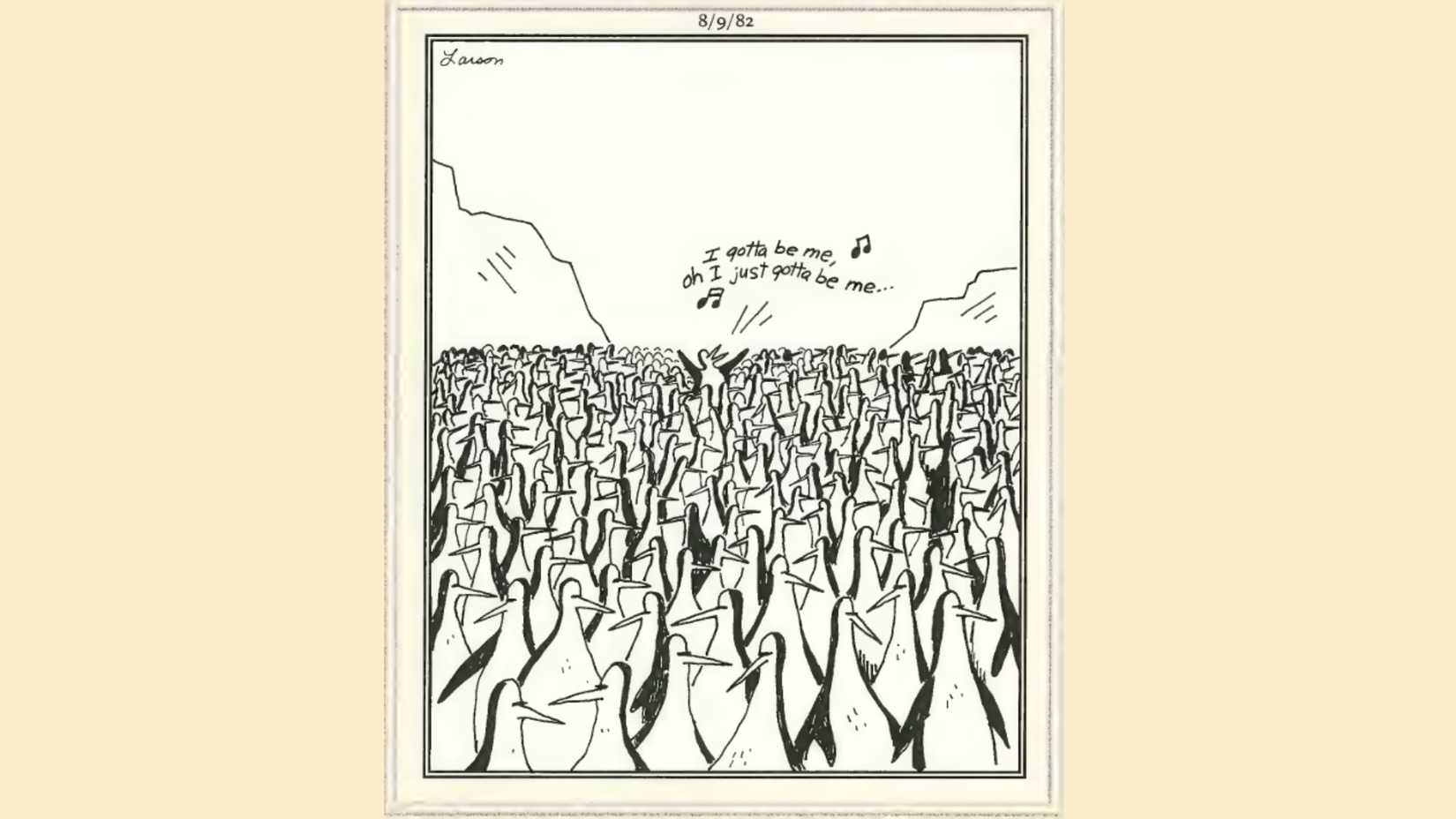
At its core, the humor in a Gary Larson penguin strip often stems from a tension between the bird’s biological nature and human projection. Larson recognized that penguins, with their upright posture and monochromatic coloring, were the perfect vessels for human satire. They represent a "herd" mentality—a mass of indistinguishable figures—which allowed Larson to explore themes of individuality, social anxiety, and the existential dread of being "just another face in the crowd."
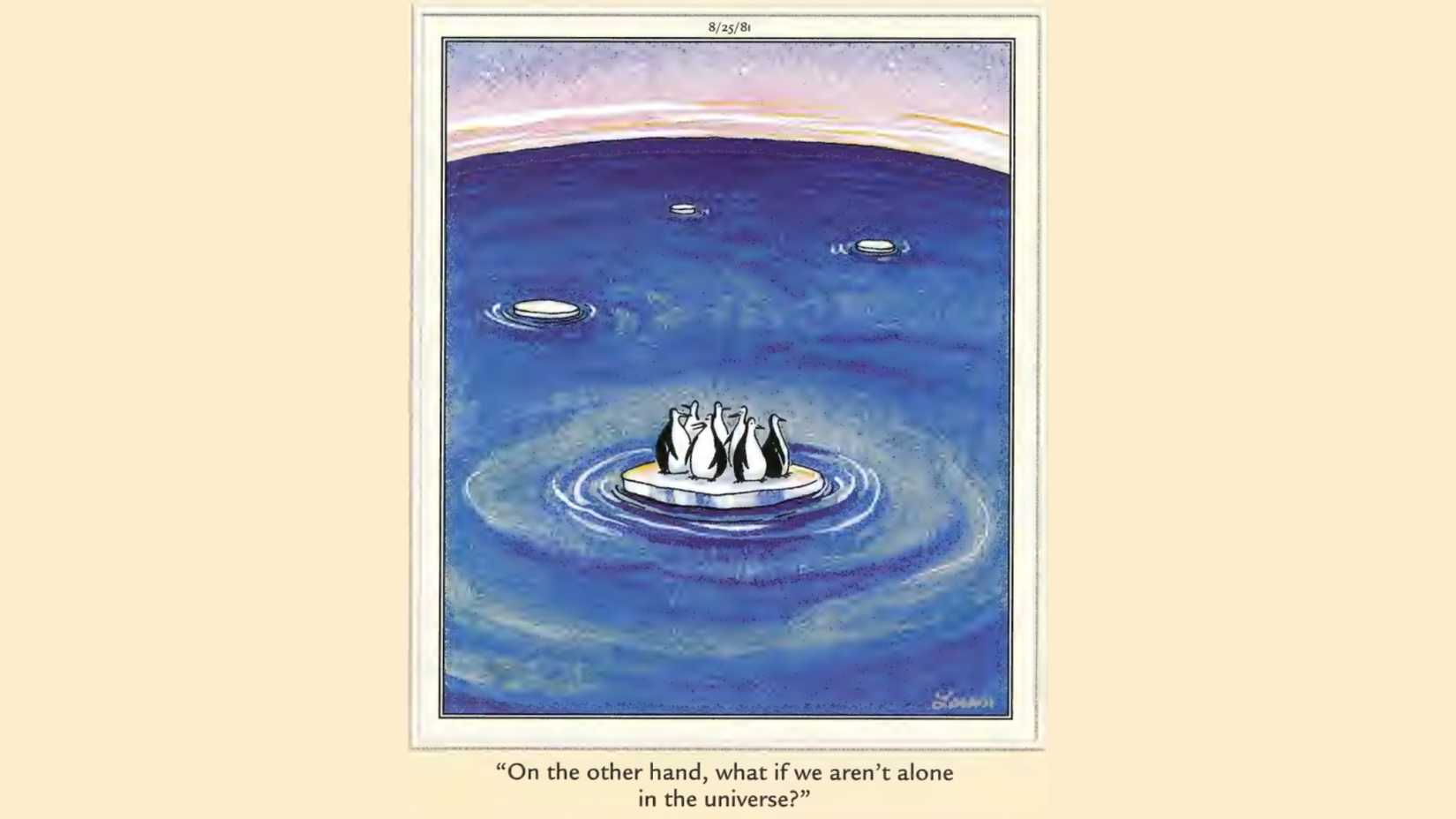
Unlike his depictions of predators or insects, where the humor is often violent or grotesque, the penguin strips lean into a more gentle, albeit cynical, observation. They are the quintessential "everyman" of the polar landscape. When Larson forces a penguin to ponder the nature of existence while wandering an ice sheet, he isn’t just making a joke about a bird; he is satirizing the human tendency to seek meaning in a cold, indifferent universe.
A Chronological Survey of Antarctic Comedy
To truly understand the evolution of Larson’s work, one must look at the breadth of The Complete Far Side. Across the decades, the portrayal of these flightless birds shifted from simple visual gags to complex, multi-layered narratives.

The Early Years: Visual Puns and Simple Tropes
In the early days, Larson relied heavily on the visual inherent to the penguin’s appearance. The "tuxedo" aesthetic provided an endless supply of formal-wear jokes. Whether a penguin was attending a gala or attempting to navigate a social situation in the Antarctic, the joke often centered on the irony of a creature built for sub-zero temperatures acting like a member of high society.
The Middle Era: Scientific Subversion
As Larson’s confidence grew, so did his reliance on "the joke behind the joke." He began integrating scientific trivia—often gleaned from the vast array of nature documentaries and journals he consumed—into his strips. This is where we see the "detective" penguins or the "mega-penguin" kaiju. He took established biological facts—such as the Adélie penguin’s habit of stealing stones for nests or the migration patterns of emperor penguins—and twisted them into scenarios of noir crime or epic tragedy.
The Later Years: Metaphysical Ponderings
By the final years of the strip, Larson was fully committed to the "absurdist existentialist" approach. The penguins became vessels for the darkest, most biting satire of the series. The humor became less about the bird and more about the human condition—the feeling of being trapped in a life where you are surrounded by thousands of people who look and act exactly like you.
Supporting Data: When Science Meets the Sketchpad
One of the most remarkable aspects of The Far Side is how often Larson’s "absurd" premises aligned with actual biological reality.
The Stone Thieves
Larson famously depicted penguins as criminal elements, stealing pebbles from one another. In reality, the Adélie penguin is a notorious "stone thief." According to the Polar Journal, these penguins are highly territorial regarding the small rocks required to build their nests. When a neighbor isn’t looking, a penguin will often swoop in and snatch a stone, leading to what can only be described as a frantic, flightless brawl.
The Great Migration
Larson’s strips featuring penguins on long, arduous journeys are grounded in the harsh reality of their life cycle. The U.S. Geological Survey has tracked Adélie penguins traveling over 12,000 kilometers in a single winter migration. When Larson shows a group of penguins debating the meaning of life while walking across a desolate ice shelf, he is tapping into the genuine, epic scale of their survival struggle.
The "Where’s Waldo" of the Antarctic
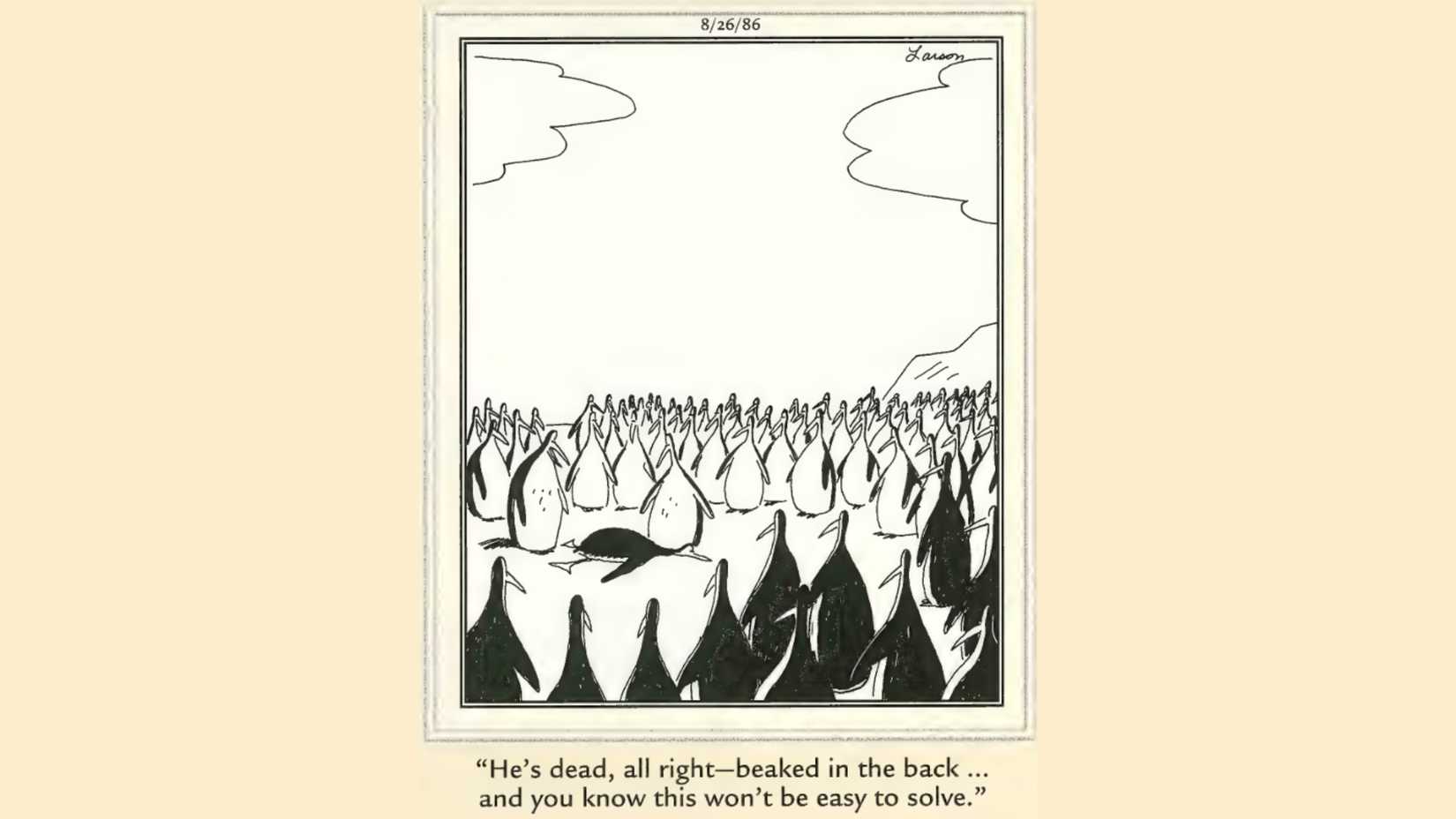
The trope of "finding Frank" in a crowd of identical penguins is a clever nod to the difficulty of identification in a colony. As noted by SeaWorld, penguins in large colonies cannot rely on visual recognition; they rely almost exclusively on vocalizations to identify mates and offspring. Larson’s comic, which dares the reader to pick out one individual from a sea of thousands, perfectly illustrates the biological reality of the colony’s social structure.
Official Responses and Cultural Impact
While Gary Larson has historically remained private regarding the "meaning" of his work, the cultural legacy of his penguin strips is undeniable. Critics have frequently cited his ability to synthesize complex scientific concepts into a single, digestible image as the reason for his longevity.
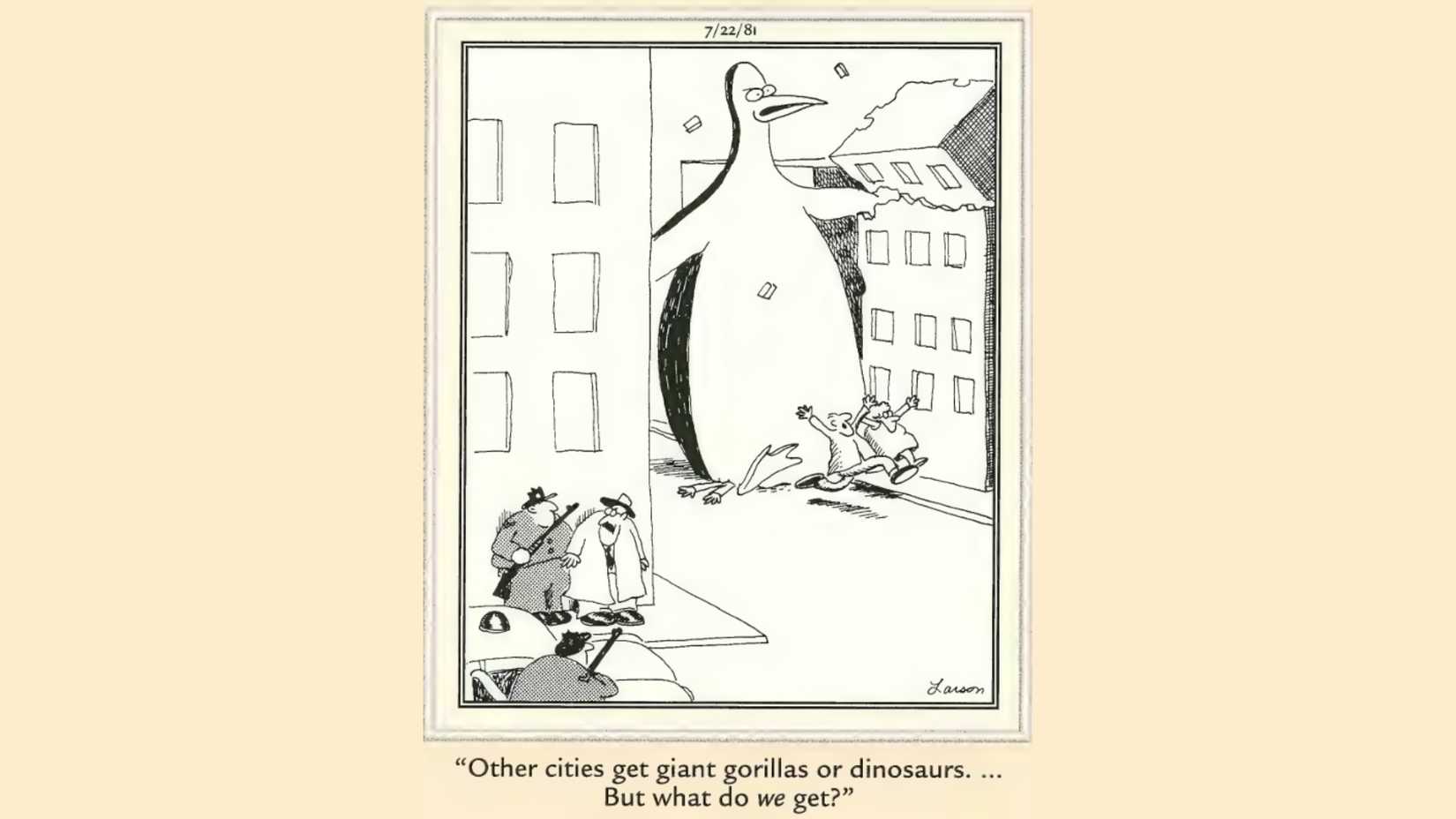
Educators have even utilized these strips to introduce students to zoology. By presenting the birds in human scenarios, Larson sparked curiosity about their actual behavioral patterns. The "Kaiju" penguin strip, while scientifically impossible, opens the door to discussions about prehistoric megafauna, such as Kumimanu fordycei, which weighed nearly 340 pounds. The humor acts as a gateway to learning.
Implications: The Enduring Legacy of the Tuxedoed Bird
The implications of Larson’s work on popular culture are significant. He redefined the "nature comic," moving it away from the cutesy, anthropomorphic animals of earlier eras (like Disney’s Silly Symphonies) and into a space that was intellectual, challenging, and occasionally unsettling.
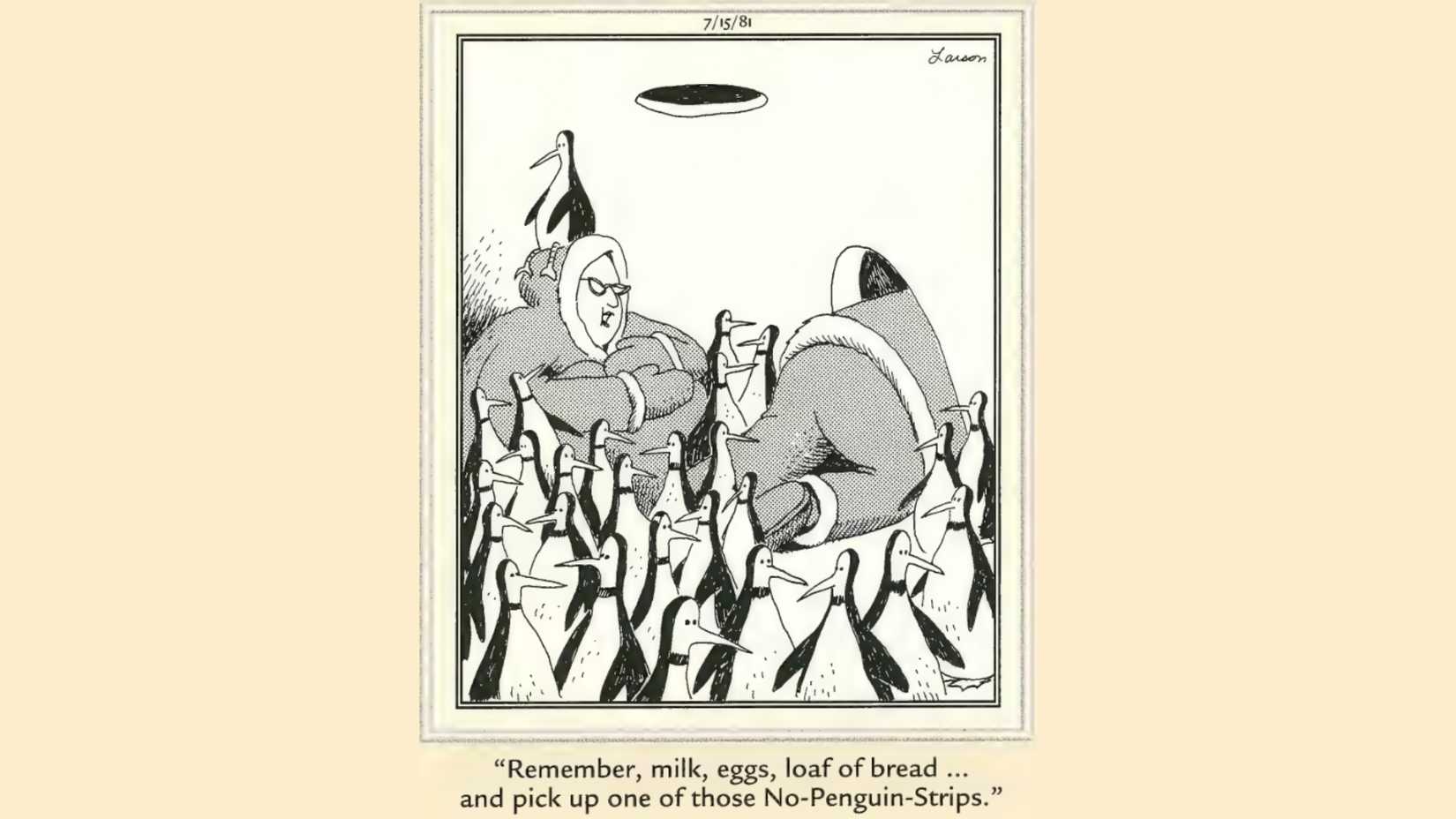
For the modern reader, the appeal of these strips persists because the core themes—individuality, conformity, and the search for purpose—remain universal. We look at a panel of a hundred penguins and we see our own office cubicles, our own subway commutes, and our own desires to be "the one penguin" who stands apart.
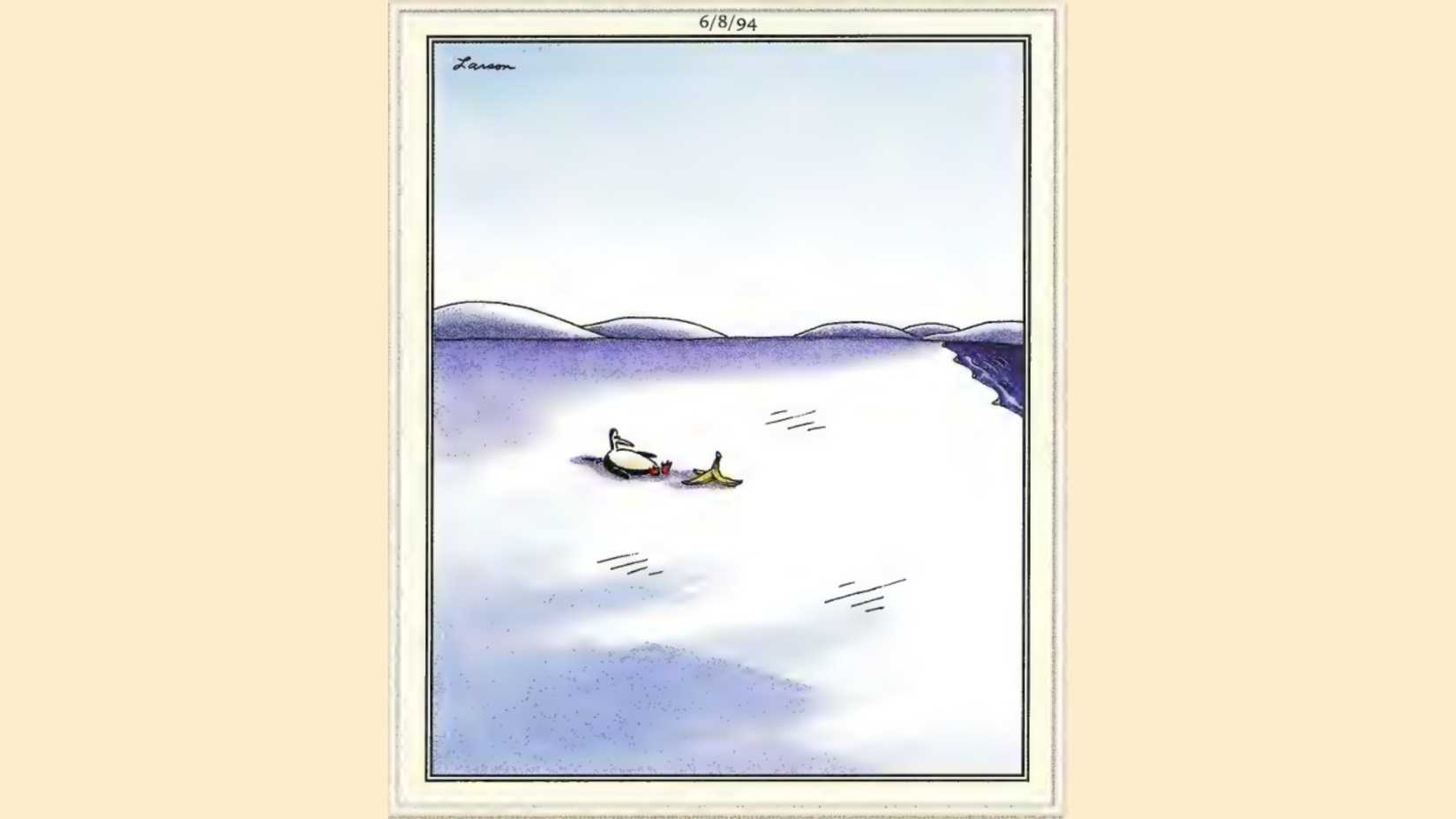
Larson’s penguins are not just jokes; they are reflections. They are a reminder that in a world that often demands conformity, there is a certain, strange dignity in being a creature that simply keeps walking, regardless of the cold, the distance, or the absurdity of the journey. Whether they are slipping on a banana peel—a nod to the hazards of urban life—or searching for a missing spouse in a crowd, they represent the resilience and the comedy of life itself.
Conclusion
Gary Larson’s contributions to the world of comics transcend simple gag-writing. Through his penguins, he provided a masterclass in observational comedy, proving that the most profound insights into human nature often come from the most unlikely sources: a bird that cannot fly, living on the edge of the world, wearing what appears to be a formal dinner jacket. As we continue to revisit The Complete Far Side, the penguins remain a highlight—a testament to Larson’s genius in finding the humor, the darkness, and the heart in the frozen, lonely corners of our planet.
