
The Liberation of Form: Rodrigo Moreno’s The Delinquents and the Rebirth of Argentine Cinema
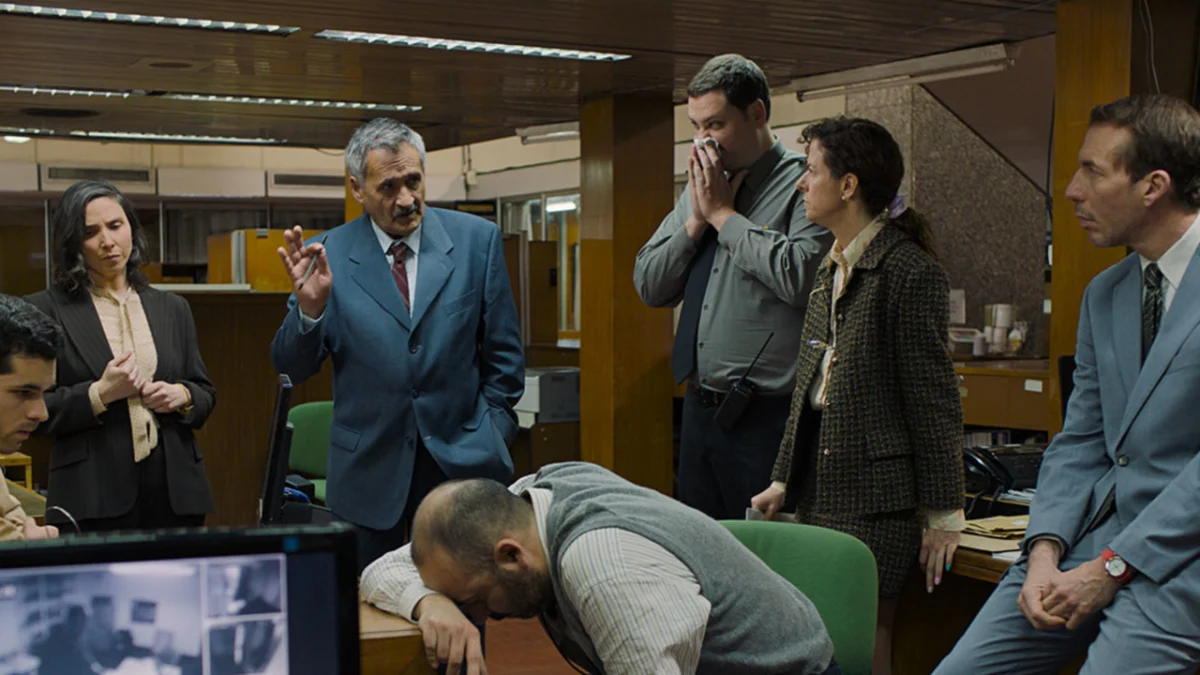
In the landscape of contemporary world cinema, few works have arrived with the singular, expansive ambition of Rodrigo Moreno’s The Delinquents (Los delincuentes). A sprawling 189-minute masterwork that defies easy categorization, the film marks a triumphant return to narrative fiction for the 51-year-old Argentine director. After a decade spent navigating the nuances of docu-fiction and observational documentary, Moreno has re-emerged with a film that acts as both a culmination of his past experiments and a bold, playful evolution of his craft.
Once considered a forgotten figure of the "New Argentine Cinema" movement, Moreno has, with this project, firmly reasserted his position as one of the most intellectually rigorous and aesthetically daring filmmakers of his generation. The Delinquents is not merely a film; it is a cinematic inquiry into the nature of time, the shackles of capitalist labor, and the elusive, often contradictory definition of freedom.
The Genesis of a Heist: A Narrative Premise
At its structural heart, The Delinquents draws its primary inspiration from Hugo Fregonese’s 1949 noir classic, Hardly a Criminal (Apenas un delincuente). The premise is as simple as it is seductive: a weary bank clerk, Morán (Daniel Elías), concocts an embezzlement scheme to steal $650,000—a sum equal to his combined wages until retirement. His plan is calculated and audacious: he will confess, serve a maximum seven-year prison sentence, and retrieve the hidden loot upon his release.
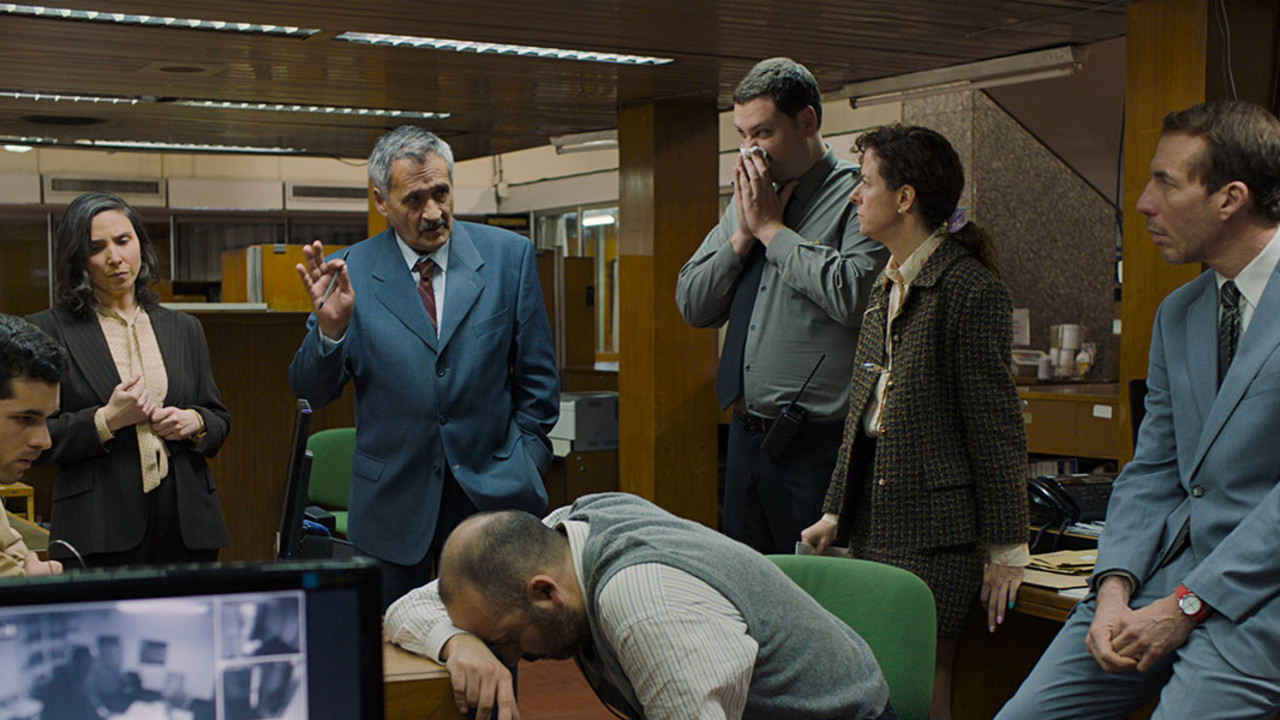
He enlists the help of his colleague, Román (Esteban Bigliardi), to store the money. However, what begins as a precise crime quickly descends into a labyrinthine journey of existential discovery. As the branch manager and a suspicious CPA apply pressure, the heist narrative—initially cloaked in the shadows of noir—dissolves into something far more lyrical and meandering. The film moves from the claustrophobic, urban architecture of downtown Buenos Aires to the expansive, sun-drenched landscapes of the countryside, mirroring the characters’ own psychological trajectory from the rigidity of the workaday grind to the terrifying, boundless potential of leisure.
A Chronology of Creation
The production of The Delinquents was as non-linear and reflective as the film itself. Development spanned over three and a half years—a period notably mirroring the prison term served by the protagonist, Morán.
- Initial Conception: Moreno was originally approached years ago to remake Hardly a Criminal. He initially rejected the project, citing an inability to identify with the protagonist’s purely materialist motivations.
- The Shift in Perspective: Years later, the director revisited the material, choosing not to remake the film but to "deform" it. He split the original character into two—Morán and Román—creating an anagrammatic duality that allowed for a dialogue between past traditions and contemporary sensibilities.
- The Editing Process: The film’s two-part structure was not a pre-conceived plan but a discovery made in the editing suite. Following three years of intermittent shooting, Moreno spent three months in isolation, reorganizing the footage. It was during this phase that he relocated a pivotal flashback involving the character Norma (Margarita Molfino) to the third act, a decision that transformed the film from a straightforward crime procedural into a meditation on romantic memory and personal freedom.
Artistic Influences and "The Joy of Leisure"
Moreno’s work is openly cinephilic, yet it avoids the "anxiety of influence." He acknowledges nods to the works of Robert Bresson—whose L’argent appears in the film—and the Italian director Ermanno Olmi. However, he emphasizes that these references are less about pastiche and more about mood.
The Role of Non-Productive Time
A central theme of the film is the dichotomy between "productive" and "non-productive" time. By incorporating scenes of swimming, reading poetry, and aimless conversation, Moreno forces the viewer to confront the societal mandate of utility. As he notes in conversation, the storytelling itself had to be "non-productive" to match the film’s thematic core. If the narrative were too brisk, it would betray the characters’ quest for liberation from the capitalist clock.
The Buenos Aires Portrait
The film functions as a love letter to the architecture of Buenos Aires, a city Moreno views as a "pale image" of its former self. By blending modern footage with archival-style observations, he captures a city that is simultaneously present and historical. The use of Astor Piazzolla’s music—specifically an oboe-heavy arrangement—serves to bridge the gap between the film’s modern sensibilities and the traditions of classic Argentine cinema.
Official Perspective: The Director’s Stance
In an exclusive discussion regarding his process, Moreno clarified his relationship with the labels of "fiction" and "documentary."
"I consider myself a director of fiction films," Moreno stated. "Even my documentaries were just different instruments to sing the same song. The Delinquents is simply a film where I bought some clothes, shoes, and hats to dress it up."
Addressing the comparisons to his peers at El Pampero Cine—notably the sprawling epics of Mariano Llinás (La Flor) and Laura Citarella (Trenque Lauquen)—Moreno maintains a sense of professional distance. While he acknowledges the thematic overlap, he distinguishes his approach as one of "solitude" compared to the "collectivity" of his contemporaries. "I consider myself a lone soldier," he remarked, noting that his creative process is a solitary pursuit, akin to keeping a diary by other means.
Implications for Modern Independent Cinema
The Delinquents arrives at a pivotal moment for world cinema. It challenges the industry-standard pressure for brevity and moralistic, three-act storytelling. Its success suggests a renewed appetite for "fabulist-minded" narratives that prioritize atmosphere and form over plot-driven tension.
Key Implications:
- Reclaiming Tradition: The film demonstrates that contemporary filmmakers can engage with their national cinematic heritage without being subsumed by it. By acknowledging the "ancestors" of Argentine film, Moreno has created a bridge rather than a barrier.
- The Death of Cruelty: Perhaps most significantly, Moreno identifies The Delinquents as a conscious departure from the "cruelty" that permeated his earlier works, such as El custodio. By removing the cynical, punitive tone often found in crime dramas, he offers a vision of cinema that is fundamentally humanist.
- The Freedom of Form: The film proves that if a filmmaker follows their own "objects of desire"—be it a love of music, a specific architectural style, or a recurring motif—the resulting work carries a sense of joie de vivre that resonates with audiences tired of formulaic content.
In the final analysis, The Delinquents is a testament to the power of the director as an auteur. It is a film that refuses to be rushed, demanding that the viewer sit with its characters in the quiet, the mundane, and the poetic. By wandering off the path of the traditional heist film, Rodrigo Moreno has found something far more valuable: a profound, lasting freedom of expression that secures his place at the forefront of modern cinema. As the film’s central question asks—"Was it a song, a riddle, or a story?"—the answer, ultimately, is that it is all of the above, and a game worth playing.
