
Unmasking the Monster: A Deep Dive Into Gaskins: The Hitchhiker Killer and the True-Crime Horror Phenomenon
By Horror News Desk
Published: October 14, 2026
Main Facts
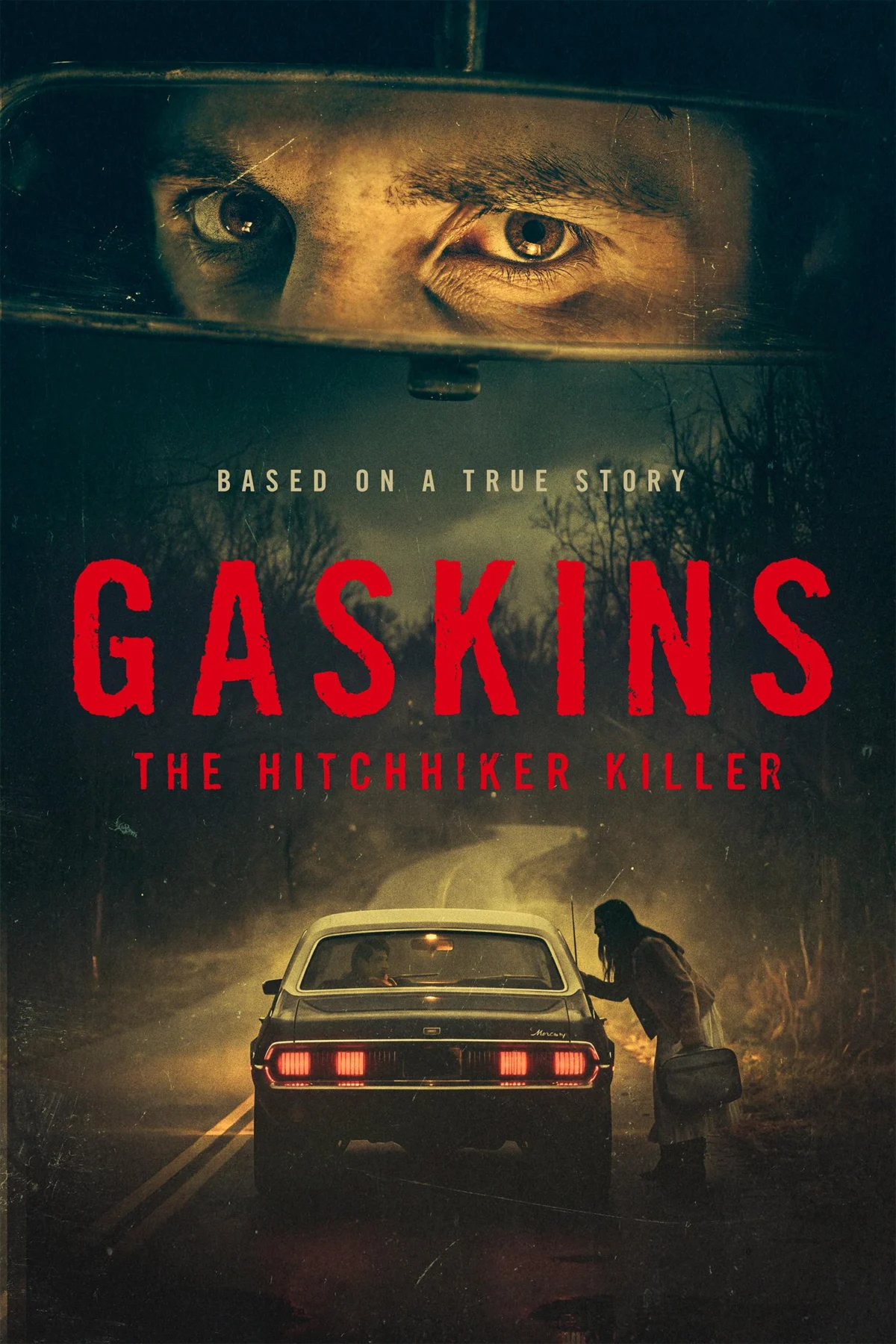
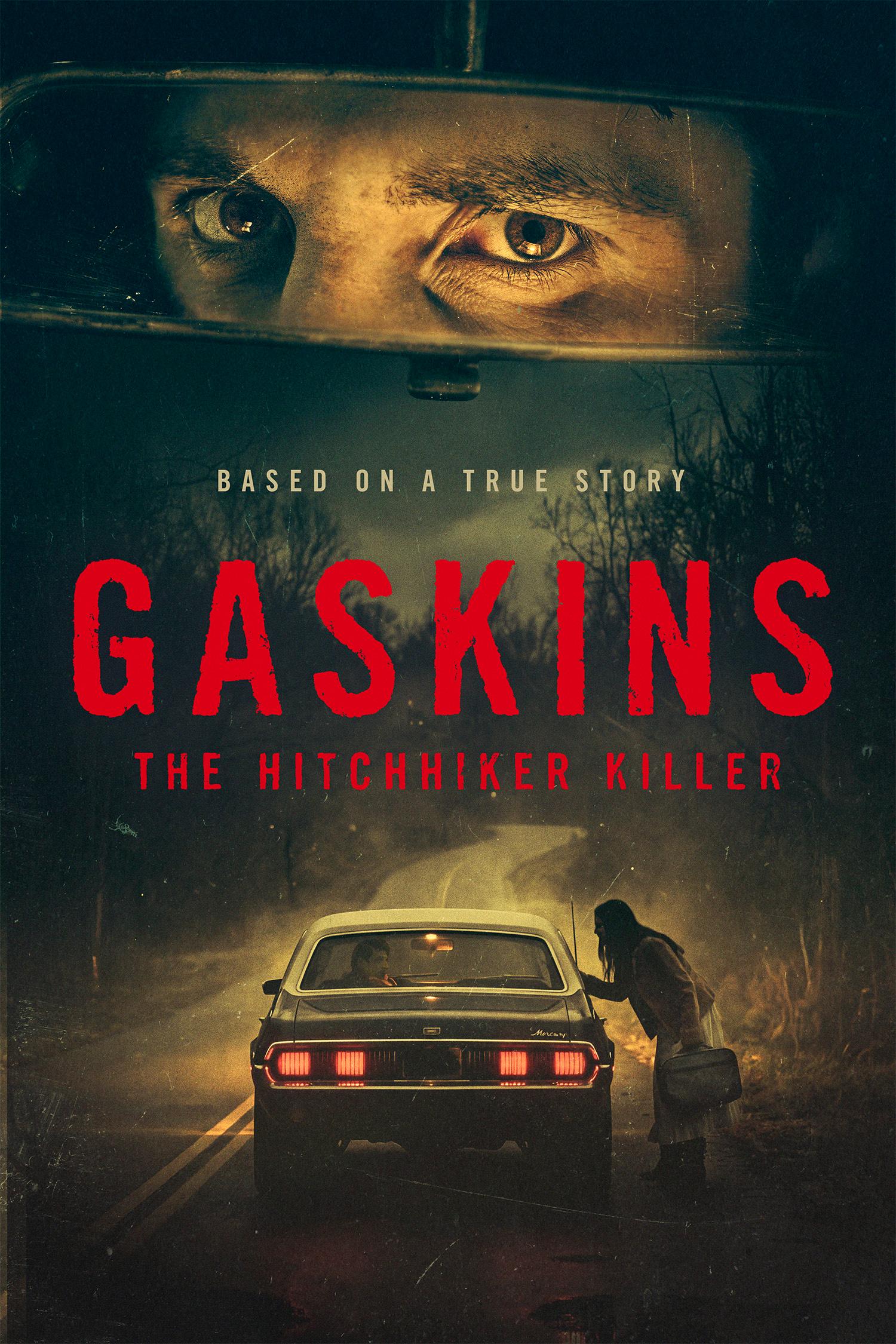
The relentless intersection of true crime and independent horror has found a new, deeply unsettling entry with the release of Gaskins: The Hitchhiker Killer. Directed by Chris Helton and penned by screenwriter JL Goddard, the feature-length film pulls no punches as it drags audiences deep into the grimy, sweat-soaked, and blood-stained underworld of Donald “Pee Wee” Gaskins, one of the most prolific and sadistic serial killers in South Carolina history.
Anchored by a chilling lead performance from Taylor Stiles—who steps into the terrifying shoes of the infamous murderer—the film also stars Warren Levi Haney and Shena Verrett, who help anchor the bleak cinematic landscape. Based on historical accounts that span from the 1960s through the 1980s, the film charts Gaskins’ reign of terror, his eventual unraveling, and the suffocating psychological weight of a community and a past closing in around him. Rather than glamorizing its subject, the production leans heavily into an atmosphere of suffocating dread, presenting a stark, unblinking look at rural American darkness that lingers long after the credits roll.
Chronology: The Evolution of a Nightmare
To understand the narrative backbone of Gaskins: The Hitchhiker Killer, one must examine both the timeline of the film’s narrative scope and the historical trajectory of the man who inspired it.
The Cinematic Timeline
Gaskins: The Hitchhiker Killer structures its narrative across two pivotal decades:
- The 1960s Foundation: The film establishes Gaskins operating within the shadowy, lawless margins of the American South. This era highlights his early methodology, capitalizing on vulnerable hitchhikers and isolated backroads where law enforcement presence was sparse.
- The 1970s Expansion: As his crimes escalate in frequency and depravity, the film explores the psychological toll and the creeping paranoia that begins to infect Gaskins’ daily existence.
- The 1980s Reckoning: The concluding acts of the film focus on the tightening net. The narrative dramatizes the convergence of investigative pressure, old grievances, and the inevitable downfall of a killer whose world is finally collapsing inward.
The Historical Reality of Donald "Pee Wee" Gaskins Jr.
The real Donald Henry Gaskins Jr. (1933–1991) was a terror whose crimes horrified the nation. Convicted of multiple murders—though suspected of dozens more—Gaskins operated primarily in South Carolina. His methods were predatory, often targeting hitchhikers, runaways, and casual acquaintances. His spree finally ended due to a combination of brave victim survival testimonies, persistent local law enforcement, and informants within his own criminal network. Gaskins was eventually executed via the electric chair in South Carolina in 1991, notable also for being the last person executed in the state before the introduction of lethal injection, as well as for killing a fellow inmate while on death row using a makeshift radio-part explosive device.
The film captures this historic arc, translating the suffocating inevitability of his capture into a compelling narrative engine.
Supporting Data & Production Insights
In the competitive landscape of independent true-crime cinema, standing out requires more than just shock value. Gaskins: The Hitchhiker Killer attempts to balance visceral horror with atmospheric storytelling.
Cast and Crew Breakdown
- Director: Chris Helton, known for his steady hand in handling tense, claustrophobic independent narratives.
- Writer: JL Goddard, whose script carefully navigates the fine line between biographical drama and exploitative horror.
- Lead Actor: Taylor Stiles delivers what early reviews term a "strong central performance," avoiding caricature to present a quiet, unnerving menace.
- Supporting Cast: Warren Levi Haney and Shena Verrett provide crucial dramatic weight, rounding out the bleak socio-economic backdrop of the rural South.
Critical Reception & Audience Metrics
Early critical consensus points to several key takeaways regarding the film’s execution:
- Atmosphere over Gore: While the film features undeniably nasty and brutal moments, critics note that its true power stems from an oppressive, grimy aesthetic rather than endless cheap jump scares.
- Pacing Observations: Some reviewers note minor pacing drags in the middle acts—a common pitfall in biographical crime dramas—yet praise the film’s ability to maintain tension through the sheer weight of its historical subject matter.
- The True-Crime Effect: Much like classic cinematic adaptations of real-life killers, Gaskins capitalizes on the modern audience’s insatiable appetite for true crime, driving viewers straight from the theater seats to historical archives and documentary podcasts.
Official Responses and Creative Intentions
Bringing a figure as reprehensible as Donald Gaskins to the screen requires immense sensitivity from the filmmaking team to avoid crossing the line from historical horror into tasteless exploitation.
Speaking on the creative direction of the project, director Chris Helton and writer JL Goddard have consistently emphasized that their goal was never to elevate Gaskins to the status of a cinematic antihero or a misunderstood mastermind. Instead, promotional and production insights highlight an explicit intention to strip away any mystique surrounding the killer.
"You aren’t watching a glamorous mastermind; you are watching a deeply disturbed individual whose world slowly and agonizingly crumbles," notes early critical analysis of the film’s tone. By focusing heavily on the claustrophobia of his final years of freedom and the inescapable karma of his past, the creators aimed to honor the victims by refusing to let the monster control the narrative legacy. The emphasis remains firmly on the dread of accountability—the psychological prison that precedes the physical one.
Implications for the True-Crime Horror Genre
The release of Gaskins: The Hitchhiker Killer arrives at a fascinating cultural crossroads. As streaming platforms and independent cinema continue to break records with true-crime content, horror filmmakers are increasingly turning to real-life American nightmares to fuel their scripts.
1. The Ethics of True-Crime Dramatization
Films like Gaskins force audiences and critics to re-evaluate the ethical boundaries of adapting real-life tragedies into entertainment. When executed poorly, these films risk sensationalizing real human suffering. However, when handled with the gritty, unglamorous gravity displayed by Helton and Goddard, the genre can serve as a dark mirror to societal blind spots, reminding viewers of the very real dangers that existed—and continue to exist—along forgotten American backroads.
2. The Rise of Gritty Independent Cinema
With major studios heavily fixated on intellectual property and franchise universes, independent filmmakers are carving out a lucrative and critically respected niche by delivering unfiltered, regionally specific horror. Gaskins proves that audiences are starving for stories anchored in local folklore, regional history, and raw human depravity over CGI-heavy spectacle.
3. Sustained Audience Engagement
The ultimate implication of Gaskins: The Hitchhiker Killer is its capacity to spark renewed historical inquiry. By driving viewers to research the real-life case files following the credits, the film transcends standard cinematic boundaries, functioning simultaneously as a work of narrative horror and a stark historical reminder of a terrifying era in American criminal history.
For fans of dark, nasty, and uncompromising independent horror, Gaskins: The Hitchhiker Killer stands as a grim reminder that sometimes, the most terrifying monsters are the ones that actually walked among us.
