
Experiential Marketing Weekly Roundup: From 90s Horror Video Stores to High-Tech "Street Fighter" Arenas
In the fast-evolving landscape of experiential marketing, brands are increasingly leaning into nostalgia, gamification, and immersive multisensory environments to forge deeper connections with consumers. This week’s roundup examines five of the most imaginative activations making waves globally. From celebrating cinematic milestones and addressing urban exhaustion to reimagining culinary history and sports fandom, major brands are proving that physical engagement remains the ultimate tool for brand loyalty.
Main Facts
The experiential marketing sector continues to push boundaries by blending physical retail spaces with pop culture, interactive gaming, and data-driven consumer rewards. Key highlights from this week’s activations include:
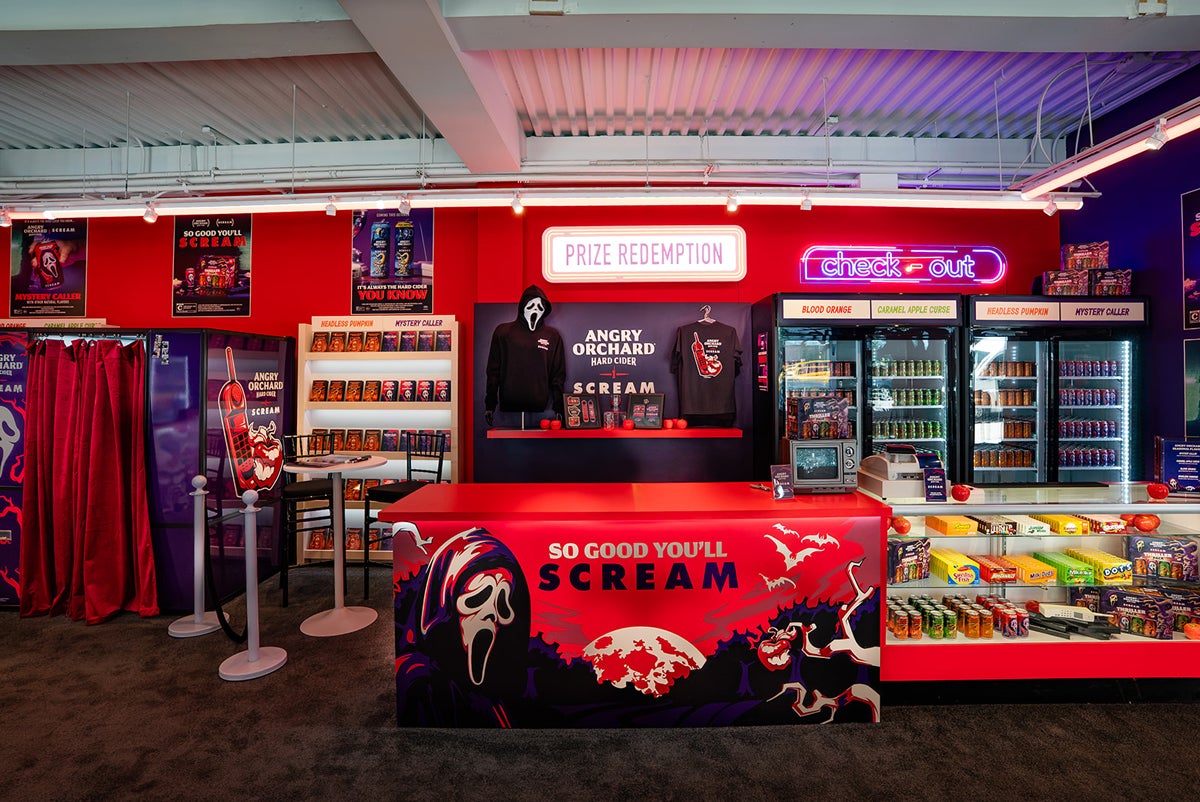
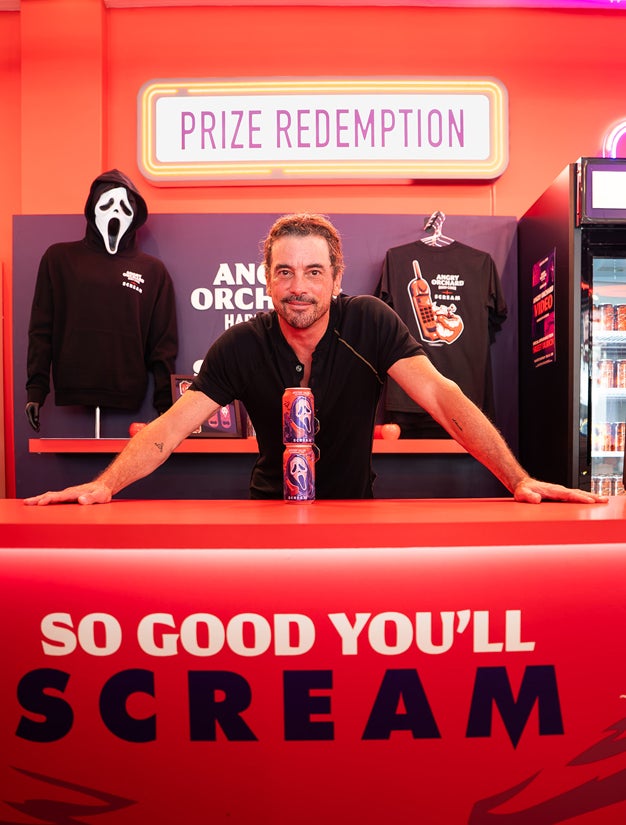
- Angry Orchard’s Retro Video Store: To mark the 30th anniversary of the original Scream franchise and debut a new Ghost Face-inspired cider, Angry Orchard—alongside Fun World and agencies Little Red Bean Productions and Golin Ketchum—built a fully functional 1990s-themed video rental store in New York City.
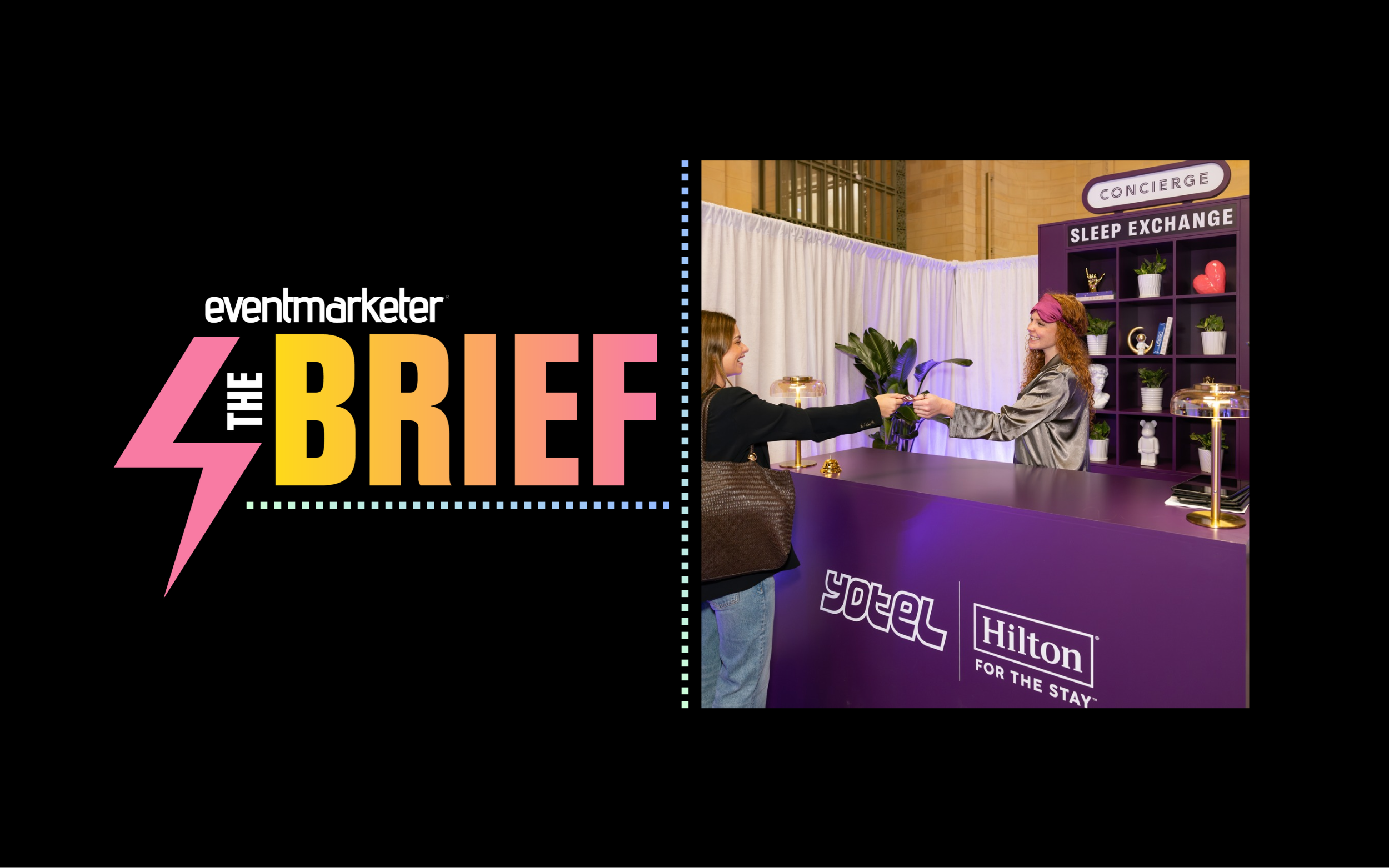
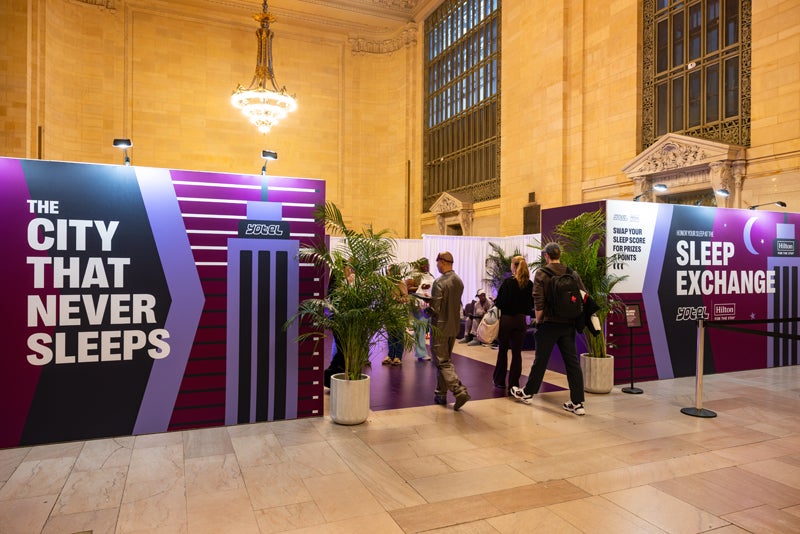
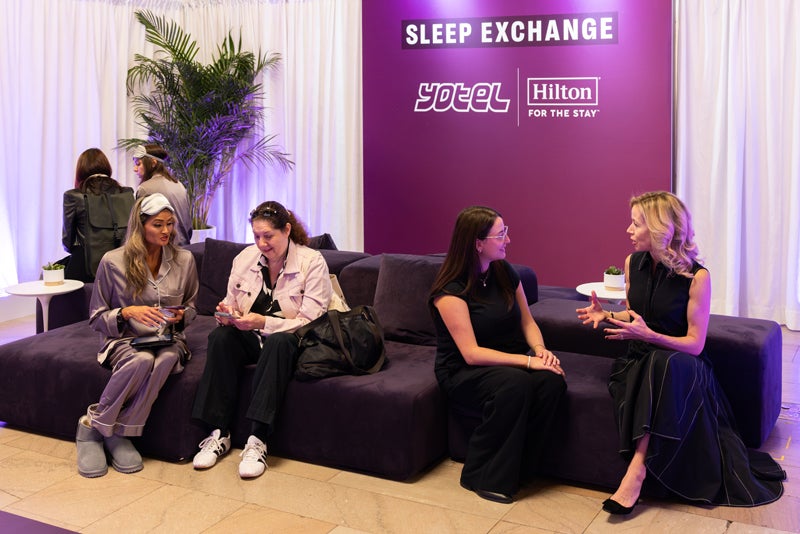
- Yotel and Hilton’s "Sleep Exchange": Capitalizing on the sleep deprivation epidemic in urban centers, Yotel and Hilton partnered to launch their new loyalty integration at Grand Central Terminal’s Vanderbilt Hall, allowing commuters to trade sleep scores for travel perks.
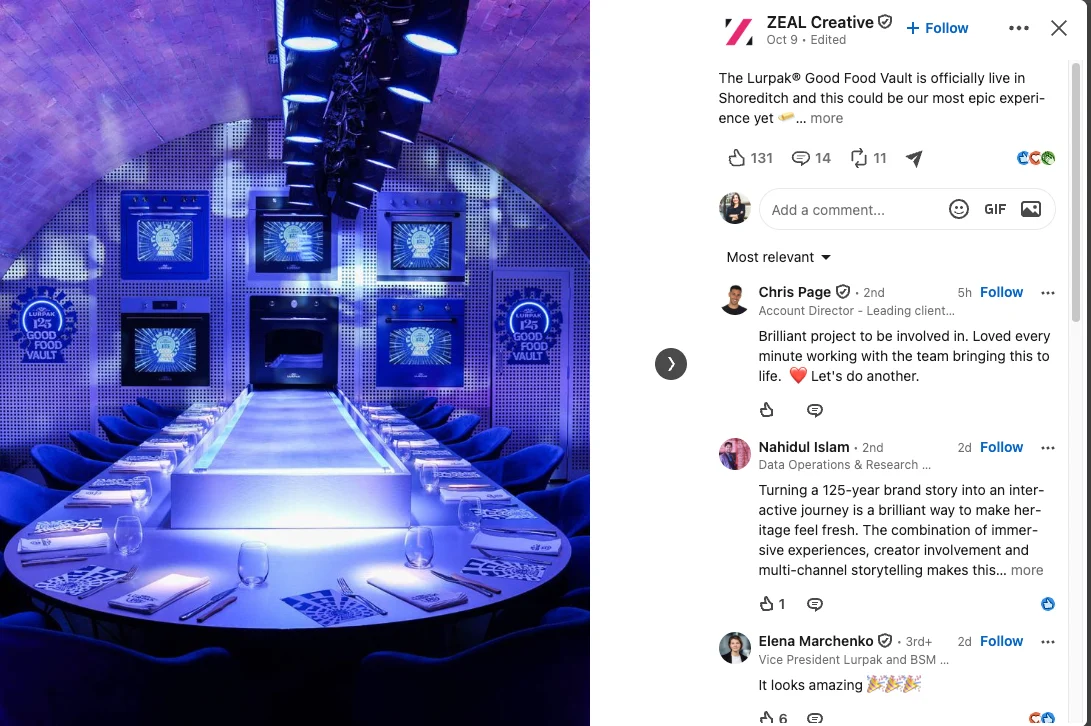
- Lurpak’s 125 Good Food Vault: Celebrating its 125th anniversary, butter giant Lurpak and agency Zeal Creative constructed a multisensory time-travel dining vault in Shoreditch, London, celebrating British culinary history.
- Paramount Pictures’ Street Fighter Times Square Takeaway: Paramount brought the arcade straight to the streets of Manhattan, erecting a massive, fan-controlled Street Fighter cabinet accompanied by live-action stunt performances and a surprise appearance by cast member 50 Cent.
- Heineken’s Custom "Foosballer Table": To celebrate its global partnership with the innovative, fast-growing Baller League, Heineken developed a bespoke six-a-side foosball table featuring miniature figures molded after real league players, rolling out across UK pubs and the Dagenham arena.
Chronology of Events
The past week saw a tightly packed schedule of high-profile brand activations spanning multiple continents and industries:
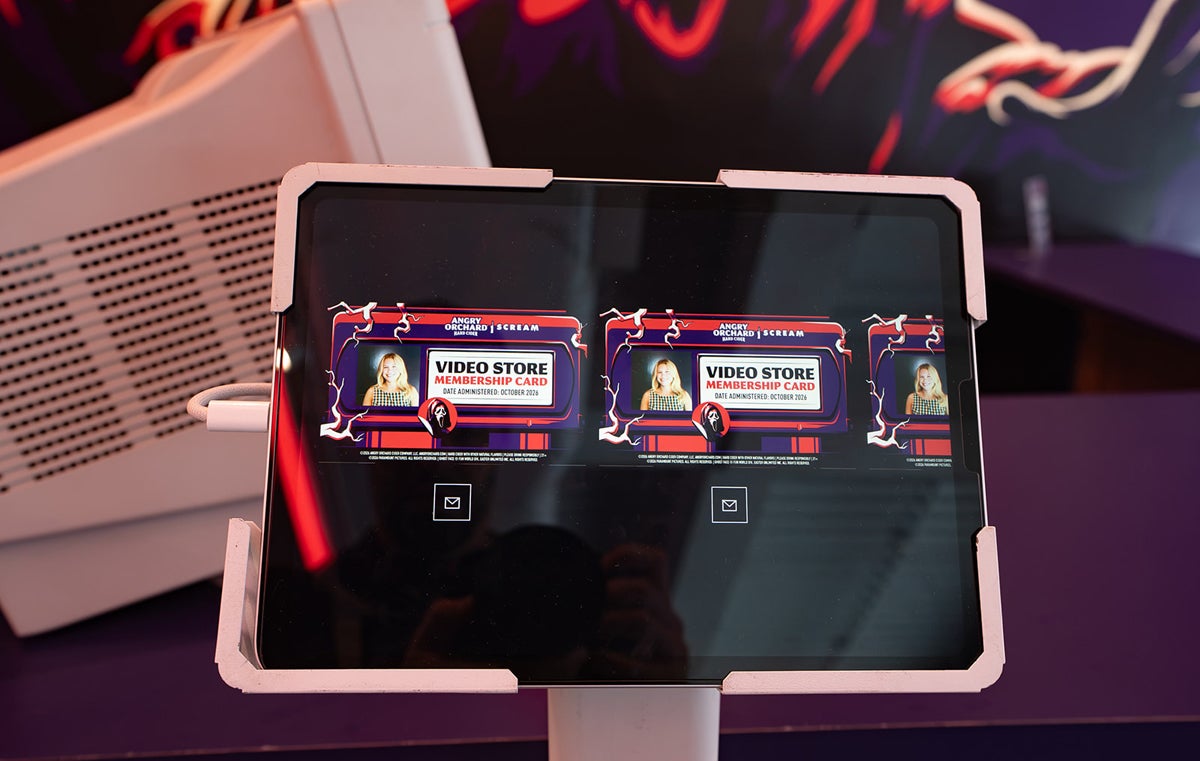
- October 2–3, New York City: Angry Orchard opened the doors of its Scream-inspired video store. Visitors aged 21 and older received custom-printed membership cards, walked through traditional rental aisles, sampled ciders, and met original Scream actor Skeet Ulrich.
- October 6, London: Lurpak opened access to The Lurpak 125 Good Food Vault early for walk-up fans, offering free packaged anniversary cupcakes at Kachette in Shoreditch.
- October 7, New York City: Paramount Pictures seized Times Square for its Street Fighter cinematic promotion, inviting pedestrians to step up to a giant arcade controller and dictate live combat moves performed by professional stunt actors.
- October 7–9, London: Lurpak hosted its exclusive, two-hour multisensory dining sessions at Kachette, guiding 125 passionate home cooks through an interactive, conveyor-belt-driven history of British cuisine.
- October 8, New York City: Yotel and Hilton took over Vanderbilt Hall inside Grand Central Terminal for a single-day "Sleep Exchange," deploying sleep scientist Dr. Rebecca Robbins to consult with travelers and distribute rewards based on self-reported sleep metrics.
- Throughout October (Ongoing): Heineken began rolling out its custom "Foosballer Tables" to select Star Bars and pubs across the UK, as well as the Baller League Arena in Dagenham.
Supporting Data and Metrics
Data-driven experiential design ensures that brands can quantify the impact of their physical footprints. Several activations this week relied heavily on consumer insights and quantifiable metrics:
- Urban Exhaustion Statistics: During the Yotel x Hilton "Sleep Exchange" at Grand Central Terminal, participants completed a dedicated survey tracking their rest habits. The results highlighted a stark reality of city life: 46% of respondents reported sleeping only five to six hours per night, while just 23% classified themselves as having "good sleep," averaging a sleep score between 70 and 79 out of 100.
- Exclusive Capacity Constraints: Highlighting the shift toward exclusive, highly coveted micro-events, Lurpak restricted its core anniversary dining experience to precisely 125 food lovers across its three-day run at Kachette, ensuring high perceived value and scarcity.
- Pop-Culture Milestones: The Angry Orchard activation coincided with the 30th anniversary of the Scream franchise, leveraging decades of generational nostalgia to market its new variety pack containing the Ghost Face-inspired cider.
- Roster Replication: Heineken’s bespoke "Foosballer Table" was meticulously engineered to feature playable figures modeled after precisely 12 top players from the rapidly scaling Baller League.
Official Responses and Creative Direction
Behind every successful experiential campaign lies strategic agency collaboration and creative vision.
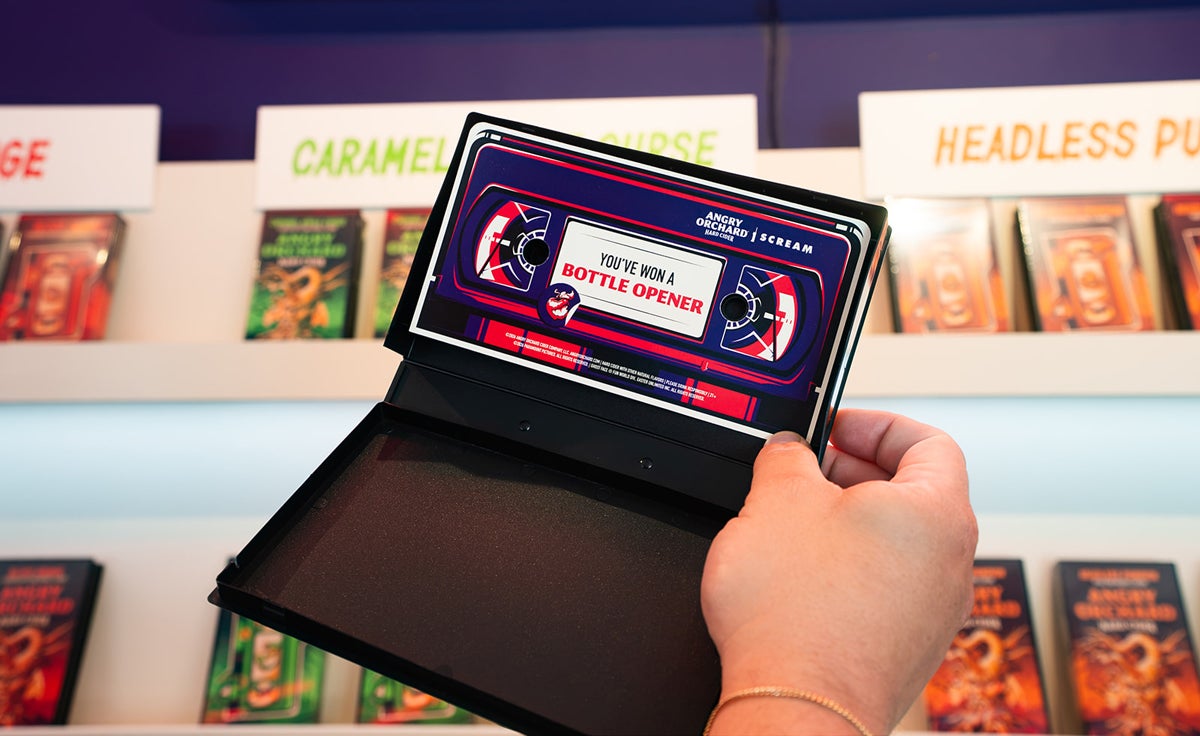
For the Angry Orchard activation, agencies Little Red Bean Productions and Golin Ketchum leaned into physical media nostalgia to foster a sense of playful terror. By partnering with Fun World—the legal copyright holder of the iconic Ghost Face mask—the brand avoided cheap gimmickry, opting instead for an authentic, immersive 90s retail environment complete with concession stands, photo booths, and a surprise guest appearance by original cast member Skeet Ulrich.
In London, Zeal Creative approached Lurpak’s milestone anniversary not merely as a historical retrospective, but as an active, tactile journey. The inclusion of an interactive conveyor belt and ovens allowed home cooks to physically engage with the evolution of British cooking rather than passively watch a presentation.
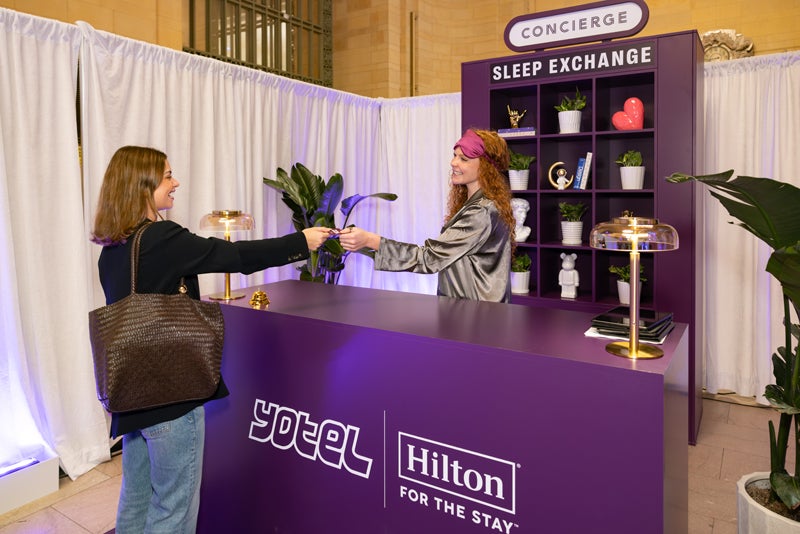
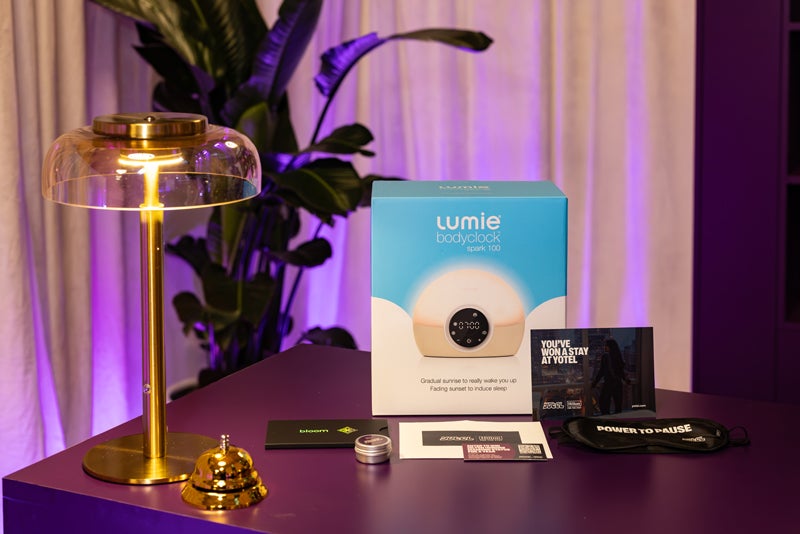
Meanwhile, the partnership between Yotel and Hilton utilized gamification to soften the corporate nature of a loyalty program launch. By framing a hotel concierge desk as a "Sleep Exchange," the brands transformed a mundane survey about fatigue into a rewarding exchange of wellness products, global hotel stays, and Hilton Honors points. Dr. Rebecca Robbins added scientific credibility to the activation, bridging the gap between playful brand interaction and genuine consumer health education.
Strategic Implications for the Experiential Industry
These five campaigns offer a clear roadmap for where experiential marketing is heading:
- Nostalgia as Currency: Whether it is 1990s video rental stores (Scream) or retro physical media tropes, brands are finding that consumers respond deeply to tactile, pre-digital eras. Experiential marketing acts as a time machine, offering comfort and escapism.
- Gamification of Everyday Pain Points: The Yotel/Hilton activation proves that brands can address universal consumer stressors—such as lack of sleep or hectic urban commutes—and turn them into positive touchpoints by rewarding transparency and data sharing.
- Cross-Pollination of Entertainment and Retail: Paramount’s Street Fighter activation demonstrates that movie promotions can transcend traditional trailers by handing the narrative control directly to the audience via oversized, interactive hardware.
- Micro-Exclusivity and Multisensory Storytelling: Lurpak’s strict capacity limits and historical time-travel elements show that modern consumers value intimacy and multi-sensory immersion (smell, touch, taste) over massive, impersonal crowds.
As brands continue to compete for fleeting consumer attention in an increasingly digital world, physical activations that prioritize immersion, emotional resonance, and genuine utility will continue to lead the charge.
