
Echoes of the 90s: Why the Conspiracy Documentary ‘Teenage Wasteland’ Is Essential Viewing
In an era where streaming platforms are saturated with true-crime content—much of it criticized for being exploitative, rushed, or ethically murky—a refreshing and intellectually rigorous entry has emerged on Netflix. Titled Teenage Wasteland, this gripping documentary from acclaimed filmmakers Amanda McBain and Jesse Moss offers a rare synthesis: it captures the raw, unfiltered nostalgia of the pre-smartphone 1990s while delivering a high-stakes, investigative thriller that challenges the viewer’s perception of civic duty.
Having premiered at the 2025 Sundance Film Festival (where it was originally titled Middletown), the film has finally made its way to a global audience. It is not merely a trip down memory lane; it is a profound examination of how a small-town classroom became the epicenter of a dangerous environmental and political conspiracy.
The Premise: A Classroom Turned Investigative Bureau
The narrative hook of Teenage Wasteland is as simple as it is compelling. Set in the 1990s in Middletown, New York, the film centers on an unconventional high school teacher who notices a disturbing pattern: a friend living near the local town dump is suffering from a series of mysterious, debilitating health issues. Simultaneously, the teacher observes suspicious activities occurring in the shadow of the facility—practices that hint at environmental negligence and corporate malpractice.
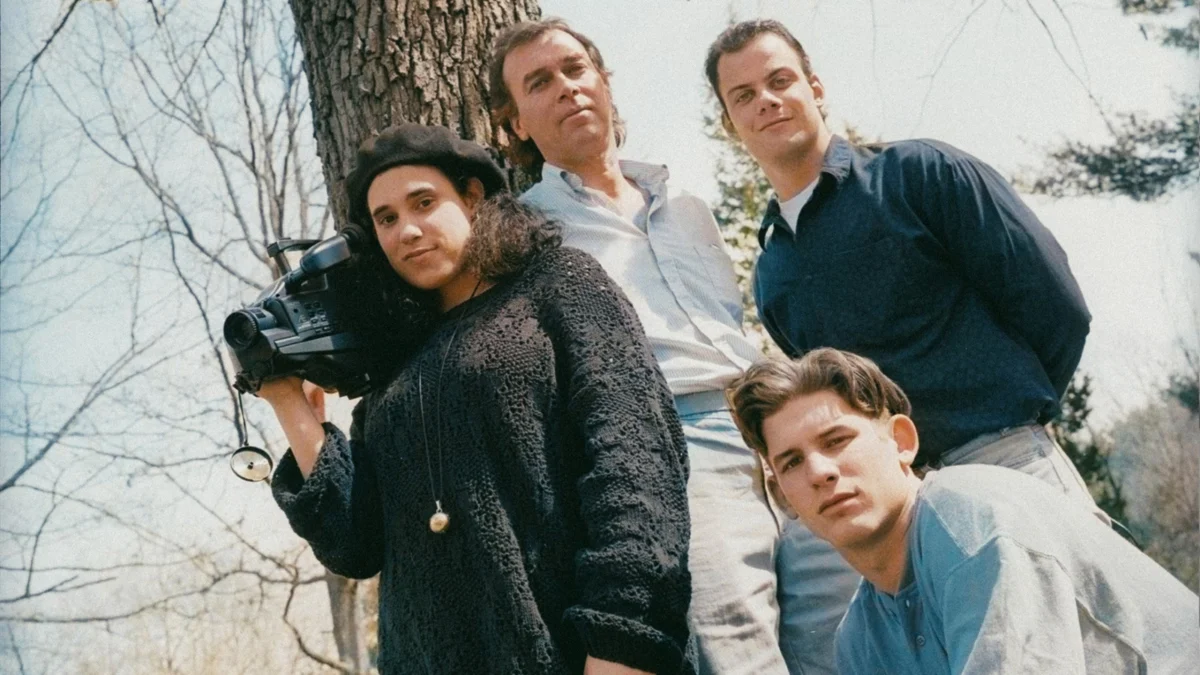
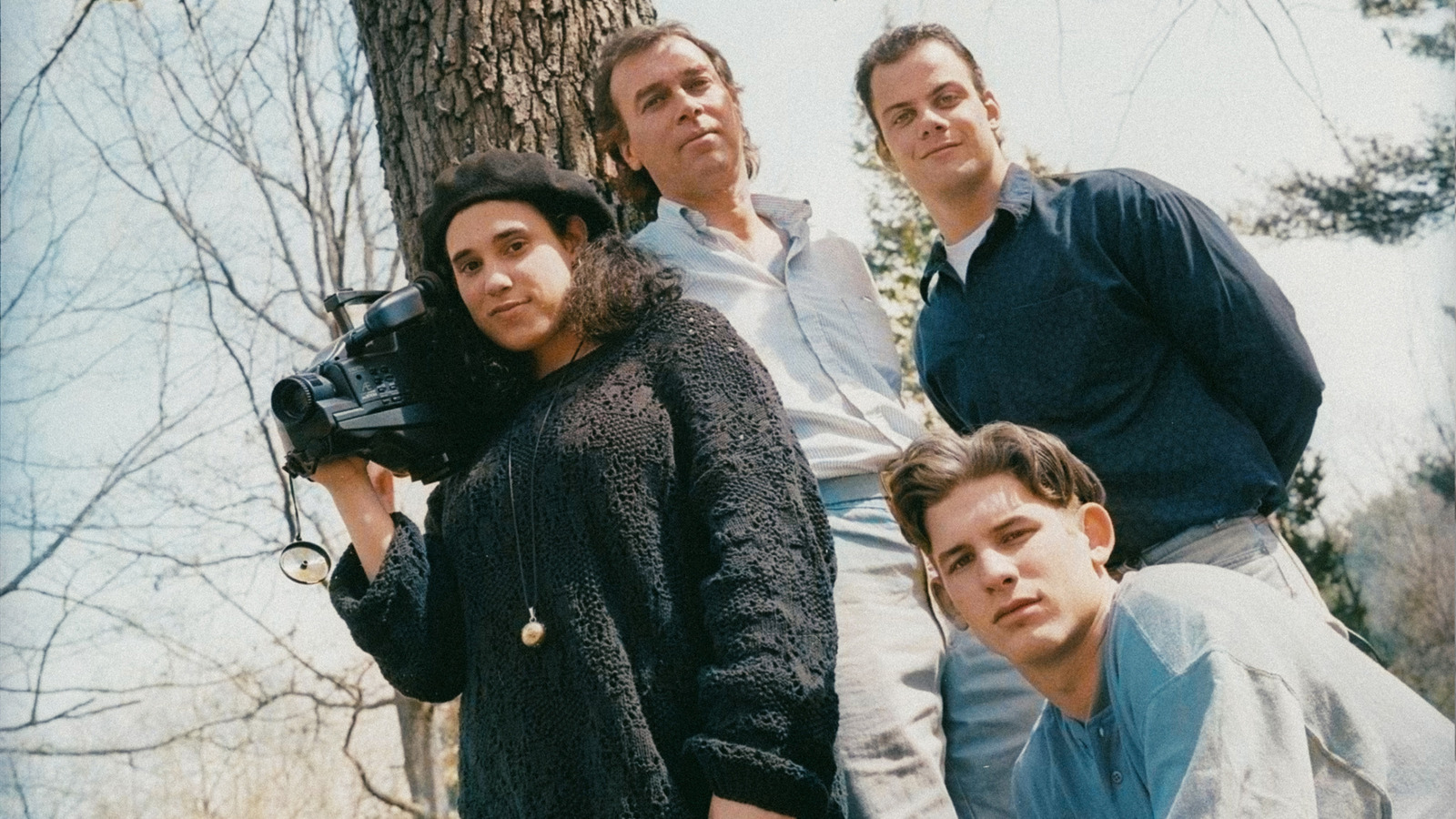
Rather than approaching the authorities alone, the teacher decides to turn his classroom into a laboratory for investigative journalism. He tasks his students with documenting the situation, using the clunky, analog camcorders that defined the aesthetic of the decade. What begins as an educational project quickly spirals into a genuine conspiracy thriller. The students, armed only with their curiosity and their cameras, find themselves digging into secrets that powerful entities would prefer to keep buried.
Chronology of a Crisis: From Middletown to Modernity
The documentary’s structure is anchored by two distinct timelines that weave together to form a powerful emotional tapestry.
The 1990s: The Analog Investigation
The film utilizes a treasure trove of original camcorder footage filmed by the students themselves. This period provides an authentic, "fly-on-the-wall" look at high school life before the era of social media-driven performance. We see the students navigating the social hierarchies of the 90s, but their focus is increasingly diverted toward the town dump. The footage captures the growing realization that their quiet, mundane town is the site of a profound environmental injustice. The tension mounts as the students realize they are being watched, and the "documentary" they are filming evolves into a whistleblowing endeavor.
The Present Day: The Reunion
Decades later, McBain and Moss reunite these former students with their teacher. This segment of the film serves as the emotional anchor. Seeing these adults reflect on their teenage activism—and the realization of what they were actually up against—adds a layer of poignancy. They discuss how the project fundamentally altered their worldviews, shaping their careers, their politics, and their understanding of power.
Supporting Data: Why This Film Resonates
While Teenage Wasteland plays like a thriller, it is rooted in the very real tradition of grassroots investigative journalism. Filmmakers Amanda McBain and Jesse Moss are no strangers to capturing the spirit of civic participation. Their 2020 Sundance Grand Jury Prize-winning film, Boys State, demonstrated their ability to capture the nuance of political ambition in young people.
In Teenage Wasteland, they shift that lens to environmental advocacy. According to recent surveys on documentary trends, audiences are increasingly turning away from "murder-porn" true crime in favor of "social justice investigative" content. Teenage Wasteland sits squarely in this niche, providing the addictive pacing of a mystery without the moral baggage of focusing on a victim’s trauma.
The film also serves as a masterclass in the use of archival footage. By grounding the viewer in the specific visual language of the 90s—the grain of the VHS tapes, the fashion, and the specific cadence of teenage speech—the film achieves a level of immersion that modern high-definition productions often struggle to replicate.
Official Responses and Ethical Integrity
One of the most notable aspects of Teenage Wasteland is its departure from the "Netflix true-crime formula." In recent years, streaming services have faced intense scrutiny regarding the ethics of their documentary output. Critics have frequently pointed to the lack of informed consent, the re-traumatization of victims’ families, and the sensationalization of violence as major flaws in the genre.
Teenage Wasteland avoids these pitfalls entirely. Because the subjects are the ones who held the cameras, the agency remains firmly in their hands. The film is an empowering look at youth agency rather than a passive observation of tragedy. By focusing on the process of discovery and the moral weight of the investigation, McBain and Moss have created a project that respects its subjects. There is no manufactured cliffhanger or cynical "gotcha" moment; there is only the slow, grinding realization of truth.
The Deeper Implications: A Call to Civic Courage
Beyond the nostalgia and the mystery, Teenage Wasteland serves as a sobering meditation on democracy. As the film progresses, the central question shifts from "What is happening at the dump?" to "How does one maintain civic courage in a system that often discourages it?"
The documentary suggests that true democracy is not a passive state, but an active, daily practice. The teacher’s decision to involve his students is framed as a radical pedagogical act—a way to teach them that they are not just subjects of a government, but active participants in their community.
In the contemporary context, this message is particularly resonant. As corporate interests continue to exert significant influence over local and national policy, the film acts as a rallying cry for local oversight. It posits that the "average American" has more power than they realize, provided they are willing to ask the right questions and demand transparency.
Why You Should Watch It Now
If you are tired of the repetitive, dark, and often exploitative true-crime content that defines much of the current streaming landscape, Teenage Wasteland is the antidote. It is a film that values human intellect and persistence over gore and shock value.
It reminds us that the 1990s were not just about flannel shirts and grunge music; they were a time when young people were beginning to grapple with the complexities of the modern world. It is a story about the intersection of education and activism, and how one teacher’s decision to trust his students changed the course of their lives—and exposed the rot hidden in their own backyard.
Whether you are a fan of investigative journalism, a lover of 90s nostalgia, or simply someone looking for a story that restores a bit of your faith in humanity, Teenage Wasteland is a must-watch. It is now streaming on Netflix, and it is undoubtedly one of the most important documentaries of the year.
By the time the credits roll, you won’t just be thinking about the mystery of the Middletown dump—you’ll be thinking about the power of your own voice and the importance of holding power to account, no matter how small your platform may seem. In a world that often feels like it is spinning out of control, Teenage Wasteland offers a quiet, powerful reminder: the truth is worth finding, and sometimes, the most effective detectives are the ones we least expect.
