
Into the Shadows: Marvel Television’s Zodiac Signals a Gritty New Era for the MCU
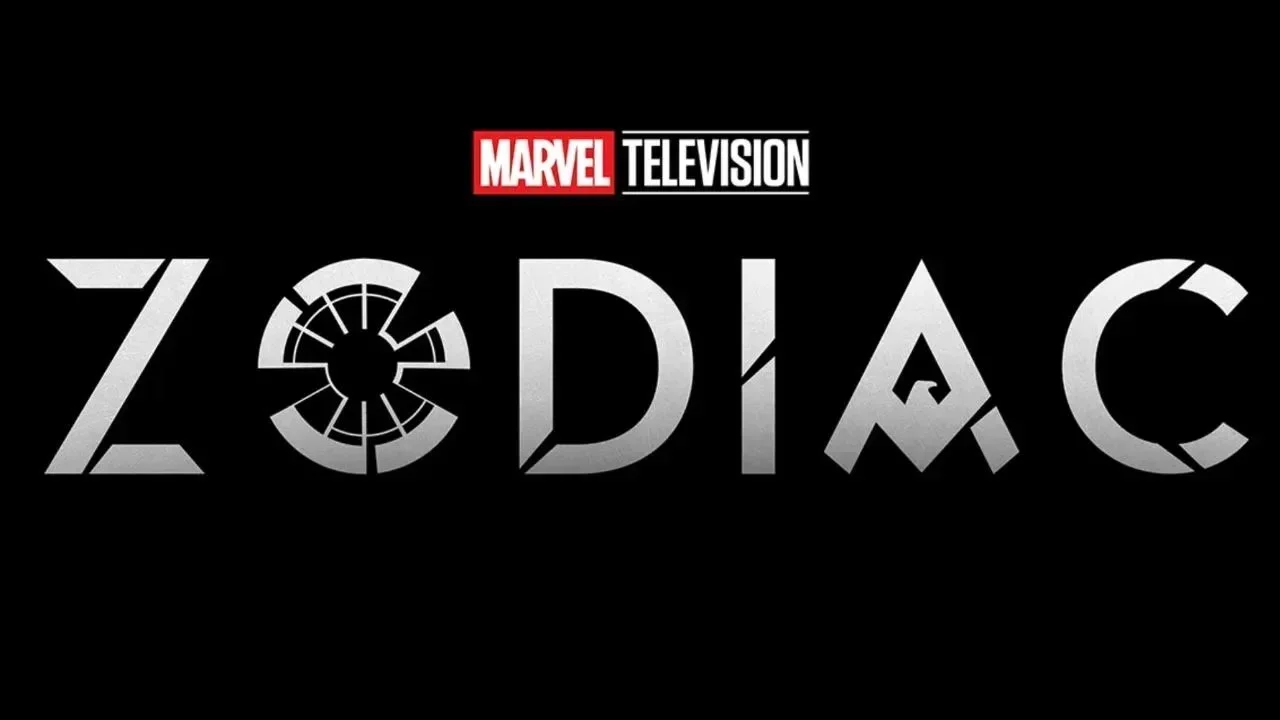
Marvel Studios is venturing into uncharted territory, trading capes and cosmic threats for the cold, calculated shadows of the intelligence world. Following a surprise announcement at New York Comic Con, the studio has begun to peel back the curtain on its most mysterious upcoming Disney+ series, Zodiac. Moving away from the high-octane spectacle that defined the Infinity Saga, Zodiac promises a grounded, visceral experience—a British spy thriller that aims to redefine the boundaries of the Marvel Cinematic Universe (MCU).
As Marvel Television navigates a period of significant creative recalibration, Zodiac stands as a bold experiment in genre storytelling. By eschewing established comic book archetypes in favor of original characters and a tone compared to the prestige espionage drama The Americans, Marvel is signaling a desire to mature its brand and explore the bureaucratic and clandestine corners of its expansive reality.
The Core Revelation: A New Breed of Spy Thriller
The initial details surrounding Zodiac suggest that the studio is prioritizing atmosphere and narrative complexity over traditional superhero tropes. According to recent reports from Knight Edge Media, the series is currently in active development as a "dark British spy thriller."
Perhaps the most radical departure from the studio’s standard operating procedure is the decision to center the narrative around three original protagonists—two men and one woman—who have no direct counterparts in the Marvel Comics archives. By opting for original characters, Marvel avoids the baggage of legacy expectations, allowing the writers to craft a story that is beholden only to the rules of the espionage genre.
Comparisons to James Bond or Mission: Impossible have been dismissed by insiders, who argue that Zodiac will be "significantly grittier" than these blockbuster franchises. By invoking the spirit of The Americans—a show lauded for its slow-burn tension, moral ambiguity, and focus on the psychological toll of deep-cover work—Marvel is clearly courting a more mature demographic. The series will likely trade pyrotechnics for political intrigue, focusing on the high-stakes chess match of international intelligence operations set against the backdrop of modern-day London.
A Chronology of Development and Production
The road to Zodiac began in the quiet halls of Marvel Television, but its public trajectory has been remarkably swift.
- October 2026: During New York Comic Con, Marvel Television officially unveils the title and logo for Zodiac, immediately sparking a firestorm of speculation regarding its connection to established MCU lore.
- Late 2026: Reports emerge detailing the series’ core premise, characterizing it as a dark, original spy drama rather than a traditional superhero adaptation.
- Spring 2027: Marvel confirms that principal photography is scheduled to commence in London. The casting process, currently underway, is expected to finalize a trio of British leads who can carry the heavy emotional and physical weight required for the roles.
- 2028: The series is slated for its debut on Disney+, marking the culmination of a multi-year development cycle.
Brad Winderbaum, the head of Marvel Television, Animation, and Comic Books, has been the primary architect of this new era. His commitment to bringing the series to life in London suggests that the location is not merely a setting, but an essential character in the show’s overall aesthetic.
Decoding the Logo: Clues and Continuity
The most tantalizing piece of evidence regarding the show’s place in the MCU remains the official Zodiac logo. During his press appearances, Winderbaum offered a cryptic challenge to the fanbase, noting, "If you’re a fan of the comics, there’s a lot hidden in that logo. That’s all you’re getting. It’s supposed to be a secret."
Eagle-eyed fans were quick to note a specific design element: the inclusion of a fragmented insignia reminiscent of the Agents of S.H.I.E.L.D. logo. This discovery has breathed new life into the long-standing debate over the canonicity of Marvel’s pre-Disney+ television projects.
Could Zodiac be the vehicle that finally bridges the gap between the ABC era and the current MCU? One prevailing theory posits that Zodiac acts as the spiritual successor to the vacuum left by S.H.I.E.L.D.’s dissolution. If the organization collapsed or fractured, it is entirely plausible that the intelligence community would have birthed something darker, more ruthless, and far less accountable—a group like the one teased by the Zodiac title.
Furthermore, the British setting invites speculation regarding the introduction of MI-13. In the comics, MI-13 is the United Kingdom’s specialized intelligence agency tasked with dealing with paranormal and superhuman threats. Integrating this organization would provide a seamless entry point for legacy British characters like Captain Britain, Blade, or the Black Knight, while maintaining the grounded, espionage-first focus of the series.
Official Responses and Strategic Shifts
Brad Winderbaum has been vocal about his desire to "square the circle" regarding the MCU’s fractured history. His recent comments regarding Agents of S.H.I.E.L.D. and Agent Carter suggest that he is actively looking for ways to reintegrate these legacy stories into the modern canon.
"It’s exciting for me to think about how to square those ABC shows with the canon," Winderbaum stated. "That, to me, if you know me and the way my brain works, that is fun territory to imagine."
This mindset reflects a broader strategic shift within Marvel Television. Following the cancellation of Wonder Man after its first season and the decision to conclude Daredevil: Born Again after its third, the studio is clearly moving away from the "endless content" model of the early Disney+ years. Zodiac represents a more surgical approach: smaller, focused, and potentially limited-run series that prioritize quality and tonal consistency over the need to constantly expand the universe’s roster of heroes.
Implications for the Future of the MCU
The implications of Zodiac are profound. If the series succeeds, it proves that the Marvel brand is robust enough to survive without the reliance on established comic book intellectual property. It opens the door for a "Marvel Grounded" imprint, where the focus remains on the human cost of living in a world where aliens, gods, and super-soldiers exist.
Moreover, the series highlights a changing of the guard in how the MCU handles its television output. By moving toward darker, more adult-oriented narratives, Marvel is effectively diversifying its portfolio. It is a calculated move to retain viewers who have grown up alongside the franchise and are now craving stories that mirror the complexity of their own lives.
The integration of legacy continuity also provides a way for Marvel to honor its past without being shackled by it. By using Zodiac as a pivot point, the studio can selectively pull elements from the "Defenders" era or the ABC era, effectively curate a definitive history, and discard the inconsistencies that have plagued the franchise for years.
Conclusion: The Path Ahead
As production for Zodiac gears up in London, the eyes of the fanbase remain fixed on what this project signifies. It is more than just another show on a streaming platform; it is a declaration of intent. Marvel is no longer content to merely produce superhero stories—it is looking to dominate the genre space, starting with the cold, unforgiving world of international espionage.
Whether Zodiac successfully merges the legacy of S.H.I.E.L.D. with a new, original vision remains to be seen. However, for a franchise that has spent nearly two decades defining the blockbuster, this pivot toward the shadows feels not only necessary but overdue. By embracing the mystery, the political intrigue, and the moral ambiguity of the intelligence world, Marvel is proving that even in a universe defined by the extraordinary, the most compelling stories are often the ones told in the dark.
