
The State of Global Cinema: A Comprehensive Overview of Cinema Scope Issue 97
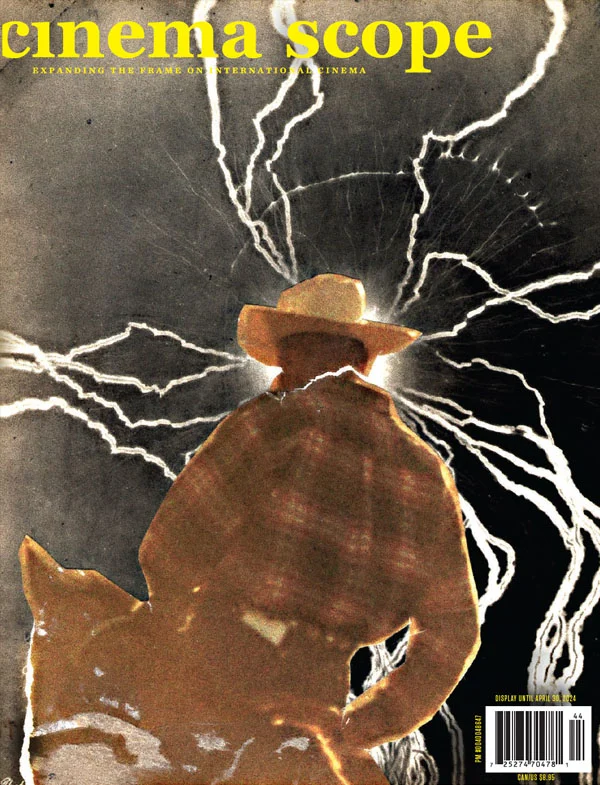
The release of the latest edition of Cinema Scope (Issue 97) marks another significant milestone for the venerable publication, serving as a vital touchstone for cinephiles, scholars, and industry professionals alike. In an era where the landscape of film distribution and production is shifting rapidly under the pressure of digital transformation and global economic fluctuations, Cinema Scope continues to act as a rigorous arbiter of critical thought. This issue is not merely a collection of reviews; it is a curated investigation into the dialectics of modern moving-image culture, bridging the gap between high-art auteurism and the evolving definitions of contemporary "indie" cinema.
Main Facts: The Editorial Scope of Issue 97
Issue 97 presents a sprawling, multifaceted examination of the current state of film. The editorial direction, overseen by Mark Peranson, maintains the magazine’s long-standing reputation for championing difficult, experimental, and world-cinema voices alongside insightful analysis of major mainstream releases.
The current issue is organized into four distinct pillars: Interviews, Features, Columns, and Currency. Each section serves a strategic purpose in the magazine’s broader mission to contextualize cinema within history, politics, and personal experience. From the technical mastery of Ryusuke Hamaguchi to the contemplative, somber reflections on the recent deaths of giants like Terence Davies and Vincent Grenier, the issue is as much an obituary for a fading era of analog sentiment as it is a primer on the digital future.
Chronology: A Trajectory of Global Voices
The issue follows a thematic trajectory that moves from the specific—the process of individual filmmakers—to the structural—the history of film movements and exhibitions.
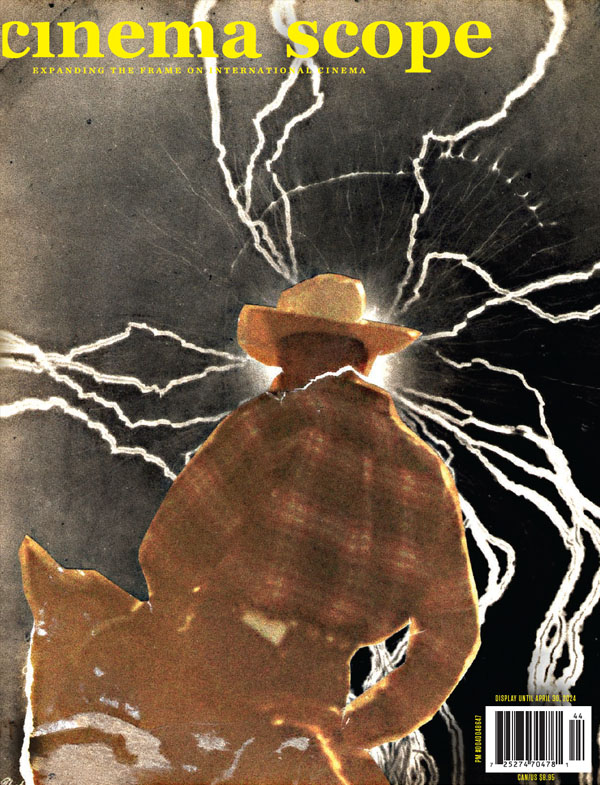
- The Auteur Focus: The magazine opens with a deep dive into the minds of visionary directors. Ryusuke Hamaguchi’s Evil Does Not Exist is framed through the lens of musicality and tension, while Rodrigo Moreno’s The Delinquents is interrogated as an object of desire.
- Historical Reclamation: The inclusion of essays on the "First International Women’s Film Seminar" and the retrospective analysis of Will Hindle’s Chinese Firedrill underscores the magazine’s commitment to surfacing marginalized or historically under-appreciated works.
- Contemporary Reckoning: The "Currency" section provides a rapid-fire response to the most significant cinematic releases of the late 2023/early 2024 period, including David Fincher’s The Killer and Martin Scorsese’s Killers of the Flower Moon. This provides a temporal anchor, situating the reader in the immediate present before pivoting back to the theoretical implications of the medium.
Supporting Data: The Pillars of Critical Analysis
The richness of Issue 97 is best observed through its internal structure. By analyzing the diverse list of contributors and subjects, one can discern the magazine’s core philosophy: that film is never just entertainment, but an ongoing conversation between the creator and the culture.
The Interview Series
The interviews serve as the intellectual engine of the issue. Beatrice Loayza’s conversation with Hamaguchi Ryusuke is particularly noteworthy, as it moves beyond standard press-tour talking points to address the sonic and structural "music" of his latest film. Similarly, Jordan Cronk’s discussion with Rodrigo Moreno provides a rare look into the logistical and creative audacity required to pull off a project like The Delinquents.
Features and Roundtable Discussions
The feature section highlights the collaborative nature of film criticism. The roundtable discussion on Charley Varrick, moderated by Christoph Huber with Veronika Franz and Severin Fiala, serves as a masterclass in genre analysis. By looking at a classic heist film through the eyes of two contemporary directors, the magazine demonstrates how historical texts remain fertile ground for modern stylistic inspiration.
The "Deaths of Cinema" Column
Perhaps the most poignant aspect of this issue is the "Deaths of Cinema" column. The passing of Terence Davies and Vincent Grenier represents a seismic loss for formalist and experimental cinema. Lawrence Garcia and Michael Sicinski provide not just tributes, but rigorous critical summaries of how these men expanded the language of film, ensuring their contributions are not lost to the rapid churn of modern content consumption.

Official Responses and Industry Context
While Cinema Scope remains an independent entity, its "Currency" section effectively functions as a response to the institutional output of the major studios and streaming giants. The critical consensus provided on films such as Yorgos Lanthimos’s Poor Things and Sofia Coppola’s Priscilla serves as a counterweight to the often-polarized audience scores found on commercial aggregator sites.
The magazine’s editorial stance on these films is characterized by a "formalist-first" approach. For instance, in the review of The Killer, the focus is placed squarely on the procedural mechanics and the aesthetic coldness of Fincher’s work, rather than mere plot summary. This distinguishes Cinema Scope as an essential resource for those interested in the how and why of filmmaking, rather than just the what.
Implications: The Future of Film Criticism
The publication of Issue 97 carries significant implications for the future of film criticism. In an age where Artificial Intelligence and algorithmic content curation threaten to dilute the quality of discourse, Cinema Scope reasserts the value of the individual critic.
The Shift Toward Multi-Disciplinary Analysis
One of the most striking elements of this issue is the fusion of film with other art forms. Jesse Cumming’s look at Tulapop Saenjaroen’s video art, combined with the discussions of exhibition history (like the exergue project), signals that the magazine is moving toward a more fluid definition of "cinema." It is no longer restricted to the silver screen; it encompasses the gallery space, the digital installation, and the archival record.

The Preservation of Institutional Memory
By dedicating significant space to the history of film seminars and forgotten short films (such as those by Ross Meckfessel), the magazine acts as a gatekeeper of institutional memory. The implication is clear: without a rigorous look at the past, the present becomes unmoored. The magazine invites readers to participate in a "hall of fame" of their own making, encouraging a proactive approach to film viewership.
Accessibility vs. Rigor
Despite its intellectual density, Issue 97 remains remarkably accessible. By breaking the content into clear, digestible columns and interviews, it avoids the exclusionary tone that often plagues academic film journals. This balance between high-theory analysis and grounded, punchy reviews is the key to its longevity.
Conclusion: A Vital Resource
Cinema Scope Issue 97 is a sprawling, ambitious document that captures the anxiety and the excitement of the current cinematic moment. It is an essential read for anyone who views cinema not as a commodity to be consumed, but as a living, breathing history of human perception.
Whether it is through the meticulous archival work of Jonathan Rosenbaum in his "Global Discoveries on DVD" column or the razor-sharp modern critiques in the "Currency" section, the issue succeeds in its primary goal: to make us look closer, think deeper, and listen more carefully to the music of the moving image. As the industry continues to face existential questions regarding its own future, Cinema Scope stands as a testament to the fact that, as long as there are thoughtful voices to articulate the power of the frame, cinema will not only survive—it will endure.
