
The Anatomy of Story Collapse: Screenwriting Pitfalls in Modern Television, Legacy Sequels, and the Shift in Studio Metrics
By the Entertainment Desk
Published: May 2026
Introduction: The Fragile Architecture of Screenwriting
As streaming platforms flood the market with high-stakes releases and box office demographics battle over contrasting cinematic offerings—pitting the visceral thrills of martial arts tournaments against high-fashion satire—industry observers are reminded of a fundamental truth: writing a compelling script is an unforgiving endeavor.
Only a small fraction of screenwriters ever face the distinct, high-wire challenge of maintaining narrative integrity across sprawling episodic arcs, franchise revivals, or multi-decade legacy sequels. The vast majority stumble. Today, we examine the mechanics of narrative failure, analyzing why stories unravel when writers prioritize artificial contrivance over organic character behavior, how studios are redefining success in the age of audience-driven metrics, and the inherent dangers of mishandling beloved legacy characters.
Main Facts: The Downward Spiral of Episodic Television
The perils of narrative collapse are currently on full display in the latest season of the critically scrutinized series Beef. What began as a promising, tightly wound exploration of urban angst has rapidly devolved into a masterclass in tonal whiplash and structural sloppiness.
To trace the trajectory of the series is to witness a textbook case of a script off the rails:
- The Premise Shift: What starts as grounded, character-driven conflict slowly abandons all ties to reality.
- The Forced Location Change: By Episode 7, the narrative contrives an implausible scenario to transport its entire ensemble cast of ordinary suburbanites to Seoul, South Korea.
- The Genre Explosion: Once abroad, the story violently pivots into a high-octane kung fu action film, pitting everyday individuals against an underground syndicate of rogue plastic surgeons—including a surreal action sequence featuring diminutive actors executing synchronized martial arts kicks against a swelling, heroic musical score.
Audiences and critics alike have noted the jarring dissonance. The transition from a professional, tightly paced pilot to an unhinged, fanboy-driven spectacle highlights a critical disconnect: when writers allow their internal desires to override realistic character motivations, the foundational illusion of the story shatters.
Chronology: The Evolution of Studio Validation and Rotten Tomatoes
Parallel to the struggles of television writing, the film industry is experiencing a seismic shift in how box office success and critical reception are valued. To understand the current landscape of 2026, one must look back at how studio greenlight strategies have evolved over the past two decades.
[Early 2000s] ──> Rotten Tomatoes dominance; <70% score equals commercial risk.
       │
[2010s]      ──> Marvel Phase 1 & 2; studios reverse-engineer critic approval.
       │
[Early 2020s] ──> Emergence of Audience Scores; disconnect between critics and public.
       │
[2026]       ──> Audience approval reigns supreme; market freedom from forced "depth."
1. The Era of Critic Hegemony (2000s–2010s)
For much of the 2000s, the review aggregator Rotten Tomatoes exerted absolute tyranny over Hollywood greenlight processes. A score dipping below 70 percent was often perceived as a death knell for commercial viability. Studios responded by reverse-engineering their screenplays, deliberately injecting elements designed to court critical applause.
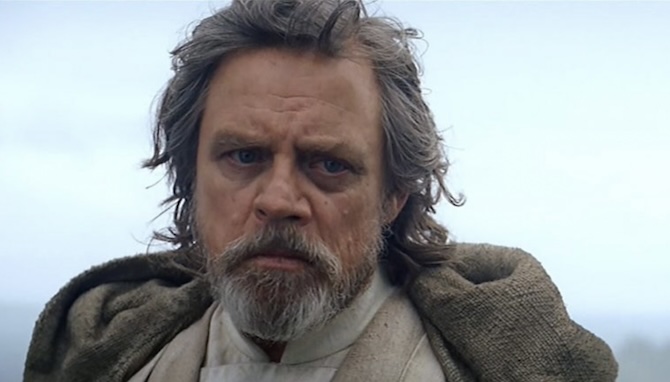
This strategy reached its zenith during Phase One and early Phase Two of the Marvel Cinematic Universe, where high critical scores served as objective validation for studio boardrooms.
2. The Rise of the Audience Score (The Turning Point)
Eventually, audience scores entered the equation. Initially dismissed by executives as volatile or unreliable, a distinct pattern emerged: films targeted by critics as simplistic or derivative began pulling massive, record-breaking box office figures.
The turning point arrived with phenomena like The Super Mario Bros. Movie, where a stark divide between dismissive critical reviews and ravenous public consumption proved that general audiences cared far more about entertainment value than calculated, engineered prestige.
3. The 2026 Paradigm Shift
Today, the paradigm has inverted. Studios are placing significantly more weight on audience satisfaction metrics than traditional critic scores. By shedding the compulsion to cram screenplays with forced thematic importance and artificial depth, filmmakers are rediscovering the value of unadulterated genre execution—evidenced by recent franchise revivals that prioritize crowd-pleasing entertainment over intellectualized subversion.
Supporting Data: Critical vs. Audience Reception
Recent box office data illustrates the growing chasm between critical approval and audience satisfaction across major IP releases:
| Property / Film | Critic Score (Rotten Tomatoes) | Audience Score (Rotten Tomatoes) | Studio Strategic Takeaway |
|---|---|---|---|
| Mortal Kombat (Latest Installment) | 65% | 90% | Action-forward, grounded human anchors outperform critical pretension. |
| The Devil Wears Prada (Legacy Sequel Era) | 78% | 86% | Balancing legacy nostalgia with modern narrative expectations yields high engagement. |
| The Super Mario Bros. Movie (Benchmark) | 59% | 95% | Proof that audience consumption entirely supersedes critical consensus. |
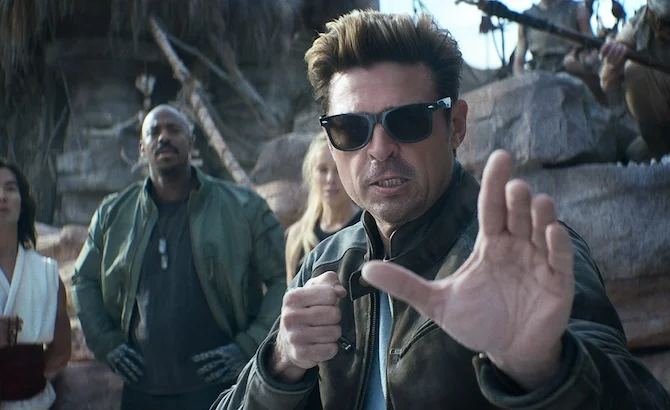
The data confirms that modern moviegoers prioritize narrative accessibility, charismatic anchor characters (such as centering action franchises around grounded figures like Johnny Cage), and pure cinematic escapism over pretentious meditations on the human condition.
Official Responses and Industry Insights: The Legacy Sequel Trap
One of the most delicate challenges in contemporary screenwriting is the legacy sequel—specifically, revisiting characters untouched for two decades or more. Industry veterans note that nearly every writer tasked with this challenge falls into the exact same psychological trap.
The Backstory Trap vs. The Essence
When tasked with writing characters after a 20-year hiatus, writers almost invariably ask: "What has this character been doing for the last 25 years?"
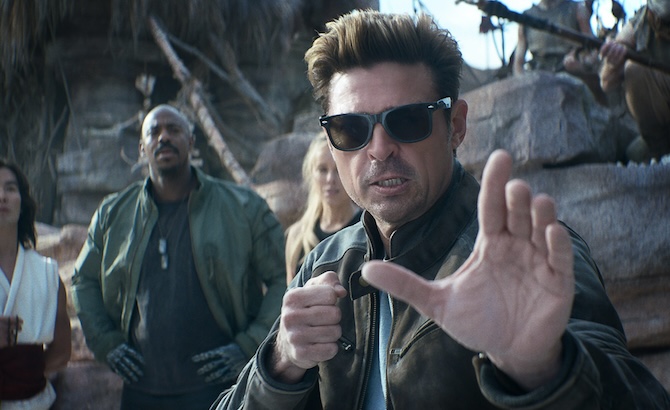
While biographical inquiry is natural, beginning with chronology rather than narrative essence is disastrous. This exact pitfall plagued projects like Happy Gilmore 2 and Star Wars: The Last Jedi. In both instances, writers mapped out decades of fictional hardship and arrived at the same uninspired conclusion: the protagonists must now be broken, cynical, bitter shells of their former selves.
"Audiences are not coming back after 25 years to reconnect with the worst version of somebody they loved. They want to reconnect with the essence of why they loved that character in the first place."
— Screenwriting Analysis Group
The J.J. Abrams Standard: Evolution vs. Erosion
By contrast, successful legacy storytelling understands the distinction between evolution and erosion. When J.J. Abrams approached Han Solo for the Star Wars sequel trilogy, he recognized that reducing a legendary smuggler to a defeated suburbanite would cause an immediate audience revolt.
Han Solo could age, but his core identity—the rogue, the swagger, the restless spirit—had to remain intact. Backstory should inform behavior, psychology, and wounds, but it must never erode the fundamental DNA that made the character iconic to begin with.
Implications: What This Means for the Future of Storytelling
The compounding missteps seen in over-contrived television plotting and cynical legacy sequels point to broader implications for the entertainment industry:
- The Death of Forced Contrivance: Writers can no longer drag characters around "by the neck" to satisfy plot requirements without alienating viewers. Organic motivation is returning as the ultimate benchmark of professional writing.
- Audience Autonomy in Greenlighting: With studios increasingly beholden to audience sentiment scores over traditional critical gatekeeping, we can expect a renaissance of unashamedly entertaining, high-concept genre filmmaking.
- The Revaluation of Nostalgia: Writers tackling legacy properties are learning that emotional resonance trumps cynical deconstruction. Respecting a character’s legacy requires preserving their core essence rather than breaking them down for cheap, manufactured pathos.
As the industry navigates a shifting media landscape, the mandate for screenwriters is clear: respect your characters, honor the logic of your world, and never let your desire for a specific plot point override the truth of human behavior.
