
Inside Laika’s Masterpiece: Director Travis Knight on the Groundbreaking Innovations Driving the Epic Stop-Motion Fantasy ‘Wildwood’
Main Facts
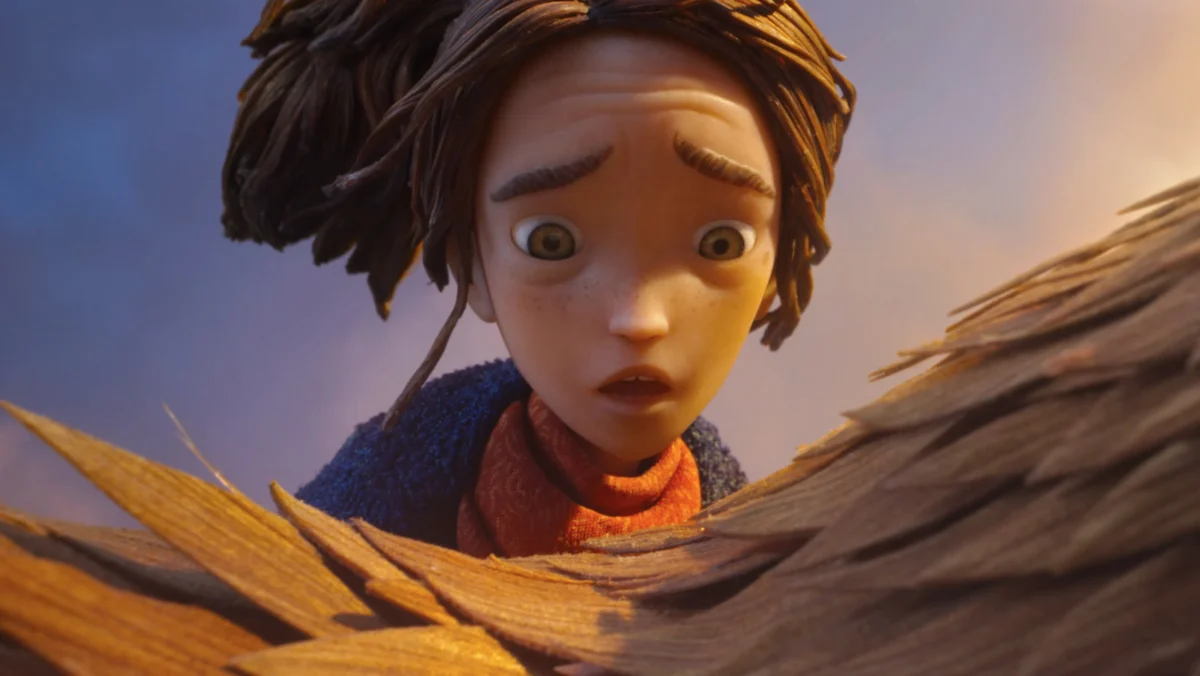
After more than a quarter-century in the stop-motion animation industry—beginning as a foundational animator and ascending to the director’s chair—Travis Knight has returned to helm his second feature film, Wildwood. Marking a monumental milestone for acclaimed studio Laika, the fantasy epic represents the most complex and visually dazzling undertaking in the company’s history.
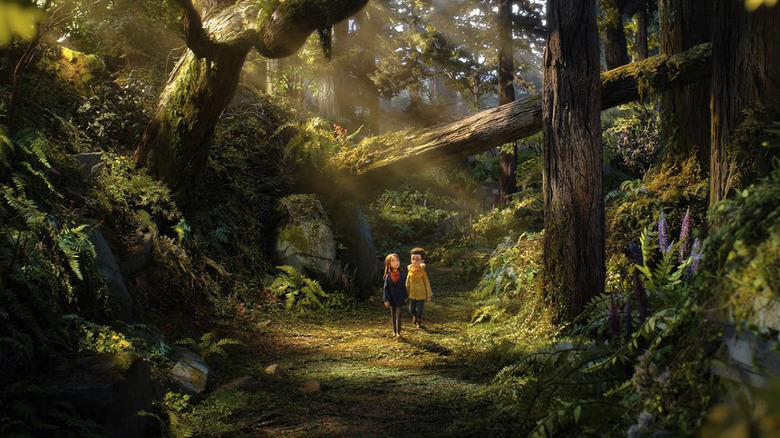
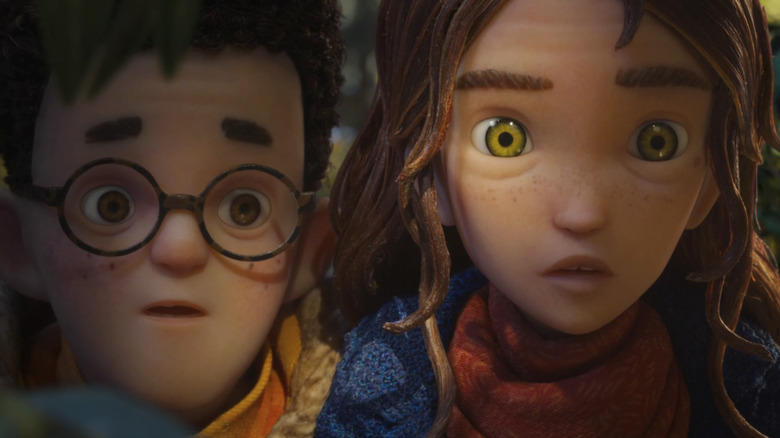
Originally optioned by Laika back in 2011, Wildwood adapts the beloved youth-literary fantasy novel into a cinematic spectacle centering on a young girl who plunges into a magical, perilous hidden world to rescue her kidnapped infant brother. Released theatrically to widespread critical acclaim, the film pushes the boundaries of stop-motion animation by fusing traditional miniature craft with cutting-edge visual effects, digital puppetry, and unprecedented structural engineering.
In an exclusive, spoiler-free interview, Knight pulled back the curtain on the seven-year production cycle of Wildwood, detailing how the studio conquered seemingly impossible mechanical feats—including fabric-engineered avian puppets and simulated muscle structures—while drawing heavy aesthetic inspiration from Peter Jackson’s legendary The Lord of the Rings trilogy.
Chronology: The Evolution of Laika’s Hybrid Toolkit
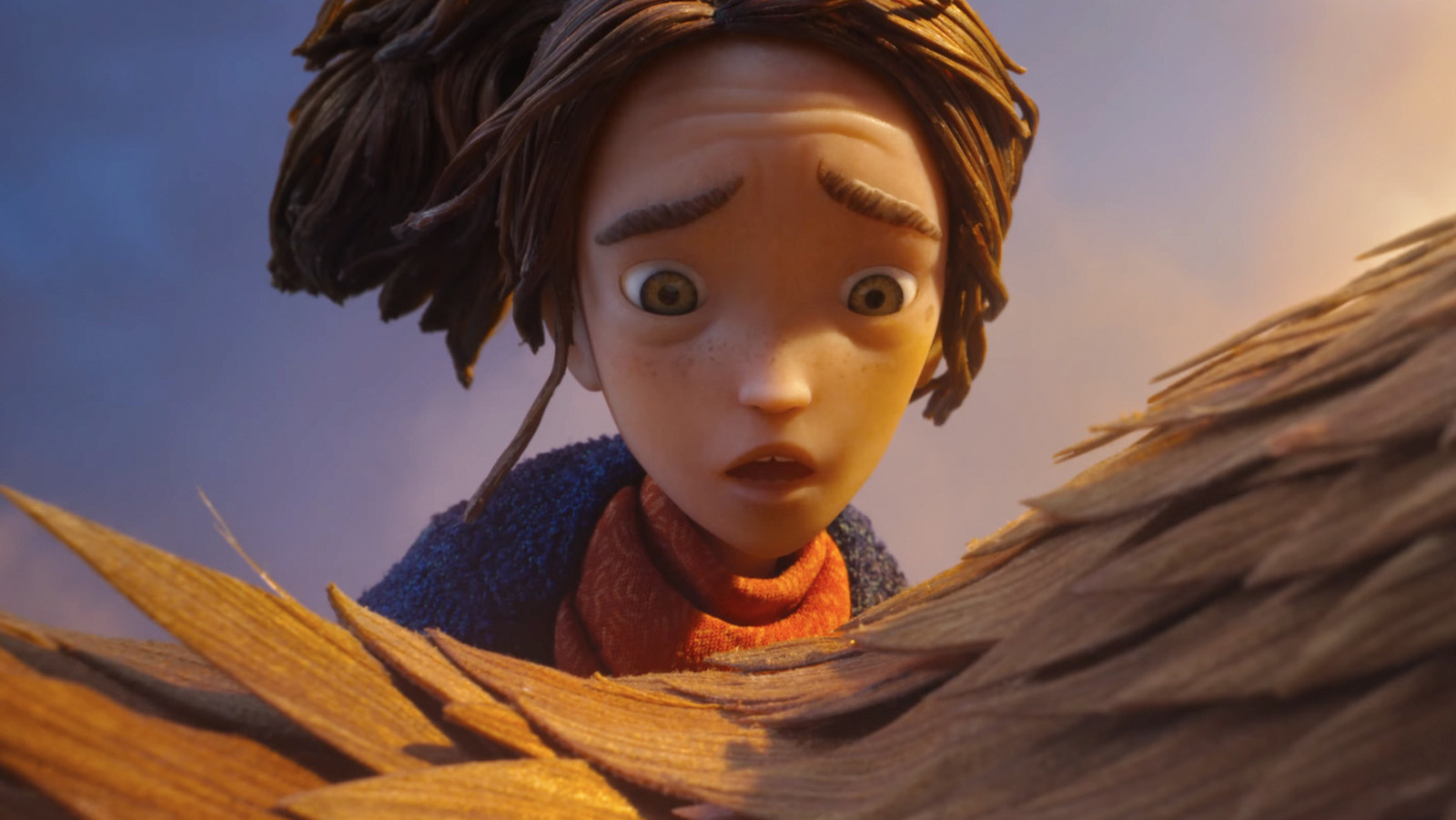
The technological DNA of Wildwood traces back to the genesis of Laika itself in 2005. At a time when traditional stop-motion animation was widely perceived as a dying art form—increasingly outpaced by the speed, lower costs, and mathematical precision of computer-generated imagery—Knight and his team made a defining philosophical pivot. Rather than competing with the digital revolution, Laika chose to embrace it.
"Stop-motion was an art form that didn’t seem to have a future," Knight explained, recalling the existential crossroads faced by the studio early on. "So I remember having this hard conversation with myself: ‘How can stop-motion continue to live and maybe even flourish in this modern era?’ And it was by essentially embracing the author of our demise, the infernal machine—the thing that was trying to take all of our jobs, all of our livelihoods, away from us."
By treating the computer simply as another tool in the artist’s arsenal alongside pencils, paintbrushes, and 3D printers, Laika pioneered a seamless hybrid workflow. Breakthroughs achieved on foundational projects like Coraline laid the groundwork for subsequent films.
By the time Knight directed his feature directorial debut, Kubo and the Two Strings, a decade ago, the studio had successfully integrated visual effects to animate complex fluid dynamics like water sequences. However, the ambitions for Wildwood required an exponential leap forward. Seven years ago, Knight greenlit the project before his team had even figured out how to execute its biggest technical demands, forcing the studio to innovate on the fly as production unfolded.
Supporting Data & Engineering Innovations: Crafting the Impossible
The physical reality of shooting Wildwood demanded radical departures from standard stop-motion fabrication methods. The sheer scale of the production required the studio to rethink everything from puppet weight distribution to anatomy and battle choreography.
1. Fabricating "The General"
One of the film’s most imposing characters is a giant golden eagle named The General. Traditionally, Laika constructs its puppets using silicone, a material that mimics human skin and interacts with light organically. However, creating a giant eagle out of solid silicone would have rendered the puppet impossibly heavy for animators to manipulate physically frame by frame.
To solve this, the puppet-making department abandoned standard practices, fabricating the massive bird almost entirely out of specialized fabrics. Furthermore, the eagle’s neck was engineered using a "Slinky"-style internal mechanism rather than traditional rigid joints, giving the creature fluid, shape-shifting avian mobility.
2. Simulated Muscular Anatomy
Seeking to capture the visceral weight of physical exertion, violence, and war, Knight pushed his puppet-making team to introduce internal musculature to human characters. Ollie Jones, Laika’s head of puppets, initially balked at the extreme complexity of the request.
Ultimately, the team engineered microscopic mechanical muscles embedded beneath the puppets’ outer layers. When a character flexes their arm to strike a blow, the underlying muscle visibly bulges. While audiences may not consciously register every micro-detail, the cumulative effect imbues the stop-motion world with an unprecedented level of visceral life and realism.
Official Responses: Directorial Intent and Creative Vision
The cinematic ambitions of Wildwood extend far beyond standard family fantasy fare. Discussing the visual scope of the film’s climactic conflict, Knight acknowledged the profound influence of J.R.R. Tolkien’s literary universe and Peter Jackson’s cinematic adaptations.
"Tolkien is a figure that looms large in my imagination. I’ve loved his stories since I was a kid. I could not believe what Peter Jackson and his team accomplished with The Lord of the Rings trilogy. It’s one of the most astonishing feats of cinema ever. It was a huge inspiration for us on this movie," Knight shared.
Working alongside creative partner and first-hired collaborator Chris Butler, Knight set out with a clear directive: "I want to make a stop-motion Lord of the Rings." This vision meant refusing to pull punches during the narrative’s darker, more intense sequences.
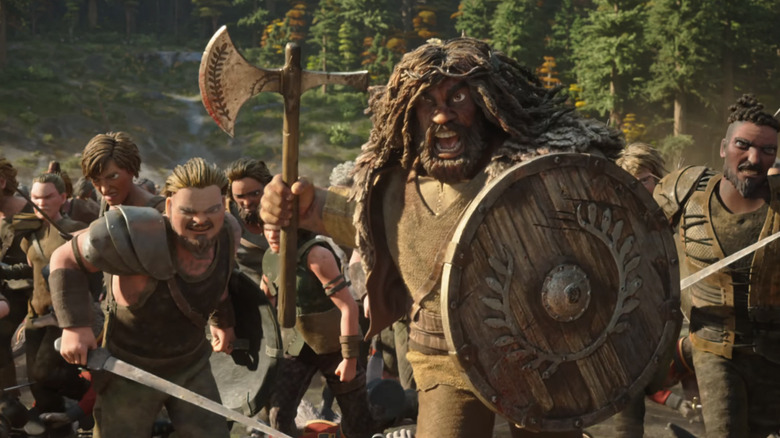
Addressing the film’s official PG-13 rating, Knight emphasized that the violence depicted on screen was never intended to be gratuitous or sanitized. Instead, it was designed to realistically portray the emotional and physical toll of war and trauma.
"The intention was not to try to fetishize violence. The intention was to actually show that violence is terrible and violence is traumatic. And if that’s part of the story that you’re telling, you have to show it," Knight noted.
He defended the ratings board’s decision, viewing the PG-13 designation as a helpful guide for parents navigating the film’s intense emotional stakes. "There was never a version where we were going to water this movie down in any way because I wanted us to tell this story sincerely. That meant embracing what the story was asking of us… But I would also say that the cumulative experience is that it is a life-affirming one. There is great light and joy in this movie, but we earn that light and joy honestly by going to some dark places."
Implications for the Animation Industry
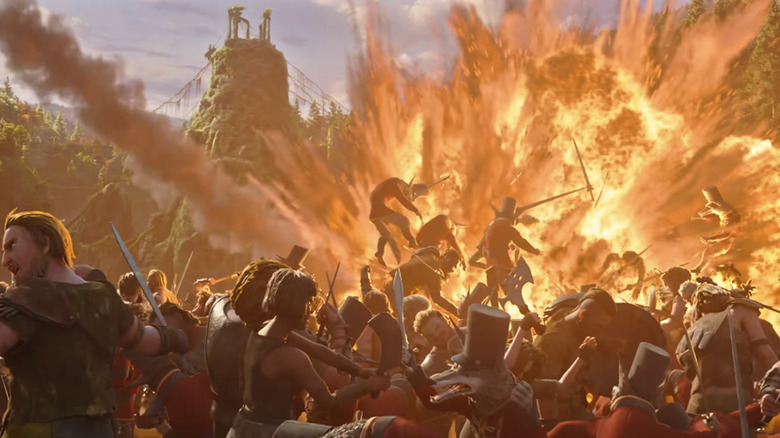
The release and reception of Wildwood carry profound implications for the future of stop-motion animation and the broader landscape of feature-film aesthetics. By successfully executing an epic fantasy battle sequence that commingles full-scale physical sets, miniature models, stop-motion puppets, digital doubles, and advanced visual effects, Laika has redefined what is achievable within the medium.
The film proves that stop-motion does not need to shrink away from the grand, sweeping scales traditionally dominated by live-action blockbusters or pure CGI features. Instead, by stubbornly refusing to compromise on tactile craftsmanship while fearlessly adopting digital innovations, Travis Knight and the Laika team have demonstrated that hand-crafted art and modern technology can coexist to forge immersive, cinematic worlds that feel entirely unique.
Wildwood is currently playing in theaters nationwide, inviting audiences to witness a historic milestone in the evolution of animated storytelling.
