
Beyond the RV: Every Time Bryan Cranston Revived Walter White Outside of Breaking Bad
Main Facts
More than a decade after the series finale of Breaking Bad aired on AMC, the cultural footprint of Walter White—and his ruthless alter ego, Heisenberg—remains as potent as ever. Widely lauded as one of the definitive television dramas of the 21st century, Vince Gilligan’s neo-Western crime thriller redefined modern prestige television. At the center of this cultural phenomenon was Bryan Cranston, whose transformative performance as the mild-mannered chemistry teacher turned ruthless methamphetamine kingpin earned him widespread critical acclaim. Cranston’s trophy cabinet includes four Primetime Emmy Awards for Outstanding Lead Actor in a Drama Series, cementing his place in television history.
However, the conclusion of the series in September 2013 did not spell the permanent end for Walter White. Recognizing the immense cultural cachet of the character, Cranston has repeatedly stepped back into the pork pie hat and dark sunglasses. Eschewing the finality of the series finale, the actor has reprised the role across a diverse array of media. Far from being limited to dramatic continuity, Cranston’s post-Breaking Bad appearances as Walter White span the narrative expansion of the franchise, late-night political satire, digital comedy sketches, legendary animated parodies, and high-profile commercial campaigns.
While debates among fans and critics continue regarding whether Walter White should be classified as a tragic antihero or an unmitigated villain, his compelling nature ensured his survival in the broader cultural zeitgeist. This retrospective examines every instance Cranston has donned Heisenberg’s mantle outside of the original series, highlighting how the character transcended television to become a versatile pop-culture icon.
Chronology of the Heisenberg Returns
The timeline of Cranston’s returns to the role of Walter White reveals a fascinating trajectory, moving from high-concept parodies immediately following the show’s conclusion to narrative expansions years later, and finally into civic and corporate branding.
1. The Animated Parody: The Simpsons (2013)
Just as Breaking Bad was concluding its historic run, animated institutions began paying homage. In Season 24, Episode 17 of The Simpsons—titled "What Animated Women Want"—the show featured a direct and playful nod to the AMC drama. Following a storyline where Marge attempts to run a baking business, the episode concludes with a couch gag featuring animated versions of Walter White and Jesse Pinkman (voiced by Aaron Paul) watching the very episode from their iconic living room. This marked one of the earliest official cross-medium appearances of the characters post-finale.
2. The Digital Sketch: Funny or Die (2013)
Exploring the comedic potential of the character, Cranston collaborated with comedian Seth Rogen for a Funny or Die sketch titled "Seth Rogen = Worst Person in the World." Released shortly after the series finale, the sketch posits a bizarre reality where Rogen believes a single good deed can absolve him of any moral failing. In the video, Rogen commits a series of escalating crimes, eventually seeking out the ultimate criminal mentor: Walter White himself, who is captured teaching Rogen the intricacies of cooking the iconic blue product. The sketch also featured a running comedic gag targeting actor David Krumholtz.
3. The Commercial Debut: Esurance (2015)
Cranston first brought Walter White into the commercial sphere during a 2015 advertising campaign for Esurance. Playing on his iconic persona, Cranston appeared in a spot as a deeply unsettling, sketchy pharmacist who is clearly unsuited for customer service. The advertisement cleverly utilized the tension and unease associated with Heisenberg to promote insurance reliability, proving that the character’s terrifying aura could successfully drive brand recognition.
4. Political Satire: Saturday Night Live (2016)
In a move that delighted late-night political comedy fans, Cranston reprised the role for a memorable sketch on Saturday Night Live in December 2016. In the bit, a CNN news anchor interviews a newly appointed—and entirely absurd—candidate for the head of the Drug Enforcement Agency (DEA) under the incoming administration: Walter White. Cranston deadpanned lines about being selected due to his strong connections with Steve Bannon and Breitbart News, while praising the administration’s border policies for keeping out rival drug competition. The sketch culminated in a brilliant delivery of one of Walter’s most famous threats, blending biting political commentary with fan service.
5. The Narrative Epilogue: El Camino: A Breaking Bad Movie (2019)
Six years after the series finale, creator Vince Gilligan brought Jesse Pinkman’s post-escape story to life in the Netflix feature film El Camino. To provide emotional closure and contextual depth to Jesse’s psychological state, Cranston returned as Walter White in a pivotal flashback sequence. Set during the events of the original series’ second season—specifically during the filming of the episode "4 Days Out" when the duo were stranded in the desert—the scene offers a quiet, philosophical conversation between teacher and student about life, regret, and the pursuit of higher education, providing a stark emotional contrast to the violence that followed.
6. The Prequel Return: Better Call Saul (2022)
Perhaps the most anticipated reprisal occurred during the final season of the acclaimed prequel series Better Call Saul. Cranston officially returned as Walter White in Episodes 11 ("Breaking Bad") and 13 ("Saul Gone") of Season 6. These appearances seamlessly integrated the timeline of the flagship show with the tragic downfall of Jimmy McGill (Bob Odenkirk). Seeing Walter White interact with Saul Goodman against the backdrop of their criminal enterprise—viewed now through the lens of complete narrative hindsight—offered viewers a profound sense of closure across the entire television universe.
7. The Super Bowl Spotlight: PopCorners (2023)
Capitalizing on Super Bowl advertising culture, Frito-Lay enlisted Cranston and Aaron Paul to revive Walter and Jesse for a high-profile PopCorners commercial in early 2023. Directed by Vince Gilligan himself, the advertisement parodied the iconic RV cooking scenes from the show, but with a family-friendly twist: instead of illicit substances, the duo was manufacturing bags of PopCorners snack chips. The ad featured signature dialogue, classic visual framing, and the return of supporting characters like Tuco Salamanca, serving as a masterclass in nostalgia-driven marketing.
8. Civic Duty: New Mexico Anti-Litter Campaign (2024)
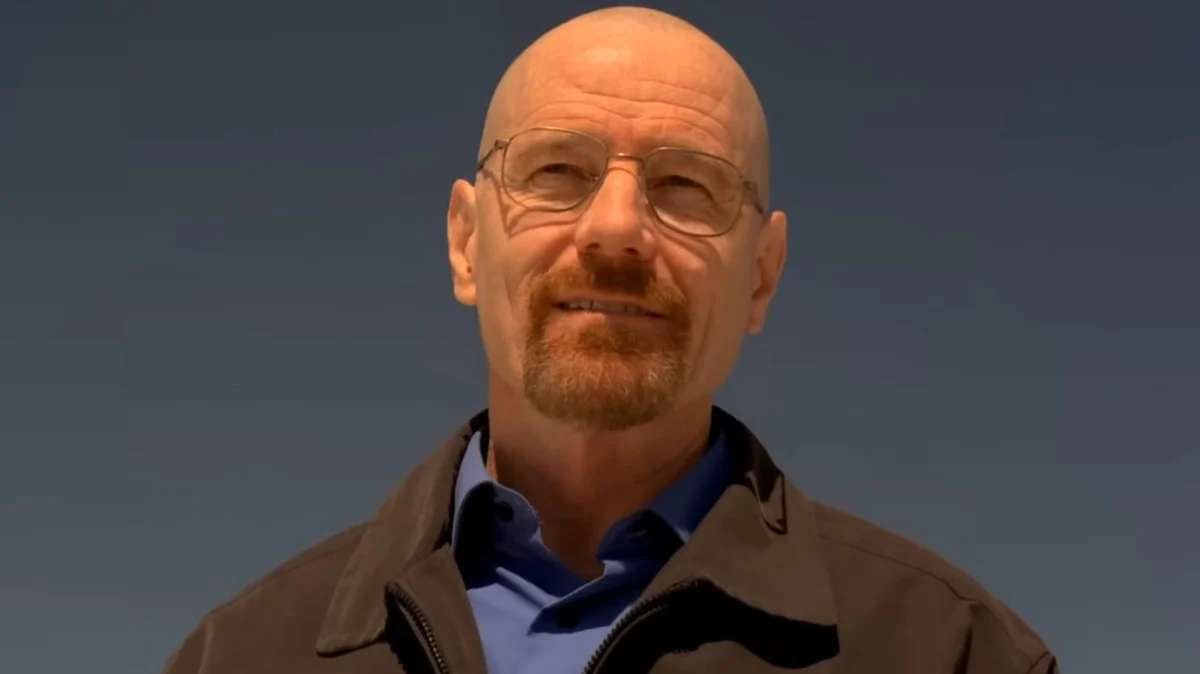
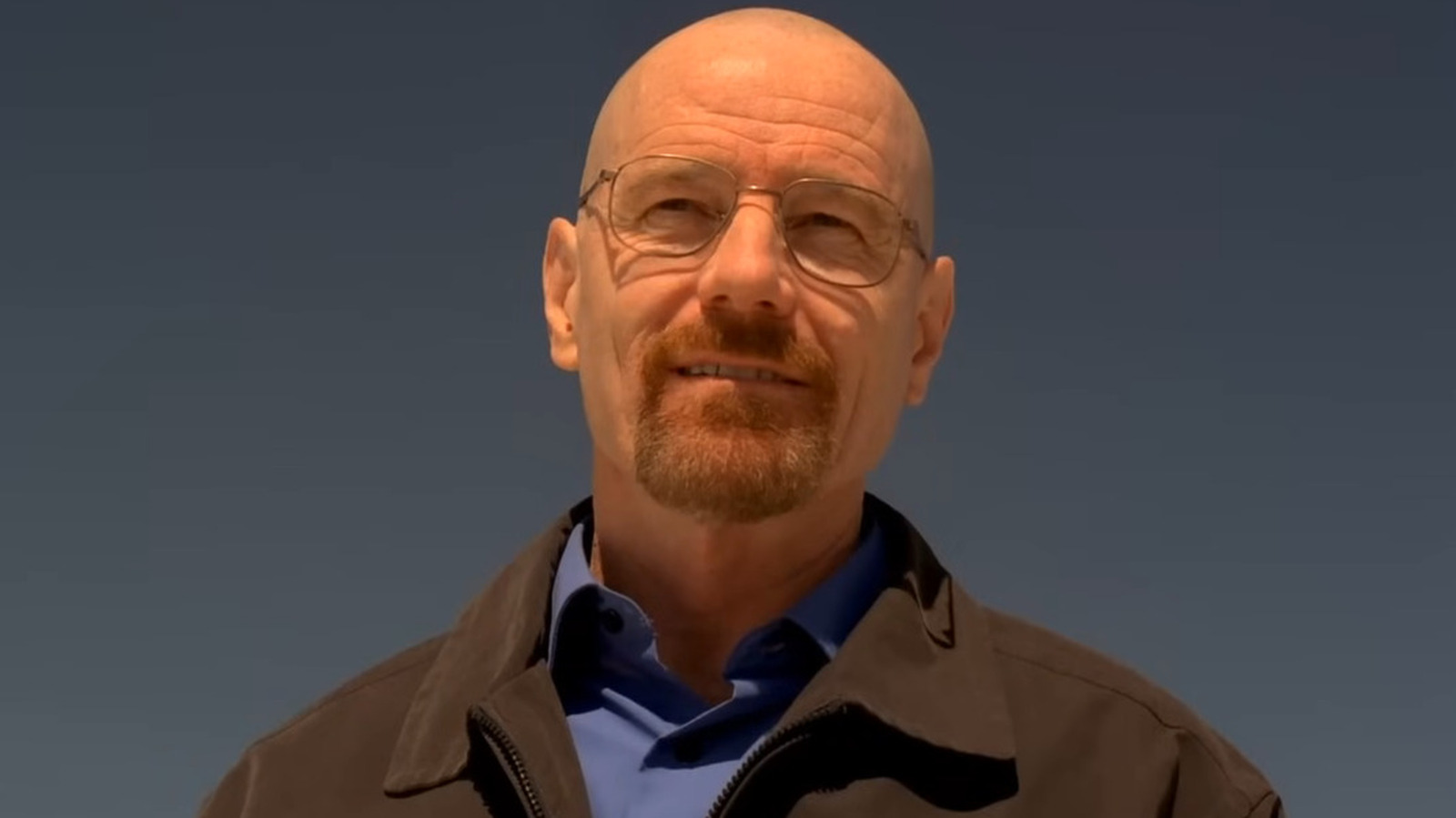
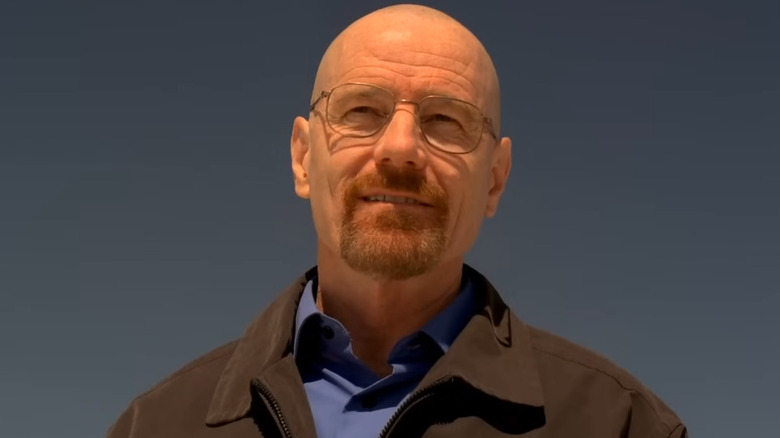
In a surprising pivot, Cranston reprised the role for a public service announcement commissioned by the State of New Mexico—the primary filming location for both Breaking Bad and Better Call Saul. Titled "Breaking Bad Habits," the anti-littering campaign featured Cranston stepping out of the desert haze to deliver a stern warning to residents and tourists alike. "Keep litter out of my territory," he growled, combining civic responsibility with iconic television menace. New Mexico Governor Michelle Lujan Grisham officially released the campaign on her administration’s channels, alongside a companion spot featuring the infamous Salamanca cousins delivering warnings in Spanish.
Supporting Data and Metrics
The longevity of Walter White as a pop-culture fixture is supported by measurable achievements across television history and marketing impact:
- Emmy Dominance: Bryan Cranston won four Primetime Emmy Awards for Outstanding Lead Actor in a Drama Series (2008, 2009, 2010, and 2014), tying him with actor Dennis Franz for the most wins in that category.
- Critical Acclaimed Prequel/Sequel Era: The inclusion of Cranston in Better Call Saul helped propel the final season to critical heights, contributing to the show’s staggering total of 53 Emmy nominations throughout its run.
- Commercial Reach: The 2023 PopCorners Super Bowl commercial generated tens of millions of views across digital platforms within its first 48 hours, demonstrating that the commercial value of the Breaking Bad IP remained undiminished a decade after the show’s finale.
- Civic Engagement: The New Mexico anti-littering campaign garnered millions of organic views on YouTube and social media within the first week of its release, proving to be one of the most successful public awareness campaigns in the state’s history.
Official Responses and Creative Perspectives
The decision to continually revisit Walter White has been approached with careful deliberation by both creator Vince Gilligan and Bryan Cranston himself. While many actors grow weary of being defined by a single career-defining character, Cranston has repeatedly expressed a deep affection for the chemistry teacher turned drug lord.
Reflecting on his return for Better Call Saul in 2022, Cranston noted in various interviews that stepping back onto the soundstage felt remarkably natural, akin to slipping on a comfortable, albeit dangerous, old pair of shoes. He has frequently credited the writing team for ensuring that each return—whether dramatic or comedic—served a distinct narrative or cultural purpose rather than feeling like a cheap cash grab.
Vince Gilligan has similarly emphasized that expansions like El Camino and Better Call Saul were born out of a desire to fully explore the universe rather than exploit it. Speaking on the integration of classic characters into the prequel, Gilligan noted that bringing Cranston and Aaron Paul back required absolute narrative justification to respect the integrity of the original series’ finale.
The corporate and civic entities utilizing the character have also praised Cranston’s dedication. New Mexico state officials highlighted that Cranston’s enthusiastic participation in the "Breaking Bad Habits" anti-littering campaign was driven by his genuine fondness for the state and its local crew members, with whom he worked for over a decade.
Implications for Modern Television and Franchise Longevity
The ongoing survival of Walter White in popular culture offers profound implications for the modern television landscape. In an era dominated by intellectual property reboots, cinematic universes, and franchise fatigue, the post-finale life of Breaking Bad stands out as a masterclass in controlled, strategic expansion.
Rather than succumbing to endless, dilution-prone spin-offs, the creative team behind Breaking Bad treated its universe as a finite, sacred space. Consequently, when Walter White does make an appearance—whether in a dramatic flashback in El Camino, a chronological nexus in Better Call Saul, a Super Bowl snack commercial, or a state-sponsored PSA—it is treated as an event.
This scarcity model has preserved the prestige associated with the character. Cranston’s willingness to pivot seamlessly between high drama, political satire, corporate advertising, and public service announcements demonstrates the uncanny versatility of the Heisenberg persona. Walter White is no longer merely a protagonist of a completed television series; he has entered the pantheon of timeless American literary and cinematic archetypes, capable of being recontextualized for any medium while retaining the dangerous, magnetic pull that first captivated audiences in 2008.
