
The Evolution of Mobile Imaging: Inside the OPPO Find X10 Series
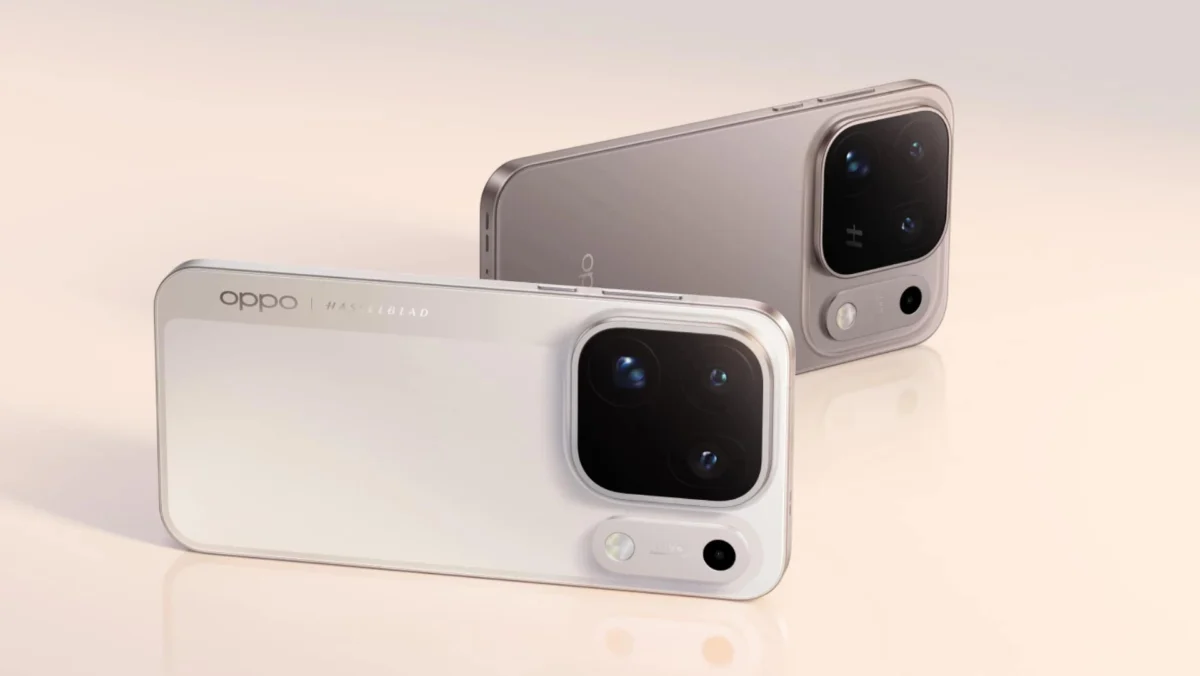
The smartphone landscape is currently witnessing a tectonic shift. While established giants iterate with incremental camera bumps and minor software tweaks, Chinese manufacturers have embarked on a race of raw, uncompromising hardware superiority. At the forefront of this movement is the new OPPO Find X10 series—a lineup that does not merely challenge the status quo but effectively rewrites the technical specifications for mobile photography. With the introduction of the Find X10 and the ultra-premium Find X10 Pro Max, OPPO is positioning itself as the premier choice for creators who view their smartphone as a professional-grade production tool.
Main Facts: A New Benchmark in Hardware
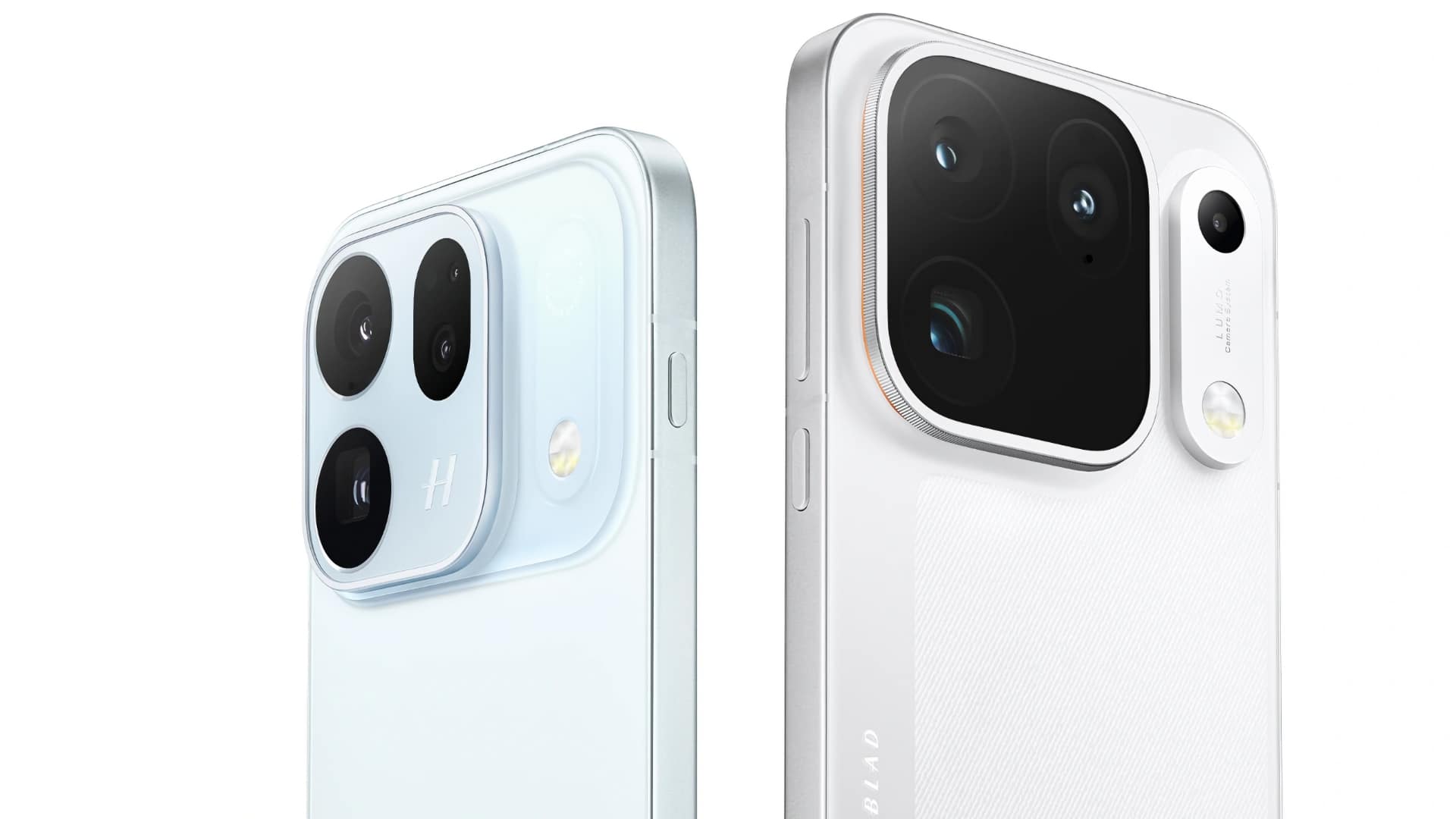
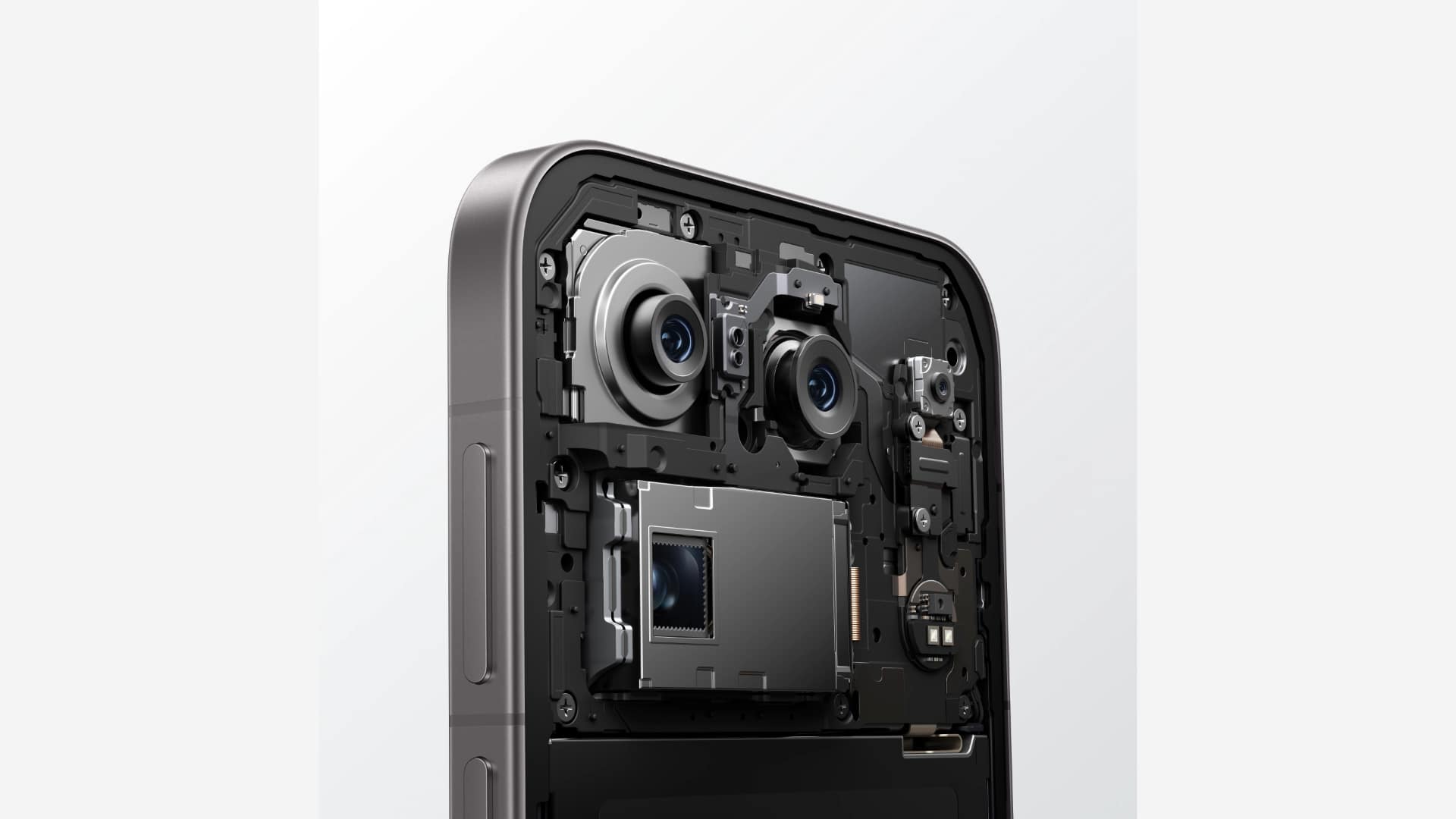
The headline feature of the Find X10 Pro Max is its unprecedented camera array: the world’s first smartphone to house three distinct 200-megapixel rear-facing sensors. This is not just a marketing gimmick; it represents a fundamental change in how a phone captures light and detail.
The Pro Max features a sophisticated primary shooter utilizing the 1/1.28-inch ISOCELL HPC sensor, co-developed with Samsung. Through proprietary "DeepPix" technology, this sensor achieves an industry-leading 17 stops of dynamic range, allowing for a level of highlight and shadow retention previously thought impossible on a mobile device. The ultra-wide camera boasts a 1/1.56-inch sensor—twice as capable of light intake as its predecessor—paired with a 124-degree autofocus lens. Perhaps most impressively, the telephoto lens doubles as a telemacro camera, featuring an f/2.1 aperture and a 10cm minimum focusing distance, offering unparalleled versatility.
Beyond the glass, the devices are powered by bleeding-edge silicon. The Find X10 utilizes the 3nm MediaTek Dimensity 9600M, while the Pro Max pushes boundaries with the 2nm Dimensity 9600 Pro. Both are kept at optimal performance temperatures by advanced vapor chamber cooling systems, ensuring that whether you are editing 8K footage or running complex AI processes, the device remains cool under pressure.
A Chronology of the Rise of OPPO
To understand the significance of the Find X10, one must look at the trajectory of OPPO over the last decade. OPPO began as a consumer electronics manufacturer focused on audio-visual equipment before pivoting to smartphones.
- 2014-2016: OPPO established its reputation in the Asian market through high-quality selfie-centric phones and the introduction of rapid charging technology (VOOC).
- 2018: The launch of the Find X series signaled a move toward premium innovation, featuring the iconic motorized pop-up camera module that set a design trend for the industry.
- 2021-2023: The partnership with Hasselblad began to bear fruit, moving the focus from "beauty filters" to "color science," aligning OPPO with the professional photography heritage of Swedish camera engineering.
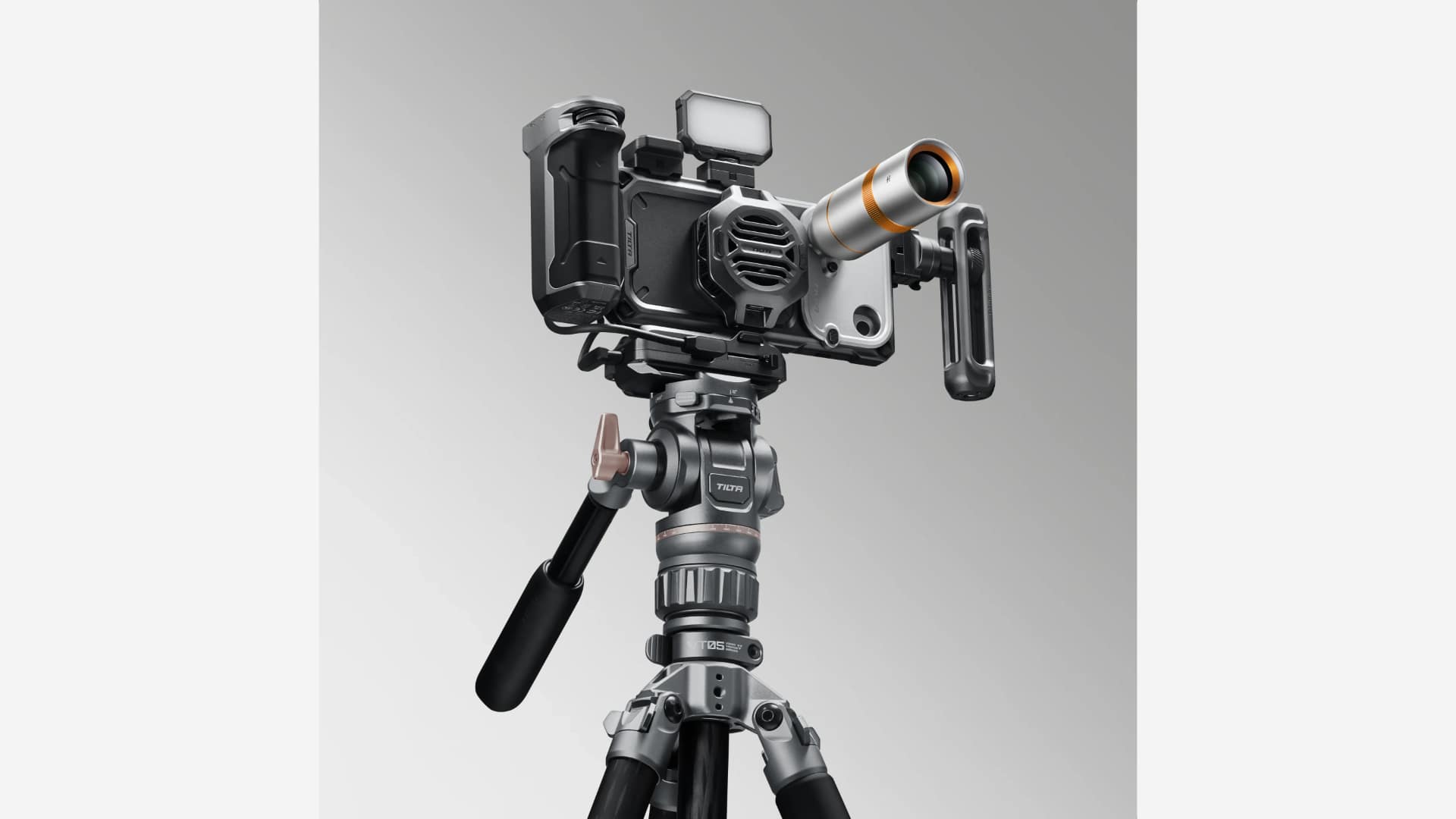
- 2024: The announcement of the Find X10 series marks the convergence of professional cinematography (O-Log2, Open Gate) and high-end smartphone hardware, directly competing with dedicated mirrorless systems.
Supporting Data: The Specs That Matter
For the professional user, the allure of the Find X10 series lies in its technical versatility. The inclusion of "Open Gate" capture—a first for the brand—allows users to record using the full height of the sensor. This is a vital feature for content creators who need to repurpose a single master clip for multiple platforms, such as 9:16 vertical reels for TikTok and 16:9 cinematic widescreen for YouTube.
The Display Revolution
The visual experience is anchored by a display that is as impressive as the camera. The Pro Max features a 6.78-inch panel capable of a 3600-nit peak brightness. This extreme brightness is not merely for indoor viewing; it is designed for outdoor visibility in direct sunlight, ensuring that photographers can check their histograms and composition even in harsh, high-contrast environments. With a 144Hz LTPO refresh rate and 3840Hz PWM dimming, the screen is both buttery smooth and gentle on the eyes.
Power and Efficiency
The shift to Silicon-Carbon battery technology allows for capacities of up to 8000 mAh in a form factor that remains ergonomic. This massive power reserve is essential when powering three 200MP sensors and an 8K video encoder. The 80W wired SUPERVOOC and 50W AIRVOOC charging standards mean that despite the battery’s gargantuan size, downtime is minimized.
Official Responses and Strategic Positioning
OPPO’s strategy is clear: they are filling the void left by manufacturers like OnePlus, which has increasingly retreated from global flagship markets. By keeping the Find X10 series available through official global channels, OPPO is signaling its intent to dominate the premium sector in Europe and parts of Asia.
"The Find X10 series is our answer to the professional who refuses to carry a heavy camera bag but demands a professional result," says a spokesperson for the development team. The collaboration with Hasselblad has extended beyond simple color calibration. The new "LUMO True Image Engine" is the result of years of data sharing between OPPO’s computational photography engineers and Hasselblad’s master colorists. By reducing aggressive sharpening and synthetic noise reduction, the engine produces images that feel organic, filmic, and remarkably consistent across all three lenses.
Implications for the Industry
The release of these devices has profound implications for both the smartphone industry and the dedicated camera market.
The Death of the "Compromise"
For years, the telephoto lens on a smartphone was a secondary citizen—lower resolution, smaller sensor, and poorer low-light performance. By upgrading the telephoto to a 200MP sensor that matches the main camera in both resolution and 8K recording capability, OPPO has removed the "weak link" in the three-lens setup. Creators can now switch between focal lengths without worrying about a drop in image quality.
AI Integration: The "Mind Pilot"
The inclusion of ColorOS 17 brings with it "AI Mind Pilot." This is not just an editing tool; it is a workflow manager. With Agent Mode, the phone can handle complex, multi-step tasks across different apps. For instance, it can pull raw photos from the gallery, apply specific stylistic presets, organize them into a file folder, and prepare them for export, all through natural language prompts. While these features are currently limited by monthly usage caps, they represent the future of mobile productivity.
The Cost of Excellence
However, this performance comes at a cost. Starting at €1199 and reaching nearly €2000 for the Pro Max, OPPO is challenging the "cheap Chinese phone" stereotype. They are positioning these devices firmly in the territory of luxury goods. For the price of a Pro Max, a consumer could theoretically purchase a high-end mirrorless camera body and a premium lens. The question now is whether the convenience of a pocketable, 8K-capable, AI-integrated supercomputer outweighs the modularity of a traditional camera.
The North American Gap
A significant point of friction remains the lack of official distribution in North America. By bypassing the US market, OPPO is choosing to focus its resources on regions where its brand equity is strongest. For American enthusiasts, this means relying on third-party importers, which complicates warranty support and network compatibility. It is a strategic risk, but one that highlights OPPO’s confidence that the product is so compelling, users will go to great lengths to acquire it.
Conclusion: A New Era
The OPPO Find X10 series stands as a testament to the pace of innovation in modern engineering. By prioritizing 200MP sensors across the board, embracing open-standard cinematic workflows like O-Log2 and Dolby Vision, and leaning into a mature, color-accurate partnership with Hasselblad, OPPO has created a device that feels less like a phone and more like a mobile studio.
As we look toward the next year of smartphone development, the Find X10 sets a high bar. The competition is no longer about who can make the thinnest phone or the most saturated screen; it is about who can best bridge the gap between a portable device and a professional creative tool. If the Find X10 is any indication, the future of photography is not just in our hands—it is in our pockets, and it is more powerful than ever.
