
The Anatomy of Story Collapse: Box Office Shifts, Legacy Sequels, and the Perils of Forced Screenwriting
Introduction
As moviegoers head to theaters to weigh in on this weekend’s box office showdowns—torn between dark cinematic thrills and high-octane martial arts action—the broader entertainment landscape offers a fascinating masterclass in both the triumphs and pitfalls of modern storytelling.
Beyond the ticket sales and the opening-weekend discourse lies a more fundamental question: Why do certain high-profile stories completely implode, while others manage to capture the public imagination?
Examining recent stumbles in prestige television, the shifting power dynamics of Rotten Tomatoes, and the treacherous creative landscape of legacy sequels reveals how structural missteps in the writing room can derail even the most anticipated projects.
Main Facts: The Crisis of Plausibility and Shifting Metrics
The contemporary entertainment ecosystem is undergoing a quiet revolution, defined by two major trends:
- The Death of Organic Motivation in TV Writing: A growing reliance on "forced plotting"—where writers drag characters through pre-determined scenarios rather than allowing them to react naturally—is causing prestige-adjacent streaming series to collapse under their own weight.
- The Rise of Audience-First Studio Strategies: Hollywood has officially entered an era where studio greenlights are increasingly dictated by crowd-sourced audience approval metrics rather than critical consensus, altering how franchises are conceptualized and marketed.
These trends highlight a widening gap between mechanical, writer-driven manipulation and authentic storytelling that respects both character integrity and audience intelligence.
Chronology: From Critical Hegemony to the Audience-Score Rebellion
To understand where Hollywood stands today, it is necessary to look back at how industry metrics have evolved over the past two decades.
The 2000s: The Reign of the Critic
For the better part of the 2000s, the review aggregator Rotten Tomatoes wielded immense, unchecked influence over studio greenlights. If a major release dipped below a 70% approval rating, its commercial viability was immediately thrown into question.
- Reverse-Engineering Prestige: Studios responded by reverse-engineering critic approval into screenplays from day one. This era paved the way for Marvel Studios’ Phase One and early Phase Two strategies, which prioritized universally palatable, high-scoring formulas.
- The Weaponization of Scores: High Rotten Tomatoes scores were deployed as objective marketing proof of artistic excellence, dictating weekend box office returns.
The 2010s to 2020s: The Rise of Audience Power
As streaming platforms expanded and viewer habits fragmented, a disconnect emerged. Certain films and series began receiving lukewarm or outright poor critical scores while quietly pulling in staggering audience viewership.
- Flipping the Narrative: Titles like The Super Mario Bros. Movie proved that a wide disconnect between critics and moviegoers did not mean commercial failure. Instead, studios learned to spin the narrative: Critics didn’t understand it, but the audience did.
- The 2026 Landscape: Today, studio executives pay closer attention to audience satisfaction scores than high-brow critical approval. This shift has liberated creators from trying to inject fake depth and lab-engineered "think-piece" themes into popcorn properties, leading to a renaissance for crowd-pleasing, unapologetically entertaining blockbusters.
Supporting Data: Box Office Demographics and Critical Dissonance
The changing expectations of modern audiences are reflected in how current box office contenders are performing across different metrics:
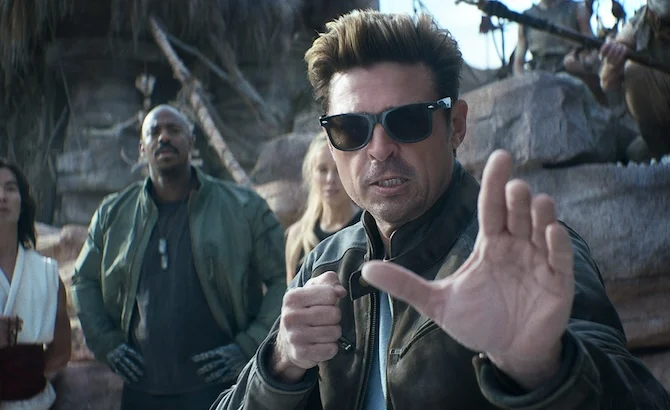
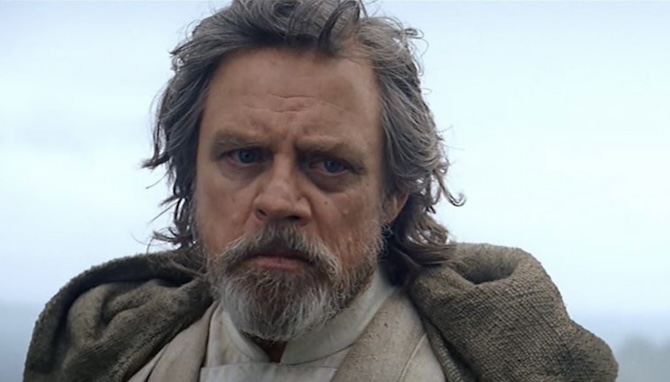
- Mortal Kombat Franchise: While early entries struggled to find a cohesive narrative voice, newer iterations have leaned heavily into character-driven grounding—specifically centering the narrative around the charismatic Johnny Cage. The result is a stark bifurcation in data: a modest critical score hovering around 65% contrasted with a roaring 90% audience approval rating.
- The Devil Wears Prada Legacy & Cultural Footprint: Releasing legacy properties decades after their initial run presents a unique mathematical and creative risk. The Devil Wears Prada sits comfortably at 78% with critics and 86% with audiences, proving that beloved properties can successfully re-engage viewers if handled with care.
This data underscores a vital industry reality: modern studios care deeply about whether a project delivers an engaging, friction-free experience to the paying public, rather than whether it satisfies a checklist of critical prerequisites.
Narrative Mechanics: When Shows "Go Off the Rails"
While box office analytics dictate studio investments, the execution of these stories ultimately rests in the writers’ room. A prime case study in structural collapse can be found in the current trajectory of streaming television dramas attempting to capture the zeitgeist of anthology satires like The White Lotus, but lacking the foundational execution.
The "Seoul" Phenomenon: Forced Plotting vs. Organic Behavior
When a television series abandons internal logic in favor of shock value or high-concept detours, audiences can feel the shift immediately, even if they cannot articulate the technical screenwriting mechanics behind it.
A notable example of this phenomenon unfolds when a narrative abruptly transplants an ordinary cast of characters into an international metropolis—such as Seoul—requiring completely normal individuals to morph overnight into action stars engaged in high-stakes kung-fu battles against criminal factions.
- The Problem: The writer desperately wants a specific sequence to happen, forcing the screenplay to bend into pretzels, manufacturing absurd excuses to get characters on a plane.
- The Reality: In real life, these choices defy human logic. Most people would avoid confrontation, prioritize self-preservation, and opt out of reckless danger.
- The Audience Reaction: When a story stops behaving like life and starts behaving like a puppeteer dragging characters by the neck, viewers experience a jarring disconnect. The project transforms from a grounded narrative into an indulgence of an inner fanboy, sacrificing psychological realism for superficial spectacle.
The Legacy Sequel Trap: Evolution vs. Erosion
Another formidable challenge in contemporary screenwriting is the legacy sequel—specifically, revisiting iconic characters after a hiatus of twenty years or more. Almost every writer tasked with this challenge runs the risk of falling into a classic psychological trap.
The Chronology Trap
When writers are asked, "What has this character been doing for the last twenty-five years?", they often approach the character backwards.
- They start with chronology instead of storytelling.
- They start with biography instead of essence.
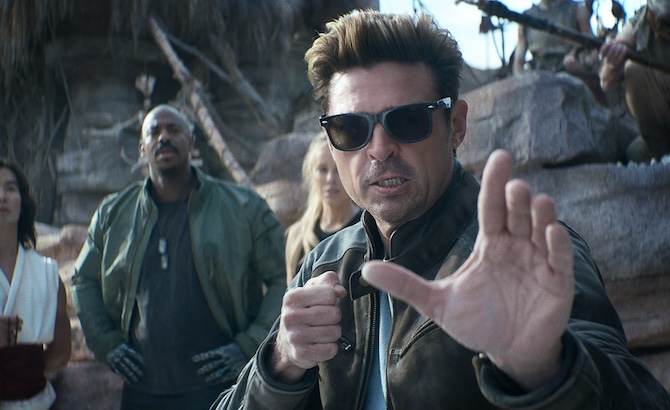
This flawed approach leads writers to conclude that the passage of time must inherently render beloved heroes into depressed, bitter, cynical shells of their former selves. Recent cinematic examples—such as Happy Gilmore 2 and Star Wars: Episode VIII – The Last Jedi—demonstrate how this logic can alienate audiences who return to theaters not to see their childhood icons broken down, but to reconnect with the core identity that made them memorable in the first place.
The Correct Approach: Preserving Essence
By contrast, successful legacy writing prioritizes character essence over biographical decay.
- The Han Solo Paradigm: When J.J. Abrams brought back Han Solo in The Force Awakens, he understood that fans did not want to see a defeated, domesticated figure worn down by the decades. They wanted the swagger, the rogueish charm, and the enduring spirit of the character.
- Evolution, Not Erosion: Characters can—and should—grow over time. However, true evolution must be carefully distinguished from creative erosion. While understanding a character’s backstory, psychological wounds, and motivations is essential for deep writing, backstory should never dictate core identity to the point where a character ceases to feel authentic.
Implications: What This Means for the Future of Content
The lessons drawn from these television missteps and cinematic shifts carry profound implications for the entertainment industry at large:
- For Writers: The fundamental battle between what a creator wants a character to do and what that character realistically would do remains the ultimate test of screenwriting craftsmanship. Writers must bridge the gap between necessary plot progression and authentic human behavior to avoid alienating viewers.
- For Studios: The waning influence of purely critical metrics in favor of organic audience engagement means greenlights will increasingly favor high-concept accessibility, clear emotional anchors, and character clarity over forced thematic importance.
- For the Streaming Market: As viewers grow increasingly intolerant of sloppy, rushed television production schedules that compromise story integrity, streaming services will need to invest more heavily in developmental refinement to prevent promising series from collapsing midway through their runs.
Ultimately, whether managing a multi-million-dollar IP or drafting an original streaming drama, the golden rule remains unchanged: respect the internal truth of the characters, honor the audience’s emotional intelligence, and let the story breathe.
