
The Art of the Finale: Why Brandon Sanderson’s The Hero of Ages Remains the Gold Standard of Fantasy Conclusions
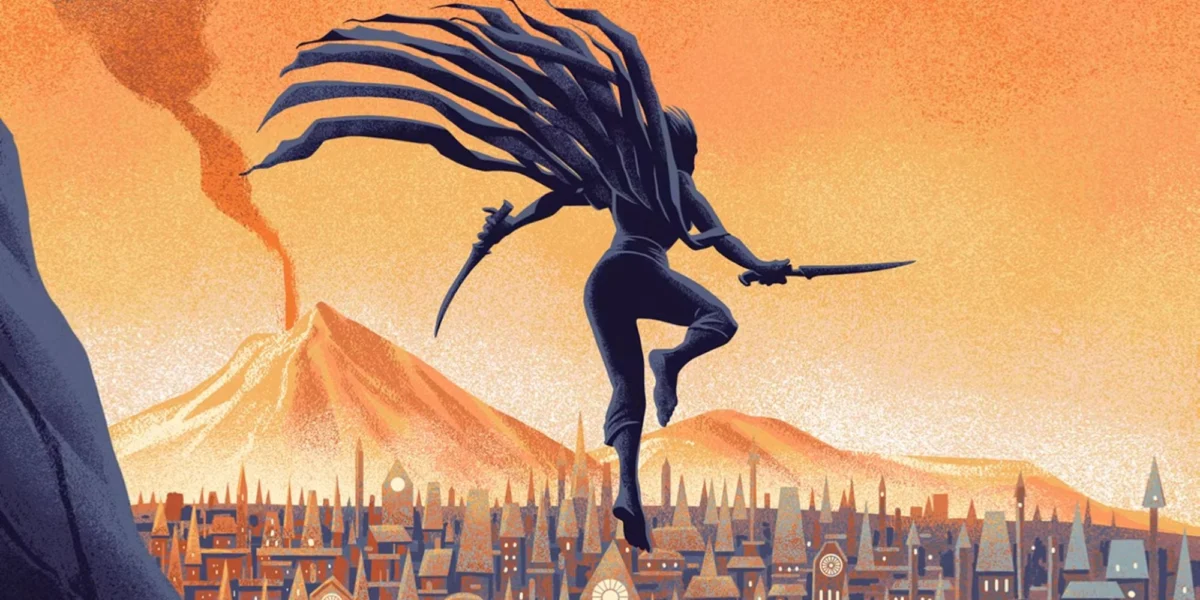
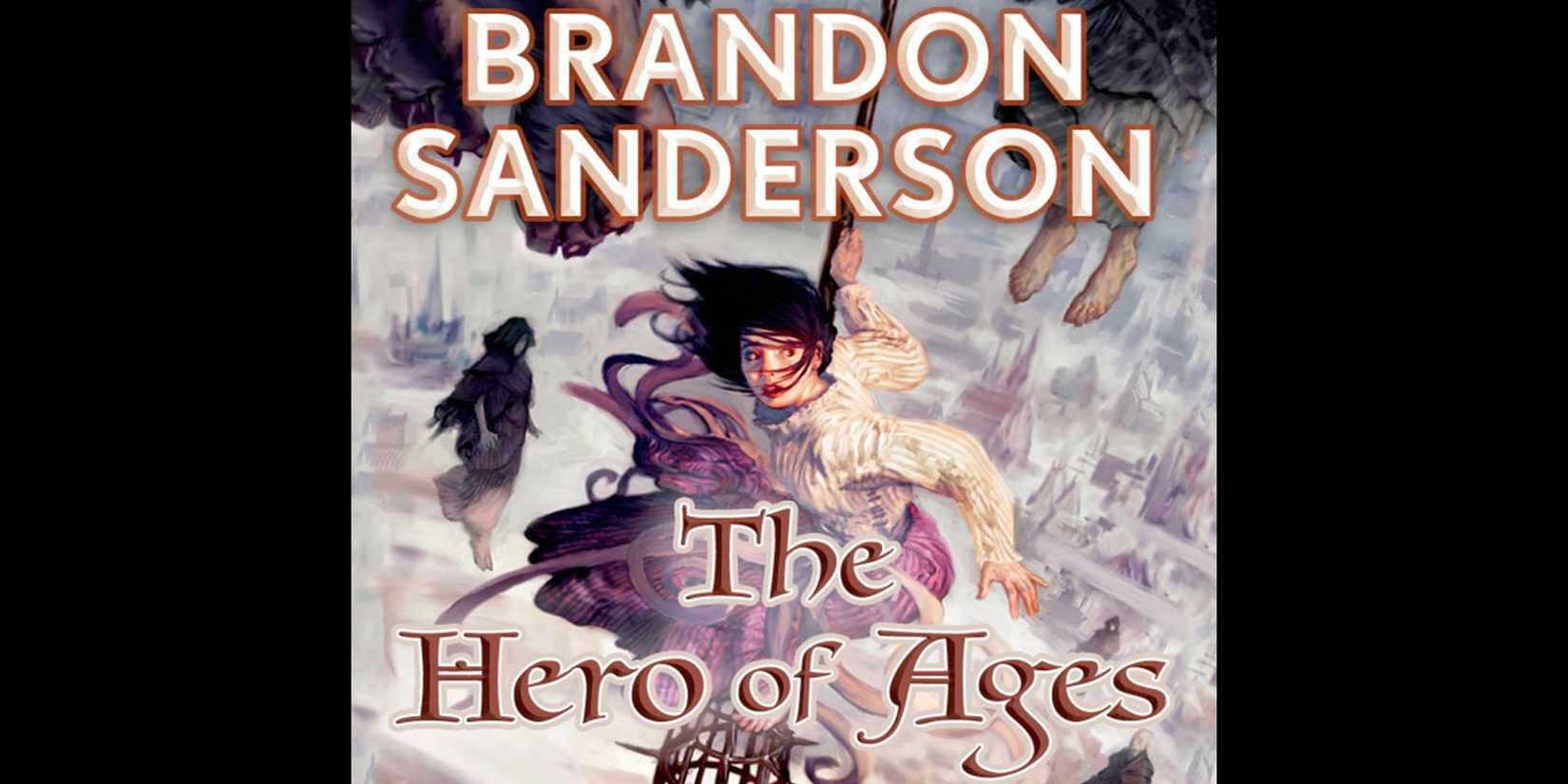
The challenge of concluding a sprawling epic is perhaps the most daunting task a novelist can face. In the realm of high fantasy, where world-building, intricate magic systems, and multi-generational casts are the norm, the "ending" often crumbles under the weight of its own expectations. Yet, nestled within the expansive, interconnected multiverse of Brandon Sanderson’s Cosmere, one specific conclusion stands as a masterclass in narrative architecture: The Hero of Ages, the final volume of the original Mistborn trilogy.
Since its publication, The Hero of Ages has been lauded by critics and readers alike for achieving a feat rarely seen in speculative fiction—a conclusion that is simultaneously apocalyptic, emotionally devastating, and perfectly earned. As we revisit this seminal work in the broader context of the Cosmere, it becomes clear that Sanderson’s ability to weave threads from the very first page into a cohesive, explosive tapestry is what sets his work apart.
The Foundation: A World Built on Ash
To understand the gravity of the finale, one must first appreciate the stakes of Scadrial. When Sanderson introduced the world in 2006’s Mistborn: The Final Empire, he subverted the "Chosen One" trope. The world was already broken: the sun was a dying red ember, the sky rained ash, and a cruel, god-like tyrant known as the Lord Ruler had maintained a brutal, stagnant peace for a thousand years.
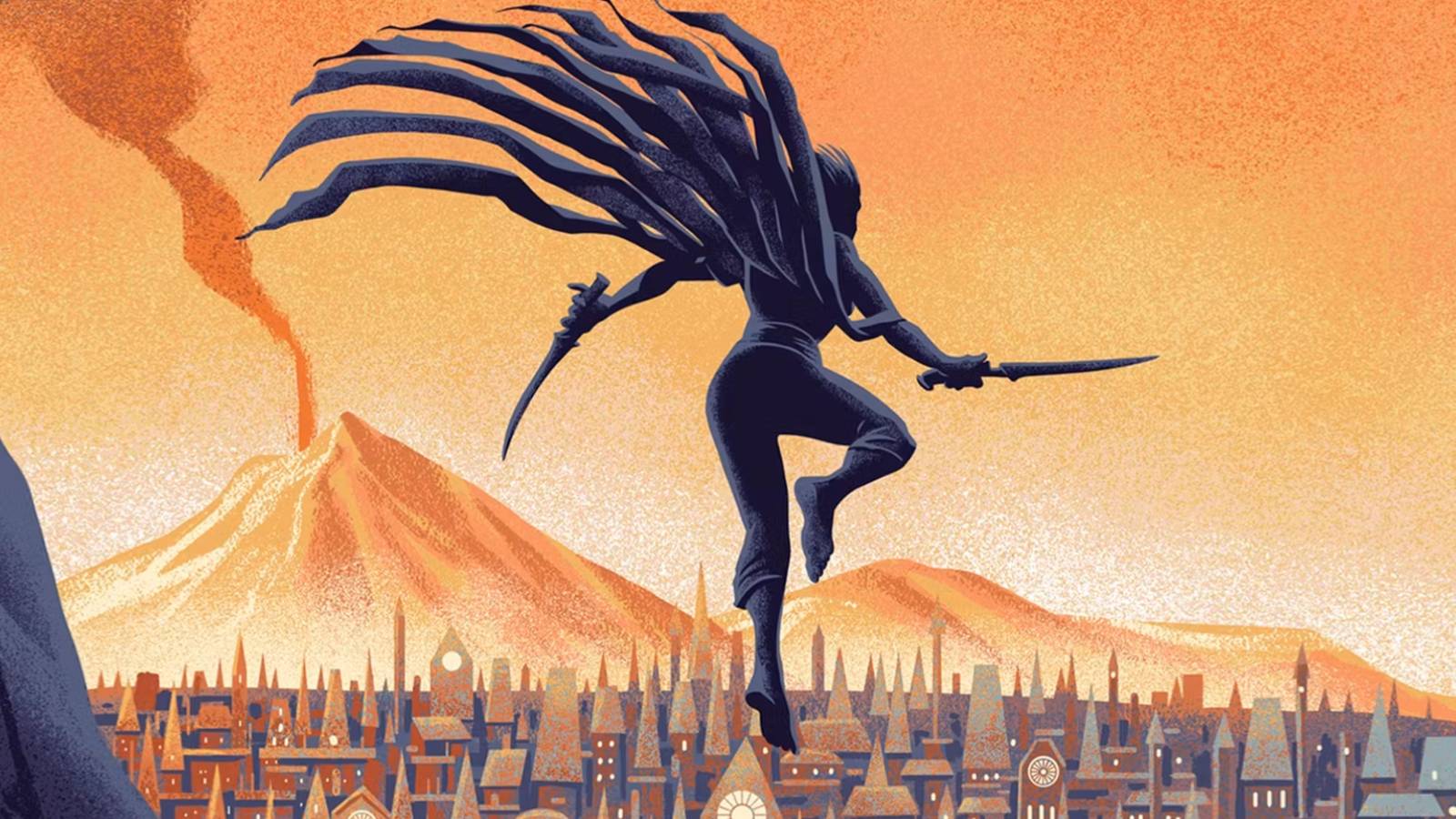
The society was strictly stratified between the oppressive nobility and the enslaved skaa. The magic system—Allomancy—was equally rigid and scientific. By ingesting specific metals, "Allomancers" could push or pull on nearby metal objects, enhance their senses, or manipulate emotions. Unlike the nebulous "soft magic" found in many fantasy series, Sanderson’s system functioned with the precision of physics. This logical consistency would prove vital for the finale, ensuring that when the "Sanderlanche"—a term coined by fans to describe his signature rapid-fire, high-stakes climax—arrived, it felt grounded rather than convenient.
Chronology of a Cataclysm
The trajectory of the Mistborn trilogy is one of escalating entropy.
- The First Era (The Final Empire): The narrative begins as a high-stakes heist, focusing on a ragtag crew led by the charismatic Kelsier and his protégé, the street urchin Vin. Their goal is simple: topple the immortal tyrant.
- The Second Era (The Well of Ascension): Following the death of the Lord Ruler, the fragile political landscape collapses. The characters grapple with the consequences of their revolution, discovering that the "good guys" have inadvertently unleashed an ancient, malevolent force known as Ruin.
- The Final Act (The Hero of Ages): The planet begins to physically die. Earthquakes, volcanic eruptions, and the collapse of the environment signify the end of days. The survivors realize that the history they were taught was a manipulation, and the forces of Preservation and Ruin are locked in a struggle that spans millennia.
Supporting Data: The Anatomy of the "Sanderlanche"
The term "Sanderlanche" has become part of the lexicon of modern fantasy. It refers to the final 10-15% of a Sanderson novel where dozens of subplots converge, long-standing mysteries are unraveled in rapid succession, and the pace accelerates to a breakneck speed.

In The Hero of Ages, this isn’t merely a stylistic choice; it is a structural necessity. Sanderson utilizes a series of "epigraphs"—short snippets of text at the beginning of each chapter—that appear to be fragmented memories or historical records. Throughout the trilogy, readers are encouraged to piece these together like a jigsaw puzzle. When the final pieces fall into place during the climax, the revelation regarding the true nature of the "Hero of Ages" is not a twist for the sake of shock, but a logical conclusion that the reader had the tools to deduce all along.
This structural rigor is supported by the interplay between the two primary divine entities: Preservation and Ruin. By establishing the "rules" of their divinity early, Sanderson ensures that the final confrontation is a battle of ideology and cosmic strategy rather than just raw power. It is a chess match played across a board of shifting tectonic plates.
Official Perspectives and Critical Reception
While "official" responses to fantasy novels usually take the form of critical reviews and literary analysis, the consensus surrounding The Hero of Ages has remained remarkably consistent over nearly two decades. Critics often point to the character arc of Sazed, the "Terrisman" scholar, as the anchor of the book.
Sazed’s struggle with faith in the face of absolute despair mirrors the reader’s experience. His transition from a skeptical historian to a vessel of cosmic balance provides the necessary emotional weight to balance the spectacle of the apocalyptic finale. Reviews from major outlets have frequently highlighted that while many authors struggle to maintain the internal logic of their worlds toward the end of a series, Sanderson manages to tighten the focus, turning the chaos of the end of the world into a coherent, deeply personal story of sacrifice.
Implications: The Legacy of a Perfect Ending
The implications of the ending of The Hero of Ages reach far beyond the borders of the Mistborn trilogy. It established the "Cosmere" as a viable, interconnected universe. The "sharding" of divinity—the process by which the power of gods is split and claimed by mortals—would become the backbone of all subsequent novels, including The Stormlight Archive.
Furthermore, the ending changed how readers engage with fantasy epics. It proved that audiences are capable of handling complex, non-linear mysteries, provided the author respects the reader’s intelligence. It shifted the trend in the genre toward "hard magic" systems where the boundaries of power are defined and the limitations are just as important as the capabilities.

The finale also serves as a poignant exploration of the cost of heroism. The characters who survive the ordeal do not do so unscathed. The "bittersweet" nature of the victory—where the world is saved, but at the cost of the old order and many beloved lives—lends a sense of permanence and gravity to the narrative. It is not a "happy ever after" in the traditional sense; it is a "we survived, and now we must build" ending.
Conclusion: A Blueprint for Future Storytellers
As we look at the broader landscape of modern literature, the success of The Hero of Ages serves as a blueprint for long-form storytelling. By meticulously planning the "Sanderlanche," by adhering to established rules of magic and physics, and by prioritizing character growth over mere spectacle, Brandon Sanderson elevated the expectations for what a fantasy series could achieve.
It remains a touchstone for writers and readers alike. In a genre often criticized for meandering, unfinished sagas or endings that feel tacked on, The Hero of Ages stands as a pillar of structural integrity. It reminds us that an ending is not just a place to stop; it is the culmination of every promise made by the author in the first chapter. When those promises are kept—when the pieces of the puzzle finally click together with a satisfying, resonant sound—the result is not just a good book, but a literary milestone. For those who have yet to journey to Scadrial, the trip is well worth it, if only to witness one of the most masterful landing maneuvers in the history of the genre.
