
Netflix Prepares to Adapt Philip K. Dick’s Obscure ‘The World Jones Made’ into Groundbreaking Spanish-Language Series ‘The Future is Ours’
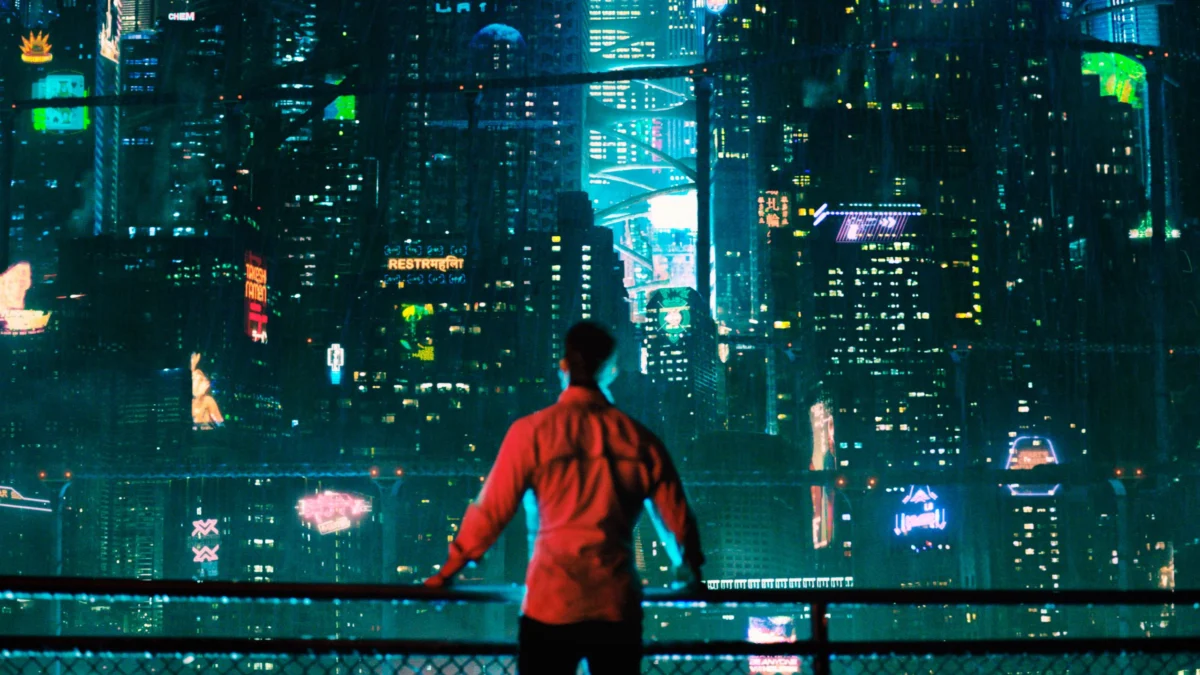
Main Facts
Netflix is currently in deep production on The Future is Ours (El futuro es nuestro), an ambitious upcoming science fiction series that marks a significant milestone in television adaptations. The project is historic on two fronts: it serves as Netflix’s first-ever screen adaptation of a work by legendary, philosophically complex sci-fi author Philip K. Dick, and it represents the first-ever Spanish-language adaptation of the author’s work globally.
Based on Dick’s lesser-known 1956 novel, The World Jones Made, the series is currently eyeing a potential 2027 release window. While production is moving forward swiftly, the creative team—led by showrunner Mateo Gil alongside production outfits K&S Films and Electric Shepherd Productions—has implemented striking modern re-imaginings of the source material. Instead of the book’s 2002 post-nuclear war setting, the adaptation shifts the timeline to 2047 South America. The narrative swaps out the novel’s original themes of anti-dogmatic statehood and Venusian colonization for a tense, contemporary examination of eco-fascism, state survivalism, and societal collapse under an authoritarian coalition known as FedSur.
At the center of the narrative is a preacher named Jonás Flores (adapting the book’s titular Floyd Jones), whose uncanny ability to see the future places him in direct opposition to FedSur’s iron-fisted social and ecological controls, setting off a high-stakes cat-and-mouse game.
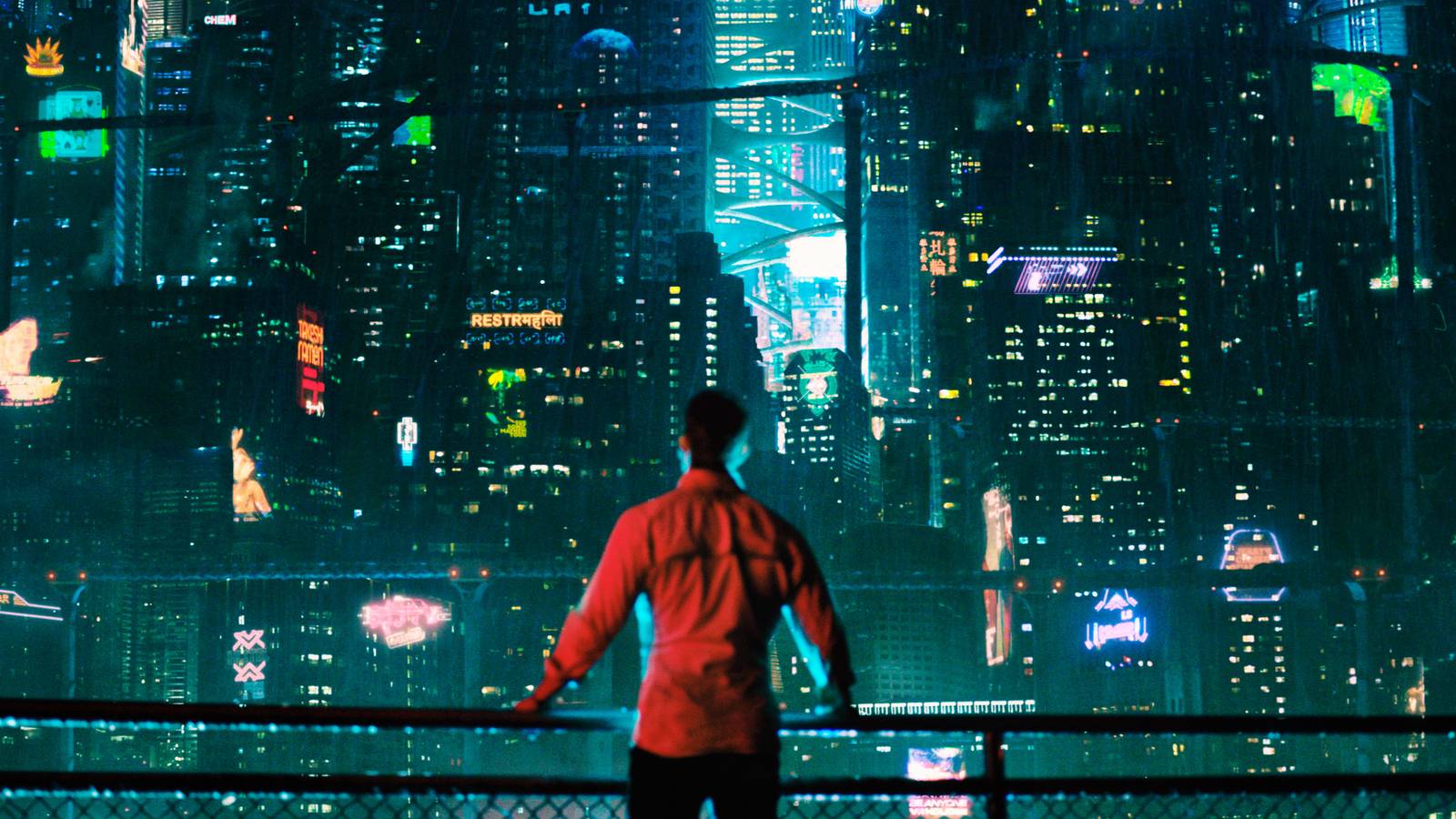
Chronology of Philip K. Dick Adaptations and the Path to ‘The Future is Ours’
The Literary Foundation (1956)
Philip K. Dick published The World Jones Made in 1956, during a fiercely productive era of his career. The novel laid down foundational speculative fiction concepts, exploring determinism, free will, and precognition—motifs that Dick would later expand upon in massive, culture-defining works. However, unlike Do Androids Dream of Electric Sheep? or The Man in the High Castle, The World Jones Made remained an obscure piece of his bibliography, characterized by bizarre elements like alien species and early space colonization plots.
The Cinematic and Television Wave (1982–2010s)
Despite the inherently cerebral and notoriously "anti-cinematic" nature of Dick’s prose, Hollywood repeatedly returned to his catalog.
- 1982: Ridley Scott releases Blade Runner, loosely adapted from Do Androids Dream of Electric Sheep?, which fundamentally alters the aesthetic and philosophical landscape of modern science fiction.
- 2002: Steven Spielberg directs Minority Report, bringing Dick’s short story about precognitive crime prevention to massive commercial success.
- 2006: Richard Linklater directs A Scanner Darkly, utilizing interpolated rotoscope animation to capture the paranoid, psychedelic realism of Dick’s semi-autobiographical novel.
- 2015–2019: Prime Video premieres The Man in the High Castle, proving that long-form television could successfully capture the alternate-history dread and philosophical depth of Dick’s writing.
The Netflix Pivot to Latin American Prestige (Mid-2020s)
Building on its strategy of investing heavily in regional prestige storytelling, Netflix achieved international acclaim with major Latin American literary adaptations. The massive successes of The Eternaut and One Hundred Years of Solitude proved that complex, speculative, and deeply cultural source material could resonate on a global scale. This groundwork paved the way for the greenlighting of The Future is Ours, fusing Philip K. Dick’s speculative frameworks with contemporary Latin American cinematic talent.

Supporting Data and Production Details
While full cast lists and exact premiere dates remain tightly under wraps by Netflix, production updates outline the structural scale of The Future is Ours:
- Source Material: The World Jones Made (1956 novel by Philip K. Dick).
- Language: Spanish (El futuro es nuestro), making it a historic first for the author’s adapted catalog.
- Key Creative Leadership: Headed by acclaimed showrunner Mateo Gil.
- Production Houses: A collaborative effort between K&S Films and Electric Shepherd Productions (the latter dedicated to preserving and managing Philip K. Dick’s literary estate).
- Setting Shift: Relocated from a post-nuclear 2002 America to a dystopian 2047 South America facing extreme ecological collapse.
- Fictional Regime: FedSur, an authoritarian coalition enforcing strict social and ecological controls.
- Protagonist/Antagonist Dynamic: Jonás Flores, a preacher endowed with precognitive abilities, pitted against the totalitarian rule of FedSur.
- Contextual Ecosystem: Follows in the footsteps of Netflix’s critically acclaimed regional literary adaptations, such as The Eternaut and One Hundred Years of Solitude.
Official Responses and Creative Vision
The choice to drastically alter the setting, tone, and mythological beats of The World Jones Made has sparked discussions among literary purists and television critics alike. By trimming away some of the "weirdly fantastical" elements of Dick’s original novel—such as references to Venusian colonization and extraterrestrial life—the production team has made a calculated pivot toward stark, grounded realism.
Showrunner Mateo Gil and the producers at Electric Shepherd Productions have emphasized that updating Dick’s work is essential to keeping his philosophical inquiries alive for modern audiences. Where the 1956 novel used its post-war setting to critique McCarthy-era paranoia and the paradox of liberal states dealing with fascism, the 2047 South American setting shifts the allegorical lens toward modern anxieties.
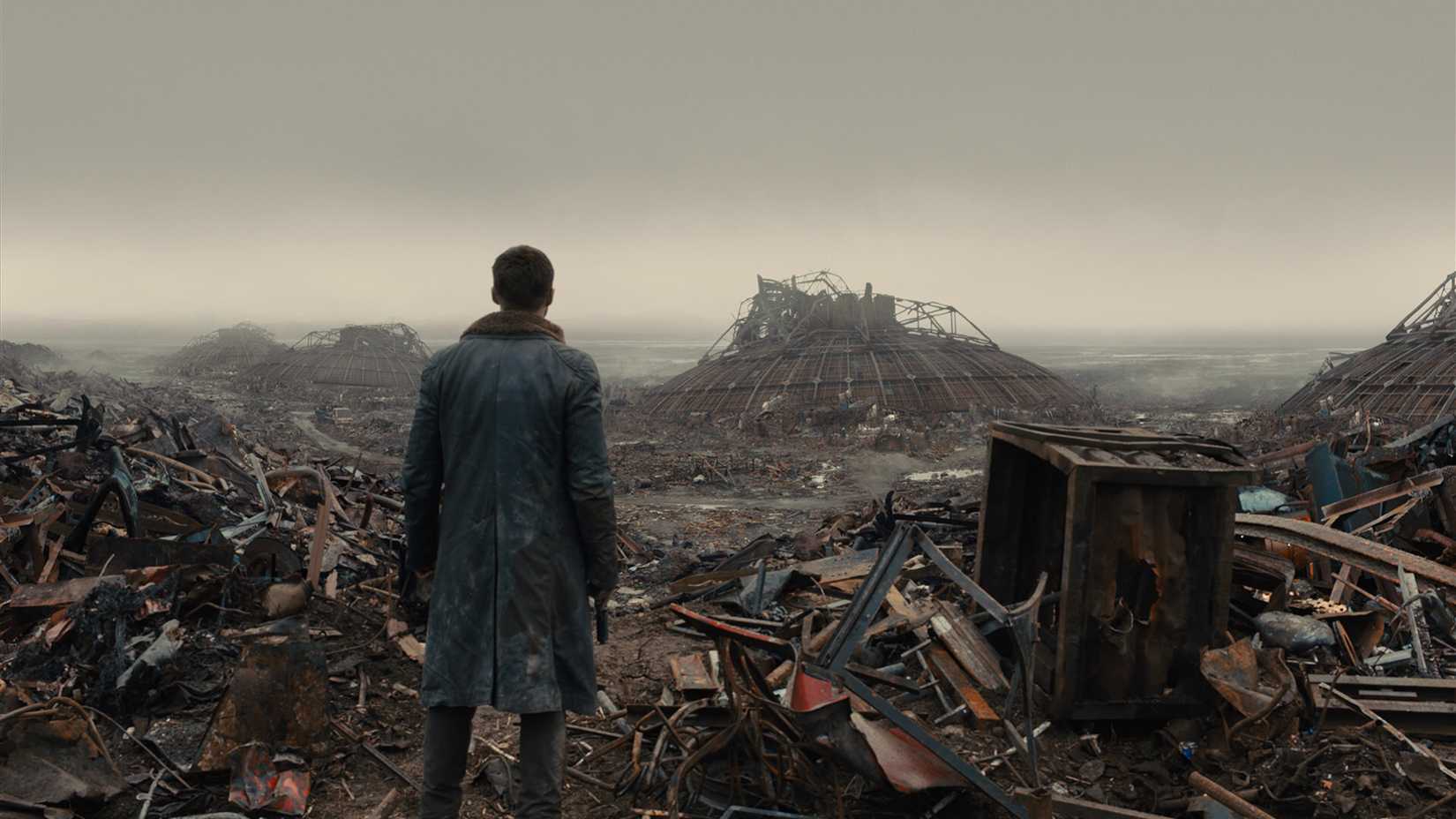
Industry analysts note that shifting the focus toward eco-fascism and climate-driven authoritarianism directly mirrors contemporary real-world anxieties regarding resource depletion, climate migration, and heavy-handed governmental surveillance. Rather than aiming for a literal, page-by-page translation of an obscure 1950s paperback, the creative team is using Dick’s core premise—a man who can see the future disrupting a fragile, paranoid state—as a springboard for a timely regional thriller.
Implications for the Sci-Fi Genre and Netflix
The impending release of The Future is Ours carries several significant implications for both the science fiction genre and Netflix’s global content strategy:
1. Expanding the Boundaries of Philip K. Dick Adaptations
For decades, screen adaptations of Philip K. Dick have predominantly hailed from English-language Hollywood creators, often leaning into neon-drenched cyberpunk aesthetics (as seen in Blade Runner and its sequel). By translating Dick’s existential dread and political paranoia into Spanish and setting it against the backdrop of a collapsing South American ecosystem, The Future is Ours proves that Dick’s themes are culturally universal. If successful, it could open the floodgates for international filmmakers to adapt more of Dick’s massive collection of short stories and lesser-known novels.

2. The Risk vs. Reward of Creative Liberties
The decision to abandon the novel’s 2002 nuclear-war timeline, drop the alien subplots, and pivot entirely toward eco-fascism is a double-edged sword. While it makes the narrative infinitely more relevant to 2027 viewers concerned with climate change, it risks alienating hardcore fans of the original text who value Dick’s unique brand of mid-century absurdity and cosmic weirdness. However, cinematic history suggests that major departures from Dick’s work can yield masterpieces; Ridley Scott’s Blade Runner famously deviated heavily from Do Androids Dream of Electric Sheep? while cementing itself as a cinematic landmark.
3. Strengthening Netflix’s Regional IP Strategy
Netflix has increasingly found massive success by investing in high-budget, non-English literary adaptations that boast universal emotional and thematic resonance. Following the multi-season renewals of sweeping projects like The Eternaut and One Hundred Years of Solitude, The Future is Ours solidifies Netflix’s reputation as a premier destination for high-concept, culturally distinct sci-fi and speculative drama.
As production pushes forward toward its anticipated 2047-set narrative debut, The Future is Ours stands as one of the most daring and culturally significant science fiction experiments of the decade, bridging the visionary madness of a 1950s American literary icon with the vibrant, urgent storytelling of modern Latin American television.
