
Sigma Unveils the 50mm F1.4 CL DG | Contemporary: A Brand-New Classic for Mirrorless Shooters
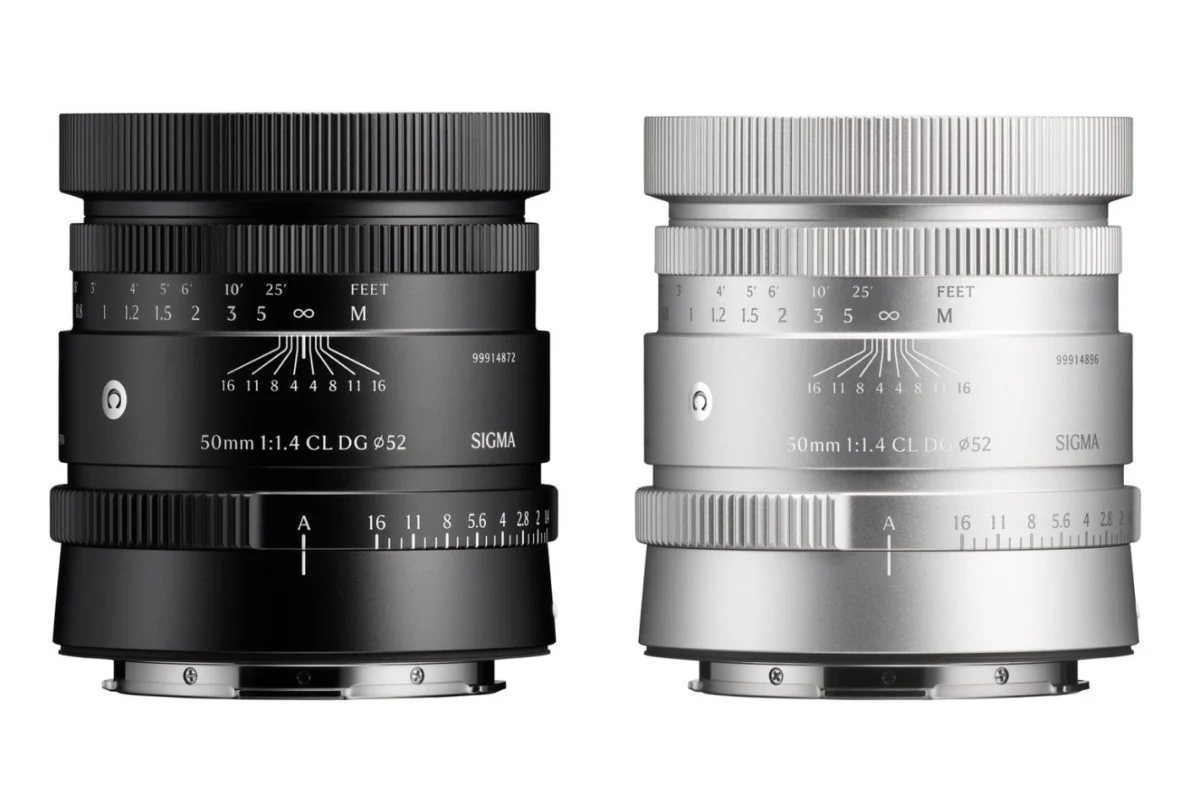
In an era where modern mirrorless lenses often prioritize clinical sharpness and technical perfection over emotional resonance, Sigma is taking a bold step backward to move forward. The Japanese optics manufacturer has officially announced the Sigma 50mm F1.4 CL DG | Contemporary, marking the debut of an entirely new lineage within its celebrated I series of prime lenses.
Designed to blend cutting-edge optical and mechanical engineering with a classic aesthetic, the new 50mm F1.4 CL aims to bridge the gap between vintage character and modern performance. Housed in a signature all-metal body, this lens is engineered to deliver rich textural rendering, smooth tonal gradations, and a distinct, organic three-dimensionality that breathes life into everyday photography.
Main Facts: What You Need to Know About the Sigma 50mm F1.4 CL DG | Contemporary
The introduction of the Sigma 50mm F1.4 CL DG | Contemporary marks a significant milestone for the company’s mirrorless lens lineup. Here are the core specifications and features defining this new release:
- New I Series Lineage: The CL represents the foundational first entry in a brand-new sub-lineage of Sigma’s premium I series primes, focused heavily on everyday storytelling, classic aesthetics, and tactile shooting experiences.
- Compact All-Metal Build: Despite featuring a bright maximum aperture of F1.4, the lens is housed in a remarkably small, lightweight, and robust all-metal barrel designed to evoke the pure joy of handling dedicated photographic gear.
- Advanced Optical Design: The lens utilizes a classic 9-elements-in-6-groups optical construction, featuring three aspherical elements and one FLD (Flow Low Dispersion) glass element strategically arranged to suppress aberrations while maintaining a compact form factor.
- Innovative Autofocus System: To bypass the physical limitations of a whole-lens extension focusing mechanism, Sigma developed a custom, high-torque autofocus actuator utilizing circularly arranged coils and magnets inspired by HLA (High-response Linear Actuator) technology.
- Seamless Manual Override: Powered by an RDD (Rotary Direct Drive) system, the lens allows for instant manual focus override simply by turning the focus ring during AF operation, eliminating the need to fumble with physical switches.
- Tactile Mechanical Indicators: Embracing its classic identity, the lens features physical distance and depth-of-field scales, providing a visual and tactile reference for photographers.
- Mount Availability & Release Window: The lens will be available for L-mount and Sony E-mount systems, with retail shipments slated to begin in early spring 2027. Pricing details will be announced closer to the launch date.
Chronology: The Evolution of Sigma’s I Series and the Road to the CL
To understand the significance of the 50mm F1.4 CL DG | Contemporary, it helps to examine the trajectory of Sigma’s mirrorless lens development over the past several years.
The Rise of the I Series
When Sigma first introduced its I series concept, it was met with widespread critical acclaim. Creators gravitated toward the combination of high-grade aluminum exteriors, click-aperture rings, and compact optical formulas. These lenses were explicitly designed for full-frame mirrorless camera users who valued portability without sacrificing build quality or optical competence. However, most initial I series offerings leaned heavily into modern, high-resolution rendering styles.
Shifting Focus Toward Character
As the mirrorless market matured, feedback from photographers revealed a growing niche of creators longing for the organic rendering, gentle fall-off, and atmospheric mood traditionally associated with classic manual-focus lenses or vintage glass. Sigma engineers began exploring how modern simulation tools could intentionally control optical aberrations—not to eliminate them entirely, but to harness them artistically.
The Conception of the CL Lineage
Through exhaustive optical simulations and breakthrough mechanical designs, Sigma conceptualized the CL lineage. The goal was to engineer a lens that preserves the tactile, emotional connection to photography while leveraging contemporary manufacturing precision. The 50mm F1.4 CL DG | Contemporary is the physical realization of this philosophy, serving as the blueprint for future lenses in the CL family.
Supporting Data: Inside the Optical and Mechanical Engineering
Achieving an F1.4 aperture in a compact, lightweight mirrorless lens is an engineering tightrope walk. Traditional high-speed 50mm lenses are often front-heavy, bulky, and prone to severe chromatic aberrations or ghosting when miniaturized. Sigma’s engineering team tackled these physics challenges through meticulous component placement and novel actuator design.
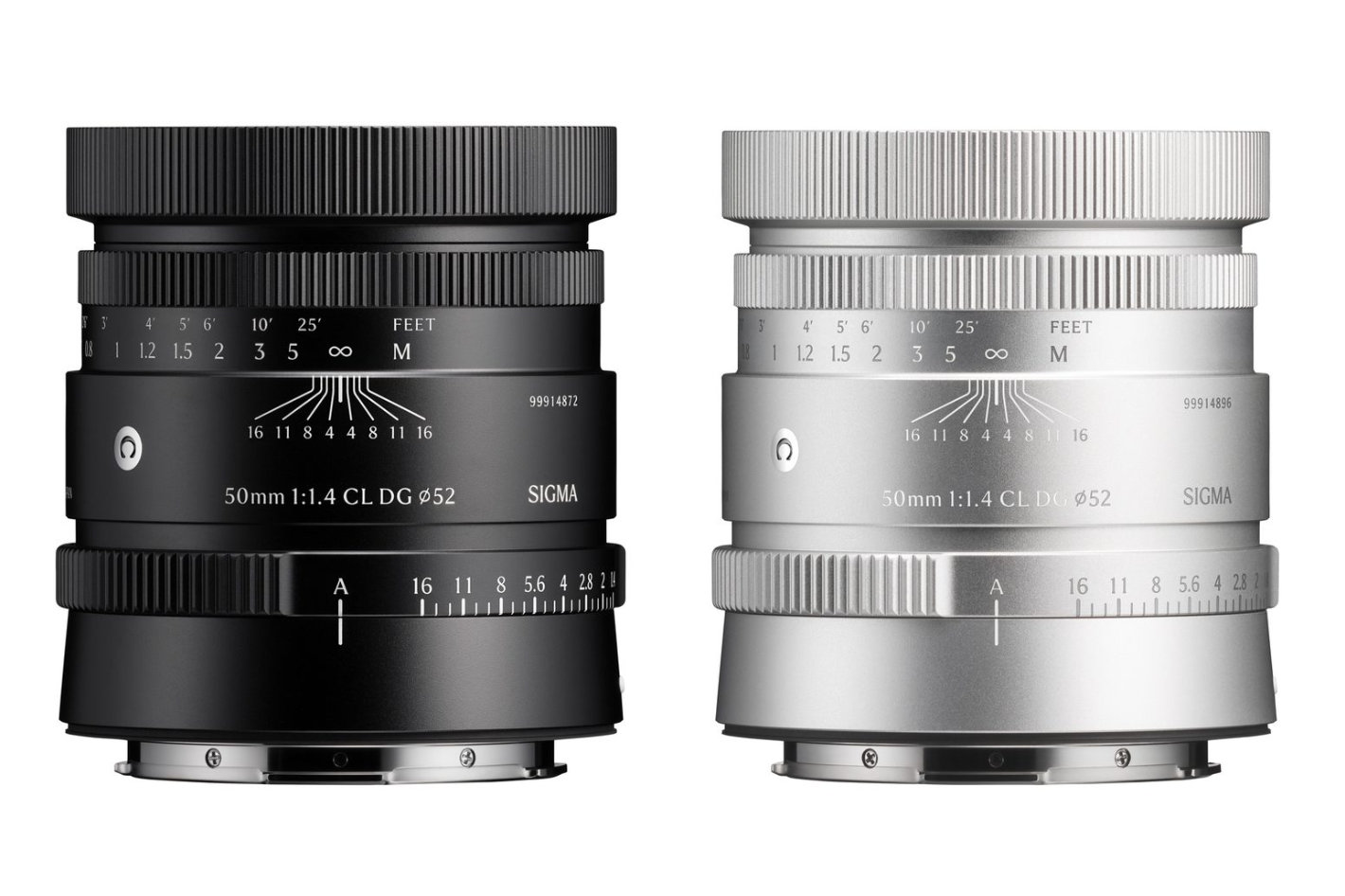
Optical Formula and Aberration Control
The lens relies on a 9-element, 6-group optical configuration. By positioning three aspherical elements and one FLD glass element with extreme precision, Sigma managed to keep the barrel short and light.
Crucially, the optimal placement of these aspherical elements directly combats ghosting and internal reflections—common pitfalls in downsized high-speed optics. Rather than attempting to achieve clinical, zero-aberration sharpness across the board, the optical system is tuned to create:
- A gentle, flattering softness within the in-focus plane.
- Smooth, buttery bokeh with gradual, natural background transitions.
- A pronounced three-dimensional pop that naturally separates subjects from their backgrounds.
Overcoming Mechanical Hurdles: Whole-Lens Extension and Circular AF
To keep the overall length of the lens compact, Sigma bypassed the typical inner-focus design in favor of a whole-lens extension focusing mechanism. While this design yields superior optical performance at close working distances, it introduces a heavier focusing unit that demands immense driving power.
To solve this, Sigma engineered a specialized high-torque autofocus actuator. By arranging coils and magnets—similar to those found in the company’s High-response Linear Actuator (HLA) technology—in a circle matching the exact shape of the lens barrel, Sigma avoided increasing the lens’s outer diameter. The result is a slim yet remarkably powerful AF mechanism capable of rapid, silent tracking on modern mirrorless bodies.
Rotary Direct Drive (RDD) and Ergonomic Enhancements
Taking full advantage of RDD technology, the lens couples the focusing optics directly to the drive system. This allows for instantaneous manual focus correction: if a photographer adjusts the focus ring while autofocus is active, the lens seamlessly and temporarily switches to manual focus without requiring a flick of a camera or lens switch. This fluid transition is invaluable in fast-moving documentary, street, and event photography environments.
Official Responses: What Sigma Is Saying About the CL Line
In press statements accompanying the launch, Sigma executives emphasized the philosophical shift behind the CL lineup.
"The CL is the first in a new lineage of I series primes that will help you discover and capture more beauty and joy in your everyday life," stated Sigma representatives during the global product reveal.
Elaborating on the aesthetic goals of the lens, the company noted:
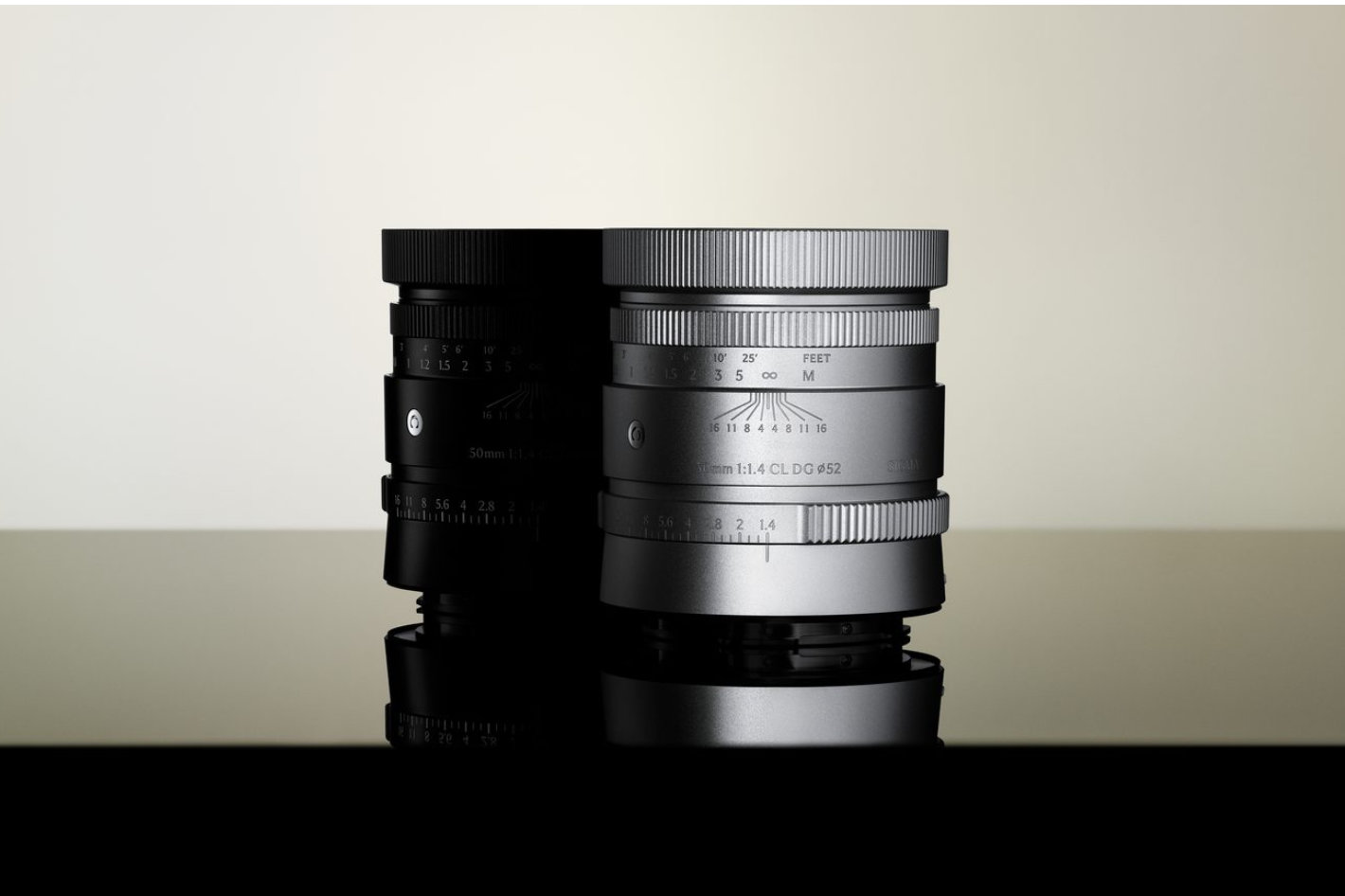
"The CL harnesses the latest technology to achieve a classic aesthetic with beautiful tonal gradation. Its body distills the pure enjoyment of shooting with dedicated photographic equipment, while the latest technology perfects its impressive image quality, with supple rendering of texture and rich tonal gradation."
Sigma’s emphasis on "pure enjoyment" highlights a growing industry trend: camera gear designed not just as a sterile data-collection tool, but as an extension of the photographer’s creative intuition.
Implications: What the Sigma 50mm F1.4 CL DG | Contemporary Means for Photographers
The arrival of the Sigma 50mm F1.4 CL DG | Contemporary carries several notable implications for the broader photography and videography ecosystem.
A New Option for Portrait and Street Photographers
With its emphasis on natural three-dimensionality, rich tonal gradations, and warm rendering, this lens is tailor-made for portraiture, lifestyle shoots, and documentary street photography. Photographers who prefer an image style that feels organic rather than hyper-digital will find the lens’s intentional handling of focus planes and bokeh a refreshing departure from standard modern glass.
The Revival of Tactile Photography
By incorporating physical distance scales, depth-of-field markings, and a click-ready manual focus workflow, Sigma is acknowledging a passionate segment of the market that misses the mechanical engagement of legacy photography. For shooters migrating from vintage film cameras or manual-focus setups, these physical cues offer an intuitive shooting experience that screen-heavy modern workflows often lack.
Expanding Ecosystem Choices
By launching the lens in both L-mount (supporting Leica, Panasonic, and Sigma alliance cameras) and Sony E-mount, Sigma ensures that a vast majority of full-frame mirrorless shooters can access the new CL lineage. As creators eagerly await official pricing and hands-on testing leading up to its early spring 2027 release, the Sigma 50mm F1.4 CL DG | Contemporary is already positioning itself as one of the most anticipated and philosophically intriguing prime lenses of the decade.
