
Beyond the World-Building: Why These Fantasy Series Mastered the Art of Sustained Narrative

Fantasy is a genre that demands a great deal from its audience. Before a single plot point can truly resonate, a series must first construct an entire reality: a set of intricate rules, a distinct magic system, a history, and a cast of characters who breathe life into the setting. This daunting "entry barrier" is where many high-concept shows falter, losing viewers in the thicket of exposition. However, the most successful fantasy series understand that world-building is not an end in itself—it is the stage upon which the narrative must perform.
The true hallmark of a great fantasy series is the seamless marriage of expansive lore with a propulsive, character-driven story. The following shows have not only cleared the initial hurdle of setup but have managed to sustain their momentum, depth, and creative integrity across their entire runs.

The Pillars of Modern Fantasy: A Chronological Overview
The landscape of televised fantasy has undergone a radical transformation over the last decade. As streaming platforms began to prioritize high-budget, world-spanning narratives, audiences were treated to a golden age of genre television.
2018–2024: The Rise of ‘The Dragon Prince’
Debuting in 2018, The Dragon Prince took a classic "hero’s journey" framework and steadily expanded its scope. Set in a world fractured by centuries of conflict between humans and magical creatures, the series centers on two young princes, Callum and Ezran, who discover a dragon egg that could potentially bridge the divide between species. What began as a simple quest evolved into a complex geopolitical saga involving dark magic, ancient prophecy, and the enigmatic Startouch Elf, Aaravos. Over its seven-season arc, the show remained remarkably committed to its core themes of peace and reconciliation, even as it introduced new kingdoms and increasingly complex morality.

2020–2025: Mythological Grandeur in ‘Blood of Zeus’
Blood of Zeus brought the chaotic, visceral nature of Greek mythology to life through animation. Centered on Heron, an outcast who learns he is the son of Zeus, the series masterfully wove together the petty rivalries of the gods and the existential stakes of a war involving demons. By humanizing the deities—allowing them to be selfish, destructive, and emotionally volatile—the show ensured that its high-fantasy spectacle never felt hollow. Its trajectory from Season 1 to its conclusion in Season 3 is a masterclass in narrative economy; every episode felt essential, driving the story toward a satisfying, definitive close.
2021–2023: The Intricate Web of ‘Shadow and Bone’
Adapting Leigh Bardugo’s Grishaverse was no small feat, yet Shadow and Bone succeeded by balancing its complex lore with grounded character motivations. The story of Alina Starkov, a Sun Summoner thrust into a world divided by the terrifying, creature-filled Shadow Fold, served as the anchor. While the world-building was dense, the show kept the focus on the human connections—the bonds of friendship, the sting of betrayal, and the allure of power. Even when juggling multiple plot threads, including the fan-favorite heist crew known as the Crows, the series maintained a distinct, cohesive identity.

2021–2024: The Emotional Complexity of ‘Arcane’
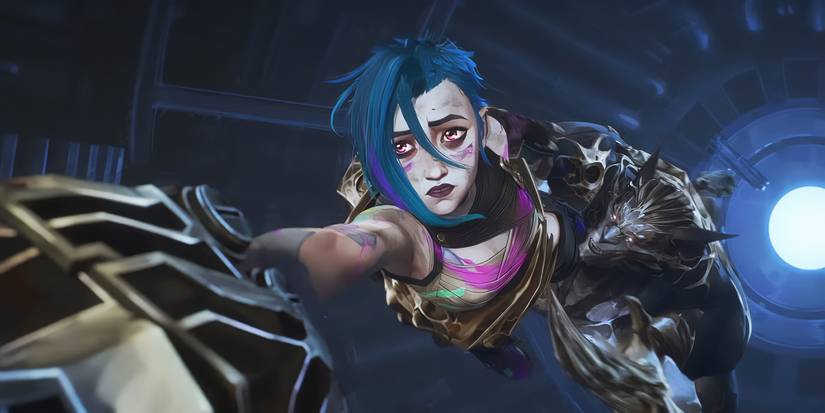
Rarely does a video game adaptation transcend its source material to become a piece of high art, but Arcane managed exactly that. Set in the dueling cities of Piltover and Zaun, the story focuses on the tragic rift between sisters Vi and Jinx. By keeping the emotional stakes intimate—grounded in the sisters’ divergent paths—the series made the massive political upheaval surrounding Hextech technology feel deeply personal. Its visual ingenuity was matched only by its thematic depth, cementing its status as a benchmark for modern animated fantasy.
2021–2024: The Whimsical Heart of ‘Sweet Tooth’
Sweet Tooth offered a unique take on the post-apocalyptic genre. Rather than focusing solely on the grim reality of a pandemic-stricken world, the show centered on the curiosity and optimism of Gus, a "deer-boy" hybrid. This tonal balance allowed the series to explore dark themes while maintaining an underlying sense of wonder and adventure. By focusing on the resilience of the human spirit, the show successfully raised its stakes across three seasons without ever succumbing to the cynical tropes that define much of the genre.

2022–2025: The Dreamscape of ‘The Sandman’
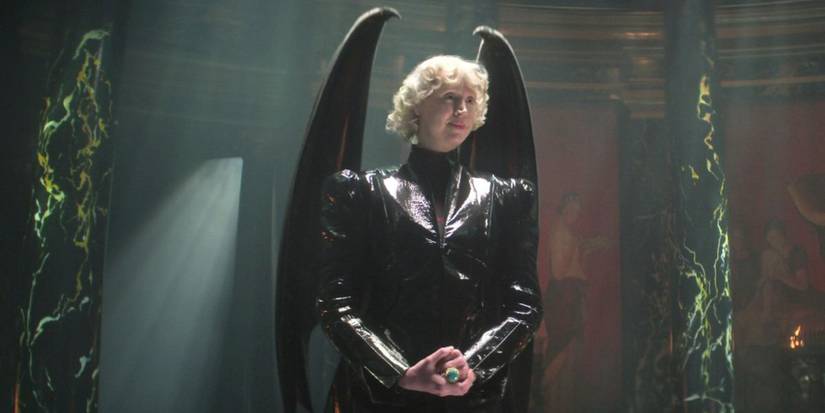
Neil Gaiman’s seminal work, The Sandman, presented a unique challenge: how to adapt a surreal, nonlinear comic book series into a coherent television format. The result was an experimental triumph. By utilizing Dream (Morpheus) as the central thread while allowing the show to branch out into the lives of mortals, immortals, and nightmares, The Sandman kept its audience constantly off-balance. It functioned more like an anthology of the human condition than a standard serial, proving that fantasy can be intellectual, philosophical, and deeply moving all at once.
2022–Present: The Macabre Charm of ‘Wednesday’
Wednesday proved that existing intellectual property could be revitalized with a sharp, modern perspective. By centering the series on Wednesday Addams’ tenure at Nevermore Academy, the show avoided the trap of relying solely on nostalgia. Jenna Ortega’s performance captured the character’s deadpan brilliance, while the central mystery provided the necessary drive for the narrative. As the show moved into its second season, it successfully leaned into horror and expanded its world-building without losing the kooky, spooky charm that defines the Addams legacy.
Supporting Data and Production Trends
The success of these series is no accident. Market analysis indicates that audiences are increasingly seeking "high-concept, character-focused" content. According to industry reports from streaming metrics, series that successfully establish a clear "emotional anchor"—such as the sibling relationship in Arcane or the father-figure dynamic in Sweet Tooth—show higher completion rates than those that rely purely on world-building or spectacle.
Furthermore, the rise of "prestige animation" has allowed these shows to push the boundaries of visual storytelling. Productions like Blood of Zeus and Arcane benefit from a production philosophy that treats the medium not as a genre for children, but as a tool for adult-oriented, sophisticated narrative delivery.

Official Responses and Creative Intent
Showrunners and creators involved in these projects have frequently cited the "balance of lore" as their primary challenge. Miles Millar and Alfred Gough, the creators of Wednesday, noted in recent interviews that the key to the show’s success was never letting the "Addams Family" brand dictate the story. Instead, they focused on building a narrative around the "outsider experience" that resonated with a modern audience.
Similarly, the writers of The Dragon Prince have emphasized that they view their seven-season arc as a novelistic endeavor. By planning the overarching plot from the beginning, they were able to avoid the "middle-season slump" that plagues many long-running series, ensuring that every new creature, spell, or kingdom introduced served a specific purpose in the ultimate resolution.
Implications for the Future of the Genre
The success of these seven series sends a clear message to the industry: the audience is smarter and more invested than the "fantasy-as-filler" model suggests. Future fantasy series will likely follow the blueprint established by these shows:
- Character-First World-Building: Lore should be revealed through the actions of characters rather than through exposition dumps.
- Thematic Cohesion: Regardless of how large the world becomes, the central emotional conflict must remain the North Star.
- Visual Language: As seen in Arcane and The Sandman, the aesthetic of a show should be as much a part of the storytelling as the dialogue.
As we look toward the future of the genre, the bar has been significantly raised. The era of the "confusing fantasy show" is fading, replaced by a new standard where depth, heart, and world-building coexist in a delicate, successful balance. These series have proven that if you build a world worth visiting, the audience will follow you anywhere—as long as you give them a reason to stay.
