
Sylvester Stallone Breaks Down the Devastating Tulsa King Season 4 Premiere Deaths: Why Dwight Manfredi Needed to Lose Everything
(Warning: This article contains major spoilers for the Season 4 premiere and Episode 2 of Paramount+’s Tulsa King.)
The shocking, brutal casualties that kicked off the fourth season of Paramount+’s hit crime drama Tulsa King were no passing nightmare or elaborate feint. As confirmed in the season’s second episode, titled "Blind Rooster," Margaret Deveraux (played by Dana Delany) and Governor Cal Thresher (Neal McDonough) are definitively dead, leaving the show’s landscape utterly transformed.
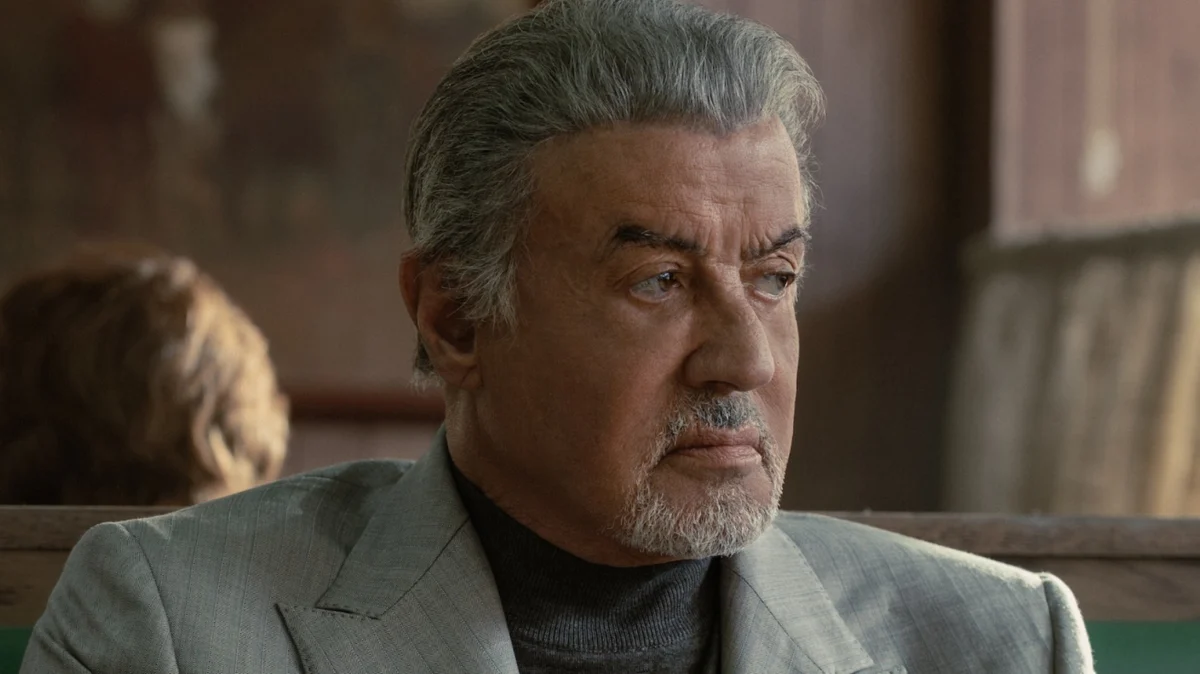
For Dwight "The General" Manfredi (Sylvester Stallone), the loss marks an abrupt and agonizing end to a period of unprecedented prosperity. Just weeks ago in the series timeline, the New York mafia capo-turned-Oklahoma kingpin was riding high, basking in the glow of flourishing legitimate and illegitimate business ventures alongside a stable personal life. Now, he is thrust into a dark, volatile space of grief, navigating the wreckage alongside his loyal crew as they attempt to map out a path forward.
Series star, co-creator, and executive producer Sylvester Stallone recently sat down to dissect the narrative earthquake that upended Tulsa King in its fourth season opener, revealing the creative risks, thematic parallels, and emotional turbulence driving Dwight Manfredi forward.
Main Facts: The Fallout of "Blind Rooster"
The opening chapters of Tulsa King Season 4 delivered a devastating double-punch to the series’ core mythology. Margaret Deveraux, Dwight’s romantic partner whose presence provided both grounding and a counterweight to his criminal instincts, was killed alongside his fierce political and business rival, Governor Cal Thresher.
While the premiere left fans questioning whether the shocking climax was merely a narrative fakeout, Episode 2 firmly slammed the door on any hopes of survival. The hour focuses heavily on a stunned, hollowed-out Dwight processing his profound grief. Rather than celebrating business milestones, the crime boss is forced to confront a reality where his victories have been completely overshadowed by tragedy.
According to Stallone, this seismic shift is fundamentally a cautionary tale. In the cutthroat world Dwight inhabits, permanent stability is an illusion. Summing up the narrative shift, Stallone points to a timeless adage: "What is that line from John Lennon? ‘Life is what happens when you’re making other plans.’ This is a classic example of that."
Chronology: From Peak Success to the Underdog Formula
To understand how Tulsa King arrived at this dark juncture, one must look at the intentional roadmap laid out by Stallone and head writer/executive producer Terence Winter. As the Taylor Sheridan-created series progressed through its initial seasons, the creative team faced a classic television dilemma: their protagonist was simply becoming too successful.
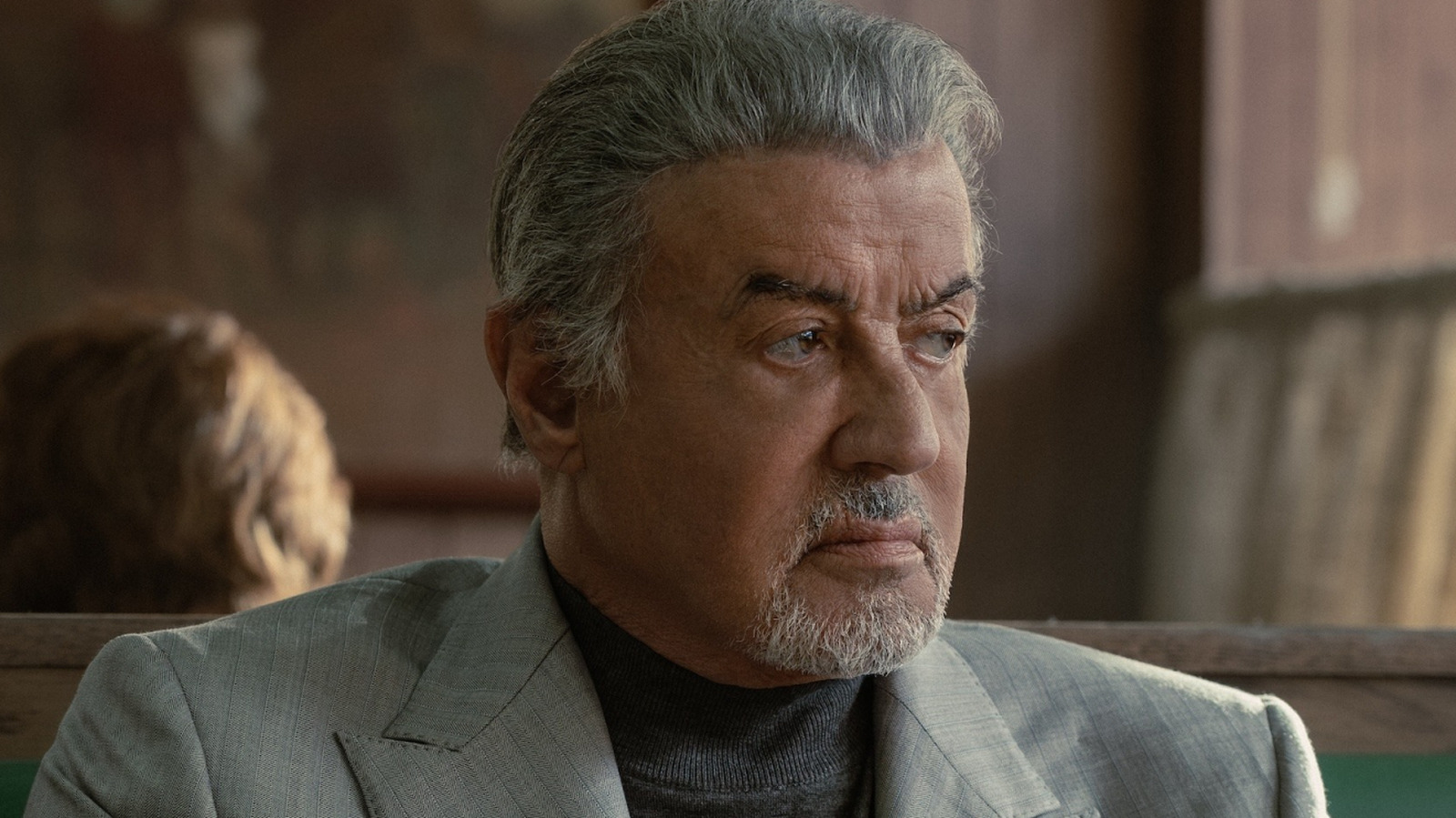
Stallone admits that the writers realized Dwight’s unbridled momentum was beginning to render the show predictable and redundant. The overarching question that guided the formulation of Season 4 became stark and simple: "How do we make Dwight an underdog again?"
The answer required stripping away everything the character held dear. By pulling the rug out from under Manfredi at the absolute peak of his influence, the creative team reset the stakes entirely. This structural pivot not only revitalized the narrative tension of the series—which has already secured an early renewal for Season 5—it also forced the aging mobster back into a corner where he must fight not just rival syndicates, but his own internal demons.
Supporting Data: The Rocky Balboa Parallels
For Stallone, the decision to kill off a beloved central character to catalyze emotional evolution is familiar territory. The actor famously utilized a nearly identical storytelling device nearly two decades ago when shaping the legacy sequel Rocky Balboa (2006).
In that film, the iconic boxer’s beloved wife, Adrian (played by Talia Shire across the franchise’s first four films), had passed away off-screen prior to the events of the movie. Reflecting on that creative choice, Stallone notes the striking similarities between Rocky’s trajectory and Dwight’s current predicament.
"To have Adrian pass away, I went, ‘Oh my God, this is really brutal,’" Stallone recalls. "But it was necessary, you know? Rocky now has to fight something that everyone in the audience fights: grief and loneliness. So in this thing, I said, ‘Let’s try to create that.’ And what is going to come out of it is sensational."
By forcing Dwight to endure a similar crucible of isolation, the series pivots from a traditional mob-boss power fantasy into a deeper, more agonizing exploration of psychological endurance.
Official Responses: Stallone on Dwight’s Tortured Survival and New Paranoia
Speaking candidly about the creative direction of Season 4, Stallone emphasized that Dwight’s survival is far from a blessing. Instead, it serves as a catalyst for a deeply fractured psychological state.
A Dangerous Game of Chess
Dwight is no longer acting with a balanced mind. The tragedy has accelerated his Machiavellian tendencies, turning him into a hyper-focused strategist who is perpetually detached from the present moment.
"Dwight plays a dangerous game of chess," Stallone previews. "He’s never in the moment, especially after what just happened. The General’s singlemindedness might be successful, but it’ll definitely be painful. It’s not a good life. It’s not a happy life. It’s a life of paranoia… He’s always gears and wheels and this Machiavellian kind of thing, especially this season."
Superstition, Guilt, and AI
In his desperate search for answers and meaning behind the tragedy, Dwight turns to unexpected and unconventional outlets. The hardened criminal begins grappling with existential questions of fate, guilt, and divine retribution—a psychological shift underscored by his fixation on religious symbolism, such as the cross jewelry heavily featured in "Blind Rooster."
In a particularly fascinating look at Dwight’s coping mechanisms this season, Stallone reveals the lengths to which the character goes to process his grief:
"He’s become very superstitious and religious now… [He’s like] ‘Did I cause this?’ He goes to church and literally questions — he even goes on AI and talks about God, kind of like survivor’s guilt. He’s quite tortured by his survival, and I thought that’d be kind of interesting."
Implications: What Season 4 Means for the Future of Tulsa King
The permanent removal of Margaret Deveraux and Governor Cal Thresher completely reshapes the sociopolitical and emotional ecosystem of Tulsa King.
- The Erosion of Dwight’s Humanity: Margaret served as Dwight’s primary anchor to a normal, compassionate life outside of organized crime. Without her, the barriers keeping his ruthless instincts in check have crumbled, leaving a colder, more paranoid "General."
- Shift in Narrative Tone: The series has officially transitioned away from a lighthearted fish-out-of-water mafia romp into a gritty, psychological tragedy. The stakes are no longer just about territory or money; they are about existential survival and psychological damnation.
- The Road to Season 5: With Paramount+ already having given the green light for a fifth season, the fallout from these deaths is clearly designed to be a multi-season character arc. Dwight’s descent into superstition, guilt, and hyper-calculated vengeance will undoubtedly dictate the power struggles of Tulsa for the foreseeable future.
As Tulsa King Season 4 continues, fans should prepare for a version of Dwight Manfredi that is more dangerous, unpredictable, and emotionally scarred than ever before. If Stallone’s promises hold true, the wreckage left in the wake of these brutal deaths will ultimately yield some of the most compelling television of the actor’s storied career.
