
The Sharpening Blade of Suspense: An Analysis of Cosmo Salovaara’s ‘One of Those’
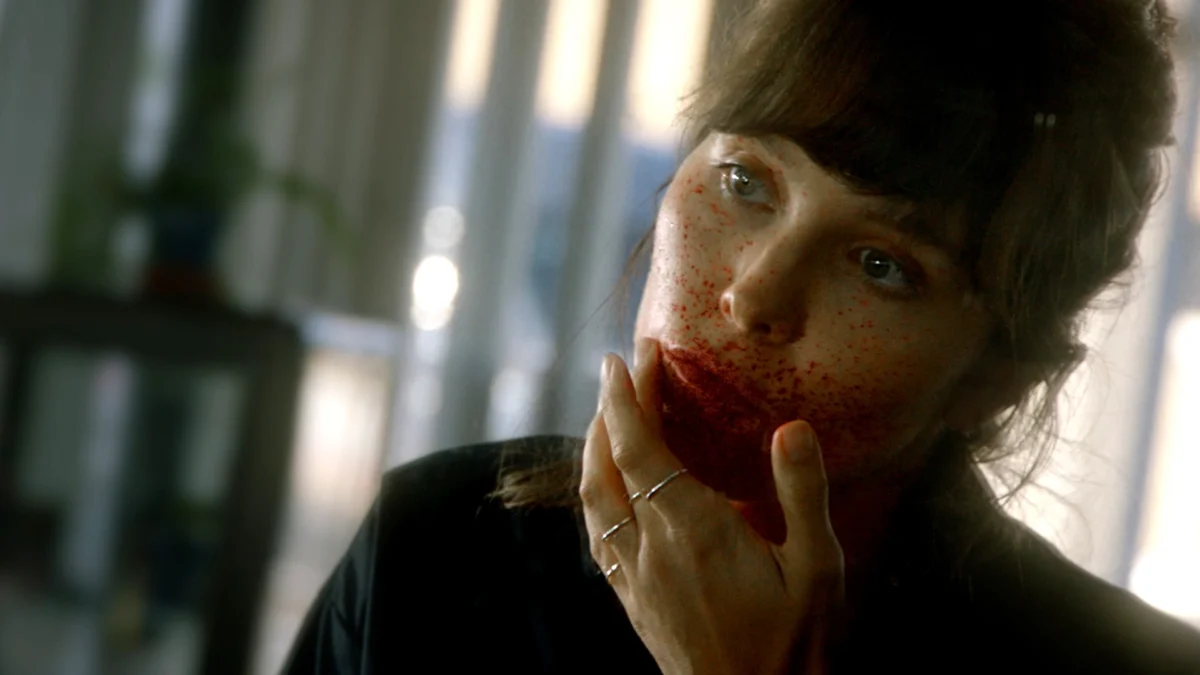
In the realm of short-form filmmaking, constraints often serve as the most potent creative catalysts. For writer-director Cosmo Salovaara, the decision to film within a single location over the span of a single day was not merely a logistical necessity, but a narrative challenge. The result is One of Those, a masterclass in claustrophobic tension that transforms the mundane environment of a barbershop into a high-stakes arena of psychological warfare.
The film centers on Jane, a barber whose workday is interrupted by the sudden appearance of a man from her past—a person with whom she shares a history of unresolved trauma and "bad blood." As she navigates the professional requirement to serve a man she would rather see disappear, the audience is plunged into a simmering, volatile atmosphere where every snip of the scissors feels like a potential strike.
The Genesis of Conflict: A Universal Premise
At its core, One of Those taps into a deeply relatable human anxiety: the fear of crossing paths with someone we have spent years trying to erase from our memory. Salovaara notes that the inception of the project was rooted in his fascination with "bad behavior and the dubious ways in which people try to absolve themselves of past mistakes."
By stripping the narrative down to a single location, Salovaara forces the audience to focus on the micro-gestures of his leads. The film avoids the traditional tropes of an action-heavy revenge thriller, opting instead for a "passive intensity" that keeps the viewer guessing. Is the man aware of who Jane is? Does he recognize her, or is he oblivious to the history he carries? This ambiguity acts as the engine of the film, ensuring that even as the tension mounts, the audience remains uncertain of the trajectory.
Chronology of Tension: Building the Atmosphere
The film’s effectiveness lies in its pacing. Salovaara, who also served as the editor, displays a sophisticated understanding of how to manipulate time within a static space.
- The Arrival: The initial act establishes the normality of Jane’s workday. Her routine is interrupted by the arrival of the antagonist, played by S/W regular David Brown. The normalcy of the barber shop serves as a jarring contrast to the internal turmoil Jane experiences.
- The Escalation: As the interaction proceeds, the mundane tools of the trade—razors, combs, and sharp shears—are recontextualized. Through the lens of DP Arlene Muller, these instruments are framed with a menacing quality, transforming the salon into a place of latent danger.
- The Confrontation: The dialogue is sparse, allowing the body language of the two leads to carry the weight of the narrative. Here, the film subverts expectations; just as the viewer begins to project a specific outcome—likely a violent eruption—Salovaara pivots.
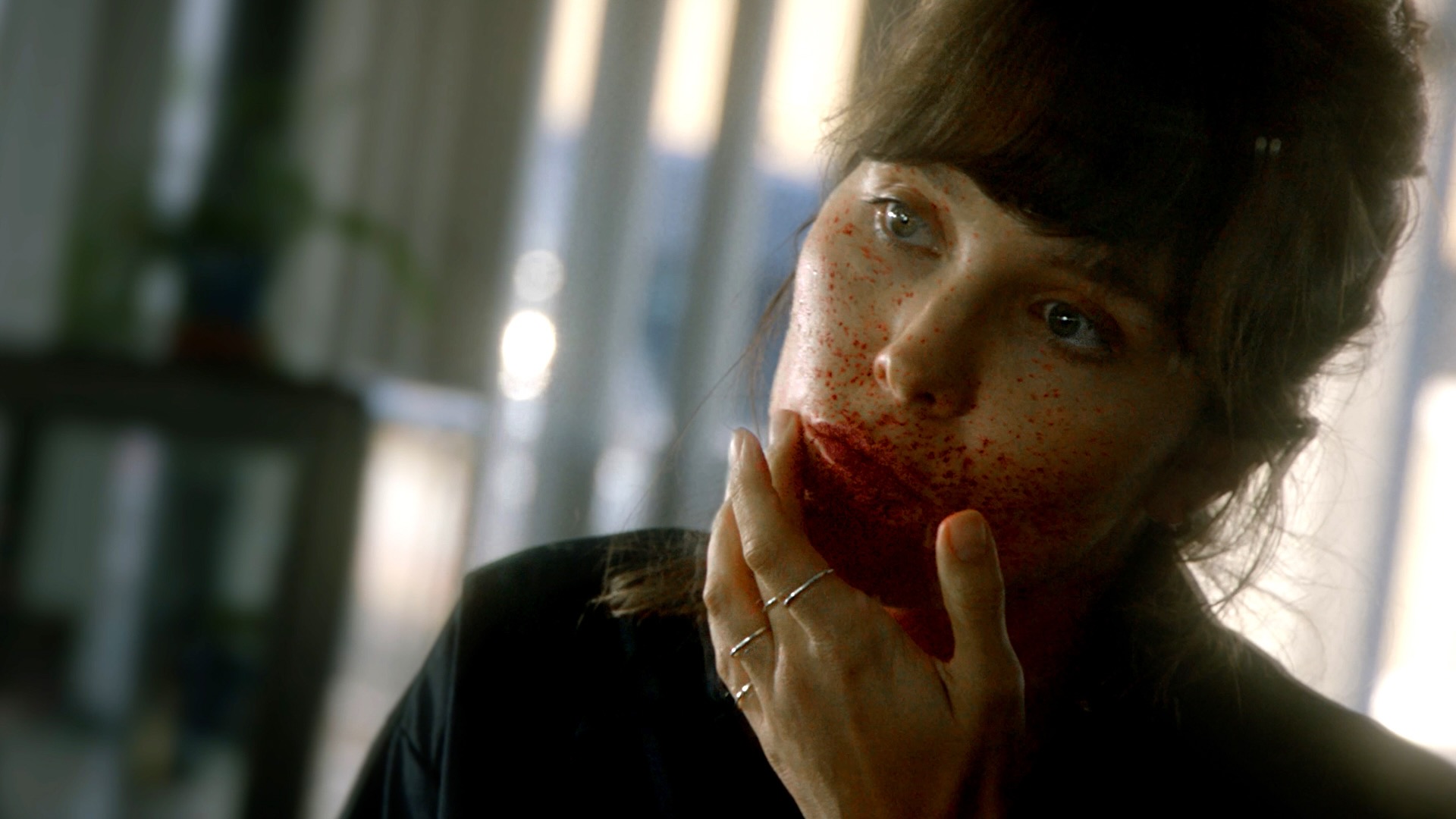
- The Resolution: The climax, enhanced by the practical special effects of Hatti Rees, provides a visceral sense of release. It is a calculated "pulling of the rug" that challenges the audience’s assumptions about justice and revenge.
Supporting Data and Production Excellence
The success of One of Those is largely due to its technical precision. Salovaara’s choice of collaborators reflects a desire to ground the surreal tension in a tangible, hyper-realistic environment.
The Cinematography of Arlene Muller
Arlene Muller, known for her work on Nasir and You’ve Never Been Completely Honest, brings a stark, observant quality to the film. By utilizing tight close-ups and deliberate camera angles, Muller emphasizes the proximity of the actors, making the viewer feel the heat of the scissors against skin. The lighting shifts subtly as the tension peaks, moving from the clinical brightness of a typical shop to a more oppressive, intimate palette.
The Soundscape of Forrest Lotterhos
Sound designer Forrest Lotterhos plays a pivotal role in the film’s success. In a location defined by the hum of clippers and the snipping of hair, the sound design acts as an auditory metronome. The mundane noises of the shop are amplified, creating a heightened reality where every sound carries the weight of a potential threat.
The Power of Performance
Sophie Neff’s portrayal of Jane is the anchor of the film. She brings a palpable sincerity to the role, effectively communicating a spectrum of emotions—anger, hurt, and frustration—without relying on excessive dialogue. Opposite her, David Brown departs from his usual roles as the "goofy nerd," stepping into the shoes of the antagonist with a chilling ambiguity. The dynamic between the two is characterized by a "passive intensity" that makes their every interaction feel like a game of chess played with lethal consequences.
Official Commentary and Creative Philosophy
In discussing his creative process, Salovaara highlights his interest in the morality of confrontation. He explicitly frames the film as a story of revenge, though he complicates this by asking whether the revenge is a result of justice or a byproduct of a cyclical, violent impulse.
"I was thinking about bad behavior and the dubious ways in which people try to absolve themselves of past mistakes," Salovaara stated. This philosophy is evident in the film’s final act, where the audience is forced to reconcile their desire for retribution with the reality of the violence on screen. The use of practical effects by Hatti Rees was not merely for shock value; the prosthetics were designed to make the final confrontation feel grounded, heavy, and ultimately, deeply uncomfortable for the viewer.
Implications: The Future of Salovaara’s Vision
The critical and audience reception of One of Those marks a significant milestone for Cosmo Salovaara. By demonstrating an ability to craft high-stakes narratives within limited logistical parameters, he has positioned himself as a filmmaker to watch.
The success of this short film serves as a proof-of-concept for his upcoming feature debut, Gift Horse. While One of Those is a focused, tight-knit thriller, Gift Horse promises to explore similar themes of human imperfection on a larger scale. The feature, described as a story about "a trans man who joins a middle-aged male support group for victims of car break-ins," suggests that Salovaara is moving toward more nuanced, character-driven studies of human vulnerability.
A New Standard for Minimalist Thrillers
The "minimalist" approach to filmmaking—often born of budgetary necessity—can occasionally lead to stagnation. However, One of Those proves that when a director has a clear vision and a mastery of the craft, the limitation of a single location can lead to greater focus.
The implications for the industry are clear: audiences are hungry for stories that respect their intelligence and subvert their expectations. By utilizing a common premise—a chance encounter with an enemy—and layering it with humor, drama, and visceral tension, Salovaara has created a work that lingers in the mind long after the credits roll.
Conclusion: The Art of the Reveal
One of Those is more than just a suspenseful short film; it is a commentary on the masks we wear. By placing his characters in the intimate setting of a barbershop, Salovaara strips away the armor of everyday life, leaving only the raw, unresolved history between two people.
As Salovaara transitions into feature-length projects, the techniques honed in One of Those—the precise editing, the evocative sound design, and the ability to extract nuanced performances from his cast—will undoubtedly serve as the foundation of his future work. For now, One of Those stands as a testament to the idea that the most terrifying encounters are not necessarily the ones that occur in the dark of the night, but the ones that happen in the blinding, mundane light of day, while sitting in a chair, waiting for a haircut.
