
An Uphill Battle in Stop-Motion: Can Laika’s Expensive Epic ‘Wildwood’ Defy the Odds at the Box Office?
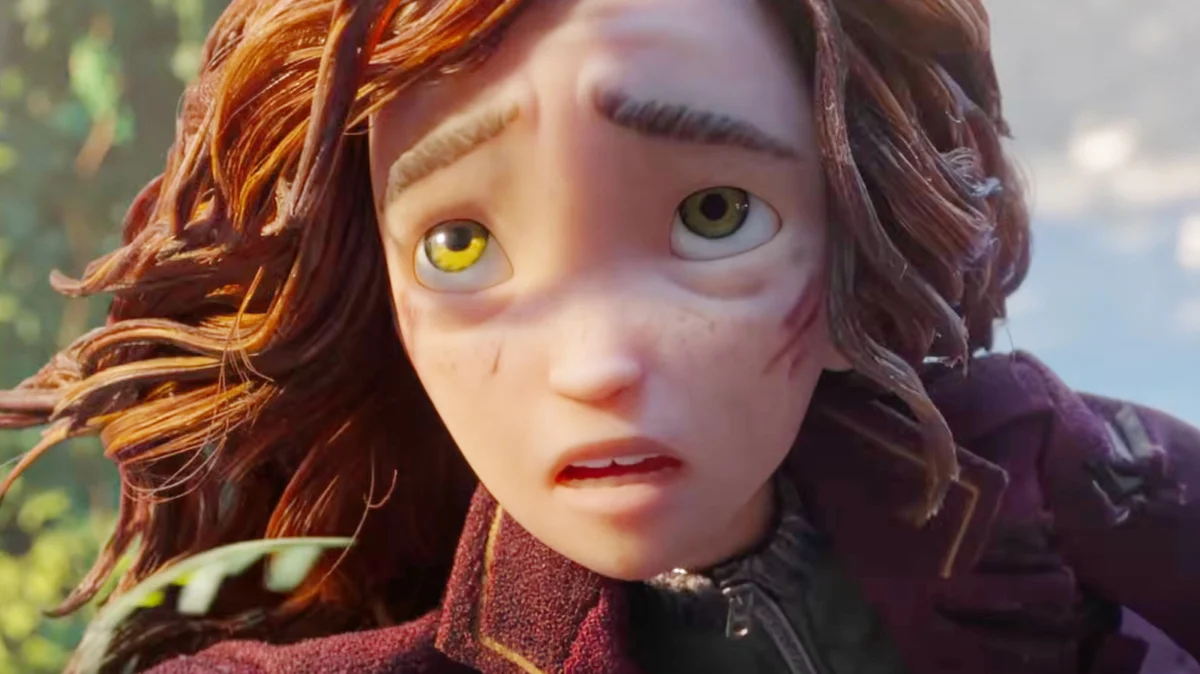
Main Facts: The High-Stakes Gamble of Laika’s Newest Masterpiece
Laika, the celebrated stop-motion animation studio responsible for modern classics such as Coraline, ParaNorman, The Boxtrolls, Kubo and the Two Strings, and Missing Link, stands at a crucial crossroads. Its upcoming sweeping, darkly magical epic, Wildwood, is slated to hit movie theaters nationwide on October 23, 2026. Directed by Laika studio chief Travis Knight, the film represents the studio’s most ambitious—and expensive—undertaking to date, boasting an estimated production budget hovering around the $100 million mark.
Despite the studio’s sterling reputation for artistic excellence, meticulous hand-crafted animation, and profound storytelling, Laika has historically struggled to translate critical adoration into massive box office returns. Current industry tracking and long-range box office forecasts from outlets like Box Office Theory suggest that Wildwood is eyeing a modest domestic opening weekend debut between $5 million and $10 million.
Compounding these financial hurdles, Wildwood shocks conventional Hollywood formulas for American animated features in two major ways:
- It features a runtime stretching past the two-hour mark.
- It carries an official PG-13 rating for thematic elements, scary images, and mild peril.
Furthermore, rather than partnering with a traditional, major Hollywood studio for its theatrical rollout, Laika has entrusted distribution to Fathom Entertainment. While Fathom has proven adept at eventized cinema and strategic re-releases, carrying an original $100 million feature film through a major studio-less domestic campaign is a bold, unprecedented, and inherently risky gamble.
Chronology: The Long Road from Page to Stop-Motion Screen
The journey of Wildwood to the big screen has been a prolonged, painstaking labor of love, mirroring the meticulous nature of stop-motion animation itself.
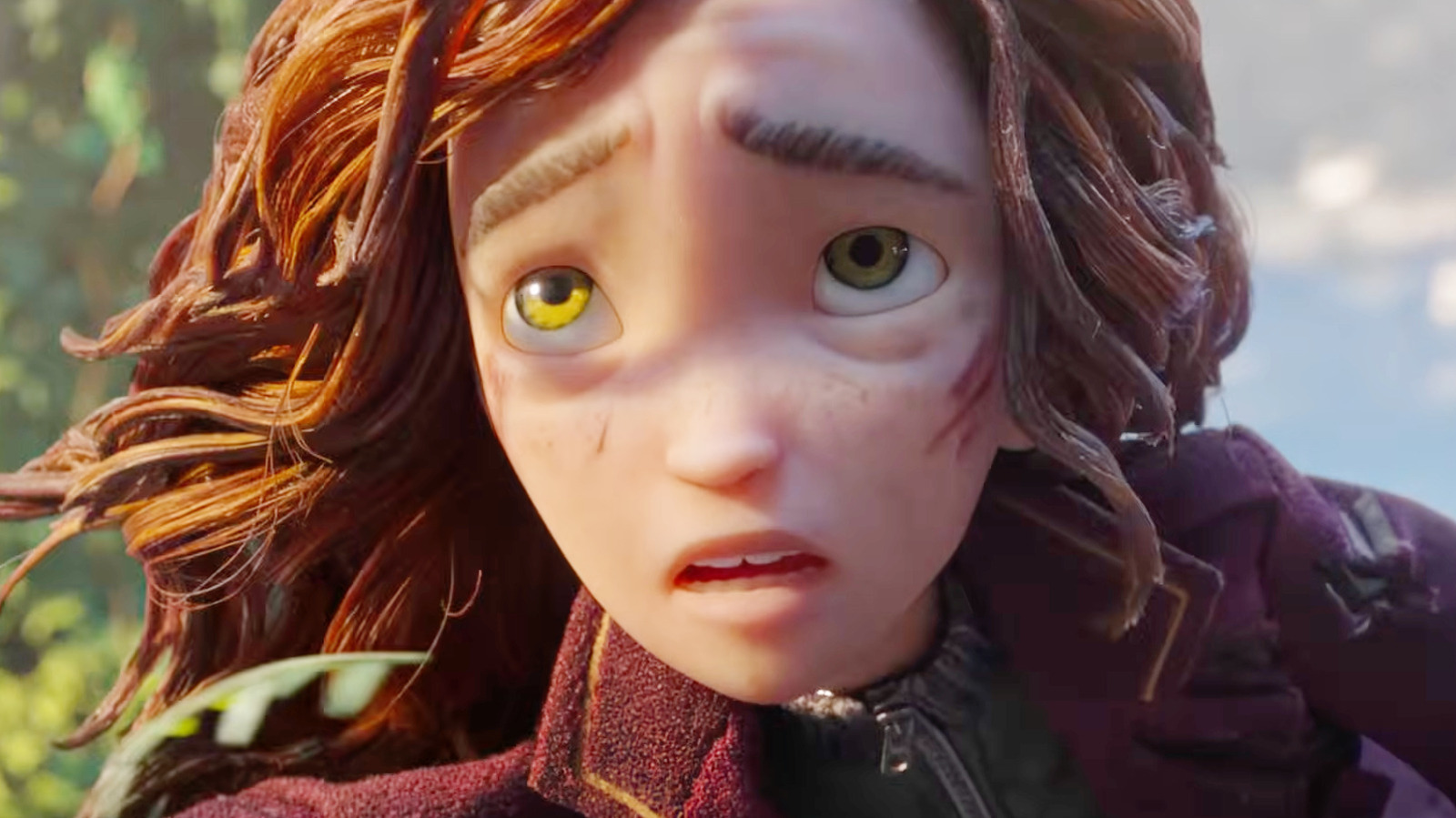
2011–2016: Adaptation Rights and Early Development
The project originated from the 2011 fantasy novel Wildwood, written by Colin Meloy, lead singer of the indie-rock band The Decemberists, and illustrated by his wife, Carson Ellis. Recognizing the rich, atmospheric world-building—which reimagines a hidden, magical wilderness just outside the borders of Portland, Oregon—Laika quickly optioned the screen rights shortly after the book’s publication. For years, the project remained in early development while the studio focused on producing The Boxtrolls (2014) and Kubo and the Two Strings (2016), the latter of which also marked Travis Knight’s feature directorial debut.
2021–2024: Production and Creative Visionaries
In September 2021, Laika officially announced that Wildwood would be its next feature film. Production ramped up through the post-pandemic years inside the studio’s Hillsboro, Oregon facility. The screenplay was penned by Chris Butler, writer and director of ParaNorman and Missing Link. The voice cast was assembled with notable talent, led by Peyton Elizabeth Lee as Prue, alongside a stellar ensemble that includes Carey Mulligan, Mahershala Ali, Jacob Tremblay, Awkwafina, Angela Bassett, and Tom Waits.
2025–2026: Distribution Shocks and Critical Acclaim
As production wrapped, industry observers watched closely to see which major distributor would take on the film. The announcement that Fathom Entertainment would handle the theatrical release signaled a departure from Laika’s historical distribution partnerships with studios like Focus Features. In late 2025 and early 2026, early press screenings began generating feverish buzz. By the time reviews dropped weeks ahead of its October 23, 2026 premiere, Wildwood achieved a rare, unblemished 100% critical approval rating on Rotten Tomatoes, setting the stage for an intense showdown between artistic triumph and commercial viability.
Supporting Data: Box Office Comparisons and Projections
To understand the magnitude of the challenge facing Wildwood, industry analysts frequently look back at Laika’s historical financial performance, alongside comparable animated releases.
- The Budget-to-Opening Ratio: With a budget reported near $100 million, Wildwood requires a robust global theatrical footprint to break even. An opening weekend projection of $5 million to $10 million domestically places it squarely in the danger zone for a film of this scale.
- The Missing Link Precedent: Laika’s previous feature, 2019’s critically acclaimed Missing Link, opened to a disappointing $5.9 million domestically and finished its global run with just $26.5 million. Wildwood cannot afford a similar trajectory if it hopes to recoup its investment.
- The Fathom Entertainment Factor: Fathom is traditionally known for specialized events and repertory screenings. Most notably, Fathom successfully partnered with Laika in 2024 to engineer a massive theatrical re-release of Coraline (2009), grossing over $52 million worldwide and pushing the classic film’s lifetime global gross to an impressive $188 million. Fathom also turned the 1980s animated classic The Transformers: The Movie into a profitable event screening. However, translating this event-cinema prowess into a sustained, multi-week box office run for an unproven, original PG-13 epic remains an entirely different beast.
- The Holiday Exception vs. October Reality: For Wildwood to avoid financial disaster, it will need exceptional "legs"—the ability to hold audiences week after week through word-of-mouth. Optimists point to Universal’s Migration (2023), which overcame a sluggish $12.4 million opening weekend to leg out to $300.1 million globally. However, Migration benefited from a prime holiday December release window. Replicating that kind of extended theatrical stamina starting in late October represents a monumental, borderline unprecedented challenge.
Official Responses and Industry Perspectives
The unique rollout of Wildwood has sparked widespread discussion across the entertainment industry regarding the state of modern animation financing, distribution alternatives, and artistic risk-taking.
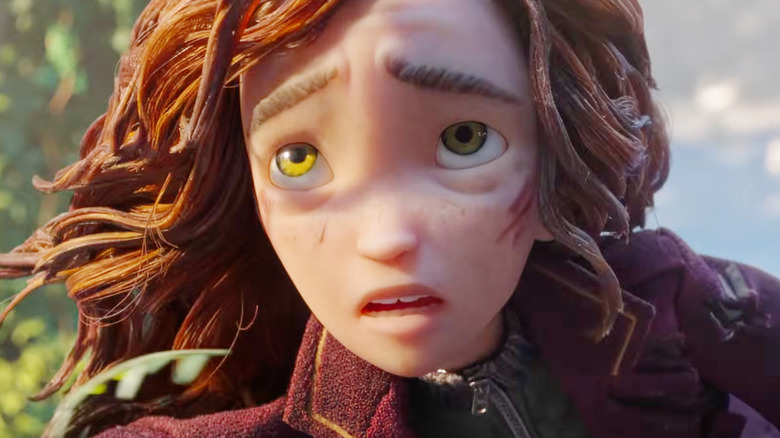
Industry insiders note that Laika, backed by co-founder Travis Knight and his billionaire father Phil Knight (co-founder of Nike), has always prioritized artistic integrity and craft preservation over quick corporate profits. This financial backing has allowed the studio to weather past underperformances, but the escalating budgets of stop-motion epics mean sustainability remains a permanent conversation.
Speaking on the creative philosophy behind the film, director Travis Knight has consistently emphasized that Laika refuses to water down its storytelling for mass-market homogenization. By leaning into a darker, more mature fantasy realm that mirrors classic European and Japanese folklore rather than standard American fairy-tale tropes, the creative team deliberately courted older audiences.
Meanwhile, box office analysts have voiced cautious admiration for Fathom Entertainment’s expanding footprint, yet express anxiety over the lack of a traditional studio marketing machine behind Wildwood. Without a massive, multi-channel television advertising campaign backed by a traditional Hollywood conglomerate, the onus falls entirely on organic social media buzz, critical acclaim, and the built-in loyalty of the Coraline fanbase to fill theater seats.
Implications: What Wildwood Means for the Future of Stop-Motion Animation
The box office performance of Wildwood carries profound implications not just for Laika, but for the entire stop-motion medium.
- The Viability of High-Budget Stop-Motion: Stop-motion animation is one of the most labor-intensive, time-consuming, and expensive art forms in cinema. Studios like Laika, Aardman Animations, and Studio Laika spend years moving physical puppets millimeter by millimeter. If a $100 million stop-motion picture struggles to find commercial traction, major financiers may become even more reluctant to fund large-scale, non-CGI animated projects in the future.
- The Shift in Distribution Models: If Fathom Entertainment successfully navigates the theatrical release of Wildwood, it could pioneer a brand-new pathway for independent prestige animation. Studios locked out of major Hollywood distribution duopolies might look to eventized theatrical partners rather than traditional studios, altering how medium-to-large-scale artistic films reach audiences.
- The PG-13 Animation Ceiling: Hollywood has long operated under the assumption that animated films must target four-quadrant family audiences (ideally G or PG) to maximize box office potential. By embracing a PG-13 rating and a runtime exceeding two hours, Wildwood is testing whether an older, more discerning audience of young adults, cinephiles, and fantasy lovers can show up in numbers traditionally reserved for live-action blockbusters.
As the curtain rises on October 23, 2026, all eyes in the entertainment world will be locked on the box office charts. Whether Wildwood can overcome its steep budget, fierce opening-weekend competition from DC Studios’ Clayface, and unconventional distribution strategy remains to be seen. But regardless of its financial outcome, the film has already cemented its place as a bold, uncompromising artistic triumph for a studio that dares to animate outside the lines.
