
Beyond the Mud: Unpacking Max Minghella’s Role in DC’s Gritty ‘Clayface’ and His Path to Gotham
Main Facts
Seven years after Todd Phillips’s Joker shattered industry expectations to become a historic, billion-dollar box-office phenomenon, Warner Bros. and DC continue to experiment with character-driven, standalone villain projects. The cinematic landscape has shifted dramatically in the wake of that gamble: Marvel expanded its universe with Disney+ series like Loki, Sony attempted a turbulent Spider-Man villain universe with mixed results, and DC followed up its own crown jewel with a polarizing Joker sequel alongside the critically acclaimed The Penguin television series.
Now, the comic book adaptation landscape expands further with Clayface. Directed and framed as a gritty exploration of one of Batman’s most tragic rogues, the film has drawn mixed reactions. Early reviews, such as those from /Film, have characterized the movie as shapeless and narratively unfocused, presenting a Gotham City that feels indistinct from any generic metropolitan nightmare.
Although the Dark Knight himself remains absent, the film is deeply entrenched in the atmospheric gloom of the Bat-universe. This environment is immediately established through its depiction of the Gotham City Police Department (GCPD)—arguably one of the most corrupt, systemic institutions ever rendered in a Batman-adjacent film.
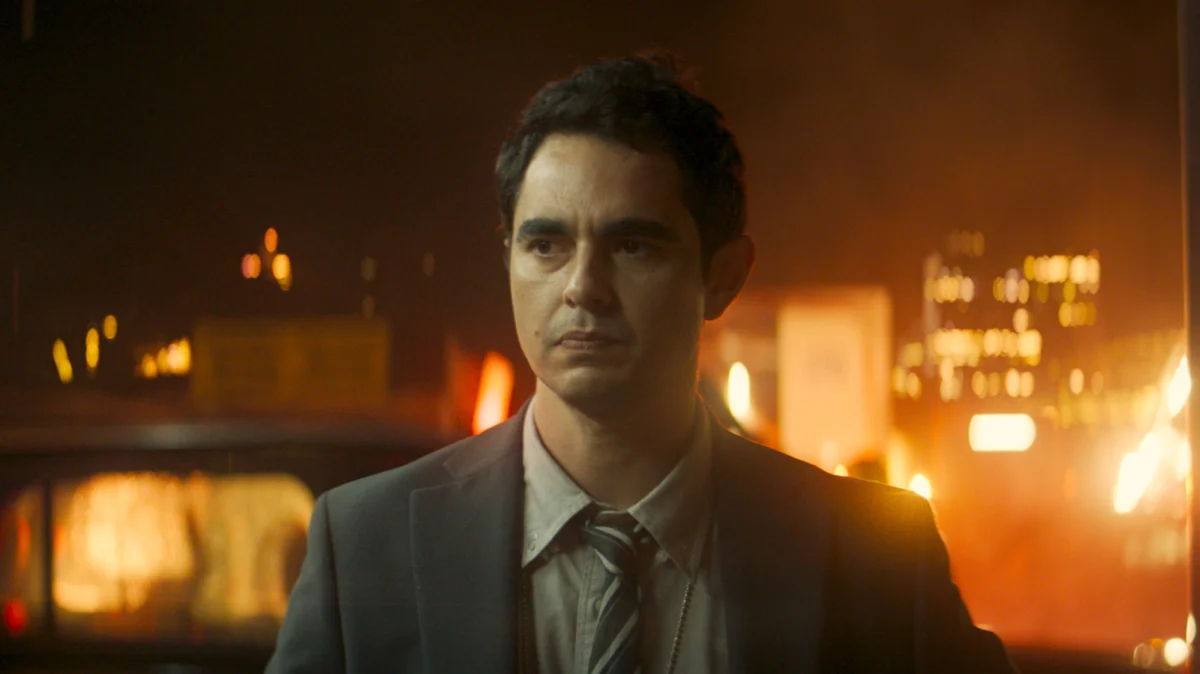
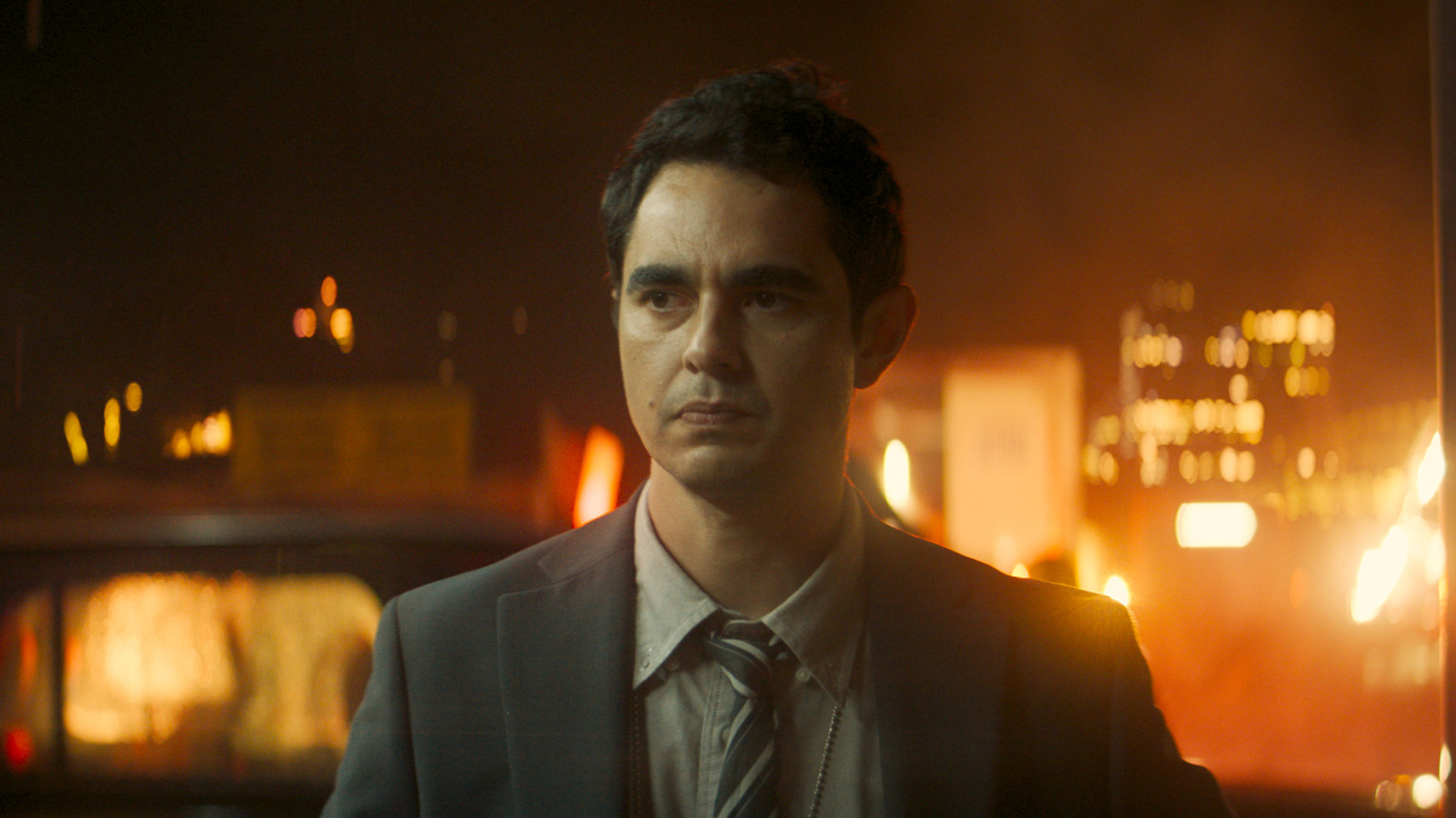
Amidst a sea of crooked uniforms, however, a few figures stand out. Enter John Borrelli, a rare breed of Gotham law enforcement officer who genuinely attempts to uphold justice in a city teetering on the edge of the abyss. Played by seasoned actor Max Minghella, Borrelli is also engaged to Dr. Caitlyn Corr (played by Naomi Ackie), the medical professional tasked with treating Matt Hagen (Tom Rhys Harries). For audiences watching the film, Borrelli’s face immediately sparks recognition. Minghella brings a grounded, weary earnestness to the role, drawing on a two-decade career defined by memorable performances in prestige television, blockbusters, and indie cinema alike.
Chronology of a Career: From the Background of Cold Mountain to the Streets of Gotham
Max Minghella’s journey in the entertainment industry spans over twenty years, evolving from early exposure on cinematic sets to starring in some of the most culturally defining projects of the 21st century.
Early Beginnings and Independent Breakthroughs
Minghella’s introduction to the film industry was intimate; he got his start as an uncredited extra on Cold Mountain, the sweeping Civil War drama directed by his father, the late Anthony Minghella, and starring Jude Law and Nicole Kidman. This behind-the-scenes exposure quickly transitioned into on-screen work. Early in his career, he secured roles in Stephen Gaghan’s geopolitical thriller Syriana (2005) and Terry Zwigoff’s dark satire Art School Confidential (2006), where he played a neurotic art student striving for greatness in a cynical academic environment.
The Prestige Turning Point: The Social Network (2010)
Minghella’s breakout moment arrived when he was cast as Divya Narendra in David Fincher’s masterclass on modern ambition, The Social Network. As the Harvard student who co-founded Harvard Connection alongside the Winklevoss twins, Minghella captured the precise mixture of Ivy League entitlement, frustration, and corporate naivety.
The film was a critical darling, and Minghella shared in the ensemble’s massive acclaim, earning nominations alongside his castmates for prestigious honors, including the Screen Actors Guild Award for Outstanding Performance by a Cast in a Motion Picture.
Expanding Horizons: Directing and Diverse Roles
Following The Social Network, Minghella’s career diversified rapidly. He took on supporting roles in high-profile studio and auteur projects, including:
- George Clooney’s political drama The Ides of March (2011)
- Shawn Levy’s tech-comedy The Internship (2013)
- The franchise horror-thriller Spiral: From the Book of Saw (2021)
Demonstrating an ear for storytelling behind the camera as well, Minghella made his feature-length directorial debut with Teen Spirit (2018), a vibrant, neon-soaked musical drama starring Elle Fanning that earned praise for its stylized visual ambition and deep emotional resonance.
Defining Television: The Handmaid’s Tale
While Minghella’s filmography is extensive, his most culturally impactful role prior to entering the DC Universe was on television. He joined the dystopian juggernaut The Handmaid’s Tale as Nick Blaine, the enigmatic driver for Commander Waterford who quietly becomes a revolutionary operative and the romantic catalyst for June Osborne (Elisabeth Moss).
Over multiple seasons, Nick’s narrative arc became one of the series’ most fiercely debated storylines. Straddling the line between oppressor and ally, Nick’s complex motivations and tragic narrative trajectory cemented Minghella as an actor capable of holding viewer empathy through moral ambiguity.
Supporting Data and Industry Context: The Evolution of the Villain-Centric Film
The release of Clayface marks a specific milestone in Warner Bros.’ ongoing strategy to deconstruct traditional superhero properties through distinct genre lenses. To understand the cultural footprint of Minghella’s casting and the film’s production background, several key metrics and industry trends must be evaluated:
- The Joker Precedent: Released in 2019, Joker shattered industry expectations by grossing over $1.07 billion globally against a modest production budget of roughly $55–70 million. It proved that R-rated, character studies of comic book antagonists could compete with traditional four-quadrant superhero blockbusters.
- The Expansion of Gotham’s Underbelly: Projects like Matt Reeves’s The Batman (2022) and HBO’s The Penguin demonstrated audience appetite for grounded, crime-thriller adaptations. GCPD corruption and urban decay have become foundational narrative pillars for modern DC adaptations.
- Minghella’s Ensemble Track Record: Minghella’s past projects have historically performed exceptionally well with awards bodies and streaming metrics alike. The Social Network grossed $224.9 million worldwide and garnered eight Academy Award nominations, while The Handmaid’s Tale has amassed numerous Primetime Emmy Awards during its multi-year run on Hulu.
- Upcoming Prestige Lineup: Minghella’s transition into high-profile ensembles continues unabated; his casting in the upcoming fourth season of HBO’s critically acclaimed anthology series The White Lotus signals his ongoing status as a go-to actor for prestige television.
Official Responses and Creative Insights
While Warner Bros. and the creative team behind Clayface have kept major plot details closely guarded to preserve the theatrical experience, press materials and early press junkets have shed light on the tone of the production.
Producers and creative leads have emphasized that the decision to center a feature film around Clayface—a shapeshifting monster born out of tragedy and obsession—allowed them to lean into body horror and psychological drama rather than standard superhero spectacle.
Speaking about the world-building of Gotham within the film, insiders noted that the production design sought to capture a "decaying metropolitan reality." This ethos directly influenced the casting of actors like Max Minghella, who specialize in portraying characters trapped inside corrupt, high-stress environments.
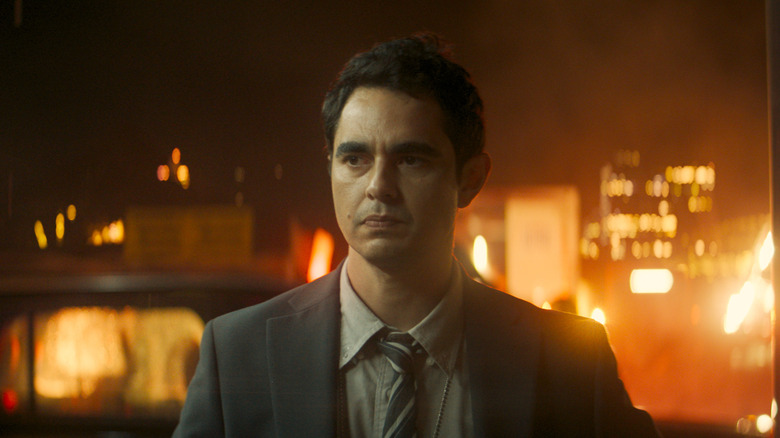
Minghella’s character, John Borrelli, acts as a moral anchor for portions of the narrative. Unlike the caricatured, cartoonishly corrupt cops typical of lesser comic book adaptations, Borrelli’s struggle is painted as quiet, desperate, and ultimately perilous. Directors and casting coordinators have frequently praised Minghella’s understated acting style—his ability to convey intense emotional pressure behind a calm, unassuming exterior—as vital for grounding heightened fantasy concepts into something that feels terrifyingly real.
Implications: What Clayface and Minghella’s Role Mean for the Future of DC
The entry of Clayface into the cinematic landscape, alongside performances by actors like Max Minghella, carries several significant implications for the future of comic book adaptations:
1. The Death of the Uniform Superhero Blueprint
Warner Bros. and DC are continuing to lean away from strict franchise continuity in favor of director-driven, genre-specific experiments. By treating Gotham not as a backdrop for Batman, but as a living, breathing crime syndicate populated by desperate cops, doomed medical professionals, and tragic monsters, the studio is signaling that comic book adaptations can function purely as neo-noir thrillers or body-horror dramas.
2. The Value of Prestige Character Actors
The inclusion of actors with deep indie and prestige TV roots—such as Minghella—elevates the material. Even in films that receive mixed critical notices, the presence of performers who excel at nuance prevents these projects from sliding entirely into camp. Minghella’s ability to project vulnerability and moral conflict makes the stakes feel authentic, even when the narrative framework around him threatens to buckle.
3. Broadening the Scope of the Bat-Universe
Audiences are increasingly fatigued by repetitive origin stories. By focusing narrative spotlight on peripheral figures—the honest cops like John Borrelli, the medical practitioners caught in the crossfire like Dr. Caitlyn Corr, and the tragic transformations of characters like Matt Hagen—the studio opens the door to a richer, more diverse storytelling ecosystem within Gotham City.
As Max Minghella prepares to transition from the rain-slicked streets of Gotham to the sun-drenched satire of The White Lotus Season 4, his role as John Borrelli in Clayface stands as a testament to his career trajectory: an actor who consistently elevates the world around him, turning minor roles in dark universes into unforgettable, grounded human performances.
