
The Making of a "Grenade": Robert Pattinson and the Provocative Rise of Primetime
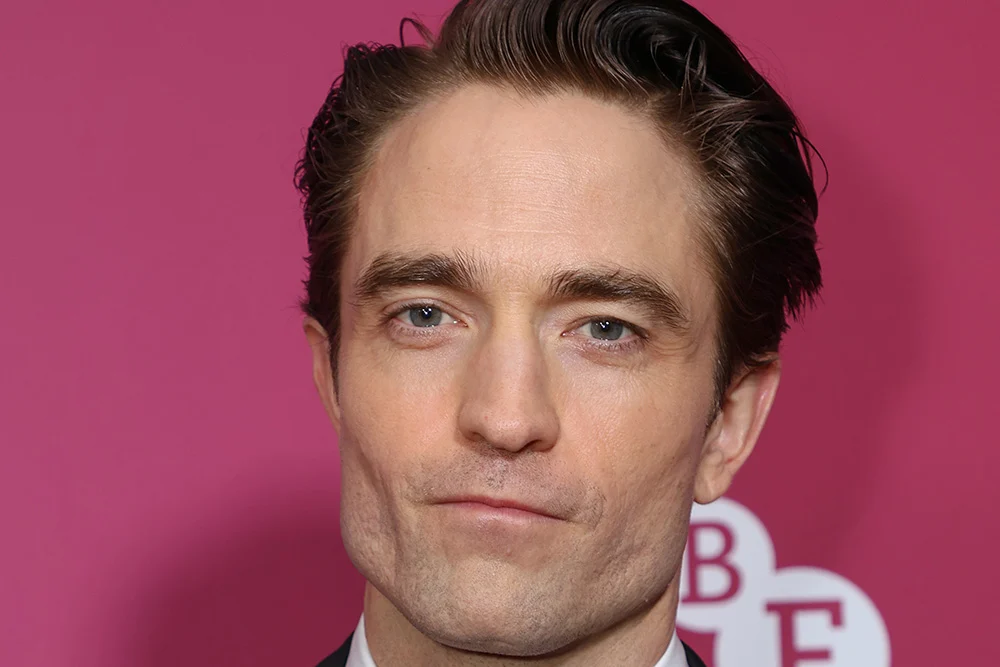
The London Film Festival witnessed a masterclass in star power and creative conviction this past Sunday as Robert Pattinson took the stage at the iconic BFI IMAX. The actor, draped in a sharp, dark grey suit with his signature hair slicked back, appeared in high spirits to introduce his latest cinematic venture, Primetime. Yet, for Pattinson, this project represents a departure from his recent blockbuster endeavors; it is a film he championed not merely as the face of the production, but as a dedicated producer.
Joining him to address a rapturous crowd were director Lance Oppenheim, screenwriter Ajon Singh, and co-star Merritt Wever. The atmosphere was electric, mirroring the intensity of the film itself—a psychological thriller that dissects the blurred lines between justice, entertainment, and exploitation in the landscape of 2000s American television.
The Genesis of a Project: From Script to Screen
The path to Primetime was characterized by an almost frantic sense of urgency. Pattinson, known for his discerning eye regarding indie-spirited projects, described his first encounter with Ajon Singh’s screenplay as a moment of pure, visceral reaction.
"Ajon had written this script where, as soon as you read it, it felt like it was a grenade," Pattinson recalled during the Q&A. "To find that no one was doing anything with it, it felt like you’d stolen something. You’re literally just like, ‘I want to make this right now.’"
The speed at which the production materialized is a testament to the creative synergy between the team. Pattinson recounted calling Singh the very next day, an act that catalyzed a whirlwind development phase. Within a week, director Lance Oppenheim was attached, and by the end of the second week, the project was officially in motion. For Pattinson, the draw was the "electrifying" nature of the writing. He sought a narrative that would challenge audiences, provoke conversation, and offer a multi-faceted exploration of a polarizing figure.
Chronology: The Evolution of Primetime
The journey of Primetime from a high-stakes pitch to an international sensation has been swift and impactful.
- Development Phase: Triggered by Pattinson’s immediate attachment, the film was fast-tracked through production, focusing on capturing the frantic, high-pressure environment of the mid-2000s news cycle.
- Venice Film Festival (September 2026): The film made its global debut at the Venice Film Festival, where it was met with overwhelming critical acclaim, culminating in a seven-minute standing ovation that signaled its potential for the awards circuit.
- U.S. Box Office Release (September 25, 2026): Proving that high-concept psychological thrillers can thrive in a crowded market, Primetime hit theaters to significant financial success.
- London Film Festival (October 2026): The European premiere at the BFI IMAX solidified the film’s status as a must-see event, with audiences and critics alike praising the boldness of its subject matter.
- Upcoming U.K. Release (October 30, 2026): The film is poised for its wide release in the United Kingdom, following the massive momentum built during its festival run.
Supporting Data: A Breakout Commercial Success
The financial narrative surrounding Primetime is as compelling as its plot. Produced by A24—a studio known for its commitment to auteur-driven cinema—the film was made on a lean budget of $14.5 million. Despite the modest cost, it has proven to be a juggernaut at the box office, grossing $38 million to date.
This commercial performance serves as a powerful indicator of audience hunger for challenging, original content. In an era often dominated by franchise fatigue, Primetime has carved out a unique space, proving that an A-list star like Pattinson, when paired with a daring script and a visionary director, can transform a niche psychological premise into a widespread cultural phenomenon.
The Narrative: A Stylized Retelling
Primetime is loosely based on the 2007 Esquire article "Tonight on Dateline This Man Will Die." It serves as a deep dive into the life of Chris Hansen, the former host of NBC’s To Catch a Predator. The film focuses on the era when the show was elevated to a primetime slot, exploring the intoxicating nature of the media spotlight and the moral ambiguity of Hansen’s methods.
The filmmakers have been consistently clear: this is not a traditional biopic. It is a stylized, thematic retelling. By focusing on the ethics of the sting operation—which ultimately led to the show’s cancellation in 2008 following widespread backlash—the film invites the audience to interrogate the voyeurism inherent in "reality justice."
Pattinson’s portrayal is at the heart of this inquiry. He brings a frantic energy to the screen, capturing the hubris and the eventual unraveling of a man who found himself at the intersection of journalism and vigilantism. As Pattinson noted, he wanted to ensure the film felt "original and funny and multi-faceted, everything you want, a little dangerous."
Official Responses and The "Hansen" Controversy
The reaction from the real-life subject, Chris Hansen, has been one of the most publicized aspects of the film’s release. Hansen has been vocal about his dissatisfaction, labeling the film a "complete work of fiction."
"Robert Pattinson is a very good actor," Hansen told Variety in a feature piece. "I think a lot of people would find it flattering that this guy would be cast to portray me. But the way it was done is certainly not flattering. And so what’s the larger point for Hollywood here?"
This tension between the subject and the screen adaptation highlights the film’s intent to be an uncomfortable, critical piece of art rather than a flattering portrait. Pattinson, for his part, has maintained a diplomatic stance. During the Venice press conference, he expressed a genuine desire for Hansen to find value in the work.
"Obviously, I hope he likes the movie," Pattinson said. "There’s something electrifying about him. I would hope the amount of inspiration his character has given a lot of people for years is some kind of compliment."
Implications: The Future of Investigative Drama
The success of Primetime carries significant implications for the future of the psychological thriller genre. By tackling real-world controversies with a high-stylized approach, the film raises important questions about the responsibilities of media and the ethics of representation.
- The "Grenade" Effect: Pattinson’s success in identifying and pushing for projects that feel "dangerous" suggests a shift in how top-tier talent is engaging with the industry. By acting as both lead and producer, stars are taking more control over the narrative, ensuring that stories with grit and ambiguity receive the funding and attention they deserve.
- The A24 Formula: The film’s profitability underscores the continued viability of the A24 model—prioritizing auteur voices and risky, original scripts that resonate with modern audiences who are tired of formulaic storytelling.
- Media Ethics in Cinema: Primetime joins a growing list of films that use the past to critique contemporary media habits. As we continue to navigate the age of digital content and instant gratification, the film serves as a mirror, forcing us to ask: where does public interest end, and exploitation begin?
In conclusion, Primetime is more than just a box office success story; it is a bold, provocative piece of filmmaking that refuses to offer easy answers. Whether audiences are drawn to the star power of Robert Pattinson or the intense, ethical dilemmas presented by the script, the film has firmly cemented itself as one of the most vital cinematic conversations of the year. As it prepares for its U.K. release, the anticipation remains high, promising to keep the "grenade" of Primetime firmly in the public consciousness for some time to come.
