
The Endless Void of Yellow Wallpaper: Ryan George Deconstructs the Backrooms Phenomenon
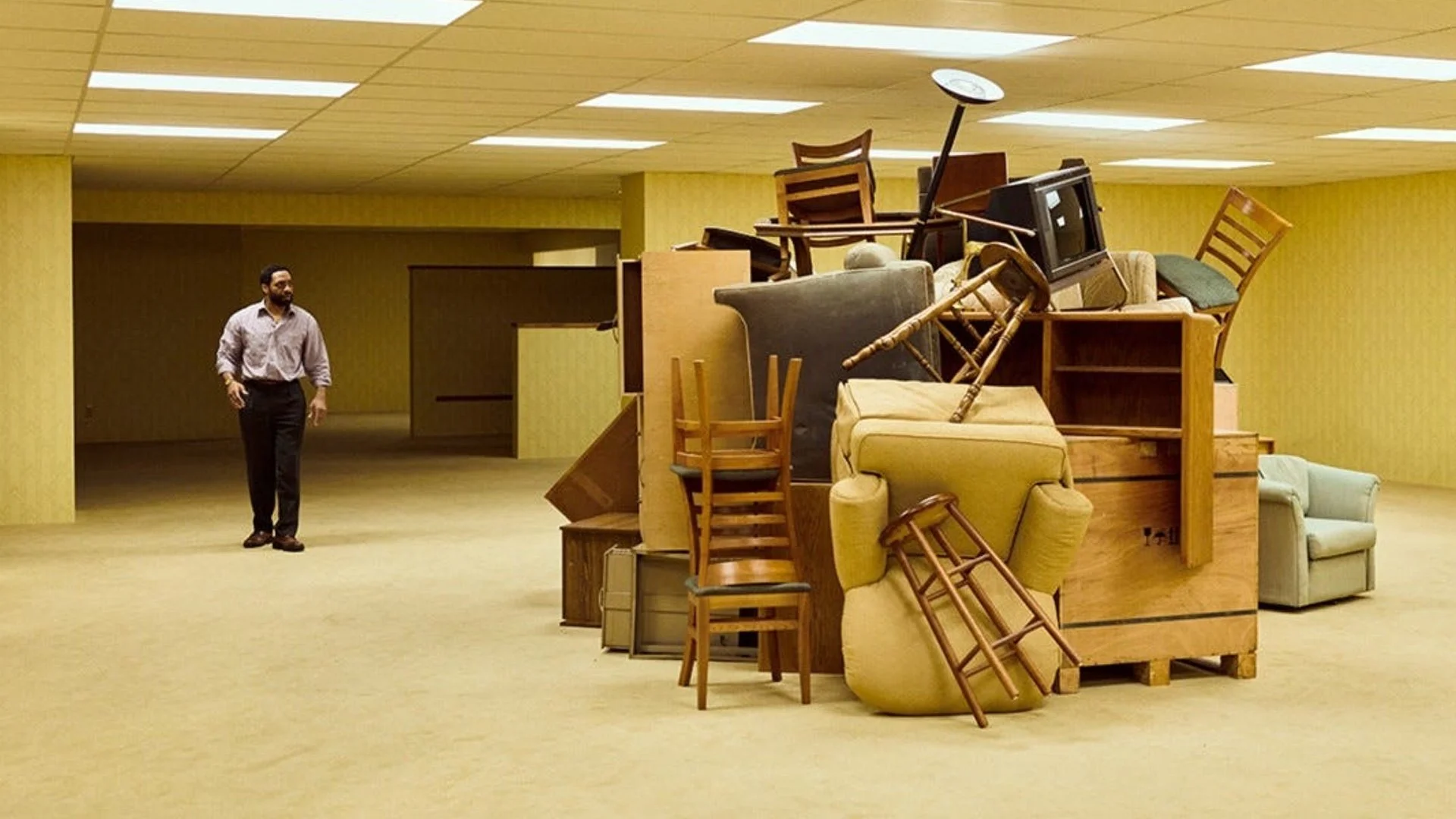
In the digital age, few phenomena have transitioned from niche internet lore to mainstream cinematic reality with as much velocity—and controversy—as Backrooms. What began as a grainy 4chan image and exploded into a sprawling, multi-million-view YouTube horror series by Kane Parsons, has finally made the leap to a feature film. However, the transition from viral short-form content to long-form cinema has proven treacherous. Enter Ryan George, the internet’s premier satirist, whose latest installment of his wildly popular Pitch Meeting series turns a critical, comedic lens on the film, exposing the narrative cracks in what many viewers described as an exercise in "nightmarish boredom."
Main Facts: From Creepypasta to Cinematic Misstep
The Backrooms movie attempts to capture the existential dread that made the original 4chan post a sensation: the concept of "noclip" reality, where a person falls out of existence and into an endless, liminal space consisting of damp, yellow carpet and flickering fluorescent lights. The film expands this minimalist premise into a narrative involving a furniture store owner named Clark, whose discovery of a mysterious portal serves as the catalyst for a descent into madness. Alongside his therapist, Mary, the characters are thrust into a labyrinthine purgatory.
While the film boasts impressive production design that replicates the "liminal space" aesthetic of the source material, the execution has polarized audiences. Where some horror enthusiasts found the film’s atmospheric ambiguity unsettling, a significant contingent of the audience—and critics alike—found it to be an empty maze that leads nowhere. Ryan George’s Pitch Meeting serves as a sharp-witted dissection of this divide, highlighting how the film struggles to maintain tension over a feature-length runtime.
Chronology: The Evolution of a Digital Legend
To understand why the Backrooms film feels like such a departure from its roots, one must look at the timeline of the franchise:
- 2019: An anonymous user on 4chan’s /x/ board posts a single, unsettling image of an empty office space with yellow wallpaper, sparking a viral trend of "liminal horror."
- 2020-2021: Independent filmmaker Kane Parsons (known as Kane Pixels) begins creating short, highly detailed CGI videos on YouTube exploring the "Backrooms" lore. His technical prowess earns him millions of subscribers and critical acclaim for atmospheric storytelling.
- 2023-2024: Production on the feature-length Backrooms project ramps up, buoyed by the hype surrounding Parsons’ YouTube success. The film is positioned as a psychological horror exploration of trauma and displacement.
- The Present: The film receives a wide release, garnering a lukewarm reception that contrasts sharply with the initial excitement of the internet community.
Supporting Data: Why the Horror Fell Flat
The criticism leveled by Ryan George in his latest Pitch Meeting is rooted in the film’s failure to translate the "scare factor" of a two-minute YouTube video into a 90-minute narrative. Data regarding audience engagement shows a steep decline in interest as the film progresses, suggesting that the "empty maze" aesthetic, while visually evocative in short bursts, fails to sustain viewer attention without a robust plot.
George’s critique focuses on several key areas:
- Lack of Survival Instincts: The characters’ decision-making processes are frequently at odds with logic. In the face of a potentially lethal, shifting dimension, the protagonists often exhibit passivity that borders on the absurd.
- Psychological Overreach: The film attempts to ground its horror in "unprocessed trauma," a common trope in modern "elevated horror." However, George argues that the film fails to integrate these themes meaningfully, making the characters’ emotional arcs feel detached from the actual supernatural threat.
- The Monster Problem: The film’s antagonist entities are designed to be unnerving, yet they suffer from over-exposure. By showing too much, the filmmakers inadvertently stripped away the mystery that made the original YouTube shorts so effective.
Official Responses and Production Perspectives
The creators of the Backrooms film have historically defended the project as a "labor of love," emphasizing the difficulty of translating a non-narrative internet phenomenon into a coherent script. In previous interviews, the production team noted that their goal was to expand upon the lore rather than simply copy it. They aimed to provide a "human element" to the sterile, non-human environment of the Backrooms.
However, the "official" response to the criticism has been largely muted. The filmmakers have cited the experimental nature of the genre, suggesting that the film was intended to be an experience rather than a traditional story. This defense, however, has not deterred critics like George, who argue that even "experiential" films require a fundamental tether to character motivation to keep the audience invested.
Implications: The Limits of Viral Adaptation
The lukewarm reception of Backrooms highlights a growing trend in the film industry: the attempt to monetize viral internet content before it has been sufficiently "fleshed out" for the big screen. The implication here is that virality does not equal narrative viability.
The "Liminal Space" Trap
The film’s reliance on the "empty room" aesthetic creates a structural trap. If a film is about the absence of things, it becomes difficult to introduce meaningful conflict. When the environment is the enemy, the characters must have a way to interact with that environment in a meaningful way. As George points out in his video, if the characters simply wander through yellow rooms for an hour without significant stakes or character development, the audience loses interest.
The Audience Expectation Gap
The Backrooms film serves as a case study in the dangers of adapting "creepypasta." The original lore is collaborative and open-ended; the viewer fills in the blanks with their own imagination. By providing concrete answers—and by extension, the "wrong" answers—the film inadvertently disappointed a fanbase that had spent years building their own, more terrifying versions of the story in their heads.
Lessons for Future Horror
Moving forward, studios looking to capitalize on internet horror must reckon with the "George Factor." When a film’s narrative flaws become fodder for comedy, it is often a sign that the movie has lost control of its own tone. For Backrooms, the attempt to be a deep, psychological study of trauma ultimately came across as an unintentional parody of the genre.
Conclusion: A Lesson in Narrative Architecture
Ultimately, Ryan George’s Pitch Meeting succeeds because it voices the frustration of a generation of horror fans who wanted more from a project with so much potential. The video serves as a reminder that horror is not just about the jump scare or the creepy atmosphere—it is about the integrity of the narrative.
Whether you are a die-hard fan of the Backrooms lore or a casual observer, the film serves as a poignant example of the challenges inherent in cinematic adaptation. While the visual aesthetic of the Backrooms remains a landmark in digital horror, the feature film reminds us that an empty room needs more than just a flickering light to keep an audience’s attention—it needs a soul, a purpose, and a reason for us to care if anyone makes it out alive.
As George hilariously concludes in his breakdown, sometimes the scariest thing about a horror movie isn’t the monster in the shadows, but the realization that you’ve paid money to watch people wander around a furniture store for two hours. For those who found the film a slog, George’s video is the perfect remedy, turning a nightmarish experience into a series of well-deserved laughs.
