Remembering the Apocalypse: The Making, Legacy, and Human Cost of When the Wind Blows at 40
By Joe Fordham
Main Facts: A Masterpiece of Hand-Drawn Disquiet
Forty years after its theatrical release in the United Kingdom on October 24, 1986, Jimmy T. Murakami’s When the WindBlows remains one of the most haunting achievements in the history of adult animation. Based on the 1982 graphic novel by celebrated children’s author and illustrator Raymond Briggs, the 85-minute feature film presents a harrowing, deadpan look at the human consequences of a nuclear attack through the eyes of an ordinary, lovable elderly British couple, Jim and Hilda Bloggs.
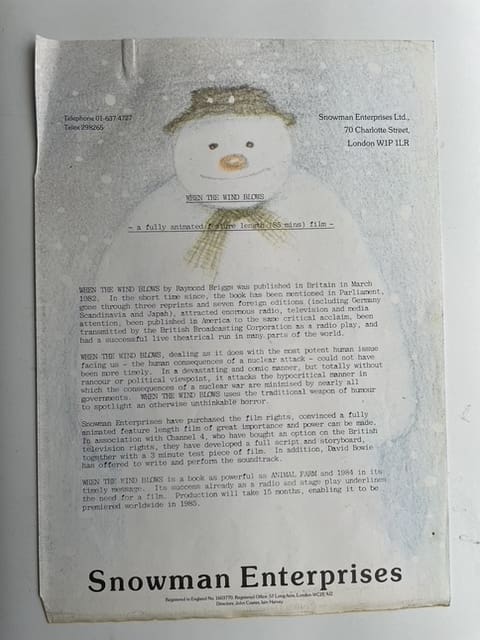
Produced by John Coates and executive-produced by Iain Harvey under the banner of TV Cartoons (TVC)—operating then as Snowman Enterprises following their success with the Oscar-nominated short The Snowman—the film tackled what the original 1983 production pitch termed "the most potent human issue facing us: the human consequences of a nuclear attack."
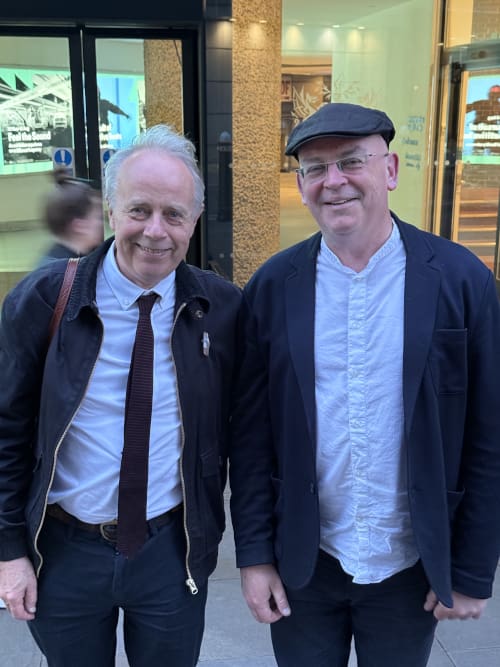
Without taking a partisan political stance, the film utilized dark wit to expose the chilling inadequacy of government-issued civil defense pamphlets like Protect and Survive. Today, as global geopolitical tensions echo the anxieties of the mid-1980s, When the Wind Blows endures not merely as a historical artifact of the Cold War, but as a timeless cinematic warning. To mark its 40th anniversary, Cartoon Brew spoke with key survivors of the TVC animation crew—art director Richard Fawdry and animation assistant Paul Donnellon—alongside archival insights from in-house editor Taylor Grant, to recount the meticulous and often grueling creation of a landmark film.
Chronology: From a One-Page Pitch to an Annecy Grand Prix
1979–1983: Laying the Groundwork at TVC
TV Cartoons (TVC), located at 70 Charlotte Street in London’s Soho, had long served as a vibrant creative hub for British animation. Producer John Coates, having astutely secured the first option on all of Raymond Briggs’ literary works during the acquisition of The Snowman, envisioned a much darker companion piece. In 1983, Coates issued a foundational one-page pitch outlining the feature adaptation of When the Wind Blows.
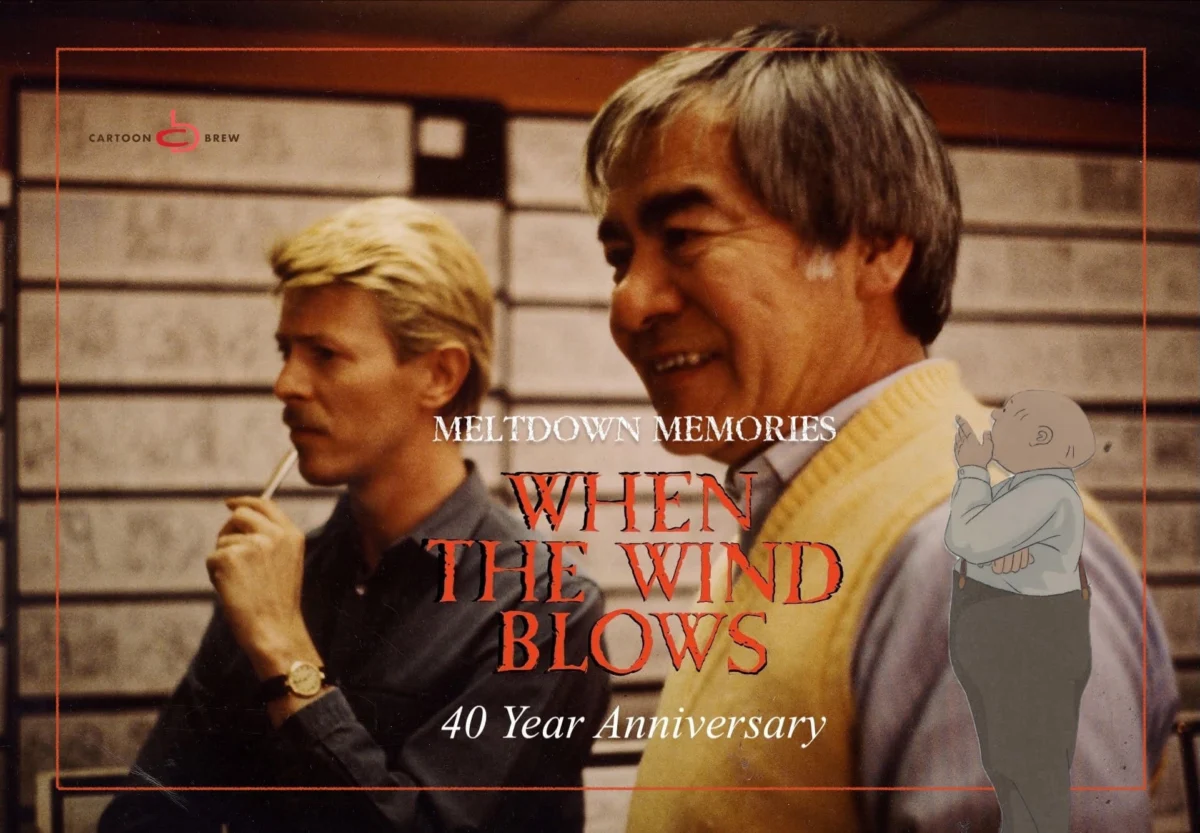
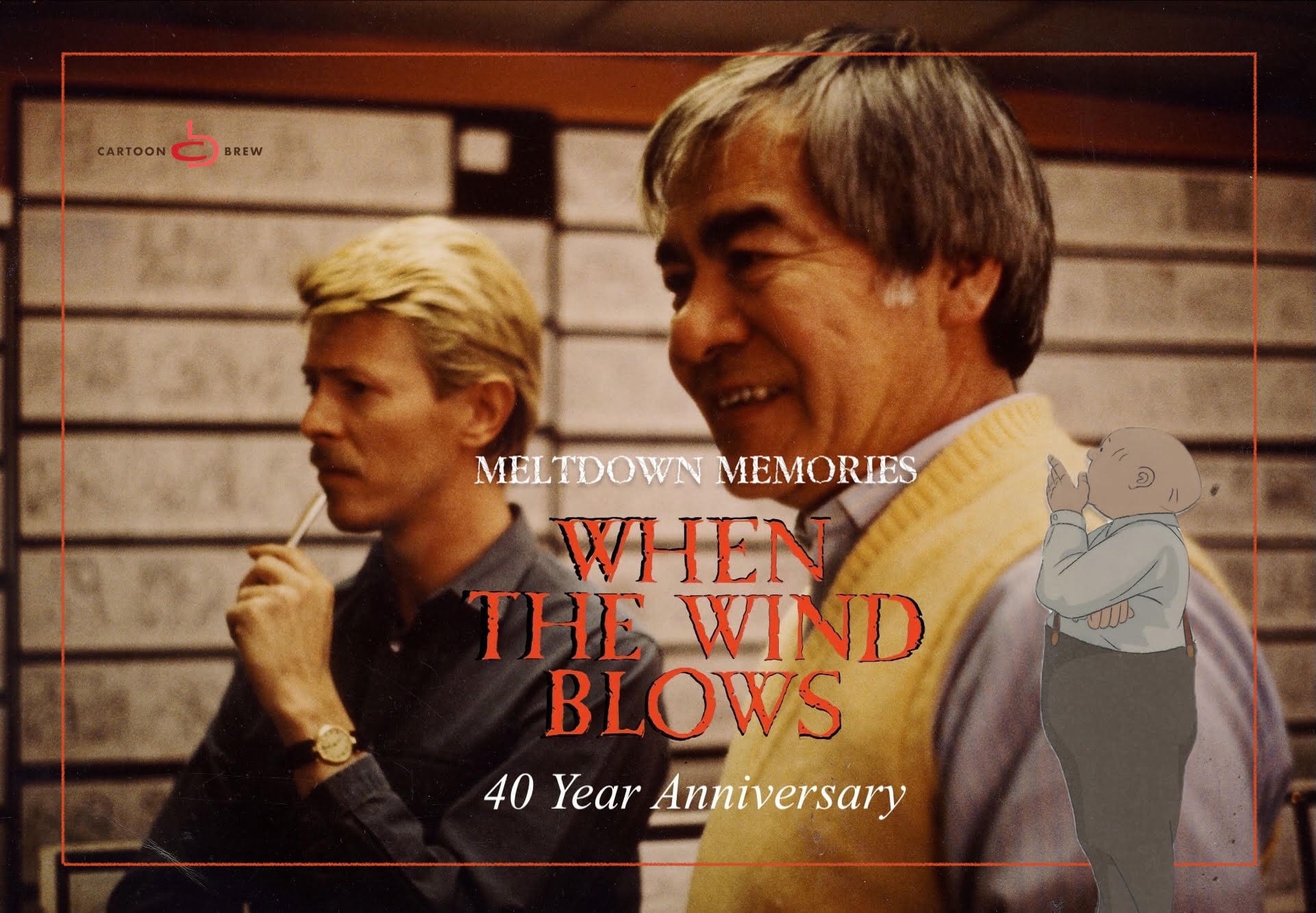
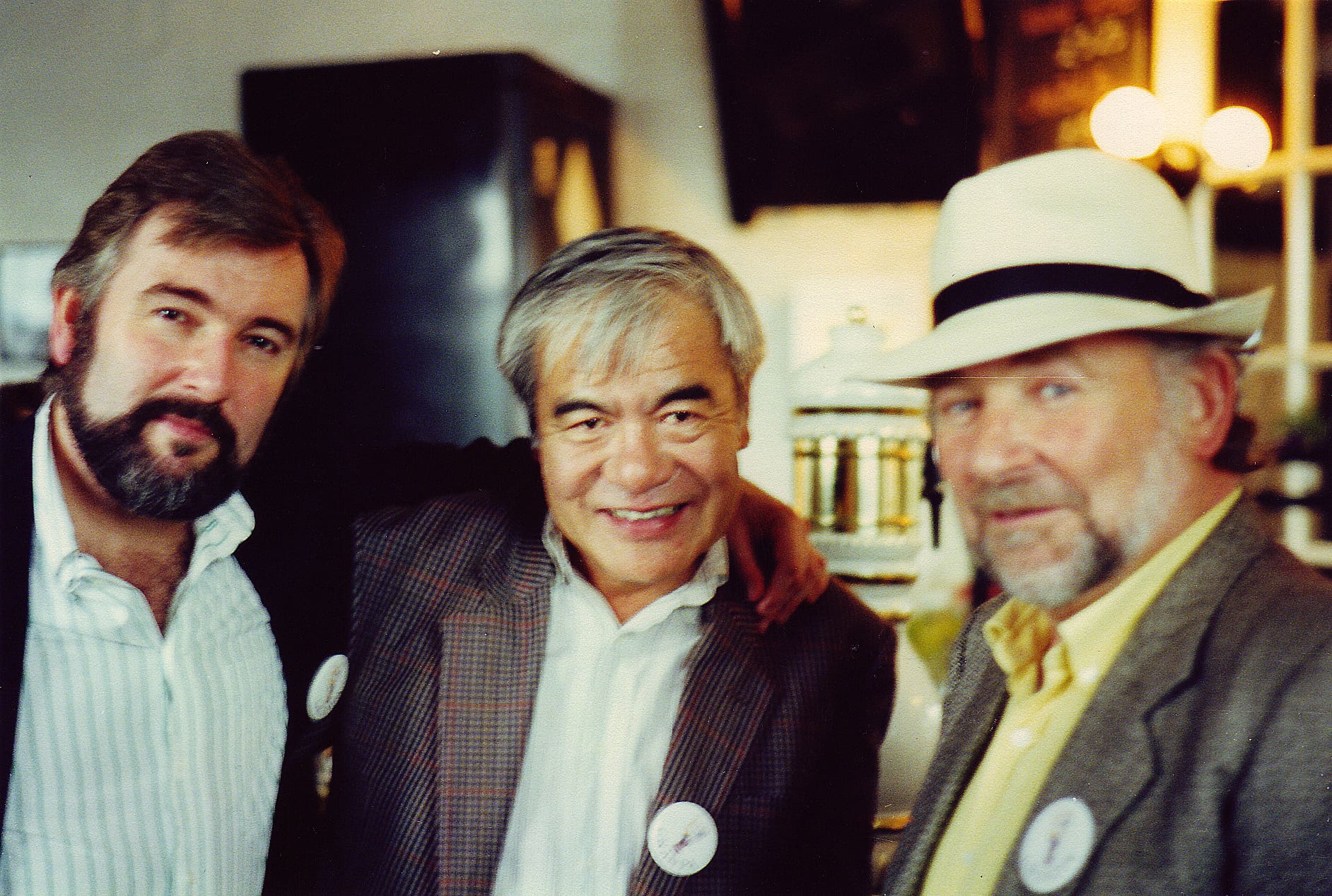
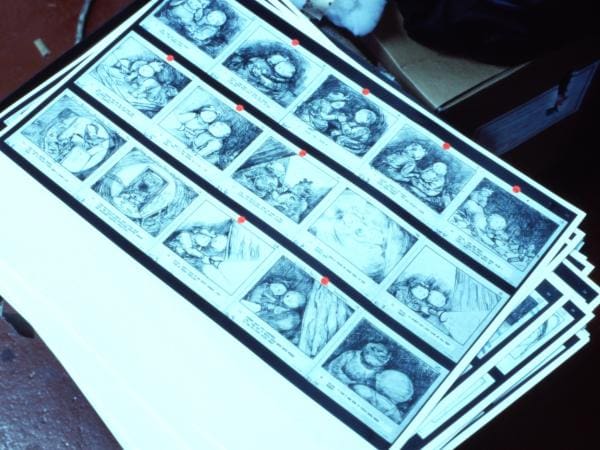
To helm the project, Coates brought in his longtime collaborator Jimmy T. Murakami. A silver-haired, stout Japanese American director who had previously earned an Oscar nomination for his 1967 short Breath and directed Roger Corman’s live-action sci-fi mashup Battle Beyond the Stars (1980), Murakami immediately understood Briggs’ vision. Working alongside Briggs—who wrote the screenplay—Murakami roughed out initial storyboards and spearheaded a three-minute production test.
1984–1986: The Meltdown Production Era
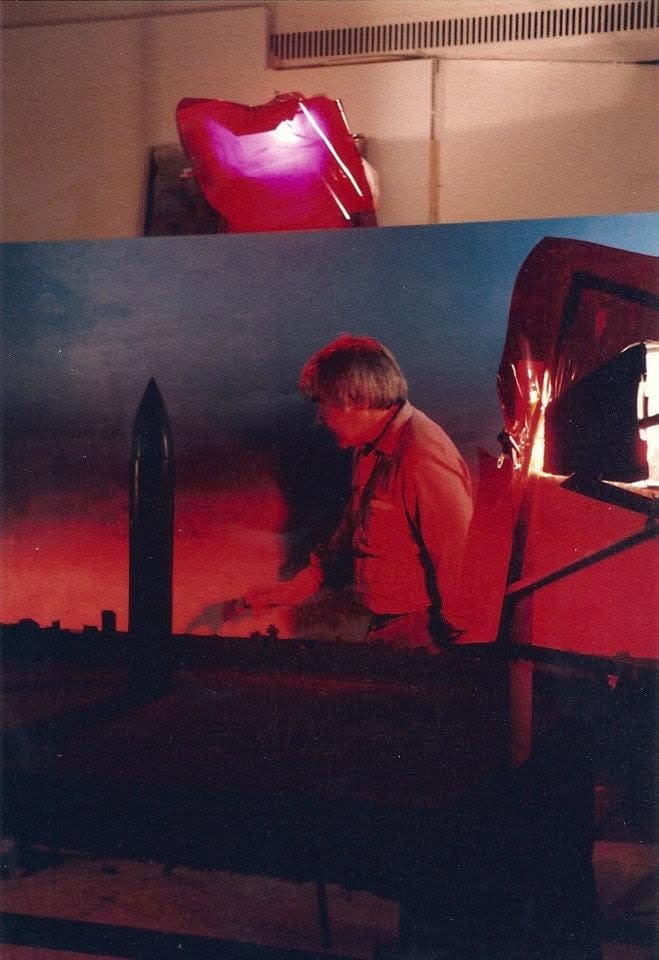
Production commenced at TVC, bringing together an elite international crew of animators, layout artists, and technicians. Rejecting standard painted backgrounds in favor of a groundbreaking visual hybrid, Murakami drew inspiration from Fleischer Studios’ 1930s "Stereoptical" process used in Betty Boop and Popeye cartoons.
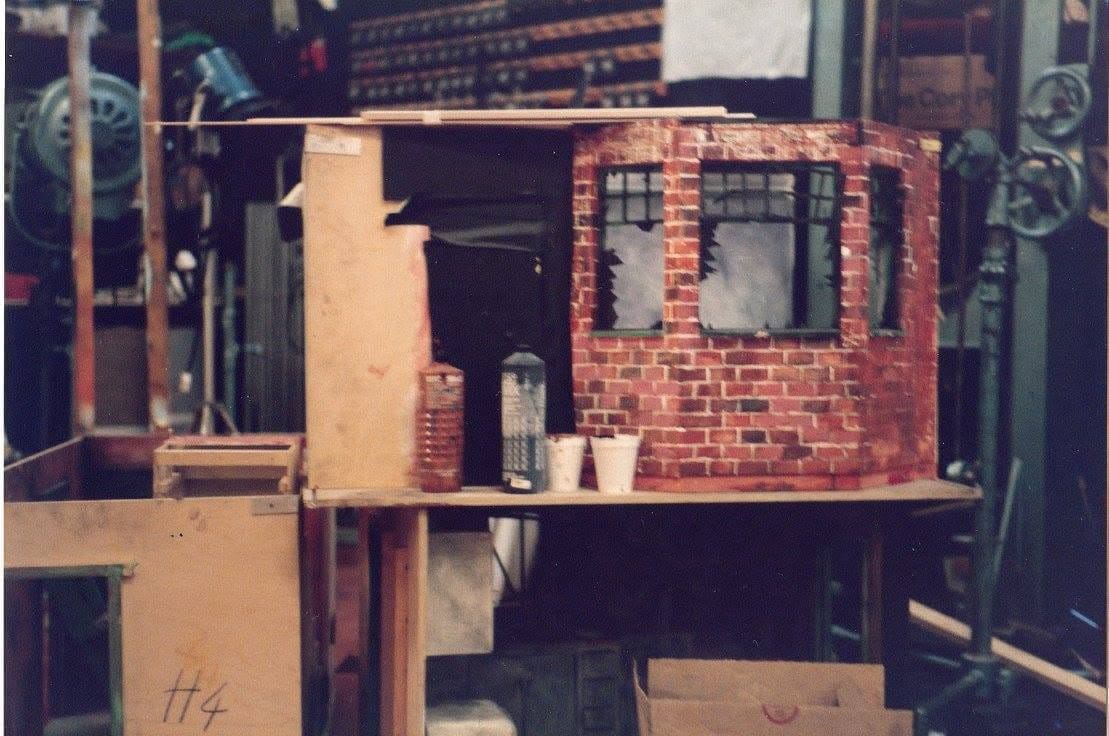
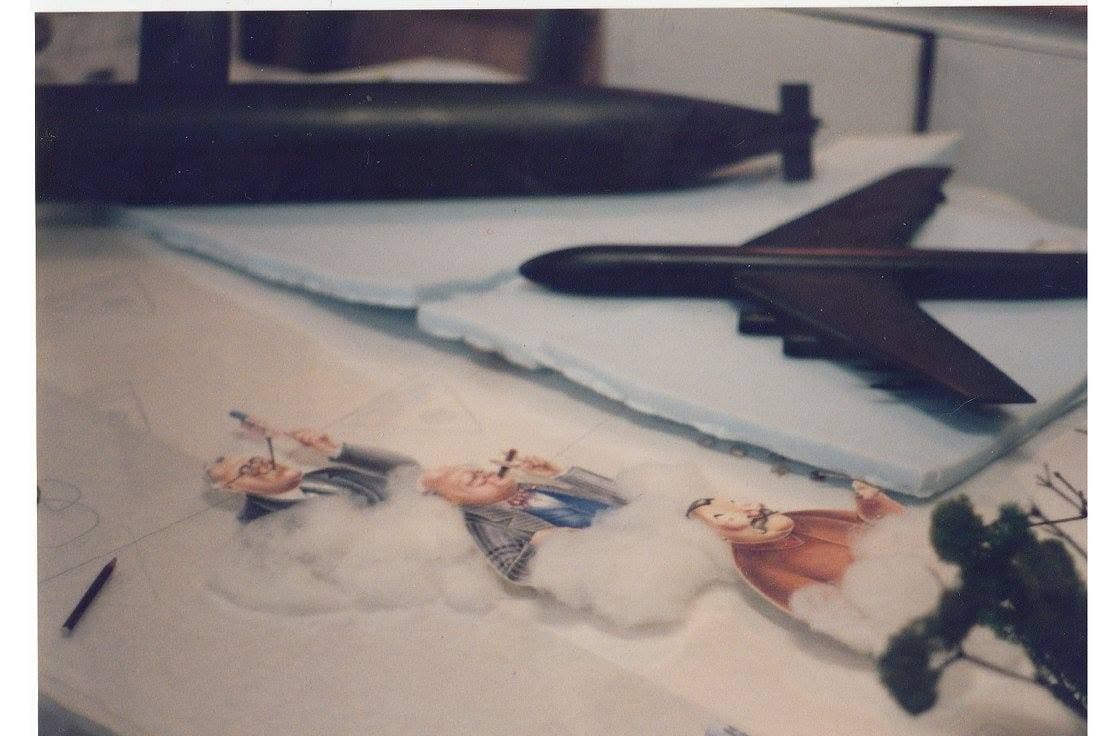
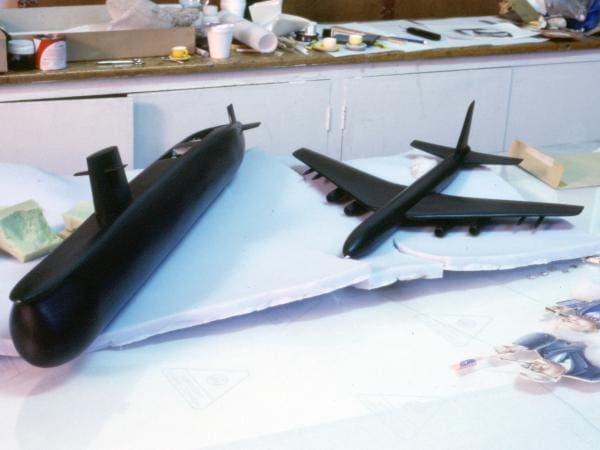
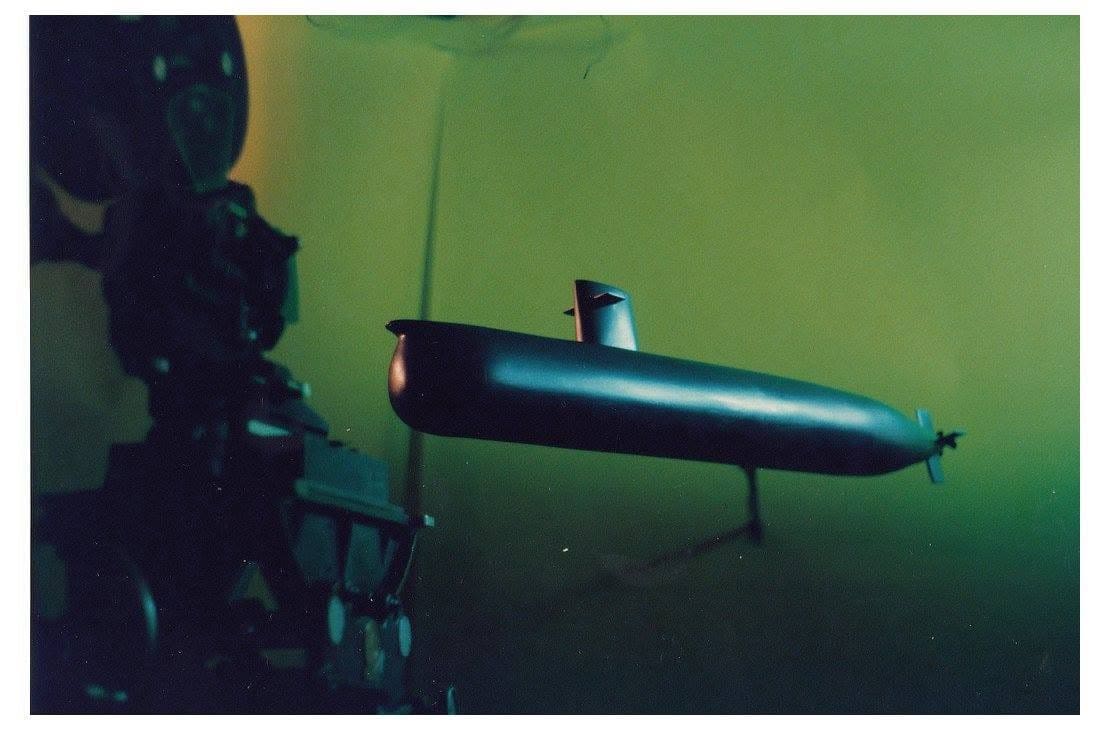
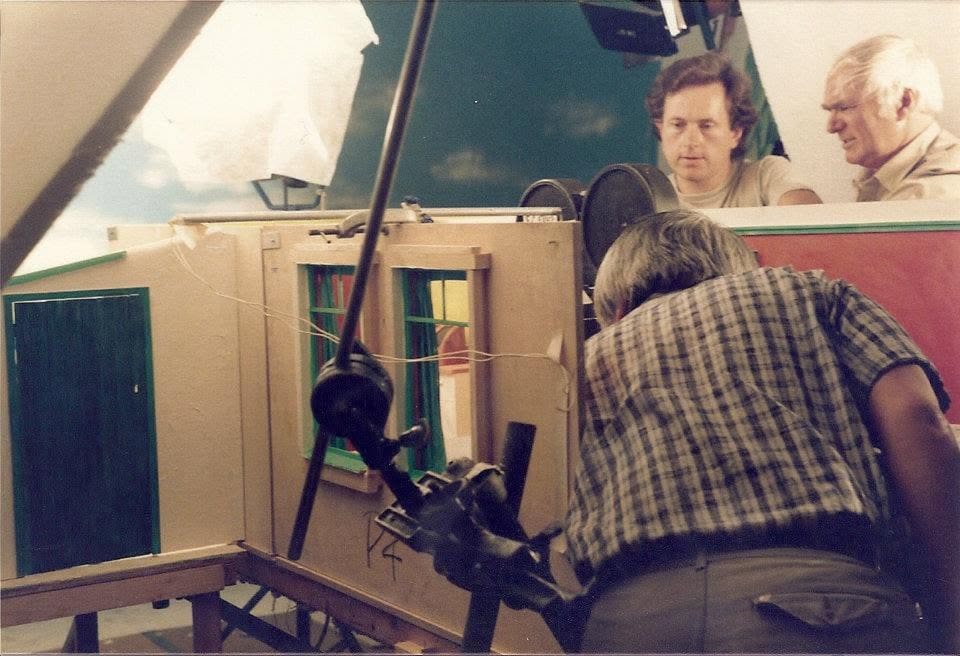
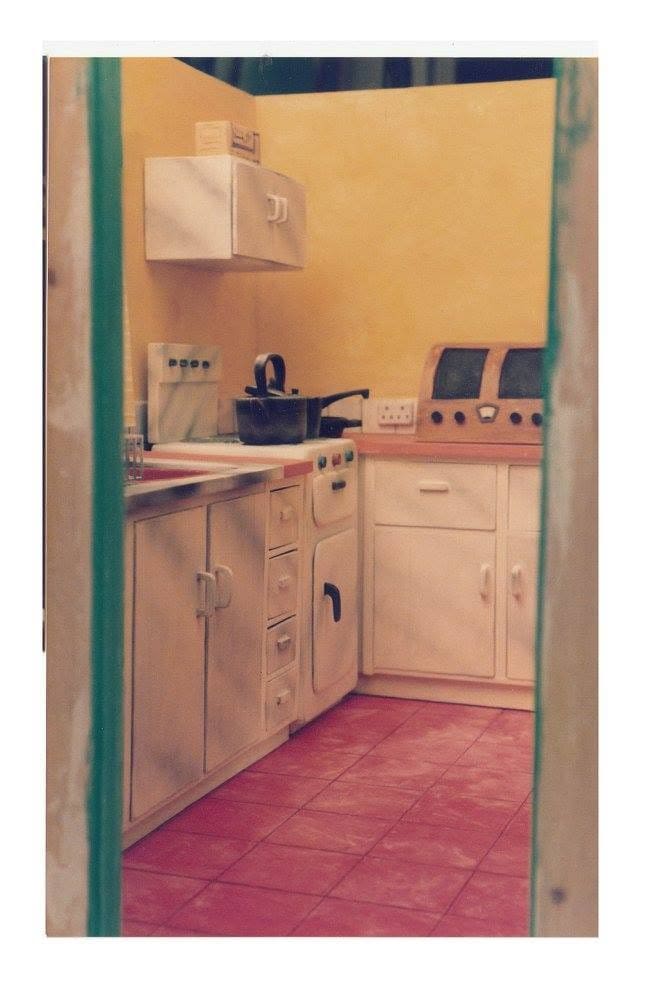
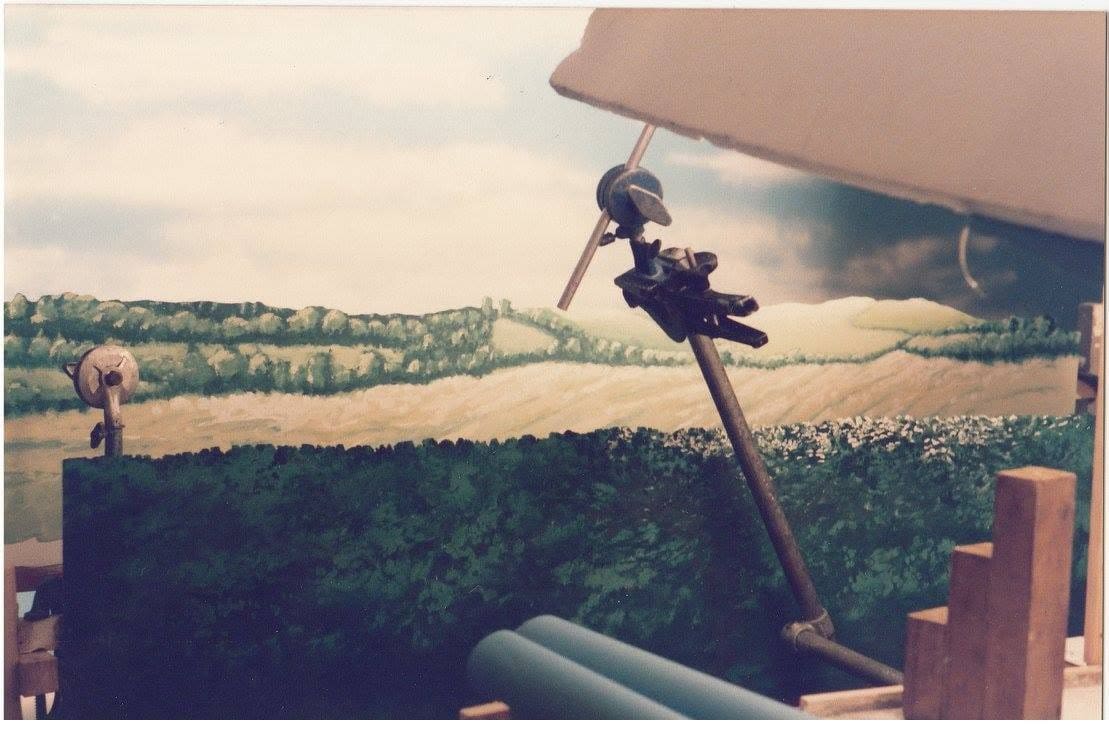
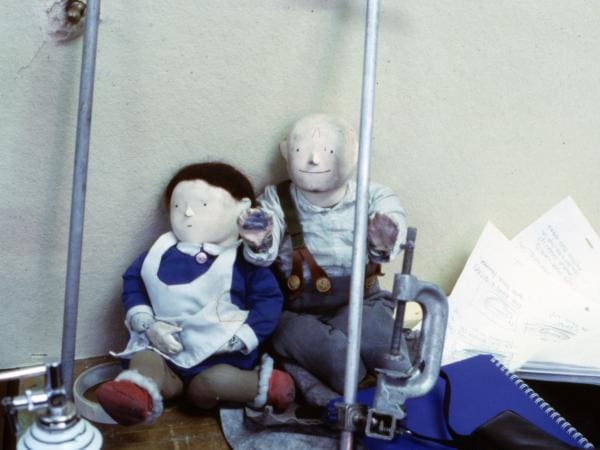
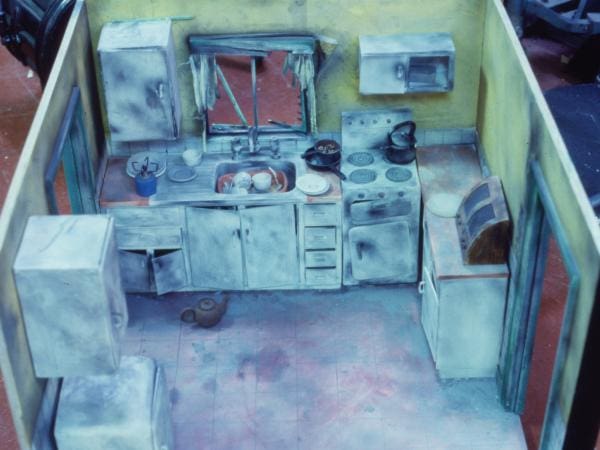
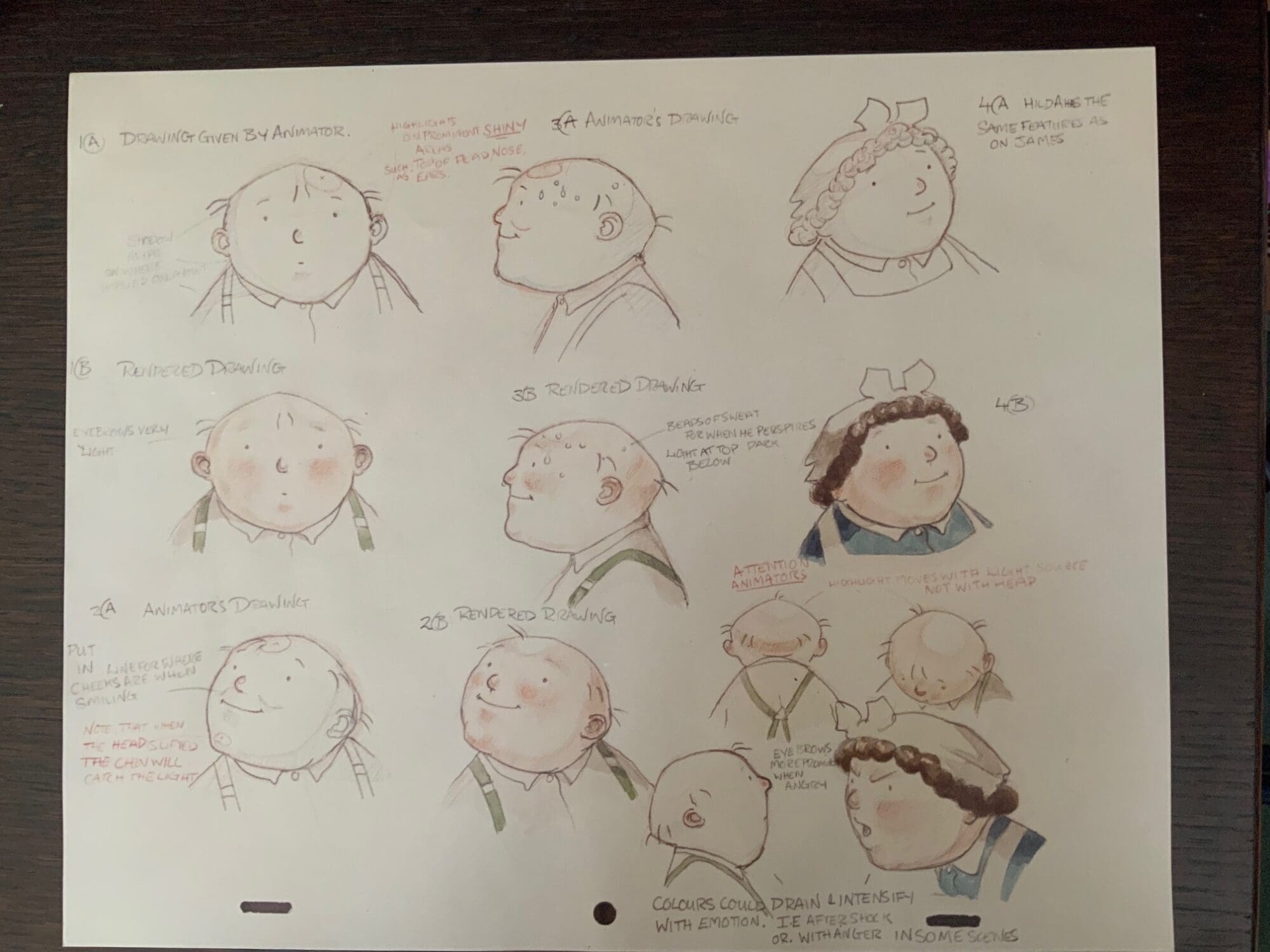
Instead of traditional cels over flat paintings, the production physically layered hand-drawn, hand-inked 2D cel animation of Jim and Hilda over stop-motion-animated 3D model backgrounds. Model builder Errol Bryant meticulously constructed miniature sets—including the Bloggs’ rustic countryside home, complete with miniature cutlery—while camera operators utilized pin-registered photographic printing processes to capture thousands of physical plates.
Following an intense period of hand-drawn character animation, multi-layered rendering, and sound design featuring original music by Roger Waters and David Bowie, the film was completed. It made its theatrical debut in the U.K. on October 24, 1986.
1987 and Beyond: Critical Acclaim and Cult Status
When the Wind Blows went on to win the prestigious Grand Prix at the Annecy International Animation Film Festival in 1987. Though its initial release met a complex reception amid shifting Cold War politics, the film gradually achieved cult status. Decades later, its imagery continues to circulate online through modern digital platforms, remaining a touchstone for adult animation enthusiasts worldwide.
Supporting Data: The Technical and Artistic Anatomy of a Hybrid Film
The creation of When the Wind Blows required a marriage of traditional cel animation and stop-motion miniature photography that pushed 1980s studio techniques to their absolute limits.
The A.R.S. Photo-Background Process: To capture the interiors and exteriors of Jim and Hilda’s home, model maker Errol Bryant built highly detailed miniatures. Rather than painting hundreds of individual backgrounds at high costs (estimated at £100 to £500 per plate), lighting director Ken Friswell and photographer Peter Turner executed a photographic approach. They generated approximately 17,000 glossy, 12-by-10-inch 3M prints. These were pin-registered for Peter Turner’s rostrum camera at TVC, reducing background production costs by half.
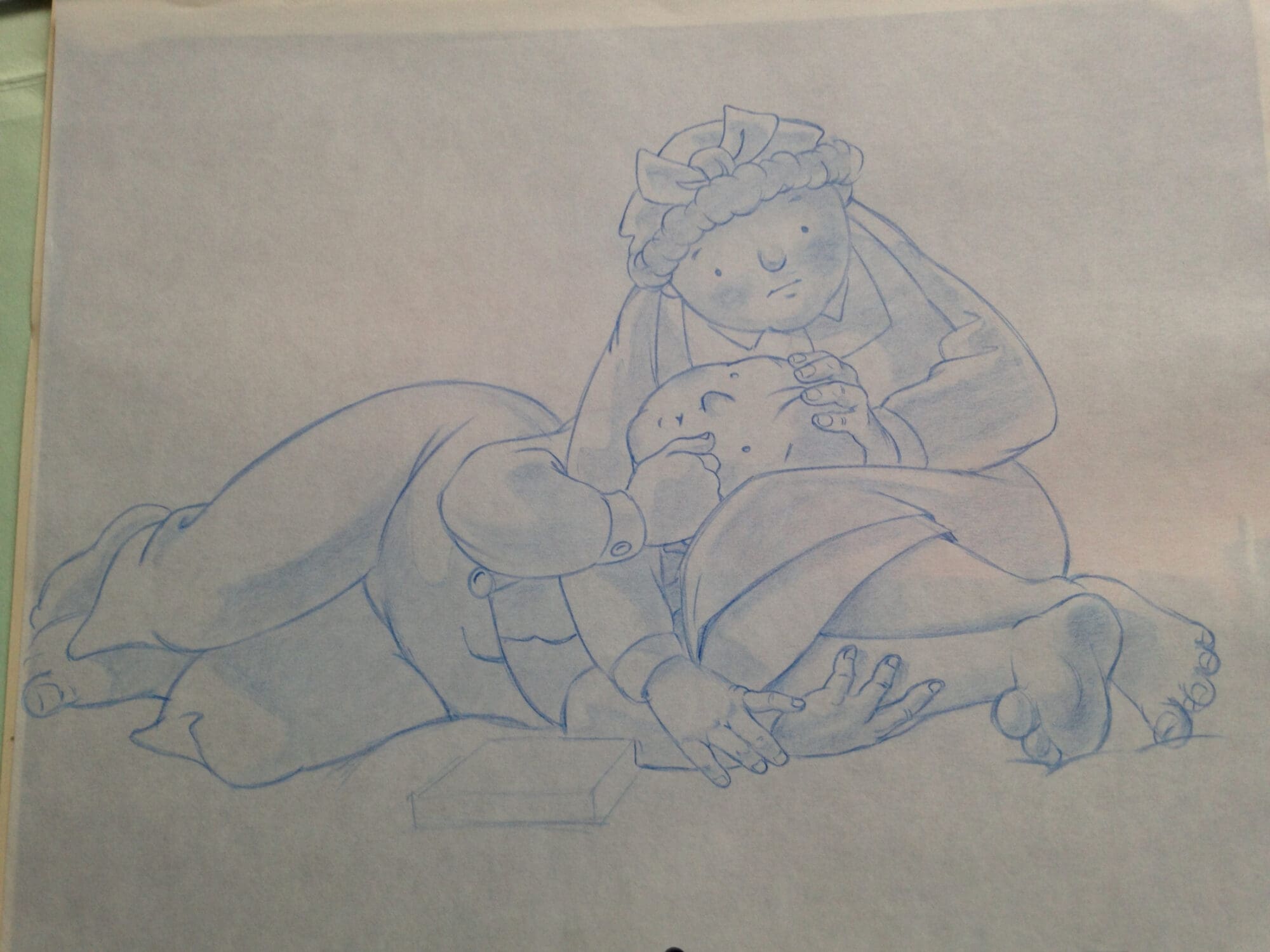
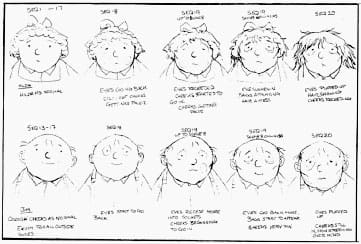
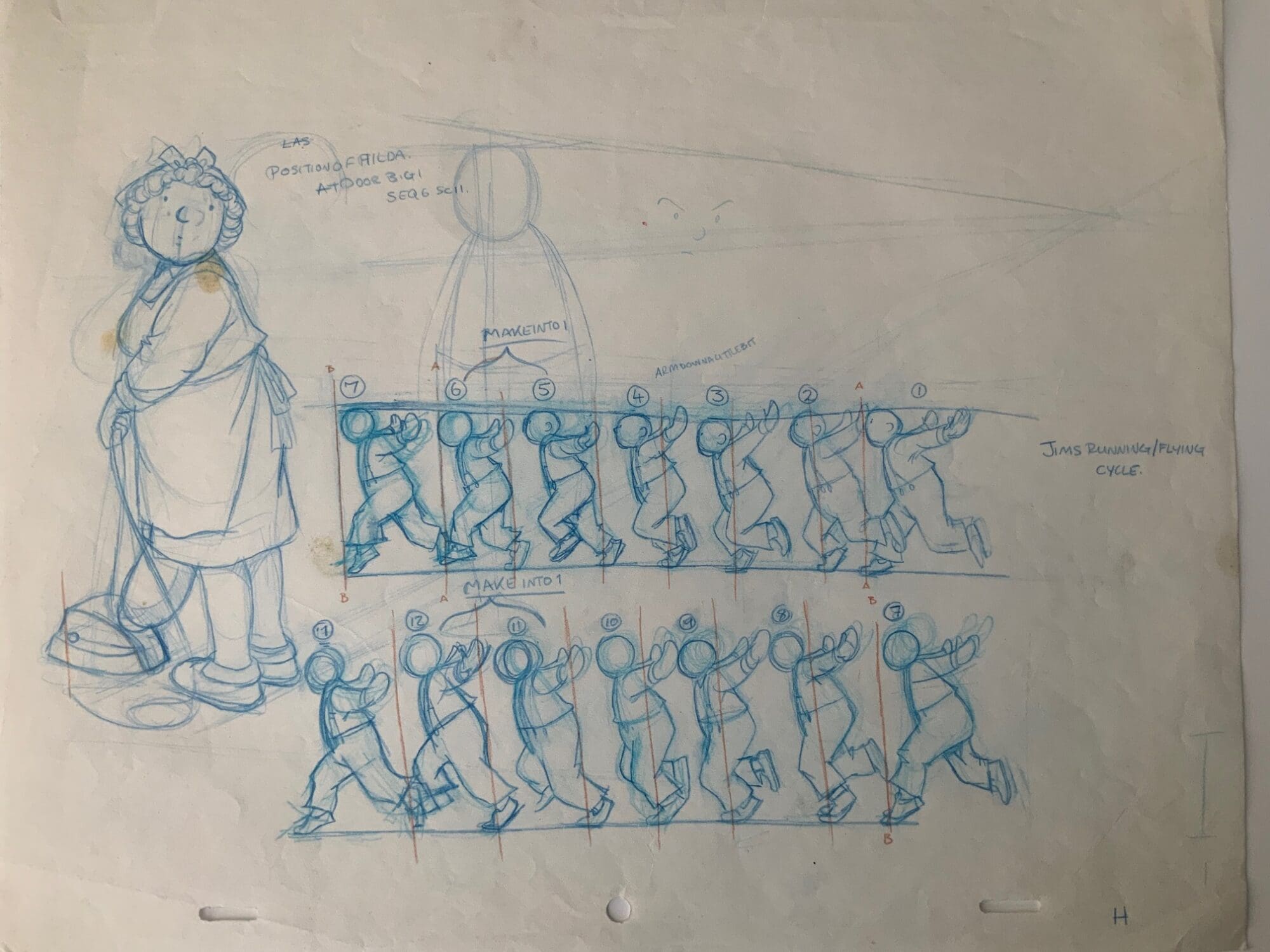
Animation Craftsmanship: Every frame of Jim and Hilda was drawn and inked by hand. Characters were primarily animated "on twos" (one drawing for every two frames of film), while pans and camera moves required "on ones" animation to prevent visual strobing.
International Talent Pool: TVC relied heavily on a roster of elite international artists, particularly from Canada (such as Bill Speers) and Australia (such as John McGuire), alongside legendary British animators like Harold Whitaker, Tony Guy, Dave Unwin, and Roger Mainwood.
The Bomb Sequence: Animator Stephen Weston constructed physical plastic models of the nuclear blast effects and military hardware. To achieve the terrifying texture of the atomic shockwave, artists shaded drawings on paper, Xeroxed them onto cels, and physically distressed the surfaces using dishwashing scrubbers like Brillo pads to simulate thermal destruction and radioactive chaos.
Official Responses and Crew Reflections
Reflecting on the production four decades later, members of the TVC crew offer a vivid picture of a studio defined by intense camaraderie, artistic risk-taking, and unique working conditions.
Richard Fawdry, who served across multiple departments as an animation designer, layout artist, storyboard artist, and co-art director, highlights Murakami’s unique directorial style:
"Out of all the directors I’ve worked with, he was the most enterprising with all the different techniques that he came up with for the film. He was very easygoing, but he knew what he wanted. He was in control all the time. And he was quite firm."
Paul Donnellon, who transitioned from an unpaid student assistant in Dublin to working inside the bustling Soho studio, recalls the physical realities of the miniature shoots:
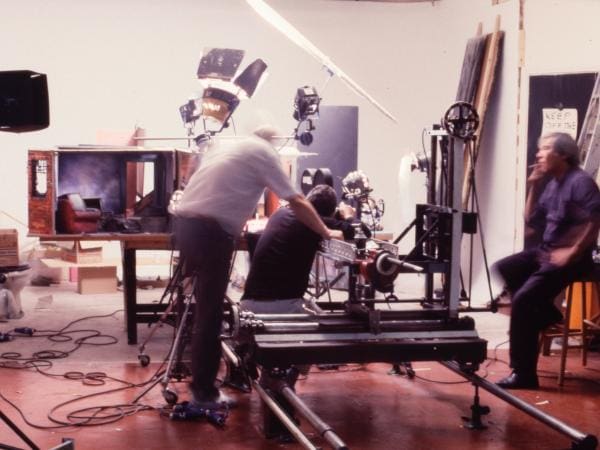
"Jimmy took me because I was his assistant. We spent ages there—10 weeks. It was interesting because they had the model on a big turntable. To get a moving shot, they rotated the set frame by frame. It wasn’t motion control. It was an ancient hybrid Bell/Mitchell camera from 1916."
In an exclusive sidebar reflection, long-time TVC in-house editor Taylor Grant contextualized the studio’s unique place in British film history:
"TVC was the creative hub of the animation industry in London for nearly four decades… It functioned as a significant cultural node within an expanding network of just about anyone in the business of film production at a time that predated the mouse and keyboard—all before closing time on the last years of the ‘golden age of handmade British animation.’"
Grant also noted producer John Coates’ unwavering commitment to the project’s political neutrality:
"To John’s credit, he remained politically neutral throughout, claiming the film—faithful to Briggs’ book—didn’t need to be associated with any one organization. I thought that was particularly representative of his true charismatic character…"
Implications: Relevance in a Modern Era
As When the Wind Blows reaches its 40th anniversary, its underlying themes resonate with unsettling relevance. Upon its release, the film faced occasional protests from audiences misinterpreting its anti-war message or grappling with the genuine terror of nuclear escalation. Yet, as crew members point out, the story was never intended as a partisan tract; rather, it functioned as an unvarnished examination of humanity caught in the machinery of statecraft.
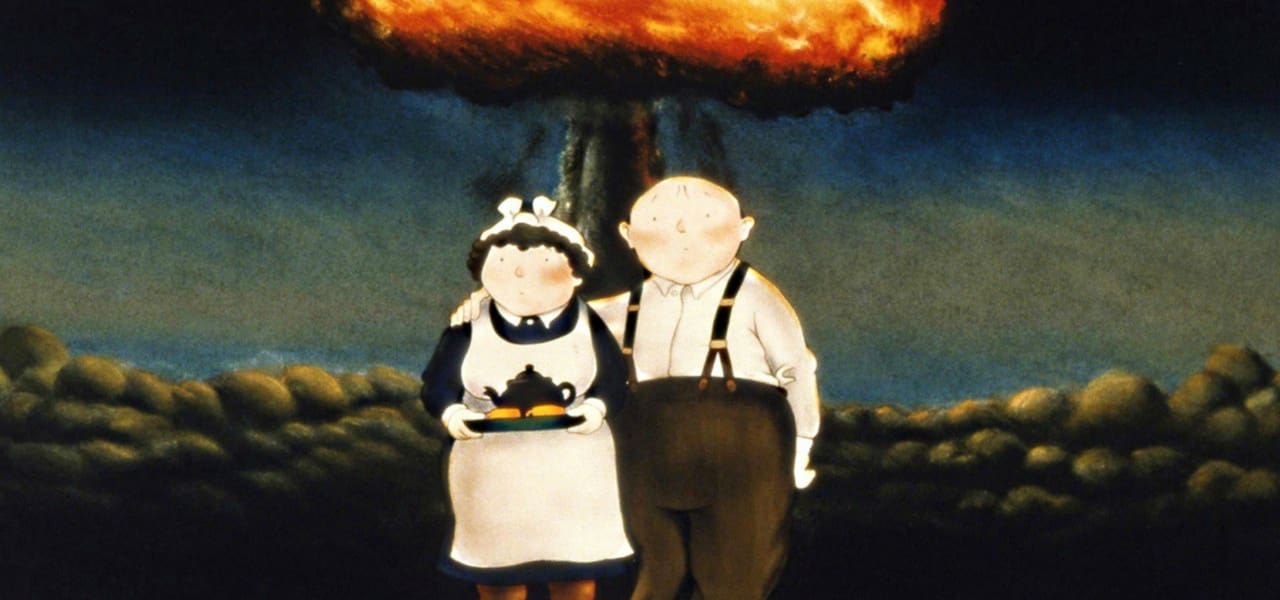
In an era marked by renewed international conflicts and renewed anxieties regarding nuclear arsenals, the tragedy of Jim and Hilda Bloggs—innocent, trusting citizens making cups of tea while atomic fallout silently sweeps across the British countryside—serves as a poignant reminder of the fragility of human civilization. Preserved today on physical media by the British Film Institute (BFI), When the Wind Blows stands as an enduring monument to the golden age of British hand-drawn animation and a stark artistic caution that must never be forgotten.