
The Anatomy of a Tragedy: Why Netflix’s ‘The Crash’ Has Captivated and Horrified Audiences
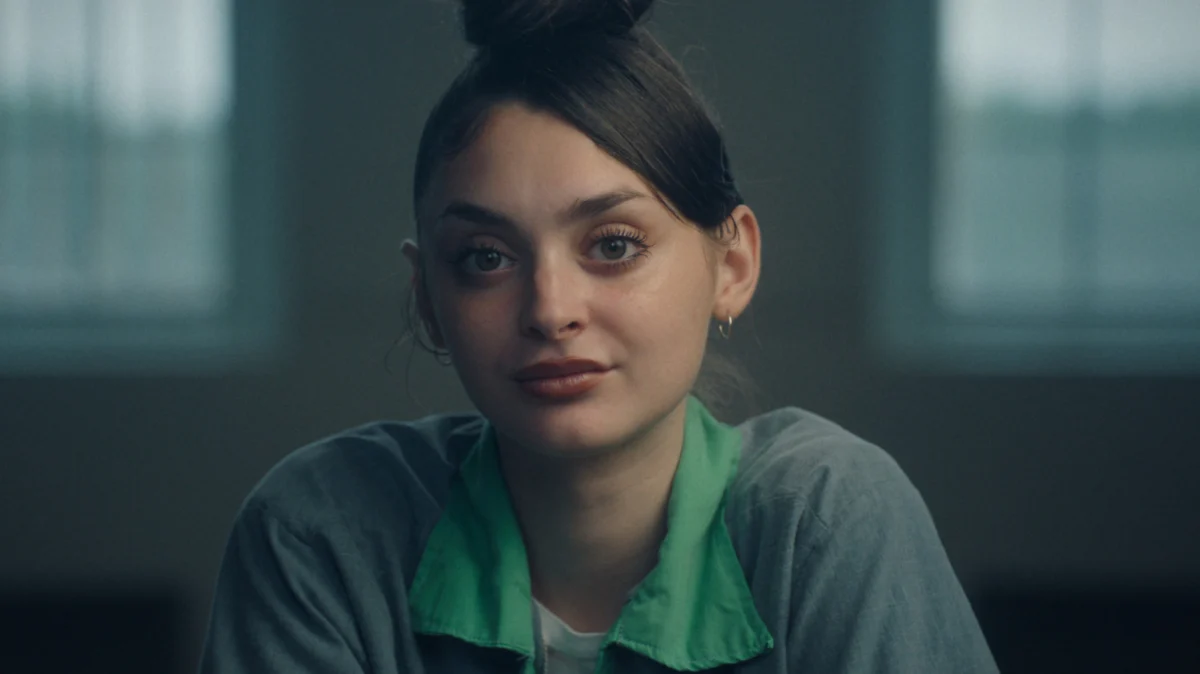
In the crowded landscape of streaming true crime, few documentaries have managed to elicit the visceral, collective recoil triggered by Netflix’s 2026 release, The Crash. The film chronicles the harrowing 2022 vehicular homicide case involving Mackenzie Shirilla, whose actions on a quiet Ohio morning resulted in the deaths of her boyfriend, Dominic Russo, and their friend, Davion Flanagan. While the documentary serves as a legal autopsy of a catastrophic event, it has inadvertently sparked a national debate regarding youth accountability, the influence of social media on modern identity, and the controversial role of parental oversight in the digital age.
The Morning That Changed Everything: Main Facts
On July 30, 2022, a tranquil morning in Strongsville, Ohio, was shattered by an act of violence that defied conventional logic. Mackenzie Shirilla, then 17, was behind the wheel of her vehicle, carrying passengers Dominic Russo and Davion Flanagan. Following an evening of social activities, the car accelerated to over 100 miles per hour before slamming directly into a brick wall.
The physical aftermath was absolute. Russo and Flanagan were pronounced dead at the scene. Shirilla, miraculously surviving the high-velocity impact, sustained significant injuries. What followed was not merely an investigation into a traffic accident, but a forensic dive into the intent behind the acceleration. Prosecutors would later argue that the crash was not an error in judgment, but a calculated execution. The documentary meticulously pieces together the final moments, relying on event data recorders (EDR) that show the car’s throttle remained depressed, with no evidence of braking—a detail that forms the chilling core of the state’s case against the driver.
A Chronology of a Calculated Act
To understand the public’s obsession with The Crash, one must look at the timeline constructed by the filmmakers.
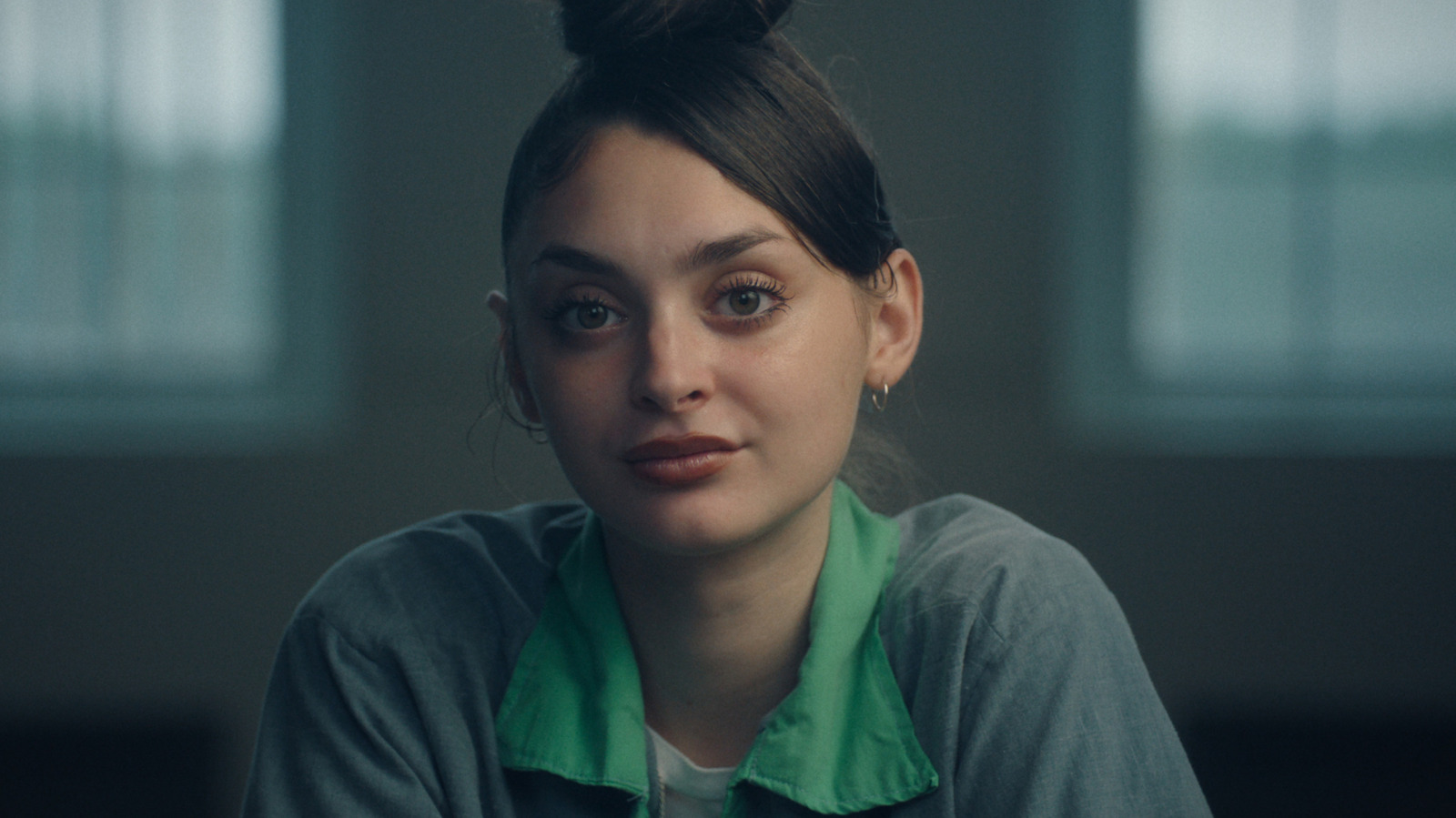
- Pre-Crash: The documentary highlights the complex, often volatile relationship between Shirilla and Russo. Through recovered social media posts and testimonials, viewers are presented with a portrait of a teenager living a life seemingly untethered from traditional supervision.
- The Incident: The film reconstructs the early morning drive. By utilizing traffic camera footage and forensic mapping, it illustrates the sheer force of the collision, stripping away any ambiguity regarding whether this was a “lapse” in driving ability.
- The Investigation: As investigators began peeling back the layers of Shirilla’s digital footprint, they discovered a pattern of behavior that pointed toward premeditation. The documentary highlights the eerie juxtaposition of her online persona—curated, polished, and seemingly unbothered—against the grim reality of the lives she had extinguished.
- The Trial: The courtroom proceedings form the second half of the documentary. It is here that the audience observes the stoicism that has led many viewers to label Shirilla a "sociopathic narcissist." Her lack of visible remorse, even while facing the gravity of her actions, became the primary catalyst for the intense online backlash the film has received.
The Role of Parental Accountability: A Societal Flashpoint
Perhaps the most polarizing element of The Crash is the focus on the parents of the accused. The documentary shifts its lens to Natalie and Nick Shirilla, whose parenting style—characterized by many viewers as profoundly permissive—has become a focal point of intense criticism.
Online discourse, particularly on platforms like Reddit and X (formerly Twitter), has dissected the Shirilla family’s decision to allow their teenage daughter to live with her boyfriend in 2021. Observers have characterized this as a "failure of duty," arguing that the vacuum of authority created an environment where the accused felt immune to consequences.
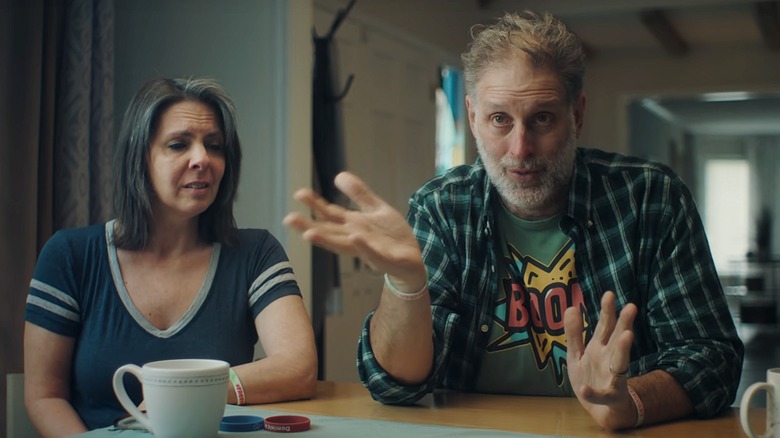
One particular moment in the film—where Nick Shirilla is seen wearing a shirt emblazoned with the word "BOOM" during an interview regarding the tragedy—has been cited by critics as a symbol of a detached, perhaps even oblivious, family dynamic. The documentary invites the viewer to ask: When a minor is granted total autonomy without the prerequisite maturity to manage it, who ultimately bears the moral burden for the outcome?
The Ethics of Modern True Crime
The Crash is not without its detractors, particularly those who argue that the genre is reaching a point of ethical exhaustion. Critics of the film have pointed to the inclusion of figures like Rosie Graham, a friend of the accused who allegedly avoided police questioning but proved willing to engage with the documentary crew. This has raised uncomfortable questions about the nature of modern media consumption: Are we watching a pursuit of justice, or are we consuming a spectacle of tragedy for entertainment?
The documentary attempts to mitigate these concerns by providing significant screen time to the families of the victims, Dominic Russo and Davion Flanagan. Their grief serves as the moral anchor of the project, providing a necessary, if devastating, contrast to the perceived hollow nature of the accused. However, the reliance on social media posts to tell the story—often posts that glorify a certain "lifestyle"—leaves the viewer feeling the "essential emptiness" mentioned by many reviewers. The documentary captures a generation whose reality is mediated through screens, even when the consequences are lethally physical.
Implications: A Warning to a Digital Generation
The lasting impact of The Crash lies in its ability to force an uncomfortable conversation about the "social media brain." The film suggests that the performance of one’s life online can create a psychological distance from reality, where actions—and their consequences—are viewed through a lens of detachment.
For the families of the victims, the documentary provides a harrowing confirmation of what they already knew: that their loved ones were taken by an act of unrepentant, cold-blooded intent. For the public, it serves as a chilling case study in what happens when the safeguards of family, society, and personal responsibility fail simultaneously.
The consensus among viewers is clear: The Crash is not an easy watch. It is an indictment of a specific brand of modern upbringing and a tragic reminder that at the end of every digital post, every "influencer" lifestyle, and every unchecked teenage whim, there is the potential for irreversible destruction. As the series continues to dominate streaming charts, it remains a grim monument to a life, and two deaths, that have left a community in Ohio—and a global audience—grappling with the question of whether some crimes are simply beyond the possibility of redemption.
Whether or not the documentary succeeds as a piece of investigative journalism is perhaps less important than the conversation it has ignited. By stripping away the gloss of social media and exposing the raw, ugly truth of the crash site, the film has performed a necessary service: it has made the invisible consequences of reckless, self-centered behavior impossible to look away from.
