
Rewind, Play, Repeat: Why 1990s Cinema Remains the Ultimate Era of Endless Rewatchability
LOS ANGELES — For generations of film enthusiasts, the 1990s occupy a mythical, almost untouchable space in cinematic history. It was a decade of high-stakes creative gambles by major studios, a booming independent film renaissance spearheaded by visionary auteurs, and a time when mid-budget adult dramas, gritty crime thrillers, and ambitious blockbusters coexisted in a harmonious ecosystem.
Unlike the IP-driven, homogenized landscape of modern blockbusters, the ’90s were characterized by a willingness to embrace renegade voices and push the cultural medium forward. As streaming algorithms and on-demand platforms continue to reshape how audiences consume content, a definitive retrospective of the era’s most rewatchable films highlights 10 masterpieces that have permanently anchored themselves in popular culture.
Main Facts: The Anatomy of a ’90s Rewatchable
What makes a movie infinitely rewatchable? It is rarely just about box-office triumph. While some of the era’s most durable titles were instant blockbusters, others were slow-burn critical darlings, and many forged their enduring legacies in the crucible of late-night cable syndication.
From the precise blend of practical animatronics and digital wizardry in Jurassic Park to the breathless, kinetic energy of Martin Scorsese’s Goodfellas, these films share a common DNA: peerless direction, unforgettable dialogue, and a distinct aesthetic that rewards audiences upon repeat viewing. Whether encountered on a Saturday afternoon movie channel marathon or streamed in high definition, these 10 titles represent the pinnacle of cinematic endurance.
Chronological Evolution of a Golden Decade
To understand the trajectory of ’90s cinema is to watch the industry transition from analog craftsmanship to digital innovation, all while maintaining a deeply human narrative core.
1990: The Mob Masterpiece Sets the Standard
The decade of cinematic gold effectively kicked off with Martin Scorsese’s "Goodfellas". Adapted from Nicholas Pileggi’s nonfiction book Wiseguy, the film combined Scorsese’s signature restless camera movements, propulsive editing, and iconic needle drops into a wholly new cinematic language. Starring Ray Liotta as mobster-turned-informant Henry Hill alongside Robert De Niro and an Oscar-winning Joe Pesci, Goodfellas captured the dangerous seduction of the mob life with clear-eyed precision. Its influence can be felt everywhere from The Sopranos to decades of subsequent crime dramas.
1993: Dinosaurs Roam the Earth
Steven Spielberg forever altered the blockbuster landscape with "Jurassic Park". By seamlessly fusing Stan Winston’s full-scale animatronics with Industrial Light & Magic’s nascent CGI, Spielberg created a visual effects landmark. Anchored by Sam Neill, Laura Dern, Jeff Goldblum, and Richard Attenborough, the film expertly balanced breathless wonder with genuine, heart-pounding dread, cementing its status as the definitive creature feature.
1994: Prison Walls and Timeless Hopes
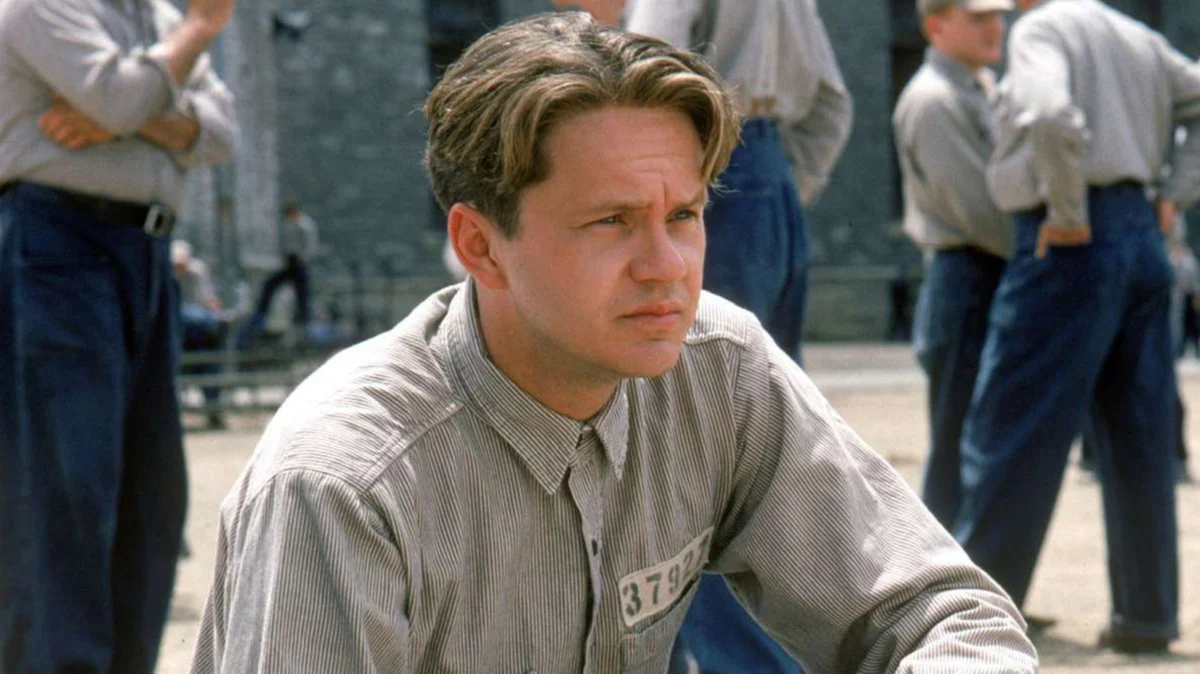
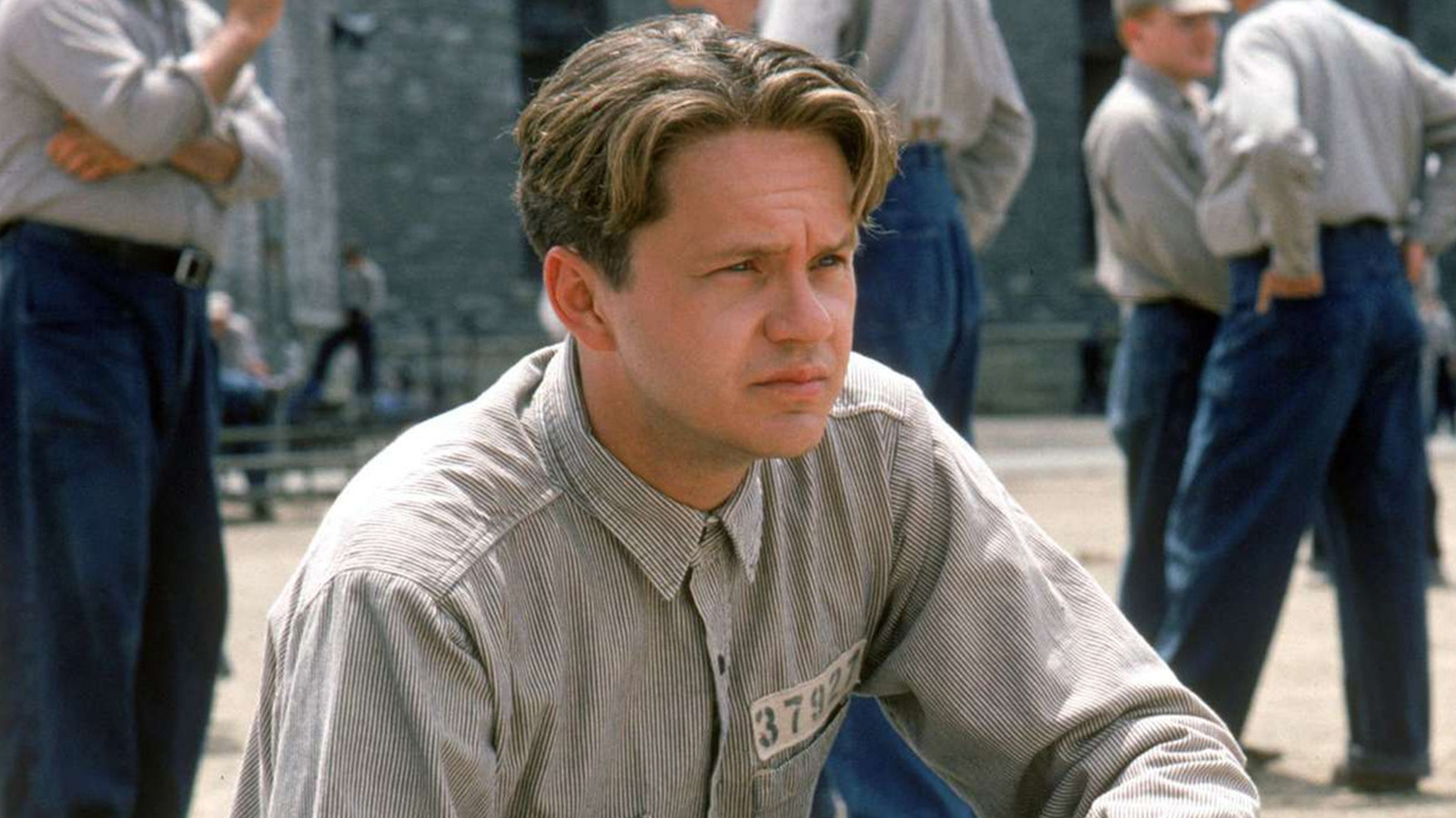
Frank Darabont’s "The Shawshank Redemption" initially arrived as a box-office non-event, buried during an awards season dominated by Forrest Gump and Pulp Fiction. However, buoyed by endless cable rotations on networks like TNT and powerful performances by Tim Robbins and Morgan Freeman, the adaptation of Stephen King’s novella found a second life. Today, it famously commands the top spot on IMDb’s user-voted top 250 movies, proving that true resonance outlasts opening weekend box office.
1995: High School Hierarchies and Espionage Thrills
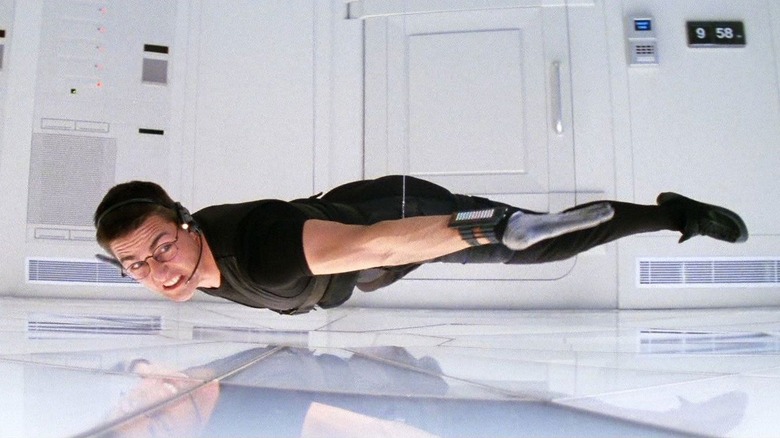
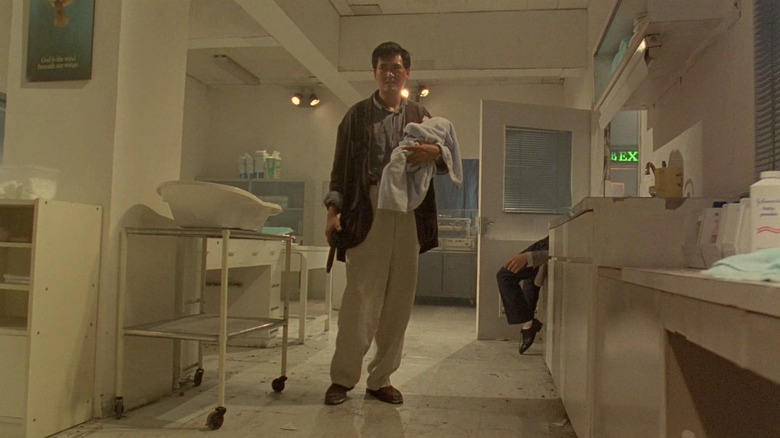
The mid-decade brought stylistic diversity with Amy Heckerling’s "Clueless", a brilliant modernization of Jane Austen’s Emma set in Beverly Hills. Alicia Silverstone’s iconic turn as Cher Horowitz instantly enriched pop culture lexicon with phrases like "As if!" Alongside it, Brian De Palma kicked off a blockbuster powerhouse with "Mission: Impossible", casting Tom Cruise as IMF agent Ethan Hunt in a grounded, visually flashy espionage pulp that laid the groundwork for decades of jaw-dropping stunt work.
1996–1997: Stop-Motion Magic and Disco Decadence
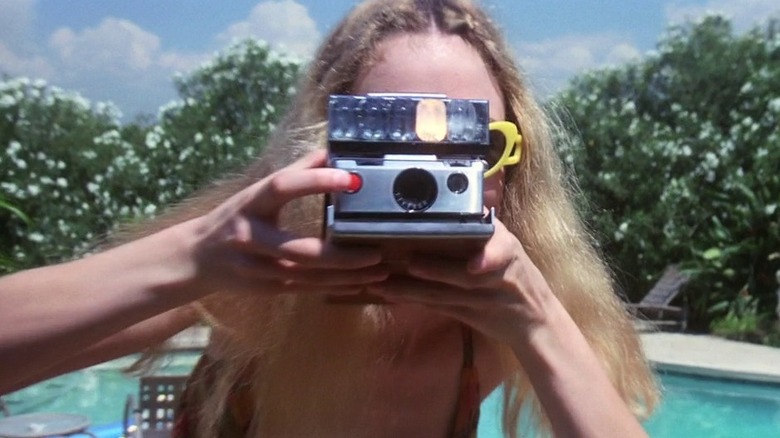
Henry Selick’s painstaking stop-motion animation in "The Nightmare Before Christmas" (1993/96) established a rare two-season perennial, functioning equally as a Halloween staple and Christmas classic. Meanwhile, Paul Thomas Anderson announced himself as a major American filmmaker with "Boogie Nights" (1997). Spanning the disco highs of the late ’70s and the cocaine-fueled paranoia of the early ’80s, Anderson’s multi-character epic earned Burt Reynolds a career-resurrecting Oscar nomination.
1999: Bending Reality and Toy Chests
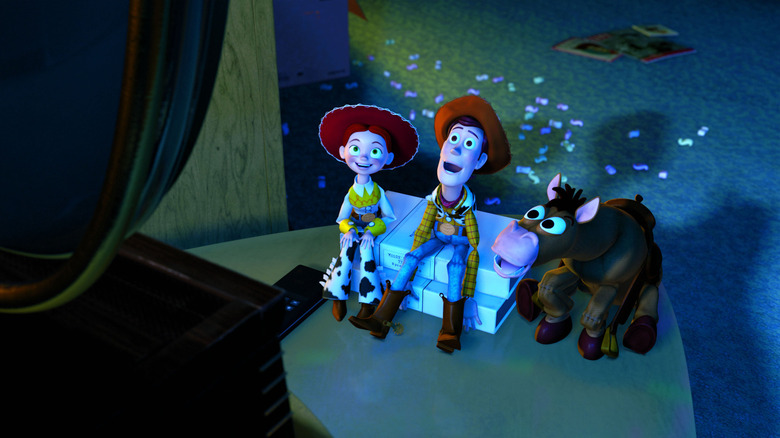
The decade closed out with a seismic shift in visual effects and philosophy. Pixar’s "Toy Story 2" miraculously survived a chaotic production to surpass its predecessor, offering a poignant, existential meditation on grief and obsolescence through the voices of Tom Hanks and Joan Cusack. Simultaneously, Lana and Lilly Wachowski’s "The Matrix" introduced "bullet time," blending cyberpunk anime and Hong Kong wire-fu into a cultural phenomenon that fundamentally altered action filmmaking forever.
Supporting Data: Critical Acclaim and Cultural Footprint
The enduring power of these 10 films is reflected not just in cultural sentiment, but in hard metrics:

- Academy Recognition: Titles like Goodfellas, The Shawshank Redemption, Jurassic Park, and Boogie Nights racked up dozens of Oscar nominations and wins across technical and major acting categories.
- Box Office and Beyond: While Jurassic Park and The Matrix broke box-office records (grossing nearly half a billion dollars for the latter), others like The Shawshank Redemption built their empires entirely on post-theatrical longevity.
- Merchandising and Franchising: The Nightmare Before Christmas and Toy Story 2 spawned massive, multi-generational merchandising empires and forever altered how studios approach sequels and holiday marketing.
Official Responses and Industry Reflections
Industry veterans and filmmakers have frequently reflected on the unique economic and creative climate of the 1990s. Studio executives from the era note a distinct appetite for mid-budget adult storytelling—a category that has largely vanished from modern theatrical slates in favor of multi-hundred-million-dollar superhero franchises.
Directors like Martin Scorsese, Paul Thomas Anderson, and Steven Spielberg have continually pointed to the ’90s as a transitional bridge where traditional analog filmmaking techniques met the dawn of digital editing and computer-generated imagery. This technological cross-pollination allowed filmmakers to experiment with form in ways that had never been possible before, resulting in works that remain visually stunning decades later.
Implications for Modern Cinema
As audiences increasingly retreat to streaming libraries to rewatch familiar comfort films, the cultural dominance of ’90s cinema offers a clear lesson for contemporary Hollywood. The films that endure are those that prioritize character-driven storytelling, distinct directorial visions, and a balance between artistic ambition and commercial accessibility.
The ’90s proved that movies do not need to be part of a sprawling, interconnected cinematic universe to capture the public imagination. Instead, standalone masterpieces—driven by risk-taking studio leadership and uncompromising auteurs—will continue to define what it means for a film to be truly, endlessly rewatchable.
