
The Six-Hour Masterpiece: Why HBO’s Chernobyl Remains the Ultimate One-Sitting Viewing Experience
By Sean Morrison
Published October 25, 2026
Main Facts
When examining the pantheon of prestige television, HBO has long stood as an undisputed juggernaut. From the gritty mob chronicles of The Sopranos and the journalistic autopsy of urban decay in The Wire to the frontier desperation of Deadwood, the network has consistently defined the gold standard of cinematic storytelling on the small screen. Yet, even within a catalog boasting dozens of modern masterpieces, few achievements match the chilling, concentrated brilliance of the 2019 historical drama miniseries Chernobyl.
Created and written by Craig Mazin and directed by Johan Renck, Chernobyl is a harrowing, five-part dramatization of the catastrophic nuclear power plant accident that occurred in April 1986 near the city of Pripyat in the Ukrainian Soviet Socialist Republic. Comprising just six hours of television, the limited series chronicles the immediate explosion, the desperate attempts to contain the invisible and lethal radiation, the systemic governmental cover-ups, and the profound human cost borne by first responders, scientists, and ordinary citizens.
Despite dealing with an event of almost unimaginable horror—one that claimed dozens of lives in the immediate aftermath and tens of thousands more in subsequent decades due to radiation-induced illnesses—the series has earned widespread acclaim as one of the greatest television projects ever produced. It swept awards season, capturing multiple Emmy Awards and Golden Globes, and transformed a dense historical tragedy into an intensely personal, suffocatingly tense narrative.
Crucially, while its subject matter makes it emotionally heavy to digest, critics and fans alike argue that Chernobyl is uniquely structured to be consumed in a single, uninterrupted six-hour block. Rather than diluting its impact, a binge-watch format amplifies the palpable panic, technical dread, and simmering moral fury that define the production.
Chronology
To understand the unrelenting momentum of HBO’s Chernobyl, one must look at how the narrative tracks the timeline of the disaster itself. The miniseries wastes no time introducing viewers to the terrifying reality of nuclear instability.

Episode 1: The Immediate Aftermath
The series opens in the dead of night on April 26, 1986. Inside Reactor Four of the Vladimir Ilyich Lenin Nuclear Power Plant, a safety test goes catastrophically wrong. The core explodes, tearing the roof off the building and sending plumes of radioactive smoke and graphite chunks into the atmosphere. The early hours of the narrative focus on the nightshift workers and local firefighters who respond to what they initially believe is merely an electrical fire. Unaware of the invisible gamma rays chewing through their cellular structures, these men become the unwitting first casualties of a planetary crisis.
Episodes 2 & 3: Containment and the Mineral Miners
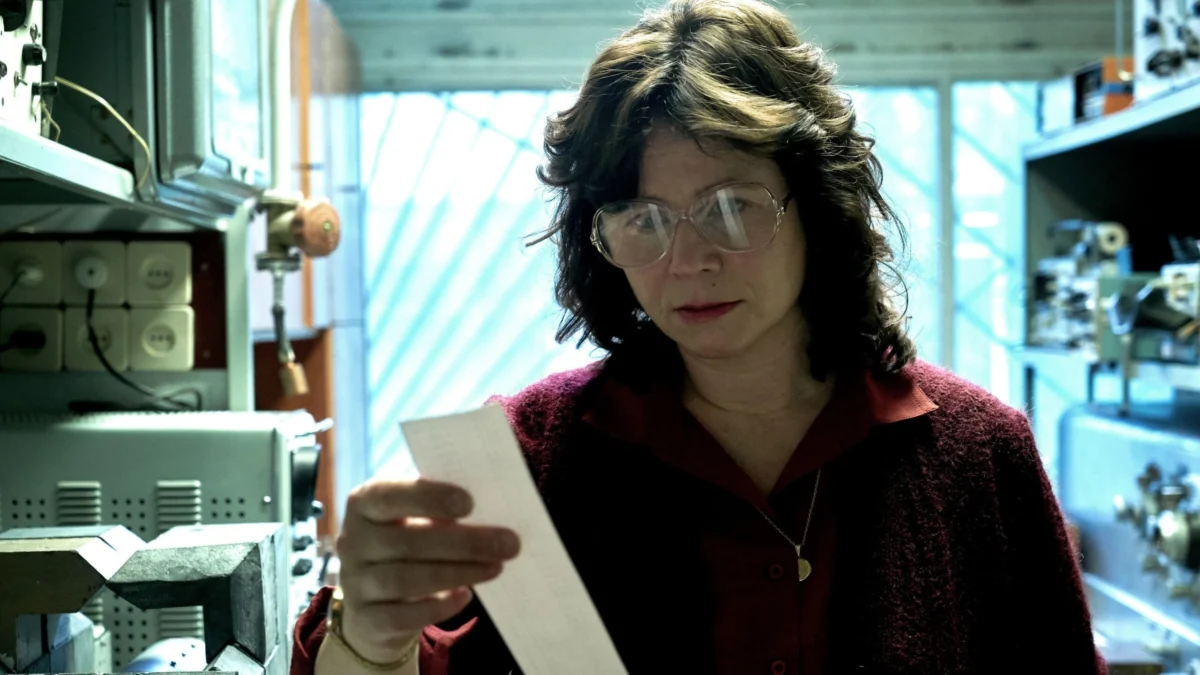
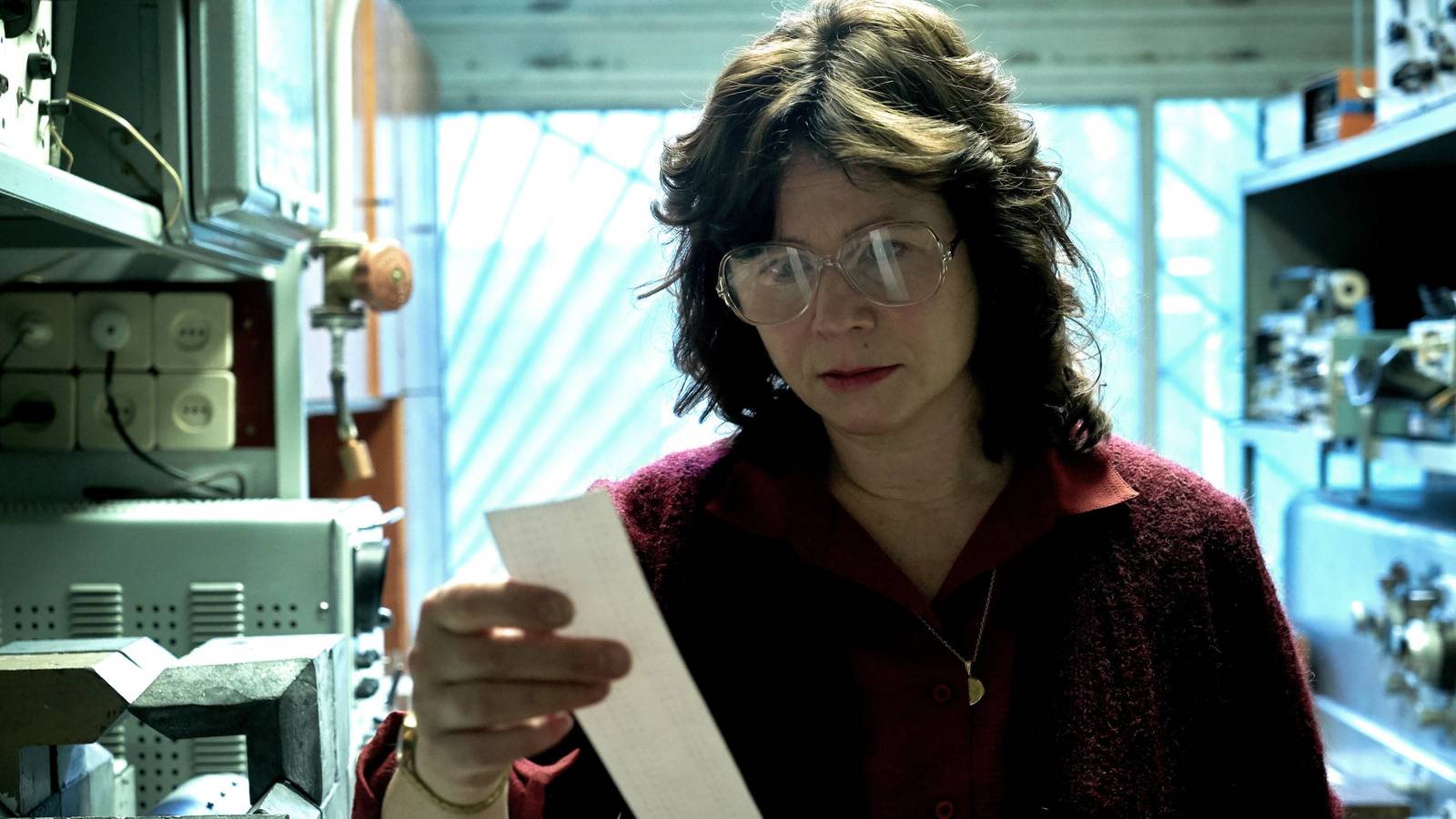
As the days progress, nuclear physicist Valery Legasov (Jared Harris) and Soviet Deputy Prime Minister Boris Shcherbina (Stellan Skarsgård) are dispatched to the site to manage the catastrophe. Alongside fictionalized nuclear physicist Ulana Khomyuk (Emily Watson), who represents the collective efforts of the scientific community, the narrative shifts into a high-stakes procedural.
The chronology moves through the agonizing mobilization of helicopter pilots dropping boron and sand, the evacuation of Pripyat’s 50,000 residents under the false premise of a temporary relocation, and the recruitment of subterranean miners forced to dig a tunnel beneath the reactor core in blistering, subterranean heat to prevent a second, civilization-ending thermal explosion.

Episodes 4 & 5: The Cleanup and the Trial
The final chapters chronicle the grim cleanup phase—the biorobots (soldiers and citizens) sent onto the roof to shovel radioactive debris—and culminate in the post-crisis political reckoning. The miniseries concludes with a dramatic courtroom trial that exposes the fatal design flaws of the Soviet RBMK reactors, the criminal negligence of plant operators, and the absolute hubris of a bureaucratic regime more concerned with saving face than saving human lives.
Supporting Data and Production Metrics
The enduring critical reputation of Chernobyl is backed by extraordinary data, both in its real-world historical accuracy and its unprecedented awards sweep.
- Run Time: Exactly 5 episodes, totaling approximately 330 to 360 minutes (roughly six hours of screen time).
- Critical Acclaim: On review aggregator Rotten Tomatoes, Chernobyl holds an exceptional critical approval rating near 95%, with universal praise directed at its production design, soundscapes, and lead performances.
- Accolades: At the 71st Primetime Emmy Awards, the miniseries received 19 nominations and secured three major wins: Outstanding Limited Series, Outstanding Directing, and Outstanding Writing. It also dominated the Golden Globe Awards, taking home Best Television Limited Series or Motion Picture Made for Television.
- Historical Fidelity: Showrunner Craig Mazin conducted extensive research, drawing heavily on Svetlana Alexievich’s oral history masterpiece Voices from Chernobyl, as well as official government reports, scientific papers, and memoirs from surviving liquidators. While creative liberties were taken—such as condensing multiple scientific figures into the singular character of Ulana Khomyuk—the depiction of radiation sickness, Soviet bureaucracy, and the technical mechanics of the RBMK reactor failure remain remarkably faithful to historical reality.
Official Responses and Industry Reception
Upon its broadcast in the spring of 2019, Chernobyl sparked global conversations regarding nuclear energy, government transparency, and the ethics of historical media.
Critical and Public Praise
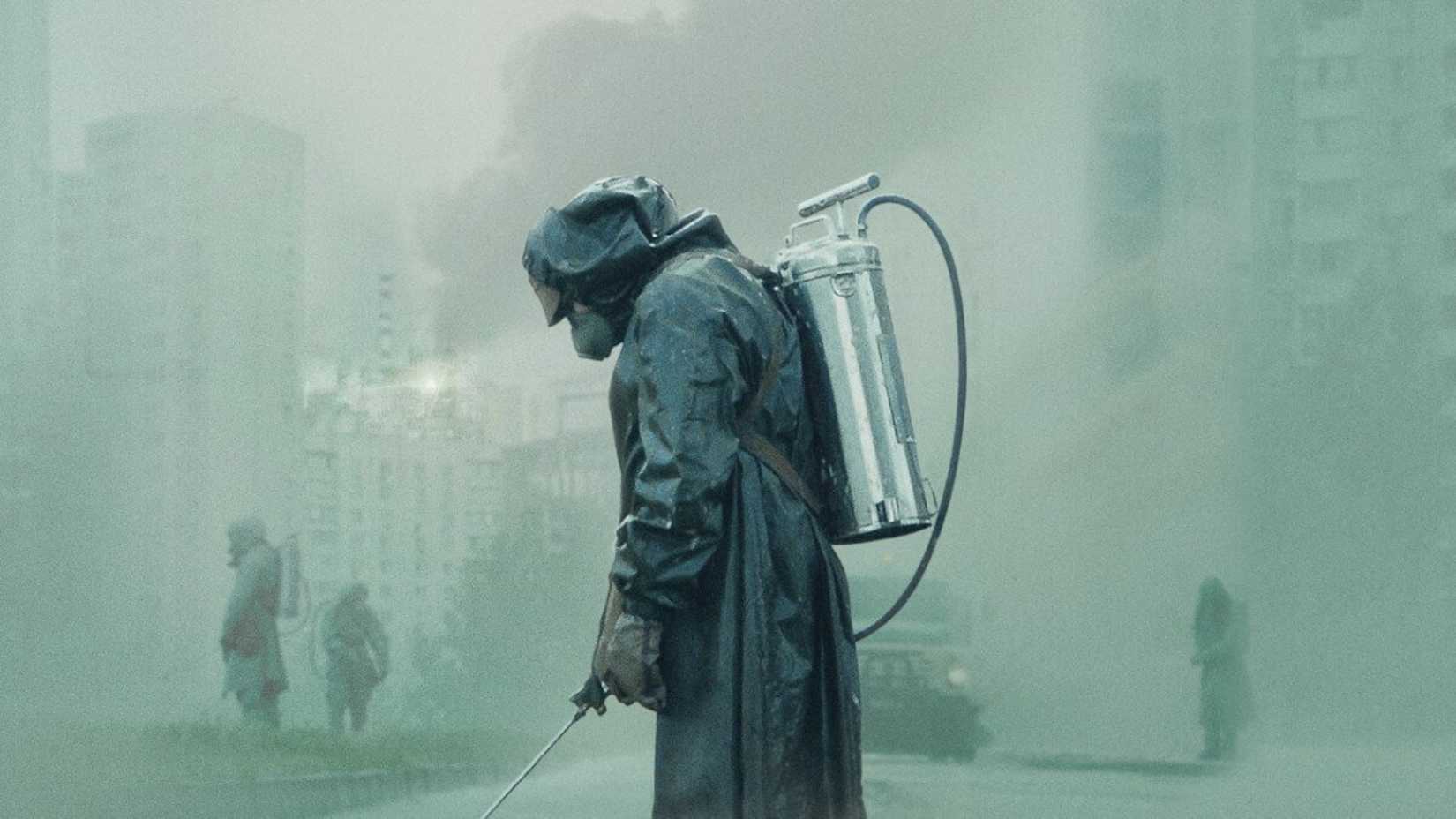
Critics hailed the series as a masterclass in atmospheric dread. The haunting sound design—featuring the continuous, menacing clicking of Geiger counters—alongside Hildur Guðnadóttir’s industrial, haunting musical score, immersed viewers directly into the invisible horror zone. Audiences praised Jared Harris and Stellan Skarsgård for their pitch-perfect chemistry, evolving from mutual distrust to a grim, heroic partnership.
Geopolitical Reactions
The series also elicited varied international governmental responses. In Russia, state-backed media outlets launched counter-campaigns attempting to discredit the series, arguing that it relied on anti-Soviet tropes and manufactured inaccuracies. Some Russian television networks even announced plans to produce their own alternate historical series blaming the CIA for the disaster.
However, international watchdogs, nuclear scientists, and post-Soviet civil rights groups overwhelmingly lauded Chernobyl for exposing institutional corruption and honoring the true heroes who sacrificed their lives to prevent a much wider European catastrophe. Real-world nuclear safety experts noted that the series successfully demystified complex nuclear physics for the general public, turning technical jargon into a visceral, understandable warning about human error and institutional denial.

Implications
While Chernobyl is ostensibly a historical piece set more than three decades ago, its implications for contemporary society remain profoundly urgent.
The Cost of Institutional Deception
At its core, Chernobyl is not merely a story about a broken machine; it is a searing indictment of a political system that prioritized ideological purity and image over truth. The iconic quote from the series—"What is the cost of lies?"—serves as a thematic anchor for the entire production. By examining how bureaucratic secrecy, suppression of dissent, and fear of accountability exacerbated a global ecological disaster, the miniseries offers a timeless warning that resonates across modern political landscapes. Whether applied to corporate negligence, public health crises, or environmental management, the lessons of Pripyat remind modern audiences that reality cannot be negotiated away by bureaucratic decree.
The Case for the One-Sitting Experience
For viewers navigating the modern landscape of streaming fatigue, Chernobyl presents a fascinating structural paradox. Because the subject matter is profoundly dark and emotionally taxing, traditional wisdom suggests spacing out the episodes over several weeks. Yet, consuming the miniseries as a six-hour, uninterrupted cinematic block offers a vastly superior viewing experience.

Binge-watching the series mirrors the unrelenting pressure-cooker environment of the crisis itself. It strips away the emotional recovery time that weekly viewing allows, forcing the audience to endure the mounting dread, the suffocating urgency of the containment efforts, and the slow-motion tragedy of radiation poisoning alongside the characters. Furthermore, watching the cover-ups, institutional blunders, and subsequent tragedies back-to-back sparks an intense, righteous fury that a staggered viewing schedule inevitably dilutes.
Ultimately, HBO’s Chernobyl stands as a monumental achievement in dramatic television. It transforms a distant historical footnote into a visceral, agonizing, and deeply human examination of catastrophe and courage. For those willing to submit to its six-hour runtime in a single sitting, it delivers an unforgettable masterclass in storytelling that lingers in the mind long after the Geiger counters finally fall silent.
