
"Jinsei": A Century-Spanning Anime That Explores the Elusive Self Through Stark Visuals and Profound Thematics
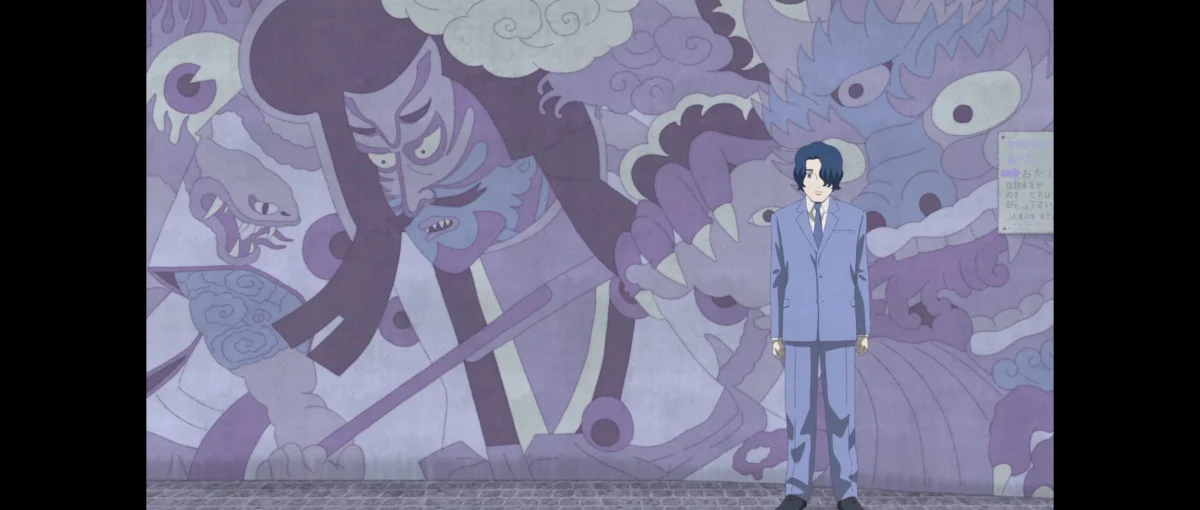
New York, NY – Ryuya Suzuki’s audacious debut feature, "Jinsei," is a cinematic odyssey that defies easy categorization. This masterful anime, chronicling the century-long life of a J-Pop idol, eschews conventional narrative and visual storytelling for a deliberately sparse yet profoundly impactful approach. From its distinctive postage-stamp aspect ratio that constricts the viewing frame to its hauntingly slow animation and predominantly grayscale palette, "Jinsei" forces the audience to confront the emptiness and artificiality that can permeate existence, particularly within the hyper-capitalist machinery of the entertainment industry. Despite its seemingly bleak presentation, the film offers a deeply philosophical exploration of identity, fame, and the lifelong quest for self-understanding, earning a commendable Grade: B+.
The Genesis of "Jinsei": A Singular Vision
"Jinsei," a term that translates to "life" in Japanese, is a testament to the singular authorship of its creator, Ryuya Suzuki. For his first feature-length film, Suzuki took on the monumental task of writing, directing, editing, and composing the score. The entire movie was painstakingly hand-drawn over a two-year period, a feat that imbues the production with an undeniable personal touch. This intimate creation process is not concealed; instead, it is embraced, with the film’s "bare bones" production value serving as a deliberate stylistic choice that complements its muted narrative. For cinephiles yearning for truly personal filmmaking, "Jinsei" offers a compelling case study of artistic vision realized against the backdrop of limited resources.
The film’s distinctive visual language immediately sets it apart. The decision to present the narrative within a constricted frame, where black bars dominate the periphery, compels the viewer’s gaze inward. This deliberate framing choice amplifies the impact of the images that do appear, making them more potent and focused. The animation itself unfolds at a deliberately slow frame rate, creating a palpable sense of temporal displacement. This sluggish rhythm suggests that the audience is observing events through a veil, missing crucial nonverbal cues and emotional nuances, mirroring the protagonist’s own detached existence. The near-monochromatic aesthetic, punctuated by the gradual introduction of desaturated colors in later acts, further underscores a world where genuine joy seems to be a distant, almost forgotten memory, replaced by synthetic attempts at happiness.
A Chronology of Identity: From Boy to Idol and Beyond

"Jinsei" unfolds over ten chapters, charting the tumultuous century-long journey of a protagonist whose identity is as fluid and undefined as the shifting sands of time. While the film thrives on its enigmatic nature and is best experienced with minimal spoilers, its core narrative can be understood as the trajectory of a boy’s transformation into an idol. We are first introduced to our protagonist, voiced by Japanese rapper Ace Cool, as a child grappling with profound loss. The death of his mother leaves him in the care of an ill-equipped father, a formative trauma that casts a long shadow over his life.
His entry into the music industry marks the beginning of a complex and often disorienting ascent. As part of the boy band Zinroku, he becomes a pawn in the hands of callous record executives. Their relentless pursuit is not of artistic integrity, but of molding his image into an inoffensively charismatic commodity, destined for mass consumption and integration into various forms of "mindless entertainment." This early chapter sets the stage for a narrative that spirals into increasingly bizarre and thought-provoking territory. As the film progresses, and the hyper-capitalist world teeters on the brink of collapse, the definition of "idol" expands and morphs, acquiring multiple, often unsettling, meanings.
The film’s deliberate avoidance of terms like "singer" or "pop star" in favor of "idol" is a critical thematic choice. It implies that music is merely a facet of a much larger, almost divine, persona that the nation is expected to worship. "Jinsei" masterfully juxtaposes the dazzling allure of fame with the protagonist’s inherent passivity. He appears to ascend through the ranks of celebrity not through ambition or agency, but simply because those around him dictate his path. This ingrained habit of following directives renders him a nationally beloved figure on talk shows, yet utterly incapable of expressing an original thought without a pre-written script. "Jinsei" is not the first film to critique the superficiality of the music industry, but it uniquely leverages these familiar tropes to illuminate the profound internal void of a character who never truly discovers his own identity.
Supporting Data: Visual Storytelling as a Mirror to the Soul
The visual language of "Jinsei" serves as more than mere aesthetic; it is a crucial narrative device that mirrors the protagonist’s internal state.

- The Postage Stamp Aspect Ratio: This deliberate framing choice, which blacks out all four sides of the screen, creates a sense of confinement and introspection. It forces the audience to focus intently on the limited visual information presented, mirroring the protagonist’s own limited perspective and his struggle to perceive the wider world. It suggests a life lived within tightly controlled parameters, both externally imposed and internally accepted.
- Slow Frame Rate Animation: The animation’s deliberately slow pace evokes a feeling of detachment and temporal distortion. It suggests a life that is being observed rather than fully lived, where moments are stretched and the immediate emotional impact is diffused. This slow burn can also be interpreted as a reflection of the protagonist’s own delayed emotional processing and his struggle to connect with the present.
- Monochromatic Palette: The pervasive use of shades of gray, even as color is gradually introduced, establishes a mood of pervasive ennui and artificiality. The colors, when they appear, are desaturated and muted, suggesting a world that has lost its vibrancy and where genuine emotion has been replaced by manufactured experiences. This visual austerity underscores the hollowness of the entertainment industry and the emotional emptiness of the protagonist’s life.
- Abstracted Environments: While not explicitly detailed in the provided text, the visual style likely employs abstracted or minimalist backgrounds. This artistic choice further emphasizes the focus on the characters and their internal struggles, while also reflecting the manufactured nature of the entertainment world, where elaborate sets can often mask a lack of genuine substance.
These visual elements work in concert to create an immersive and thought-provoking experience. They are not merely decorative but integral to the film’s thematic exploration of identity, artificiality, and the human condition.
Official Responses and Critical Acclaim
While specific official responses from distributors or awards bodies are not detailed in the provided excerpt, the critical reception, as indicated by the B+ grade and the enthusiastic language used by the reviewer, suggests strong positive engagement. The article highlights "Jinsei" as a "masterful anime" and praises Suzuki’s "singular authorship." The reviewer emphasizes that the film "makes it impossible to ignore how little it shows you," a testament to its deliberate and effective artistic choices. The description of the film as "unclassifiable" and a blend of "commentary on the artificiality of the Asian music industry" and a "study of how the tragedies from early in our lives never stop following us" indicates that critics are recognizing the film’s ambitious thematic scope.
The article also points to the film’s theatrical release strategy, noting that it is "now playing in New York City, with expansion to follow" via Greenwich Entertainment. This suggests a strategic rollout aimed at art-house and discerning cinema audiences who are likely to appreciate the film’s unconventional nature. The recommendation to subscribe to IndieWire’s "In Review" newsletter, featuring Chief Film Critic David Ehrlich, further positions "Jinsei" as a film worthy of in-depth critical discussion and analysis.
Implications: The Universal Quest for Self in a Fragmented World

"Jinsei" transcends its specific narrative and cultural context to touch upon universal truths about the human experience. The film posits that even within a century-long existence, filled with extraordinary events like human-robot relations, individuals are essentially carrying their formative experiences with them. The multitude of roles we play, often perceived differently by others, can obscure the core self. The ultimate "metaphysical task" of a lifetime, as suggested by the film, is the arduous process of integrating these fragmented selves into a cohesive whole before mortality intervenes.
Suzuki’s graceful handling of his protagonist’s spiritual journey, particularly in navigating the complexities of identity and fame, is a significant achievement. The film’s power lies not in providing easy answers, but in posing profound questions about what it means to truly know oneself in a world that often prioritizes external validation and manufactured personas. "Jinsei" is a poignant reminder that beneath the glitz and the glamour, or indeed any facade, lies a fundamental human yearning for authenticity and self-understanding. Its artistic boldness and thematic depth make it a compelling and essential watch for anyone seeking cinema that challenges, provokes, and ultimately, resonates on a deeply human level.
