
Stepping Back Behind the Mask: An In-Depth Interview with Slasher Veteran Jack Norman on The Boy from Below
Main Facts
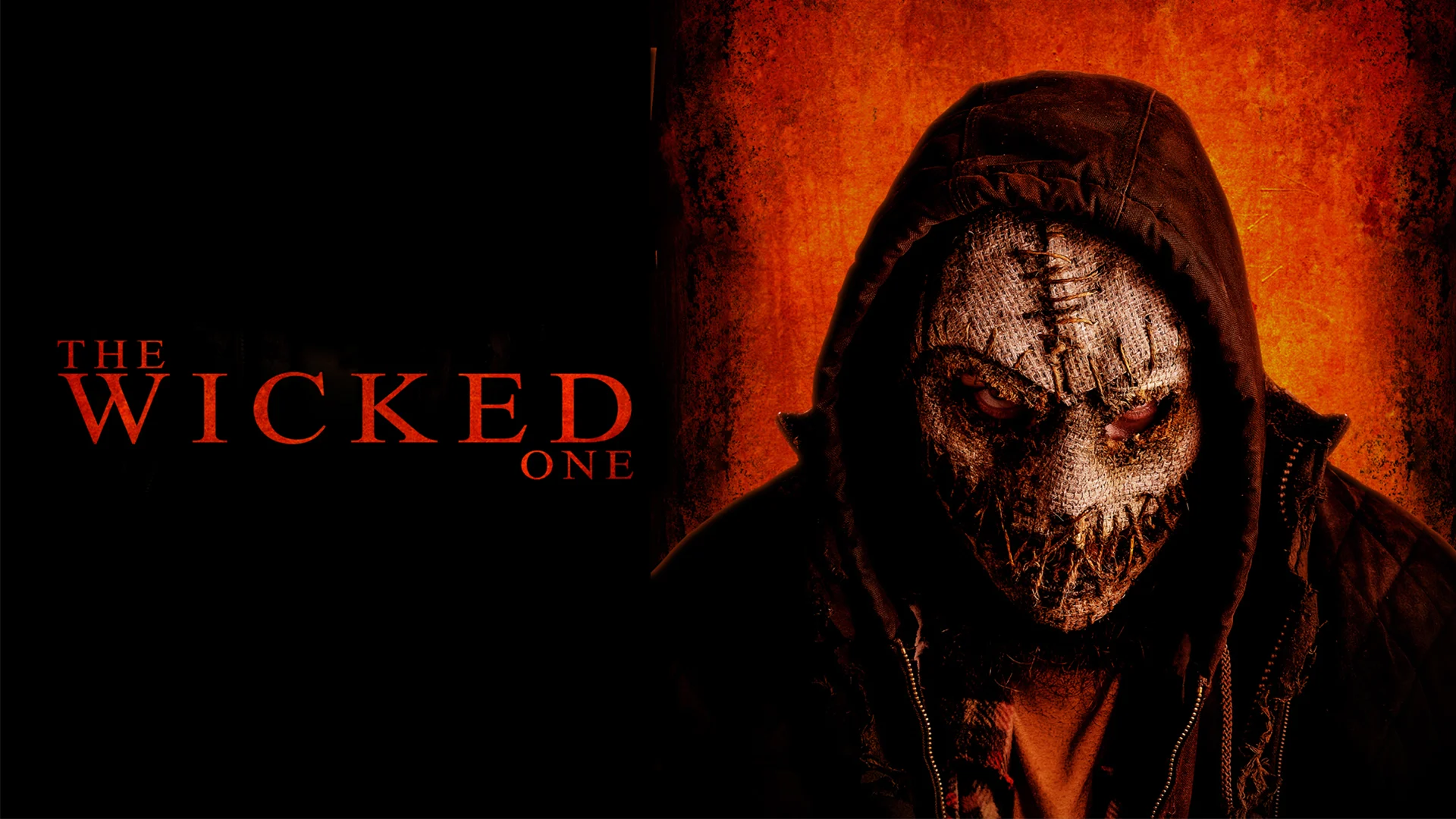
For horror fans, the silhouette of a masked killer stepping out of the shadows is the ultimate cinematic thrill. For actor Jack Norman, bringing those nightmares to life is simply second nature. Having previously stepped into the heavy boots and iconic masks of legendary slasher icons Michael Myers and Jason Voorhees, Norman has firmly cemented himself in modern horror history. However, his most personal and fiercely guarded role is that of "The Boy," the terrifying antagonist of Tory Jones’s cinematic universe.
Nearly a decade after first donning the burlap-and-paint aesthetic in 2017’s The Wicked One, Norman has reprised his breakout role in the bigger, bloodier, and critically discussed 2026 release, The Boy from Below. Released on major VOD platforms including Amazon Prime, Apple TV, Fandango, Google Play, and YouTube, the film elevates the indie slasher formula into a sprawling, nostalgic nightmare.

In an exclusive interview with iHorror, Norman opens up about the evolution of his signature character, the massive scale up from his indie origins, working alongside horror royalty like Felissa Rose and Dee Wallace, and the legendary genre actors who shaped his physical performance style.
Chronology: From Indie Origins to a Ten-Year Legacy
The journey of The Boy from Below spans nearly ten years, tracing a path from modest independent roots to a fully realized, professionally designed feature film.

In 2017, director and writer Tory Jones teamed up with a fresh-faced Jack Norman to unleash The Wicked One. At the time, Norman was cutting his teeth on film sets, stepping into the demanding physical role of a masked killer for the very first time. Despite the typical hurdles faced by low-budget indie productions—ranging from strict financial limitations to the natural anxieties of a newcomer wondering if he could pull off a compelling on-screen presence—the film struck a chord with slasher purists and established Norman in the indie horror circuit.
Fast forward to the mid-2020s, when the long-awaited greenlight for The Boy from Below finally arrived. Unlike the tight-fisted, seat-of-our-pants logistics of the original production, the new film benefited from robust financial backing, expanded crew sizes, elaborate set designs, and a refined wardrobe. The transition from The Wicked One (2017) to The Boy from Below (2026) represents a masterclass in indie horror escalation: retaining the gritty, visceral soul of the original while executing it with the polish and resources of a modern genre release.

Supporting Data & Production Insights: Building a Modern Slasher Icon
When Tory Jones first pitched the continuation of the franchise, Norman had clear boundaries about what he wanted to see on screen. Rejecting the cluttered tropes of modern slashers that rely on an overabundance of killers, Norman emphasized a focused, menacing narrative centered firmly around his character.
Stepping Up the Production Value
The differences between the two sets were night and day, according to Norman. While the original film was defined by first-time jitters and a steep learning curve, The Boy from Below offered a supportive, highly professional environment from day one.

"On the original, it was my first time doing any acting or masked killer stuff really on film, ya know? So there was definitely the question if I would be good or not, so I was nervous on that set. But on this one I wasn’t at all… I felt loved by the end of the first film, but on this set I felt loved the whole time."
Unmasking the Killer
One of the most notable narrative and visual choices in The Boy from Below involves the removal of the killer’s mask during select sequences. While unmasking a slasher can often deflate their mystique, Norman and Jones handled the creative choice deliberately. Norman notes that the unmasked scenes effectively bridge the narrative gap, revealing the younger version of the character—played by Jace Carson—whose face paint has been distorted by sweat and time. With his longer hair and weathered appearance, these unmasked moments humanize the monster without stripping away his terror.

Collaborating with Legends
The production also served as a meeting ground for horror history, casting cult-classic icons Felissa Rose (Sleepaway Camp) and Dee Wallace (E.T., The Howling). Working alongside such veterans left an indelible mark on Norman. He fondly recalls filming a chaotic, practical-effects-heavy bottle scene with Rose, praising her infectious joy and wealth of experience.
Furthermore, Norman noted the poetic nature of sharing a production credit with Tommy Lee Wallace—one of the foundational creative minds behind John Carpenter’s original Halloween and the designer of the iconic Michael Myers mask.

Discussing Dee Wallace’s emotionally devastating death scene, Norman highlighted the grueling physical and emotional demands of the shoot. While actors like Spooky Spring brought raw emotional weight to the tragic sequence, Norman had to maintain the stark, chilling detachment required of a ruthless slasher.
Official Responses: Influences, Eras, and Nostalgia
To construct a truly terrifying physical performance, an actor must study the masters who came before them. Norman’s approach to playing "The Boy" is deeply rooted in cinematic horror history, drawing inspiration from the titans of the genre.

The Pantheon of Masked Killers
Norman’s lifelong obsession with horror began in 1996 when his mother rented Halloween 6. The franchise became a cornerstone of his life—so much so that he met the mother of his children through a mutual love of the series, eventually naming their daughter Laurie.
When developing his physicality as a killer, Norman studied specific legendary performances:

- Richard Brooker (Friday the 13th Part 3): Norman extensively analyzed Brooker’s precise movements, cementing him as his favorite actor to play Jason Voorhees.
- Tyler Mane (Halloween 2007): Capitalizing on his own height, Norman looked up to Mane’s imposing stature. Norman even worked as a crew member on some of Mane’s subsequent projects, playing a Sasquatch opposite Mane.
- Kane Hodder: Celebrated for the palpable emotion and calculated movements Hodder brought to both the Friday the 13th franchise and the Victor Crowley films.
- James Jude Courtney: Having worked as a production assistant on Halloween Kills, Norman watched Courtney’s physical mastery firsthand, absorbing every ounce of his predatory screen presence.
Capturing the 1990s Aesthetic
The Boy from Below heavily leans into nostalgic 1990s touchstones, highlighted by setpieces like the Vortex Video Rental store. However, Norman offered a candid critique regarding period pieces: attaching a strict, specific calendar year to a film often invites hyper-critical nitpicking from audiences. If he ever writes his own period piece, he insists he will leave the exact year ambiguous to let the atmosphere speak for itself.
Implications: The Future of the Franchise and Jack Norman’s Career
With The Boy from Below now streaming on platforms like Amazon Prime, Apple TV, Fandango, Google Play, and YouTube, the burning question on every fan’s mind is whether a sequel is on the horizon. According to Norman, the door is wide open. Conversations about continuing the saga took place during production, but the ultimate greenlight will depend heavily on the film’s performance across VOD and digital streaming platforms.

As for Norman’s personal career, he continues to expand his creative footprint. Following his involvement in Roman Jossart’s Placid Park—where he lent his own home as a filming location—Norman has shifted his focus toward screenwriting. He currently has three ambitious scripts in development:
- A Sci-Fi/Horror project in the vein of The Terminator.
- A Horror/Thriller styled after Quentin Tarantino’s signature narrative pacing.
- A Thriller/Action Romance heavily inspired by Nicolas Winding Refn’s 2011 neo-noir classic, Drive.
Collaborative plans with filmmaker Roman Jossart are also firmly on the horizon, signaling that Norman’s footprint in the genre space will continue to expand both in front of and behind the camera.

For fans eager to keep up with his upcoming slasher projects, independent films, and writing endeavors, Jack Norman can be followed directly on Instagram at @jack_axe_norman.
As The Boy from Below carves its way through digital platforms, it stands as proof that indie horror—when fueled by genuine passion, respect for the genre’s history, and a bigger budget—can deliver the old-school thrills that horror fans crave.
