
The Cinematic Frontier: A Hands-On Deep Dive into the Vivo X500 Pro Max
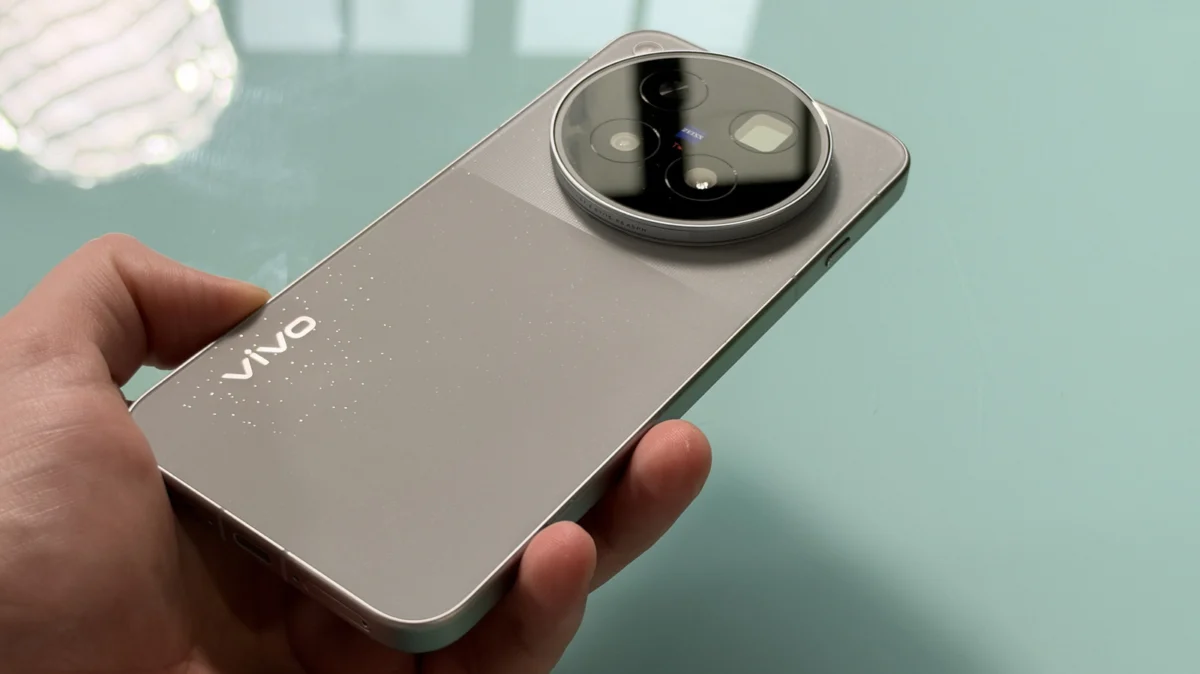
In the rapidly evolving landscape of mobile photography, the battle for supremacy has shifted from simple pixel counts to a complex arms race of sensor technology, computational intelligence, and specialized videography tools. Vivo, a manufacturer that has historically operated in the shadow of giants like Xiaomi and Oppo, is now aggressively positioning itself at the vanguard of this movement. Its latest release, the X500 Pro Max, is more than just a smartphone; it is a declaration of intent. By integrating professional-grade cinematography features with aggressive hardware iteration, Vivo is attempting to bridge the gap between pocket-sized convenience and the creative control of a dedicated cinema camera.
Main Facts: The New Standard in Mobile Optics
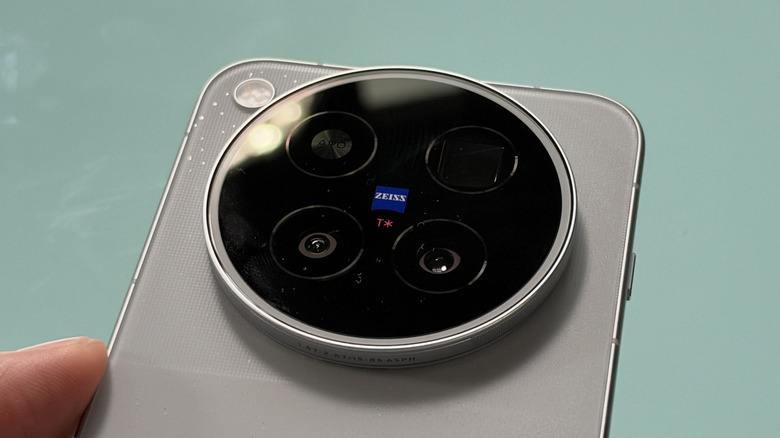
The Vivo X500 Pro Max arrives as a direct challenger to the current crop of ultra-premium flagships. At its heart lies a sophisticated triple-camera array, headlined by a massive 50-megapixel Sony Lytia 1/1.28-inch sensor. This primary shooter is engineered with LOFIC (Lateral Overflow Integration Capacitor) technology, allowing it to capture a staggering 17 stops of dynamic range. By using extra capacitors to store overflow light charge, the sensor minimizes highlight clipping and shadow crushing, effectively mimicking the latitude of high-end cinema sensors.
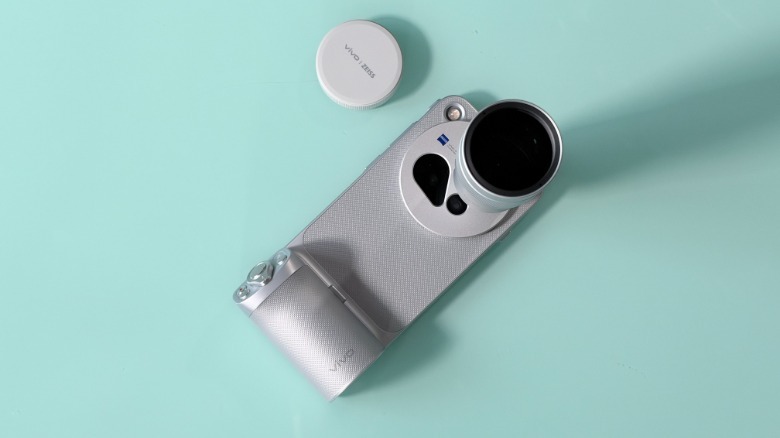
The secondary hardware is equally impressive: a 50MP ultra-wide lens and a 200MP periscope telephoto sensor. The latter is a marvel of engineering, boasting a 1/1.4-inch size that facilitates lossless zoom up to 10x magnification. When paired with the company’s ongoing collaboration with Zeiss, the device offers an ecosystem of attachable telephoto lenses and cage grips, transforming the handset into a modular rig.
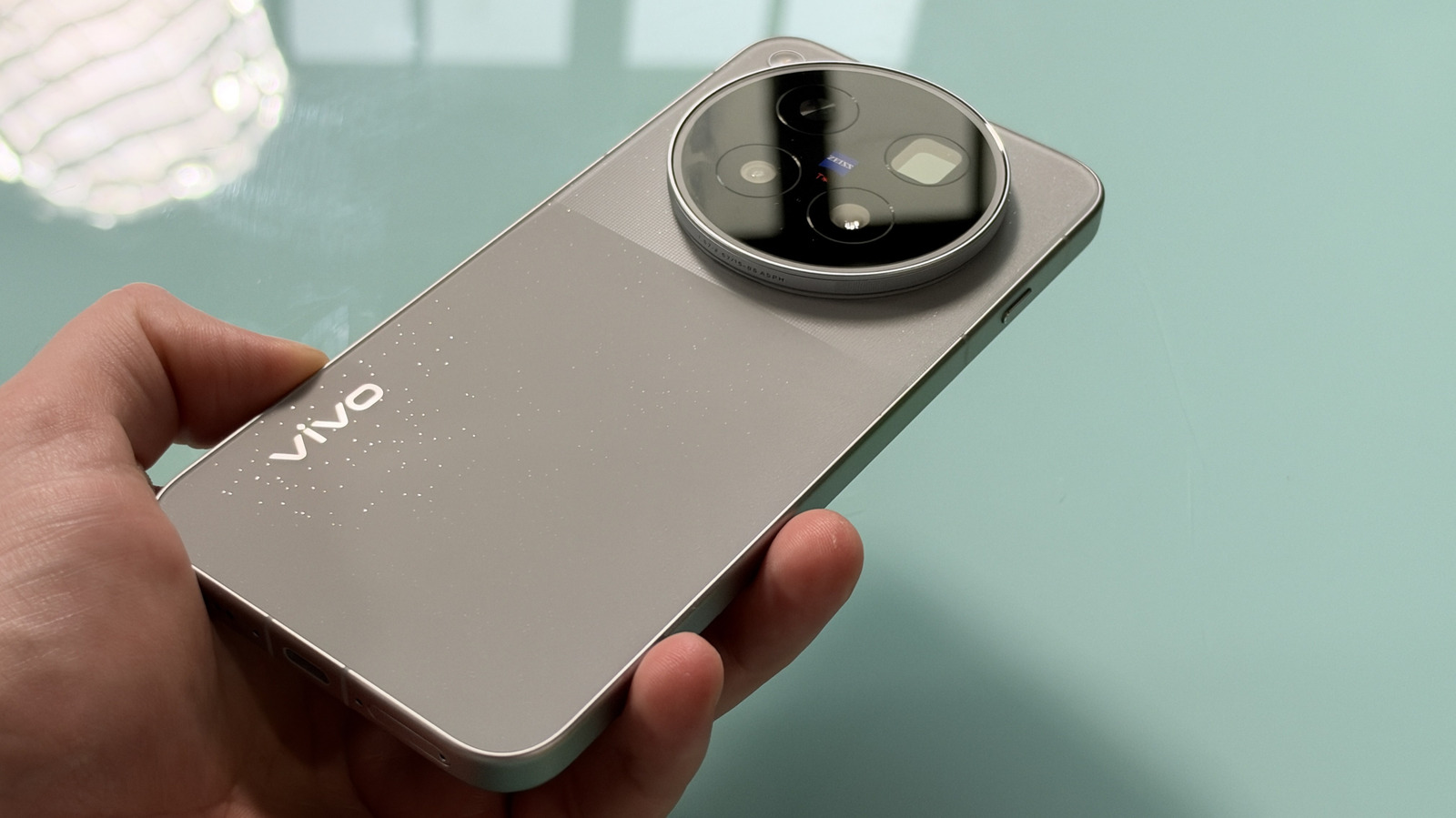
While the hardware is formidable, the software integration—specifically the "Pro Video Mode"—is where the X500 Pro Max attempts to distinguish itself. Supporting custom LUTs (Look-Up Tables) in real-time and offering a log format compatible with the ACES (Academy Color Encoding System) workflow, Vivo is clearly courting the professional videographer who demands color science consistency in a post-production environment.
Chronology of Development: From the X300 to the X500
The trajectory of Vivo’s "X" series serves as a case study in iterative refinement.
- The X300 Era: The X300 Ultra set the baseline for high-zoom capabilities, introducing the world to Vivo’s partnership with Zeiss and its early forays into gimbal-grade optical image stabilization (OIS).
- The Mid-Cycle Pivot: Throughout the last 18 months, Vivo shifted its focus from purely static photography to the stabilization of motion. The X300 Ultra, while successful, was hampered by a 120 fps limit in 4K recording and a smaller 6,600mAh battery.
- The X500 Launch: Announced this week, the X500 Pro Max represents a leap in processing power with the integration of MediaTek’s 2nm Dimensity 9600 Pro chipset. This processor upgrade allows the device to double its frame rate capacity to 240 fps at 4K resolution, a significant leap for high-motion capture.
Supporting Data: The Technical Edge
To understand why the X500 Pro Max performs differently than its competitors, one must look at the technical specifications under the hood.
Imaging Stabilization
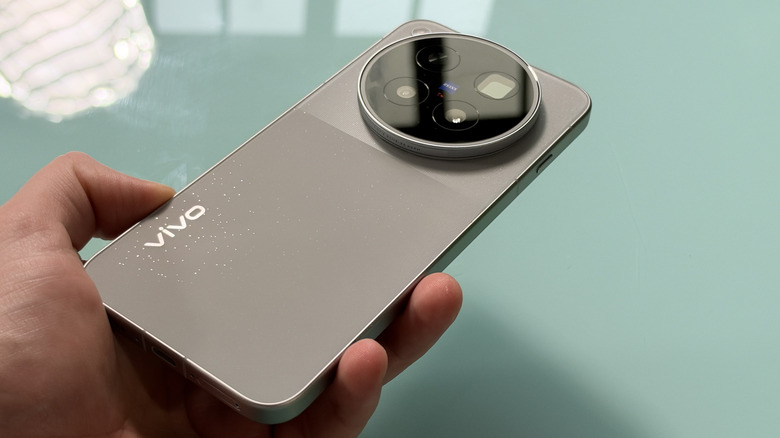
Vivo has implemented "gimbal-grade" stabilization on the main sensor, offering three degrees of physical movement compensation. This is distinct from the CIPA 7.0-rated OIS found on the periscope lens. While the former is designed to negate the physical "walking" motion of a videographer, the latter focuses on micro-tremors—the subtle hand shakes that ruin long-distance telephoto shots. In practical testing, this dual-layer stabilization strategy results in significantly cleaner low-light footage, avoiding the "pulsing" focus artifacts that plague many high-end flagships.
Power and Efficiency
The inclusion of a 7,800mAh battery in certain regional markets is a massive jump over the previous generation. This is supported by 90W fast charging and a critical feature for content creators: bypass charging. By allowing the phone to run off wall power while skipping the battery during high-intensity tasks like 4K recording, the X500 Pro Max mitigates heat generation and prolongs the longevity of the cell.
Display Specifications
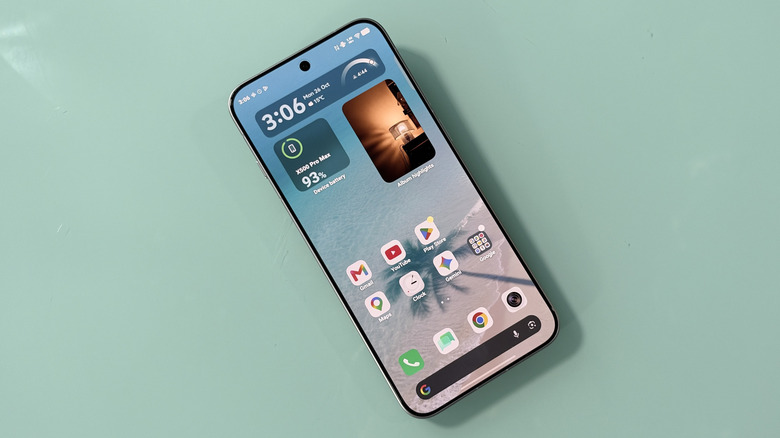
The 6.85-inch display is a powerhouse in its own right, boasting 4,500 nits of peak brightness. The jump to a 144Hz refresh rate, combined with HDR10+ and Dolby Vision support, ensures that the content captured on the device can be reviewed with high fidelity, even in direct sunlight.
Official Responses and Industry Context
Vivo’s strategy has not been without its critics. The industry is currently divided between those who prioritize "computational realism" and those who prefer "augmented vibrancy." Vivo’s current post-processing algorithms lean toward the latter, often producing high-contrast, vivid images that some reviewers feel lean too heavily into a "Photoshop-ready" aesthetic.
When asked about the competition—specifically the Oppo Find X10 Pro Max—Vivo executives have maintained that their path toward 17 stops of dynamic range via LOFIC technology is more efficient for long-form video than the DeepPix approach used by their rivals. However, the software experience remains a point of contention. The Origin OS 7 interface continues to be criticized for "software bloat," including unsolicited tips and a proprietary V-App Store that aggressively pushes third-party software.
Implications for the Global Market
The release of the X500 Pro Max carries significant implications for the global smartphone market:
1. The Death of the Dedicated Point-and-Shoot
With the ability to attach Gen 2 telephoto lenses and utilize professional log workflows, the X500 Pro Max is encroaching on the territory of entry-level mirrorless cameras. For the average consumer and many social-media-focused professionals, the trade-off of slightly aggressive AI processing is becoming worth the convenience of an all-in-one cinematic rig.
2. The Geographic Divide
Perhaps the most notable implication is the continued exclusion of the US and UK markets. By focusing on territories like Spain, Brazil, India, and Singapore, Vivo is reinforcing a strategy of "emerging premium." They are dominating in markets where the consumer is looking for flagship specifications at a competitive price point, effectively building a loyal user base that avoids the high-margin, saturated markets of the West.
3. The Future of Mobile AI
Vivo’s handling of the "telephoto swirl"—the occasional AI-induced distortion of faces or text at high zoom levels—is a reminder that we are still in the early stages of generative computational photography. The industry is reaching a tipping point where users may soon demand the option to toggle off "intelligent enhancement" in favor of raw, authentic sensor data. If Vivo can refine its software to match the brilliance of its hardware, they may finally break out of the "niche camera phone" category to become a mainstream global powerhouse.
Conclusion: A Pro Tool for the Masses
The Vivo X500 Pro Max is a masterclass in hardware ambition. It is a device that does not compromise on battery, display brightness, or sensor capability. While its software suite remains a chaotic, ad-ridden hurdle for power users, the sheer photographic potential of the device is undeniable. As we move forward, the question will not be whether smartphones can replace cameras, but rather how much "computational intervention" the user is willing to tolerate in their pursuit of the perfect shot. For now, Vivo has provided a tool that offers more control than almost any other device on the market, provided the user is willing to learn the ropes of its complex, powerful interface.
