
The Evolution of On-Set Monitoring: Atomos Launches the Sumo PRO-19 4K HDR
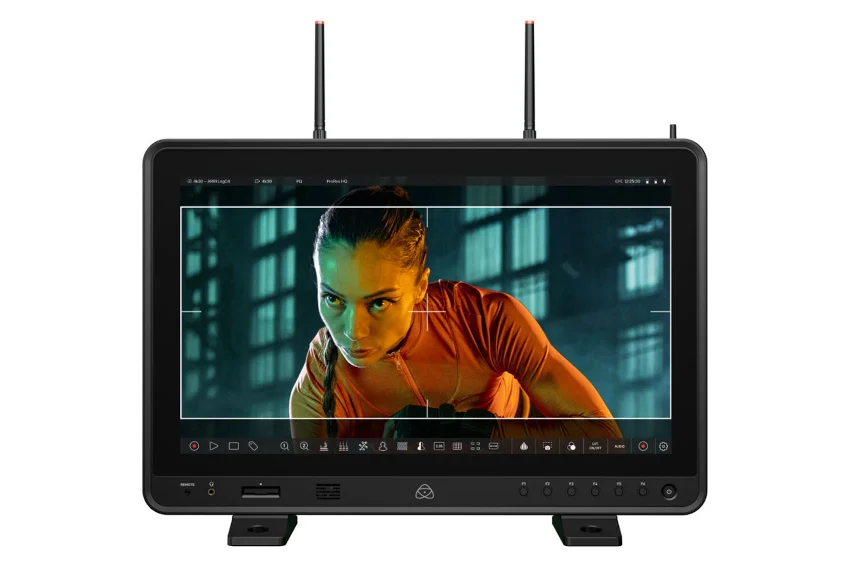
The landscape of professional video production is undergoing a seismic shift, driven by the demand for higher resolution, more complex HDR workflows, and the necessity for instant, cloud-connected collaboration. At the heart of this evolution, Atomos has officially announced the immediate availability of the Sumo PRO-19, a flagship 19-inch 4K HDR monitor-recorder-switcher. Designed specifically for video village, digital imaging technicians (DITs), and on-set monitoring, the Sumo PRO-19 represents a significant leap forward from its predecessor, the Sumo 19SE, addressing long-standing user requests for native 4K resolution and improved color precision.
The Main Facts: A New Benchmark for Production
The Sumo PRO-19 is not merely an incremental update; it is a comprehensive overhaul of the large-format monitor-recorder category. The headline feature is undoubtedly the native 4K HDR display, which utilizes a DCI-P3 color gamut to provide the high-fidelity imagery required for modern high-end productions.
For the professional cinematographer, the transition to native 4K monitoring is critical. As production formats push toward 8K RAW acquisition, the ability to accurately judge focus, exposure, and color grade in real-time is the difference between a successful take and a costly reshoot. The Sumo PRO-19 serves as a central hub, consolidating recording, camera control, multi-source switching, and cloud connectivity into a single, robust chassis. By offering support for industry-standard codecs including Apple ProRes, ProRes RAW, Avid DNx, and H.265, the device ensures compatibility across virtually any post-production pipeline.
Chronology: From Concept to Cine Gear 2026
The journey of the Sumo PRO-19 began in the research and development labs of Atomos, following a period of extensive consultation with DITs and production houses. The feedback was consistent: while the previous Sumo 19SE was a workhorse, the industry had outgrown the limitations of non-native 4K resolution for critical image evaluation.
- Early 2026: Atomos initiates the final design phase, focusing on the integration of high-bandwidth connectivity and advanced cloud-collaboration tools.
- Cine Gear 2026: The device makes its public debut, where it is showcased alongside the new Fujifilm ETERNA 55 cinema camera. This partnership highlights the monitor’s capability to act as a standardized exposure tool via EL Zone monitoring.
- Q2 2026: Following a successful reception at the trade show, Atomos streamlines the firmware architecture to support the latest camera protocols, including the new Fujifilm FLog-2C, which is also rolled out across the wider Ninja and Shogun product lines.
- Current Date: The unit is now officially shipping globally, signaling the start of a new deployment cycle for professional film sets.
Supporting Data: Technical Specifications and Capabilities
The technical prowess of the Sumo PRO-19 lies in its versatility. It is designed to be a "Swiss Army knife" for the production crew.
Connectivity and Processing
The device is equipped with a comprehensive array of I/O ports to handle the most demanding multi-camera setups:

- Inputs: Dual 12G-SDI, dual 3G-SDI, and high-speed HDMI.
- Outputs: 12G-SDI output for seamless integration with existing monitoring infrastructure.
- Recording Media: Supports internal recording to high-speed CFexpress cards or external storage via a high-bandwidth USB-C port, allowing for sustained, high-bitrate data throughput.
- Wireless: Integrated Wi-Fi and Ethernet support facilitate advanced Camera-to-Cloud (C2C) workflows.
Advanced Monitoring Tools
Atomos has integrated a suite of professional-grade tools that eliminate the need for secondary testing equipment:
- EL Zone Exposure: A revolutionary way of measuring exposure that replaces traditional false color with a system that mirrors how a cinematographer "sees" light.
- Waveform and Vectorscope: Real-time visual analysis for precise color and luminance control.
- Anamorphic De-squeeze: Essential for those shooting on cinema glass, ensuring the image is displayed correctly on-screen.
- HDR-to-Rec.709 Conversion: Allows crews to monitor in high dynamic range while maintaining a standard SDR output for local clients or directors who may not require the full HDR experience.
Audio and Control
The audio section features dual full-size XLR inputs with 48V phantom power, catering to professional microphones and field mixers. The inclusion of frame-accurate audio delay adjustment ensures that audio and video remain perfectly synchronized, a common point of failure in complex setups. Furthermore, the touchscreen camera control allows operators to adjust ISO, shutter speed, and aperture directly on the monitor for compatible camera systems, effectively placing the camera’s menu system into the hands of the DIT or director.
Official Responses and Strategic Alliances
The release of the Sumo PRO-19 coincides with a broader strategic push by Atomos to standardize workflows across the industry. By integrating Fujifilm FLog-2C support, Atomos is positioning itself as the primary interface for the next generation of cinema cameras.
"The Sumo PRO-19 is a direct response to the production challenges of 2026," says a spokesperson from the Atomos engineering team. "We wanted to create a device that not only monitors 4K but manages the entire data stream—from the lens to the cloud. By incorporating features like NDI HX3 and AirGlu timecode synchronization, we are removing the friction that traditionally exists between the physical set and the remote post-production team."
The collaboration with Fujifilm at Cine Gear was not accidental; it represents a commitment to supporting the specific color science of modern sensors. By providing a dedicated path for FLog-2C and ETERNA 55, Atomos is ensuring that the image the cinematographer sees on the Sumo PRO-19 is the image that will be processed in the edit suite.
Implications: The Future of Connected Productions
The introduction of the Sumo PRO-19 marks a pivot point for the industry, specifically regarding the "Video Village" and the DIT station. Historically, these stations have been comprised of a disparate collection of monitors, recorders, and network hardware. The Sumo PRO-19 collapses these devices into a single, elegant solution.

1. Cloud-Connected Collaboration
Perhaps the most significant implication is the democratization of high-end collaboration. Through platforms like ATOMOSphere, Frame.io, and Dropbox, the Sumo PRO-19 enables near-instant transmission of proxies to stakeholders who are not physically on set. This drastically reduces the "feedback loop" time, allowing directors and producers to make decisions based on high-quality, color-managed footage before the set is even struck.
2. Standardization of Workflow
The inclusion of NDI HX3 support is a game-changer for broadcast and multi-camera live event production. It allows for the transmission of high-quality video over standard network infrastructure, meaning that the Sumo PRO-19 can act as a bridge between the camera and a broadcast switcher without the need for miles of heavy SDI cabling.
3. The Shift toward "Camera Control"
As cameras become more computerized, the role of the monitor is evolving. No longer just a passive display, the Sumo PRO-19 acts as an active controller. This shift suggests that in the near future, the "Camera Department" will become increasingly centralized around the monitor, with the DIT taking on a greater role in managing the camera’s technical performance during the shot.
Conclusion
The Atomos Sumo PRO-19 is a formidable piece of technology that sets a new standard for on-set monitoring. By successfully marrying high-resolution native 4K HDR performance with the convenience of cloud-based connectivity and advanced camera control, Atomos has provided a solution that addresses both the artistic and technical needs of modern production.
As the industry continues to move toward higher resolutions and more remote, collaborative workflows, devices like the Sumo PRO-19 will become essential infrastructure. Priced at $2,899, it occupies a competitive space in the market, offering a level of capability that was previously reserved for much more expensive, bespoke hardware. For production houses, rental companies, and independent cinematographers alike, the Sumo PRO-19 offers a clear path toward a more efficient, higher-quality, and more connected future in filmmaking.
Disclaimer: As an Amazon Associate and a participant in other affiliate programs, we may earn a small commission from qualifying purchases made through some of the links on this page—at no additional cost to you.
