
Obsession, Occult, and Analog Aesthetic: An In-Depth Review of Alexander Henderson’s ‘Murder Boy’
By Matt Boiselle
Published: June 6, 2026 | Category: Film Reviews
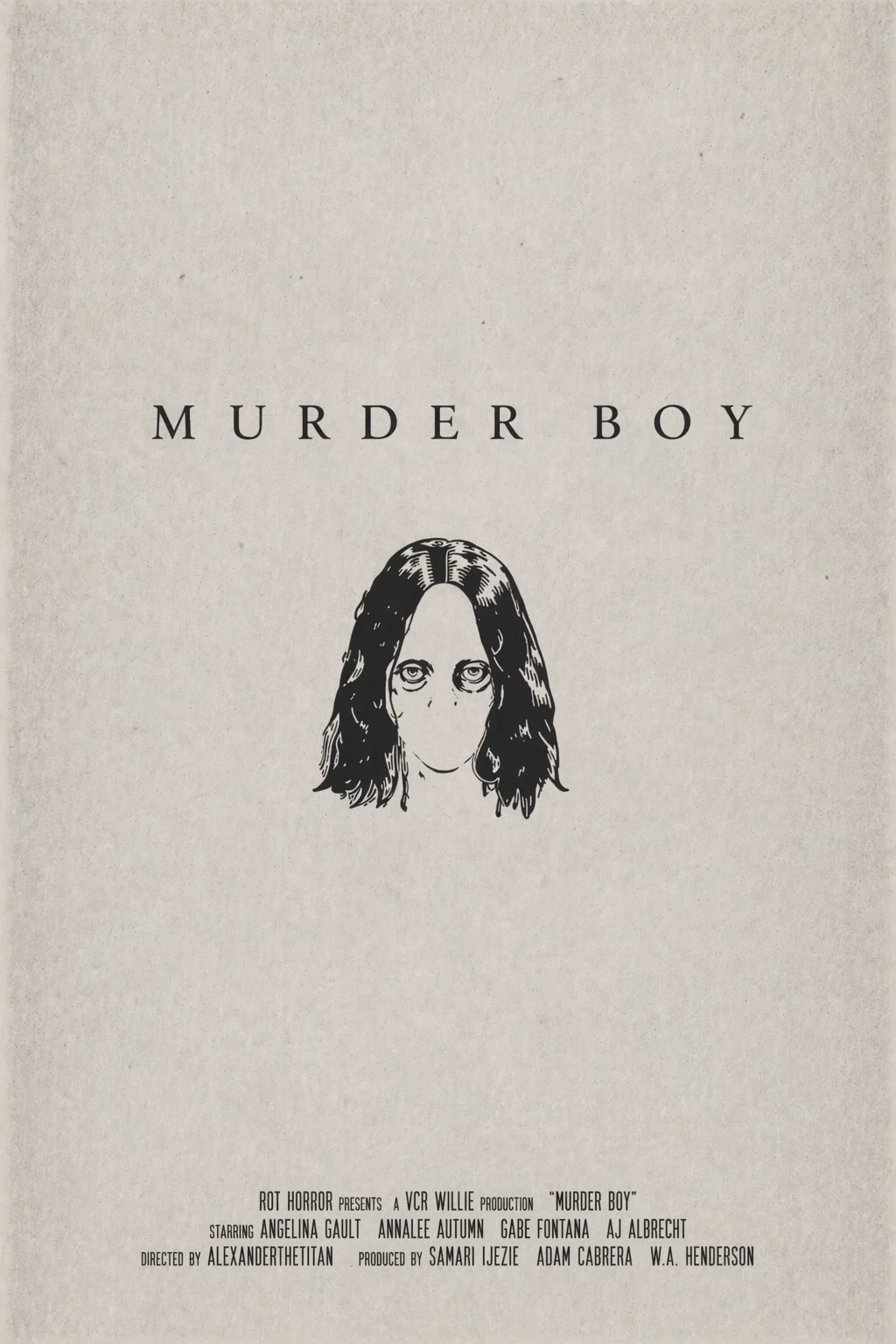
In the sprawling landscape of contemporary independent cinema, it is increasingly rare to encounter a project that feels truly “undiscovered.” In an era of streaming algorithms and polished, high-budget digital cinematography, the soul of underground horror—that gritty, tactile sensation of a well-worn VHS tape—often feels like a relic of the past. However, writer-director Alexander Henderson’s latest feature-length endeavor, Murder Boy, serves as a defiant, visceral rebuttal to the sterile norms of modern filmmaking.
Starring Angelina Gault, Annalee Autumn, and Gabe Fontana, Murder Boy is not merely a horror film; it is a time capsule of deliberate discomfort. By blending the psychological trauma of a young woman’s unraveling life with the dark, ritualistic mechanics of an ancient family legacy, Henderson has crafted a piece of cult cinema that feels both dangerous and essential.
The Genesis of a Cult Classic: Main Facts
At its core, Murder Boy is a character-driven descent into the madness of obsession. The narrative centers on Celo, a young woman approaching the precipice of her nineteenth birthday—a time usually reserved for transition, but for Celo, it is the start of a nightmare. When the devastating realization that her boyfriend plans to discard her for another woman hits, the emotional foundation of her life crumbles.
Into this vacuum steps Margaret Wellington, a shadowy figure from Celo’s past who acts as the catalyst for the film’s occult trajectory. Wellington does not offer comfort; she offers a dark, visceral inheritance. Through a series of ancient, disturbing rituals, Celo is initiated into a family legacy where the concepts of love and power are fundamentally redefined. In the world of Murder Boy, love is not a voluntary emotional connection—it is a weapon, a resource to be seized, commanded, and controlled through absolute, often violent, influence.
A Chronology of the Unraveling
The narrative pacing of Murder Boy is deliberate, mirroring the slow-burn disintegration of Celo’s psyche.
- The Catalyst: The film opens with the domestic dissolution of Celo’s relationship, establishing a grounded, relatable vulnerability that makes the subsequent supernatural pivot feel all the more jarring.
- The Reappearance: Margaret Wellington’s emergence acts as the second act’s turning point. The film shifts from a domestic drama into a dark, esoteric thriller as the history of Celo’s family lineage is unveiled.
- The Ritual: The centerpiece of the film—the visceral, occult initiation—serves as the point of no return. It is here that the visual language of the film shifts, moving from the mundane reality of Celo’s heartbreak to the nightmarish reality of her new, empowered existence.
- The Conclusion: The final act leaves viewers with a chilling ambiguity regarding the cost of such total control, cementing the film’s themes of moral decay and the corruption of intimacy.
Supporting Data: The Power of the VHS Aesthetic
What immediately distinguishes Murder Boy from the deluge of indie horror fare is its uncompromising commitment to a "Shot-on-Video" (SOV) aesthetic. In a marketplace saturated with 4K clarity, Henderson makes the bold choice to lean into the grain, the tracking errors, and the rough-hewn edges of analog media.
The Philosophy of Lo-Fi
For the uninitiated, the SOV movement of the late 1980s and early 1990s was characterized by a raw, DIY spirit. Films were often produced with limited resources, resulting in a look that felt intimate, forbidden, and profoundly strange. Henderson, known to his YouTube audience as AlexanderTheTitan, understands that the “imperfections” of the format are, in fact, its greatest narrative assets.
The visual noise creates a subconscious barrier between the viewer and the characters, giving the impression that one is watching footage that was never meant to be seen. By eschewing the "polished" look of modern digital cinema, Murder Boy avoids the sterility that often plagues independent productions attempting to punch above their weight class. Instead, the film feels handcrafted, tactile, and dangerously authentic.
Official Perspectives: The Director’s Vision
Alexander Henderson has long been a fixture in the underground horror community, building a reputation through his impressive short-film catalog. When asked about the transition to feature-length filmmaking, the focus remains on the "murderous" dedication to the craft.
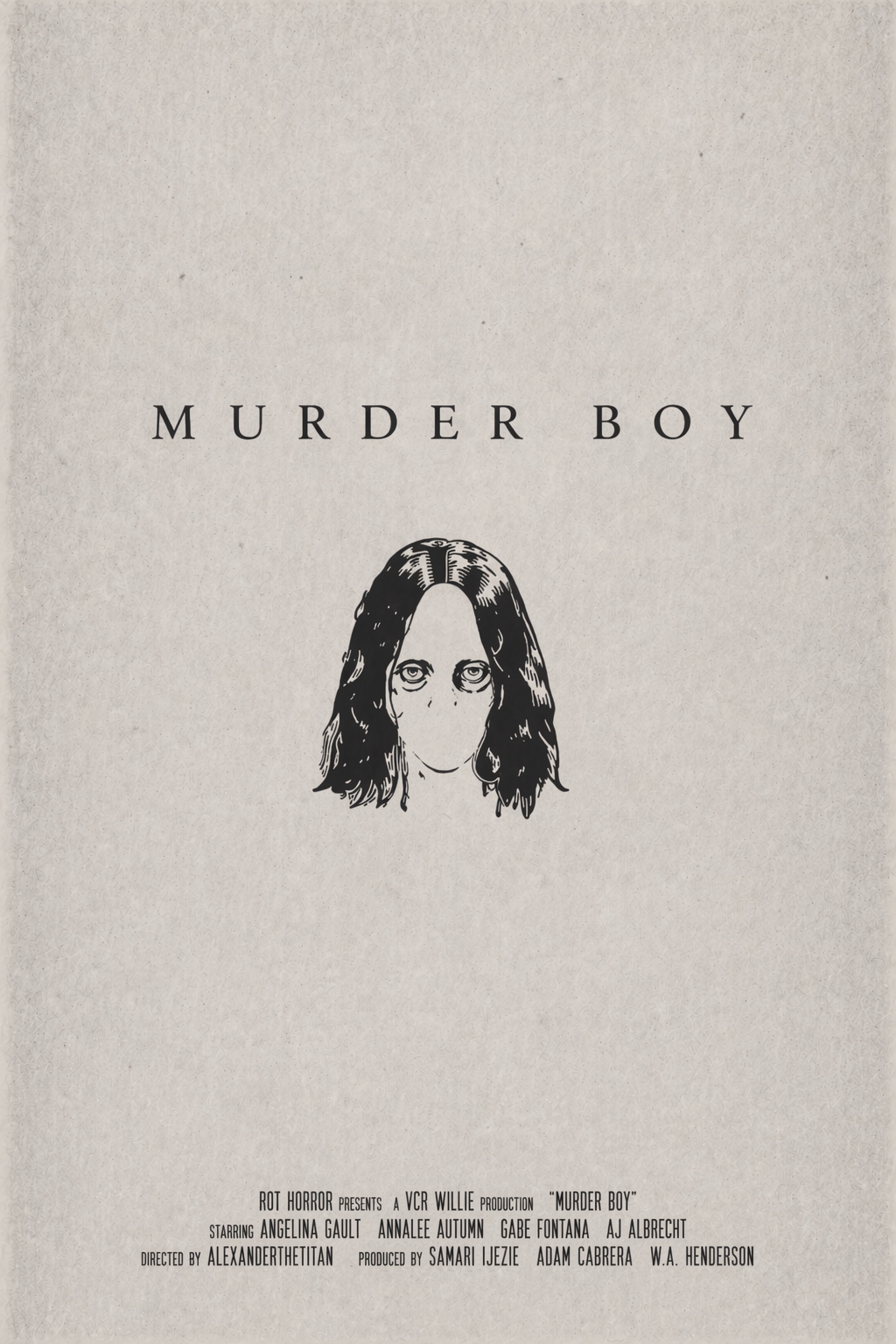
Murder Boy serves as a testament to his evolution as a filmmaker. By embracing regional horror oddities and the unpredictable nature of low-budget production, Henderson has managed to craft a project that feels like a love letter to the video stores of yesteryear.
"I wanted to make something that felt like a hidden gem," Henderson noted in correspondence regarding the film’s release. "I wanted the viewer to feel that sense of discovery—like they found a tape in a cardboard box at a garage sale that they shouldn’t be watching."
The cast—Angelina Gault, Annalee Autumn, and Gabe Fontana—deserve significant credit for grounding the film’s more surreal elements. Their performances navigate the tricky intersection of human desperation and occult influence, ensuring that while the horror is heightened, the emotional stakes remain grounded in recognizable human agony.
Implications: The Future of Underground Horror
The release of Murder Boy arrives at a pivotal moment for independent horror. With the rise of digital exclusivity, the act of “collecting” cinema is experiencing a renaissance. The film’s release strategy—a dual approach offering both digital streaming and physical media—speaks to the bifurcated nature of modern fandom.
The Shift Toward Physicality
By providing the film on VHS, DVD, and flash drive via VCRWillie.com, the production team is catering to the "collector" mentality that defines the cult horror scene. The implication is clear: horror is not just a passive viewing experience; it is an artifact to be possessed.
The success of Murder Boy suggests a growing appetite for "analog nostalgia." Audiences are tired of the algorithmic homogenization of horror. They are seeking out the weird, the uncomfortable, and the unpredictable. If Murder Boy is any indicator, the future of the genre lies in the shadows, waiting to be found by those willing to look beyond the mainstream charts.
Conclusion: Why You Must Seek It Out
Murder Boy is a rare achievement in the realm of DIY filmmaking. It is raw, it is ambitious, and it is unapologetically strange. It manages to elevate the tropes of obsession and manipulation through a lens of dark occultism, all while maintaining the aesthetic integrity of a long-lost VHS relic.
For the horror enthusiast who prefers grain over gloss and atmosphere over jump scares, this is a mandatory viewing experience. Whether you stream it through the exclusive channels at rothorror.com or commit to the physical experience by picking up a copy at VCRWillie.com, one thing is certain: you will not soon forget the dark lessons learned in Margaret Wellington’s world.
In a world where love is a weapon, Murder Boy has certainly hit its target. This is a film that doesn’t just want to be seen; it wants to be felt, experienced, and perhaps, buried away in your private collection to be revisited when the lights go down and the mood turns appropriately dark.
